Whether a Mastiff Puppy Should Visit a Pet Store
Bringing a new Mastiff puppy home is a whirlwind of joy, excitement, and, let's be honest, a good deal of worry. You know how incredibly important it is to properly socialize your gentle giant-to-be, exposing them to new sights, sounds, and experiences during those crucial early weeks. But then the question hits: where exactly can you take an unvaccinated puppy without putting their health at risk? Navigating public spaces like pet stores, which seem like a great idea on the surface, can actually be fraught with peril. This guide will walk you through the complexities of puppy socialization, specifically addressing the pros and cons of pet store visits for your Mastiff puppy, and offer safer, more effective alternatives to ensure they grow into a confident, healthy, and well-adjusted adult.
The Critical Window for Mastiff Puppy Socialization
When you bring home a Mastiff puppy, you're not just getting a cute, clumsy ball of fur; you're taking on the responsibility of shaping a massive, powerful dog. Proper socialization during their early developmental stages is absolutely paramount. It's about much more than just playing with other dogs; it's about introducing them to the vast array of experiences they'll encounter throughout their life in a positive, controlled way.
Understanding the Sensitive Period for a Giant Breed
The most critical period for puppy socialization generally falls between 3 and 16 weeks of age. During this time, a puppy's brain is like a sponge, soaking up every new experience and forming lasting impressions about the world. For a Mastiff, this window is even more significant. An adult Mastiff can easily weigh upwards of 150-200 pounds, sometimes more, and their sheer size means that any fear or aggression developed during puppyhood can have serious consequences later on. You want your Mastiff to be bombproof, not reactive. Failing to adequately socialize a Mastiff puppy during this sensitive time can lead to a fearful, anxious, or even aggressive adult who struggles with new people, environments, or other animals. Imagine trying to manage a truly fearful 200-pound dog at the vet or on a walk – it's a daunting thought. We want to avoid What Becomes of an Undersocialized Mastiff at all costs.
However, there's a delicate balance. While early exposure is vital, it must be positive exposure. A single scary experience during this period can have a lasting negative impact. For instance, a loud, overwhelming environment, or an unpleasant interaction with a person or another dog, can teach your puppy that the world is a scary place, rather than an exciting one. This is especially true for a Mastiff, who can be surprisingly sensitive despite their imposing presence. The Sensitivity Nobody Expects in a Two Hundred Pound Mastiff means we need to handle their early experiences with immense care.
Health Concerns for Unvaccinated Puppies
This is where the pet store dilemma truly begins. Your Mastiff puppy, typically coming home between 8 and 10 weeks, has only had their first round or two of vaccinations. They are far from fully protected against common and potentially deadly canine diseases like canine distemper, parvovirus, and adenovirus. These viruses can live in the environment for extended periods, making shared public spaces incredibly risky.
Think about the sheer number of dogs that might visit a pet store on any given day. Some are healthy, some might be shedding viruses without showing symptoms, and others might be puppies who, like yours, aren't fully vaccinated but are being brought out for supplies. The floor of a pet store is a potential minefield of pathogens. A Mastiff puppy, with its developing immune system, is highly susceptible. Contracting a serious illness like parvo could be devastating, not only for their health but also for your wallet, considering the extensive veterinary care required for a giant breed. Why a Mastiff Is Dosed by Lean Weight and Not Scale Weight means medication costs can add up quickly. Therefore, prioritizing your puppy's health and safety by avoiding high-risk environments until they have completed their full vaccination series (usually around 16 weeks of age, plus a waiting period for immunity to build) is not just a recommendation; it's a critical act of responsible ownership.
Pet Stores: Opportunity or Hazard for a Growing Mastiff?
The idea of taking your cute Mastiff puppy to a pet store can be very tempting. It’s warm, indoors, and full of interesting things. It feels like a controlled environment where they can see new things. But let's really break down what that experience entails for a vulnerable puppy.
The Allure and the Risks of Pet Stores
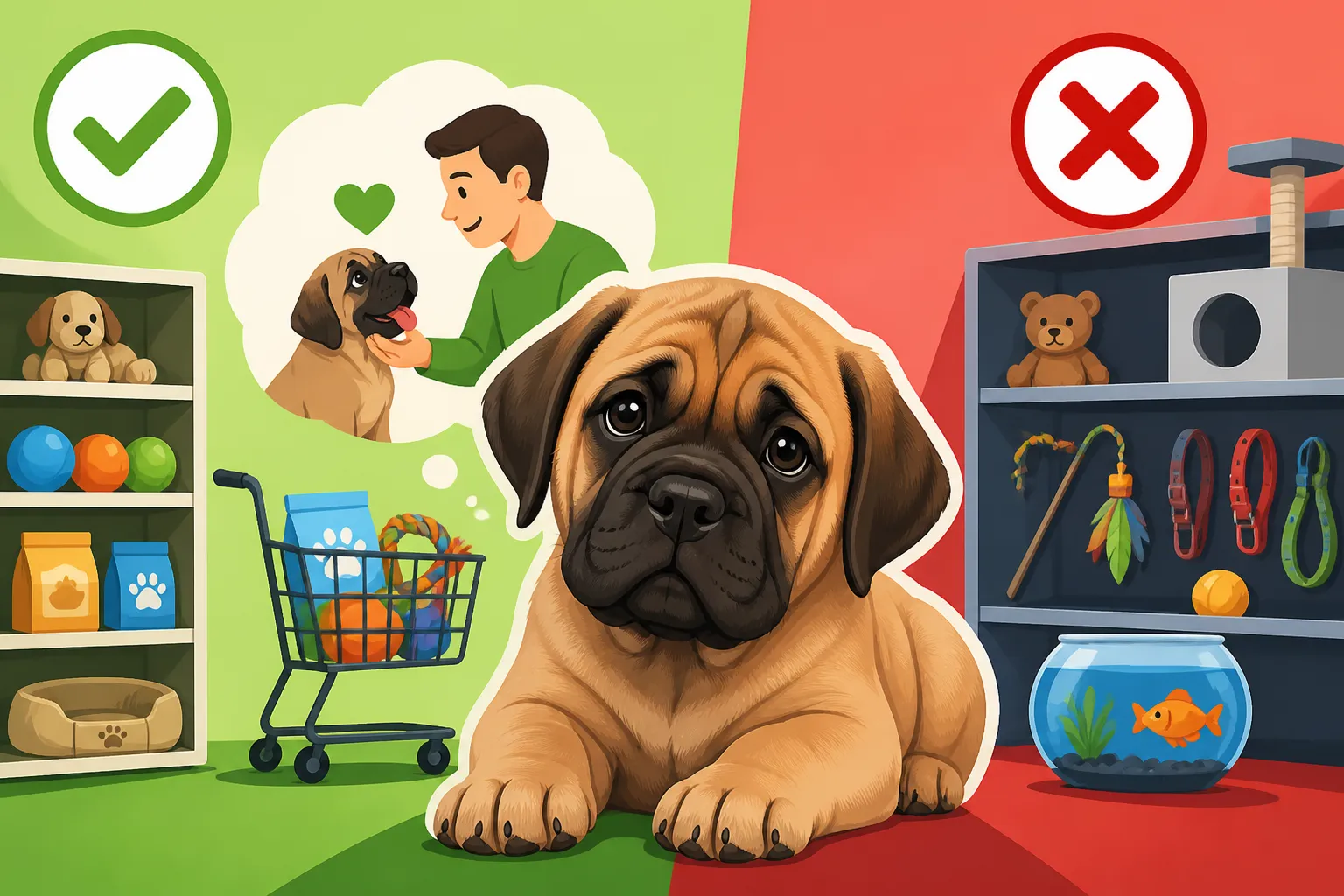
On the surface, a pet store seems like a fantastic place for socialization. There are new smells, different sounds (squeaky toys, crinkling bags, maybe even birds or small animals), a variety of people, and sometimes even other dogs. You might envision your puppy confidently exploring, greeting friendly strangers, and generally having a positive public outing. And yes, some pet stores might even have dedicated "puppy playtime" events, which can seem safe.
However, the risks often far outweigh these perceived benefits for a young, unvaccinated Mastiff puppy. The most significant hazard, as mentioned, is disease transmission. The floors, especially, are a major concern. Dogs walk on them, they might have accidents, and even if cleaned regularly, viral particles can persist. You just don't know the vaccination status or health of every dog that has been in that store. Beyond illness, a pet store can be an incredibly overwhelming environment. Imagine your small puppy, still trying to make sense of the world, suddenly thrust into a cacophony of barking, strange smells from countless products, bright lights, and towering strangers. This sensory overload, rather than building confidence, can actually create fear and anxiety. A Mastiff puppy needs very specific How Many People a Mastiff Puppy Should Meet in a very calm setting.
Overstimulation and Negative Experiences
For a Mastiff puppy, who is already growing incredibly fast and whose joints are under immense stress, a pet store can be a recipe for disaster in more ways than one. When a puppy becomes overstimulated, they can shut down, become fearful, or even act out in an attempt to cope. A Mastiff, known for its stoic nature, might just lie down and refuse to move, or try to hide behind you. These aren't positive socialization experiences; they're stress responses.
Furthermore, interactions with other dogs in a pet store are largely uncontrolled. You don't know the temperament of the other dogs, nor if they are healthy. An overly boisterous greeting from another dog, or a pushy interaction, can easily scare a sensitive Mastiff puppy, making them wary of future canine encounters. This could undo weeks of careful, positive socialization work you've done in safer settings. We really need to protect their impressionable minds during this formative period. The goal is to build a solid foundation of positive associations, not to traumatize or overwhelm them.
Smart Socialization Strategies Beyond the Pet Store
So, if pet stores are largely off-limits for young Mastiff puppies, what are the best ways to socialize them effectively and safely? The key is controlled, positive exposure, focusing on quality over quantity.
Controlled Exposure in Safe Environments
The best way to socialize your Mastiff puppy before they're fully vaccinated is through carefully chosen, low-risk interactions. This means environments where you can be certain of the health and temperament of other animals, and where the environment isn't overwhelming.
- Puppy Classes with Strict Protocols: Many reputable training facilities offer puppy kindergarten classes that require proof of age-appropriate vaccinations and health checks. These classes provide a fantastic opportunity for your Mastiff puppy to interact with other puppies in a supervised, clean environment. Trainers also guide owners on how to interpret puppy body language and facilitate positive play. Look for classes that explicitly state their health requirements. A good foundation in training during these early weeks is invaluable; remember, you'll be Teaching a Mastiff Before It Outweighs You!
- Friends' and Family's Homes: Arrange playdates with trusted friends or family members who have healthy, vaccinated adult dogs with good temperaments. These one-on-one interactions in a familiar home environment are much less stressful than a crowded public place. Your Mastiff puppy can learn appropriate canine social cues without being overwhelmed.
- Quiet Observation: Take your puppy to a quiet park and sit on a bench. Hold them (or keep them in a stroller/wagon if they're too heavy) and let them observe the world from a safe distance. They can see people, cars, birds, and hear ambient sounds without direct contact with the ground or other unknown dogs. This builds confidence by slowly desensitizing them to novel stimuli. For very young or heavier puppies, a sturdy puppy carrier or wagon found on Amazon can be a lifesaver, allowing them to experience the world without touching potentially contaminated surfaces. This low-impact exposure is crucial for their developing joints, too. Remember, Why a Mastiff Puppy Must Not Be Exercised Hard.
Online and At-Home Socialization Resources
Modern technology offers wonderful avenues for socialization that bypass the risks of public spaces. You can create a rich, stimulating environment right in your home and yard.
- Sound Desensitization: Use online resources or apps to introduce your Mastiff puppy to a variety of sounds they might encounter in daily life: traffic, sirens, doorbells, children playing, thunderstorms, fireworks. Play them at a low volume and gradually increase it, pairing the sounds with positive experiences like treats or playtime. This helps build resilience to common stressors.
- Novel Objects and Surfaces: Introduce your puppy to different textures and objects within your home. Let them walk on carpet, tile, wood, grass, and even crinkly tarps in your yard (supervised, of course). Offer them safe, varied toys, and let them explore tunnels or boxes. This builds confidence and body awareness.
- Meeting Varied People: Invite a diverse group of friends (of all ages, genders, and appearances) to your home to meet your puppy. Have them sit on the floor, offer treats, and interact gently. This helps your Mastiff puppy develop positive associations with different types of people in a controlled setting.
- Online Training Programs: Services like BAXTER & Bella offer comprehensive online puppy training and socialization programs that can be done entirely from home. These programs provide structured guidance on everything from house training and basic commands to desensitization exercises and creating positive experiences within your safe zone. They can be particularly helpful for giant breed owners who might find traditional group classes challenging with a rapidly growing puppy. These resources empower you to be your puppy's best first teacher.
Making an Informed Decision for Your Mastiff Puppy
The decision of where and how to socialize your Mastiff puppy ultimately rests with you, but it should always be an informed one that prioritizes their long-term health and well-being.
Assessing the Risks vs. Rewards
When considering any public outing for your Mastiff puppy, always perform a quick risk-benefit analysis. Is the potential socialization benefit worth the very real risk of exposure to a deadly disease or a traumatic experience? For a Mastiff, whose life is already shorter than many breeds, and who is prone to certain health conditions, early illness can set them back significantly. Six to Ten Years Is What a Mastiff Gets, so every healthy day counts. The reward of a few minutes of novel smells in a pet store often pales in comparison to the risk of an expensive, painful, and potentially fatal illness.
Instead, invest your time and energy in creating a strong foundation of health and positive experiences at home and in truly safe, controlled environments. Focus on mental stimulation, gentle handling, and exposing them to new things from a distance. A confident, well-socialized Mastiff is a joy, but that confidence is built on a bedrock of safety and positive reinforcement. The First Year With a Mastiff Puppy That Doubles in Size is a busy one, so make wise choices about where you take them.
When a Pet Store Visit Might Be Justified and How to Do It Safely
While generally advised against for unvaccinated puppies, there might be rare instances where a brief, highly controlled pet store visit is unavoidable or even beneficial if specific precautions are taken. For example, if you need to quickly pick up a specific item and have no other option.
Here’s how to minimize risk if you absolutely must bring your unvaccinated Mastiff puppy into a pet store:
- Carry Your Puppy: Never let your Mastiff puppy touch the floor. Carry them in your arms, a sling, or a pet-safe stroller. This is paramount to preventing contact with potential pathogens. You'll only be able to do this for so long with a Mastiff puppy, as they grow incredibly fast! How Fast a Mastiff Puppy Grows means this window is short.
- Avoid Peak Hours: Go during the quietest times of day when foot traffic (and paw traffic) is minimal. This reduces the chance of overwhelming your puppy and minimizes exposure.
- Keep It Brief: Get what you need and leave. Do not linger, allow strangers to crowd your puppy, or encourage interactions with other dogs.
- Positive Association: Make the experience as positive as possible. Offer high-value treats and gentle praise. You want them to associate the sights and sounds with good things, not fear.
- Be Assertive: Don't be afraid to politely decline requests from strangers to pet your puppy or allow their dog to approach. Your puppy's health and safety are your top priority.
- Wash Up: Once home, wash your hands thoroughly, and consider wiping your puppy's paws (even if they were carried, a quick wipe with a puppy-safe paw wipe can't hurt) before they track anything into your clean home.
By understanding the risks and implementing smart, safe socialization strategies, you can raise a confident, well-adjusted Mastiff puppy who is ready to take on the world once they're fully protected.
Disclaimer
This article is for general informational purposes only and does not constitute professional advice. Laws, prices and regulations vary by location and change over time. Consult a qualified professional for guidance on your specific situation.