How Many People a Mastiff Puppy Should Meet
Bringing home a Mastiff puppy is an incredible joy, but it quickly becomes clear that this isn't just any dog. Their rapid growth and immense size mean that the typical advice for socializing puppies might not feel adequate or even safe. The challenge is ensuring your gentle giant grows into a confident, well-adjusted adult without becoming a liability, which makes understanding how to introduce them to the world, and specifically to people, absolutely critical from day one.
The Critical Window: Why Early Socialization is Non-Negotiable for Your Mastiff Puppy
When you first bring home that adorable, clumsy Mastiff puppy, it's hard to imagine them as the two-hundred-pound magnificent creature they'll become. Yet, those first few months are arguably the most important period in their entire life for shaping their personality and behavior. This isn't just about good manners; it's about setting the foundation for a lifetime of safe, enjoyable interactions with the world around them, especially with people. Neglecting this crucial stage can have significant, and sometimes irreversible, consequences for such a powerful breed.
Understanding the Mastiff's Nature: Size, Strength, and Sensitivity
Mastiffs are truly unique. They possess an imposing physical presence, often topping out well over 150 pounds, but beneath that massive exterior lies a surprisingly sensitive and often reserved temperament. This isn't a breed that bounces into every new situation with unbridled enthusiasm like some smaller, more outgoing dogs. Mastiffs are thoughtful, observant, and often quite wary of strangers. Their natural inclination is to assess new people and situations with a quiet dignity, which can sometimes be misinterpreted as shyness or aloofness. It's vital to acknowledge The Sensitivity Nobody Expects in a Two Hundred Pound Mastiff when planning their socialization. Their sheer size means that even an accidental bump or an overly exuberant greeting can send an unwitting guest sprawling, and a fearful or unconfident Mastiff can be a genuine danger if they perceive a threat. This combination of immense size and innate wariness makes early, positive, and diverse socialization paramount. You're not just teaching them to be friendly; you're teaching them to be comfortable and trusting in a variety of situations.
The Looming Shadow: What Happens Without Proper Socialization
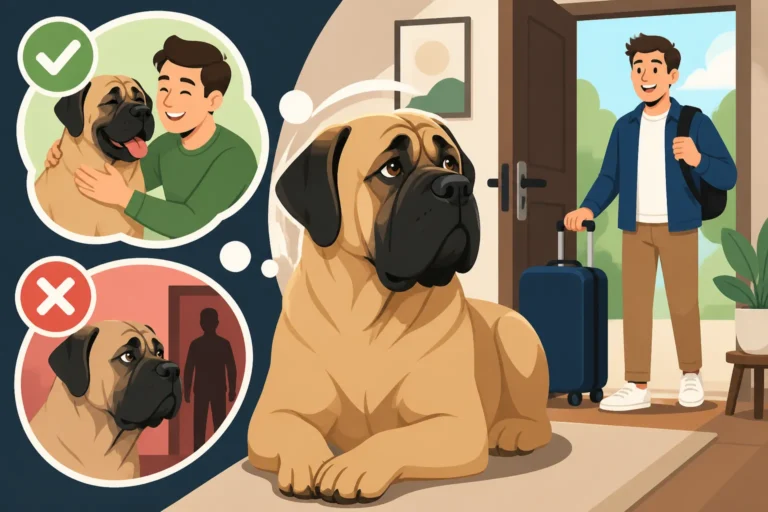
If a Mastiff puppy isn't adequately socialized during their critical developmental window – generally considered to be up to 16 weeks of age – the results can be heartbreaking and problematic. Without consistent, positive exposure to many different types of people, they can easily become fearful, anxious, or even aggressive towards strangers. Imagine a full-grown Mastiff, uncertain about someone new entering your home, reacting with a low growl or a nervous bark. This isn't a situation you want to be in, not only for the safety of others but for your dog's own well-being. An undersocialized Mastiff might hide, cower, or even lash out when feeling threatened, creating immense stress for both the dog and the owner. This lack of confidence often leads to reactivity on walks, difficulty at the vet, and general distrust of anyone outside their immediate family circle. It's a heavy burden for such a sensitive dog to carry, and it significantly limits their quality of life. Understanding What Becomes of an Undersocialized Mastiff really drives home the importance of this early work.
Quantity and Quality: How Many and What Kinds of People Your Mastiff Needs to Meet
When thinking about socializing a Mastiff puppy, it's easy to get caught up in numbers. "How many people?" is a common question, but the truth is, the quality and variety of those interactions often matter more than a strict count. You're aiming for a broad spectrum of positive experiences that teach your puppy that humans, in all their diverse forms, are generally good and safe.
The "How Many" Myth: Focusing on Variety Over Sheer Numbers
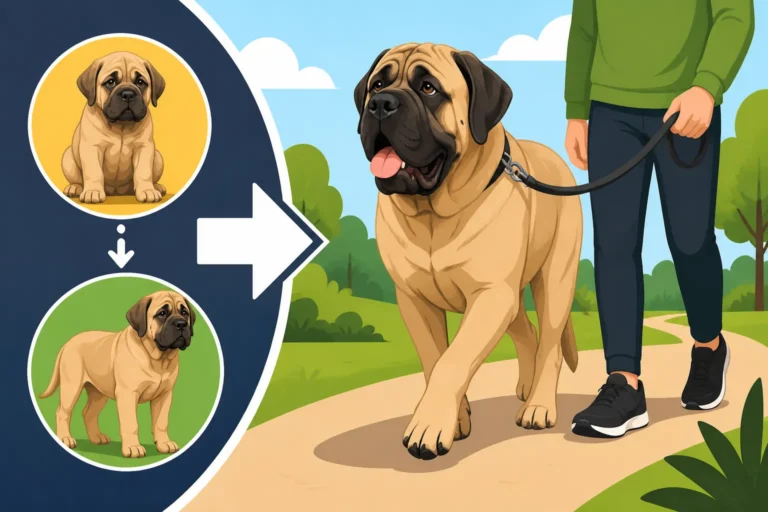
Instead of fixating on a specific number, such as "meet 100 people," think about exposing your Mastiff puppy to as many different types of people as possible in controlled, positive ways. It's not about speed or rushing through introductions. A handful of truly great interactions with diverse individuals is far more beneficial than dozens of hurried, overwhelming, or neutral encounters. The goal is for your puppy to generalize their positive experiences, learning that despite variations in appearance, most humans are friendly and can be a source of good things like treats and gentle pets. Remember, your Mastiff puppy is growing incredibly quickly, so this window is fleeting for laying down these foundational experiences. How Fast a Mastiff Puppy Grows highlights just how quickly that tiny fluffball becomes a formidable presence.
Expanding Your Puppy's Human Dictionary: Different Ages, Genders, and Appearances
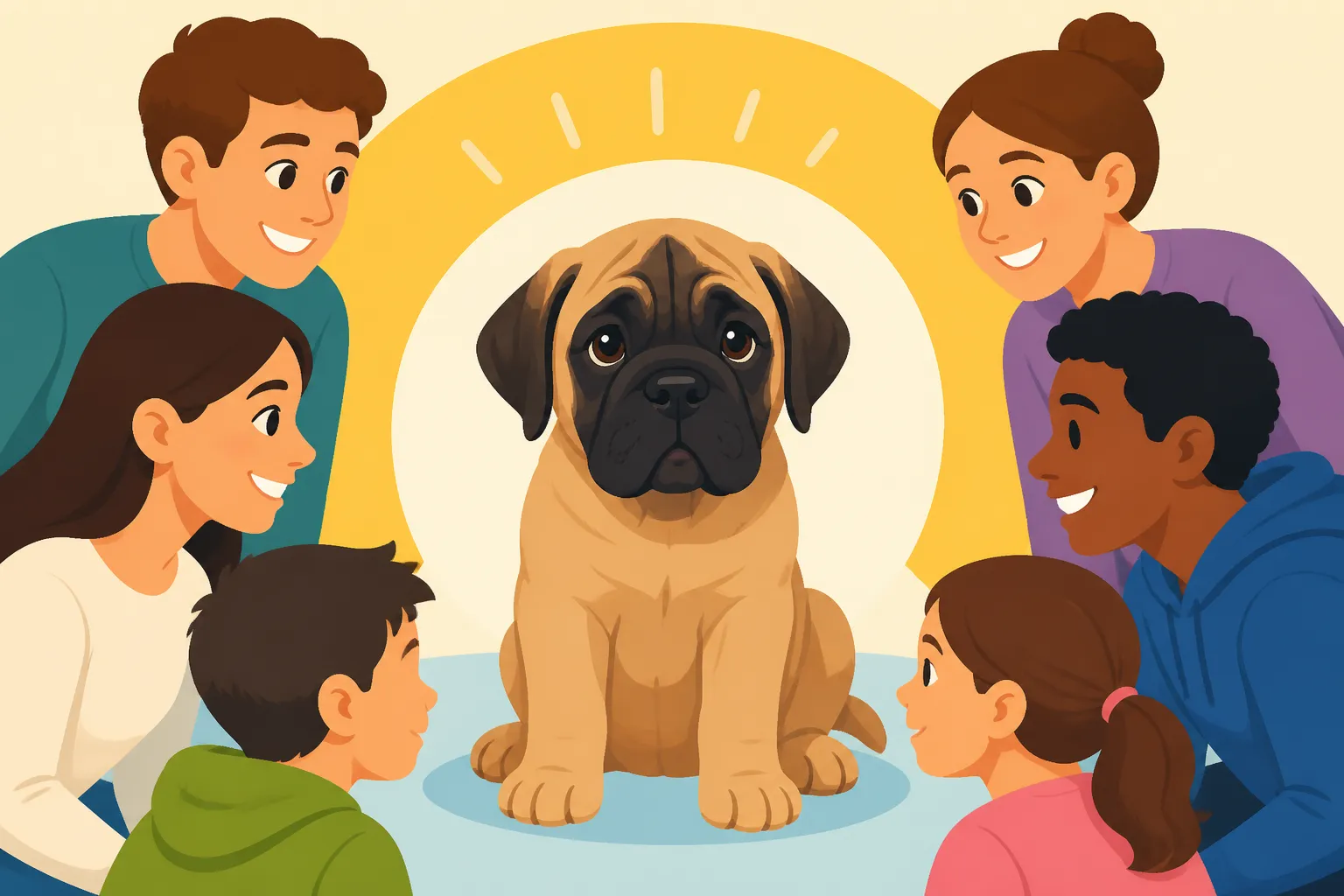
Your Mastiff puppy needs to meet a truly diverse cross-section of humanity. Think about all the ways people look, move, and sound, and try to introduce your puppy to these variations gradually:
- Age: From calm, gentle seniors (supervised!) to respectful children and teenagers. This is particularly important for Mastiffs, who often become family protectors. While you must always supervise Whether a Mastiff Should Be Supervised With Toddlers, controlled, positive interactions are key.
- Gender: Men and women. Some dogs, for various reasons, might have less exposure to one gender, so ensure a balance.
- Appearance: People of different heights, weights, ethnicities, and hair colors. People with facial hair (beards, mustaches), different voice pitches, and even different scents (perfumes, colognes).
- Attire: Individuals wearing hats, sunglasses, hooded sweatshirts, uniforms, work boots, or even those carrying unusual items like umbrellas or backpacks. These can drastically change a person's silhouette and can be startling to an unsocialized puppy.
The key is to make each introduction a mini-celebration. Have your friends or family members offer a high-value treat as soon as they calmly approach the puppy. The goal is for your puppy to associate new people with something wonderful happening.
Navigating Novelties: Hats, Glasses, and the Unexpected
It might sound strange, but many dogs react differently to people wearing hats, glasses, or even walking with a cane. These items alter a person's outline and can seem threatening or just plain different to a young, impressionable puppy. Your Mastiff puppy needs to learn that these are just variations of friendly humans.
Consider setting up controlled "meet-and-greet" sessions. Invite a few friends over and ask them to come in wearing different accessories – one with a hat, another with dark sunglasses, someone else with a large coat, or even carrying a hiking pole. Encourage them to move slowly, speak softly, and offer treats. You can find excellent, durable training treats on platforms like Amazon, which are essential for making these positive associations. The goal is to build a mental library in your puppy's mind: "New person with a funny hat? Great! Treats!" This proactive approach helps prevent future anxieties when they encounter these novelties in the real world. A well-socialized Mastiff understands that a person's appearance doesn't dictate their intent.
Creating Positive Encounters: Making Every Introduction a Good One
Socializing a Mastiff puppy isn't about throwing them into every situation and hoping for the best. It's about careful, controlled, and consistently positive exposure. Every interaction, especially in those formative months, contributes to their understanding of the world. For a Mastiff, whose size commands respect, building trust and confidence through positive experiences is the only way to go.
The Power of Positive Reinforcement: Treats and Praise
When introducing your Mastiff puppy to new people, positive reinforcement is your greatest tool. Every encounter should be paired with something incredibly rewarding. This means having plenty of high-value treats on hand – think tiny pieces of cooked chicken, cheese, or specialized training treats that your puppy absolutely loves. As soon as a new person approaches calmly, or even just looks at your puppy, they should receive a treat. The goal is to create an immediate positive association: "New person = yummy food!"
Encourage new people to offer the treat gently, letting the puppy come to them if they're comfortable. Avoid forcing interaction. Verbal praise in a happy, encouraging tone, along with gentle petting (if the puppy is receptive), also reinforces the positive experience. Repetition is key here. Over time, your Mastiff puppy will begin to anticipate good things when they see new faces, making them more confident and less likely to react with wariness or fear. This approach also helps with Teaching a Mastiff Before It Outweighs You, as it builds a foundation of trust and responsiveness that will be invaluable as they grow.
Controlled Environments and Structured Interactions
The environment where your Mastiff puppy meets new people is just as important as the people themselves. Overwhelming a young puppy with too many new stimuli at once can be counterproductive and even scary for them. Start in quiet, familiar environments, like your home or backyard.
- Start Small: Begin with one or two calm, dog-savvy friends who understand the goal.
- Short and Sweet: Keep initial introductions brief and positive. You want to leave them wanting more, not feeling exhausted or stressed.
- Observe Body Language: Pay close attention to your puppy's cues. Are their ears back? Tail tucked? Are they yawning excessively or trying to hide? These are signs they might be overwhelmed. If so, take a break.
- Leash Management: Even in a controlled environment, keeping your puppy on a leash can help you manage the interaction and prevent them from rushing or retreating too quickly. A sturdy, comfortable harness and leash are essential for a growing Mastiff, which you can easily find on Amazon.
As your puppy gains confidence, you can gradually expand to slightly busier, but still controlled, settings, always prioritizing positive experiences. Think about a quiet park bench where a few friendly passersby might offer a treat, rather than a bustling street fair.
Leveraging Professional Guidance and Puppy Classes
Sometimes, navigating the complexities of giant breed puppy socialization requires a little extra help, and that's perfectly normal. Puppy classes are an excellent resource for Mastiff owners. Not only do they provide a safe, structured environment for your puppy to meet other puppies and people, but they also offer invaluable guidance from experienced trainers.
Look for classes that emphasize positive reinforcement and focus on teaching good manners in a variety of social settings. Programs like BAXTER & Bella offer online resources and training plans that can be incredibly helpful for owners who want a structured approach to socialization and basic obedience. These programs often include guidance on exposure to different people, sounds, and environments, all from the comfort of your home, which is a huge benefit when you have a puppy that can't be excessively exercised early on. The Mastiff Puppy You Are Not Allowed to Exercise due to their delicate growth plates means you need creative ways to socialize them without strenuous activity. A good trainer can help you identify subtle signs of stress in your puppy and teach you how to respond appropriately, ensuring every new person they meet is a positive step forward.
Avoiding Pitfalls: What Not to Do When Socializing Your Mastiff
While the intention behind socialization is always good, there are common mistakes that can inadvertently set your Mastiff puppy back or even create lasting behavioral issues. Given their size and sensitive nature, these pitfalls are particularly important to avoid. A negative experience for a small dog might be a minor setback, but for a Mastiff, it can be a significant problem requiring extensive rehabilitation.
The Dangers of Overwhelm and Negative Experiences
One of the biggest mistakes you can make is overwhelming your Mastiff puppy. Forcing them into situations they're not ready for, or exposing them to too many new people or loud, chaotic environments too quickly, can create fear and anxiety rather than confidence. Imagine a shy child being thrown into the middle of a boisterous party and told to make friends; it's likely to cause them to retreat, not engage. The same goes for your Mastiff.
A single truly negative experience with a person – perhaps someone accidentally steps on their paw, or a child is too rough, or an adult startles them – can undo weeks of positive work. This is especially true for such a sensitive breed. These negative associations can cement into long-term fear, making future introductions incredibly difficult. It's far better to err on the side of caution, prioritizing quality over quantity, and ensuring every interaction is carefully managed to be a positive one.
Never Force It: Reading Your Puppy's Body Language
Your Mastiff puppy will tell you when they're uncomfortable, if you're willing to listen. Learning to read canine body language is a vital skill for any Mastiff owner. Signs of discomfort or stress can include:
- Lip licking or yawning (when not tired)
- Turning their head away
- Ears flattened or held back
- Tail tucked low or stiffly held
- Hiding behind you or attempting to get away
- Showing the whites of their eyes (whale eye)
- Shaking or trembling
- Low growls or barks
If you see these signs, it's time to create distance, remove the puppy from the situation, or simply allow them to observe from a safe distance without being approached. Never force your puppy to interact with someone they are clearly uncomfortable with. This can erode trust, teach them that you won't protect them, and potentially lead to a fear-based defensive reaction. How a Mastiff Judges a Stranger at the Door often starts with these subtle cues, which can escalate if ignored. Respect their boundaries and give them space.
Neglecting Ongoing Socialization Beyond Puppyhood
While the critical puppy socialization window ends around 16 weeks, socialization is not a "one and done" task. It's an ongoing process that continues throughout your Mastiff's life, though the intensity and focus will shift. As your Mastiff matures, their interactions might become more about maintaining good manners and confidence in different situations rather than foundational exposure.
Even a well-socialized puppy can regress if they don't continue to have varied, positive experiences with people. Regularly invite friends over, take your Mastiff on walks where they can observe people calmly (from a safe distance if they're prone to pulling, which you'll need to work on with tools like those from Amazon or through guidance from BAXTER & Bella), and consider enrolling in advanced obedience classes. Adolescent Mastiffs, like all teenagers, can sometimes test boundaries and seem to "forget" their training. The Age an Adolescent Mastiff Stops Listening is a real phenomenon. Continued exposure and training reinforce the positive behaviors you worked so hard to establish in puppyhood. Remember, a Mastiff’s journey is long, even if Six to Ten Years Is What a Mastiff Gets, and ongoing positive experiences with people ensure they remain a confident, gentle companion for all of it.
| Type of Person | Why it's Important for Socialization | How to Introduce Positively |
|---|---|---|
| Children | Teach gentleness, prevent accidental bumps, establish positive associations. | Supervised, calm interactions; children offer treats gently. |
| Seniors | Exposure to slower movements, different voices, potential mobility aids. | Quiet greetings, gentle petting, offers of small treats. |
| Men | Counter potential gender biases, exposure to deeper voices/different scents. | Calm approach, treats, soft voice; avoid looming. |
| Women | Balanced exposure, different presentations (e.g., skirts, makeup). | Gentle greetings, treats, positive reinforcement. |
| People with Hats | Familiarization with altered silhouettes, preventing fear/startle response. | Approach slowly, offer treat, remove/put on hat if comfortable. |
| People with Glasses | Accustom to different eye appearances, reflective surfaces. | Calm approach, treat offered, normal conversation. |
| People in Uniform | Reduce fear of authority figures or unfamiliar clothing. | Controlled meet-and-greet with friendly uniformed people. |
| People with Canes/Crutches | Familiarize with unusual movements, sounds, and objects. | Observe from distance first, then calm, slow introduction with treats. |
Disclaimer
This article is for general informational purposes only and does not constitute professional advice. Laws, prices and regulations vary by location and change over time. Consult a qualified professional for guidance on your specific situation.