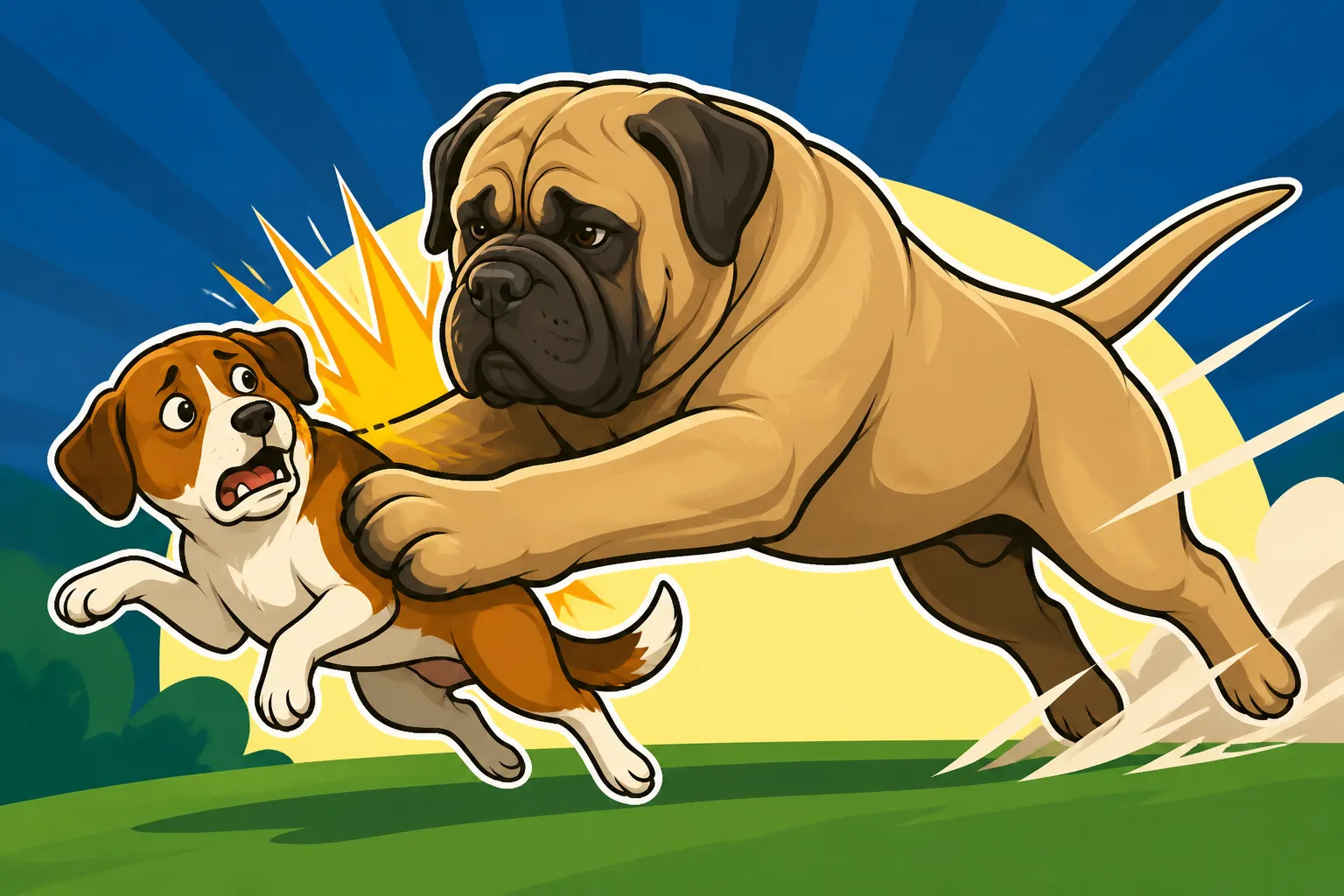
Whether a Mastiff Body Slams Other Dogs
It's a common image, isn't it? A massive Mastiff, all two hundred pounds of noble dog, gracefully moving through life. But then you see them playing, and suddenly that grace can turn into something that looks a lot like a linebacker making a tackle. The worry is absolutely real for Mastiff owners: will your gentle giant accidentally "body slam" another dog during playtime, potentially causing injury? This guide dives deep into the realities of Mastiff play, what those big bumps really mean, and how you can ensure safe and happy interactions for your beloved Mastiff and their canine companions.
Understanding the Mastiff's Play Style and Size Impact
When you bring a Mastiff into your life, you quickly learn that their sheer size isn't just a visual statement; it dictates almost every aspect of their behavior and how they interact with the world, especially when it comes to play. It's not about malice or aggression; it's simply the physics of a truly giant breed.
The Gentle Giant Misconception vs. Reality in Play
The term "gentle giant" is often applied to Mastiffs, and for good reason. They are, by nature, often calm, affectionate, and surprisingly sensitive dogs. They aren't typically a breed known for frenetic, high-energy antics or aggressive posturing. In a quiet household, they are often content to be near you, perhaps leaning their substantial weight against your legs. However, when the mood for play strikes, particularly with another dog, their inherent mass simply cannot be ignored.
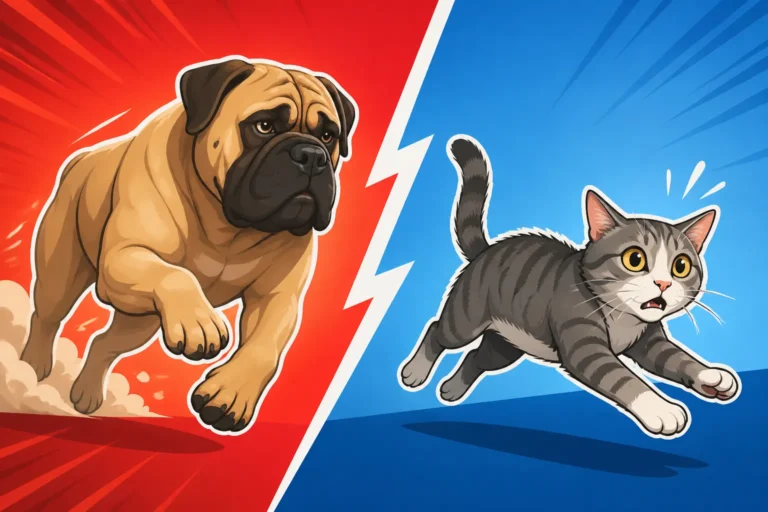
What looks like a playful nudge from a Labrador can feel like a solid shove from a Mastiff. Their bodies are dense, their heads are weighty, and their paws are substantial. They might lumber into motion with surprising speed, or pivot abruptly, sending their bulk in a new direction. This isn't them trying to be rough; it's simply the consequence of being a dog of their build engaging in natural canine play. A Mastiff might initiate play with a head lowering, a tail wag, and a hopeful look, but the ensuing chase or wrestling match will inherently involve a lot of body contact. For other dogs, especially smaller ones, this can be incredibly intimidating, or worse, inadvertently dangerous. It’s crucial to understand that even the most well-meaning Mastiff can cause concern just by existing in a playful state around others.
Accidental Collisions: When Size Becomes a Factor
Sometimes, a Mastiff's "body slam" isn't even an intentional part of play, but rather an accidental collision. Imagine a Mastiff puppy, still growing at an astonishing rate, trying to coordinate its rapidly lengthening legs and widening frame. They can be incredibly clumsy! They trip over their own feet, misjudge distances, and sometimes just don't quite understand the impact of their own momentum. A young Mastiff might be galloping across the yard, attempting to chase a ball or another dog, and simply be unable to stop or change direction gracefully. The result can be an inadvertent bump or an outright collision.
This isn't just a puppy phenomenon, though it's certainly more pronounced in their younger, ganglier days. Even adult Mastiffs, particularly if they get excited, can have moments where their sheer bulk overrides their coordination. Think about a Mastiff trying to navigate a tight space or turning sharply while fixated on a toy. They might accidentally bump into a smaller, more agile dog that darted into their path. These aren't acts of aggression; they're simply physics in action when you combine a large, sometimes awkward animal with enthusiasm. It's why we emphasize controlled play and appropriate environments for these magnificent dogs. You want to avoid situations where a playful burst could lead to an accidental injury, not because your Mastiff is mean, but because they are, well, a Mastiff! This is especially true when considering The Shifting Lameness of a Growing Mastiff as their joints are vulnerable during rapid growth, and hard impacts are not ideal.
Recognizing and Managing Rough Play in Mastiffs
The key to preventing unwanted "body slams" and ensuring safe interactions for your Mastiff is proactive management and clear communication – both with your dog and with other dog owners. It's about setting boundaries and understanding canine body language.
Differentiating Play from Aggression
It's vital for any Mastiff owner to be able to tell the difference between boisterous, rough-and-tumble play and actual aggressive behavior. While a Mastiff's size can make any interaction look intense, true aggression is a different beast entirely. Playful body slams are typically accompanied by a whole suite of play signals:
- Play Bows: The dog lowers its front end, keeping its rear end up, often wagging its tail. This is a clear invitation to play.
- Loose, Wobbly Body Language: A playful Mastiff will have a relaxed body, not stiff or rigid. Their movements might be big and sweeping, but not tense.
- Mouth Open, "Smiling" Expression: They might "mouth" other dogs or humans with an open, relaxed jaw, often with a silly, happy expression.
- Reciprocal Play: True play involves give and take. Both dogs are engaged, taking turns chasing, wrestling, or being "it." If one dog is consistently being pinned or seems distressed, it's no longer play.
- Short Growls or Barks: Playful vocalizations are often higher-pitched, interspersed with periods of quiet, and lack the deep, sustained warning growl of aggression.
- Self-Handicapping: A large, powerful dog like a Mastiff might deliberately roll onto their back, allowing a smaller dog to "win" the wrestling match, or use softer bites. This shows they understand their strength.
On the other hand, signs that a "body slam" or other interaction is not just play include a stiff body, hard stares, raised hackles, a low growl, snarling, snapping, or trying to prevent the other dog from leaving. If you see these signs, you need to intervene immediately. Understanding these nuances is especially important because The Sensitivity Nobody Expects in a Two Hundred Pound Mastiff means they can be easily misread or become withdrawn if constantly chastised without understanding why.
Training and Socialization Strategies for Appropriate Play
Effective training and early socialization are absolutely non-negotiable for a Mastiff. You simply cannot afford to have a two hundred-pound dog that doesn't listen to you, especially when it comes to interactions with other dogs. The goal isn't to stop them from playing, but to teach them how to play appropriately and to respond to your cues even when excited.
Start training as early as possible. Basic obedience commands like "sit," "stay," "come," and "leave it" are your bedrock. Practice these commands in increasingly distracting environments. A strong "come" (recall) is particularly critical. If your Mastiff is getting too boisterous, you need to be able to call them back to you reliably. Work on impulse control exercises, like waiting for permission before eating a treat or going through a door. These skills translate directly to better self-regulation during play. We often recommend programs like BAXTER & Bella, which offer comprehensive online puppy and dog training resources, helping you build a solid foundation right from the start. They emphasize positive reinforcement, which is crucial for a sensitive breed like the Mastiff.
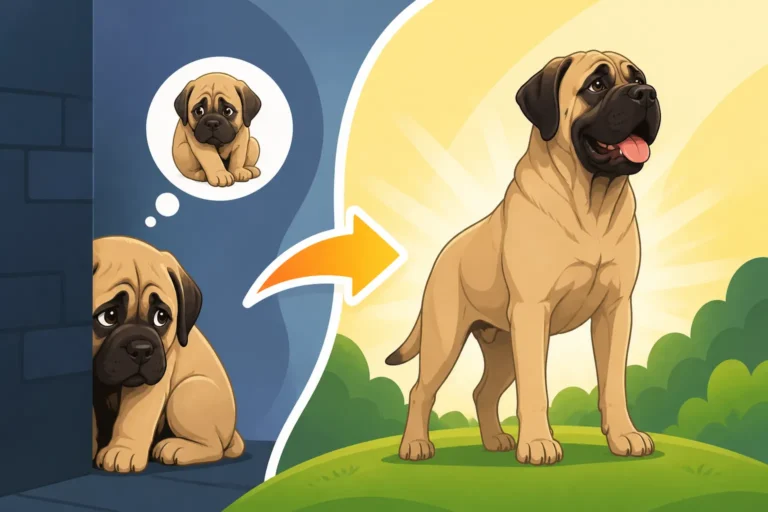
Socialization needs to be carefully managed. It's not just about exposing your Mastiff puppy to as many dogs as possible; it's about quality exposure. Focus on controlled, positive interactions with calm, well-mannered adult dogs who understand puppy cues and won't be easily overwhelmed. Teach your Mastiff puppy bite inhibition through play with you and other dogs. Interrupt play that gets too rough before it escalates. The principle here is to teach them boundaries before they become too large to easily manage. Remember, Teaching a Mastiff Before It Outweighs You is paramount, as once they hit their adult size, physical control becomes extremely difficult if not impossible.
Choosing Safe Playmates and Environments
One of the biggest responsibilities of a Mastiff owner is being the advocate for their dog and for others. This means carefully selecting who your Mastiff plays with and where those interactions take place.
The Importance of Size and Temperament Matching
When it comes to playtime, compatibility is everything. For a Mastiff, this means finding playmates who are:
- Appropriately Sized: Ideally, other large or giant breeds. A smaller dog, even one that seems confident, can be easily injured accidentally by a Mastiff's sheer bulk. A playful body check from a Mastiff might be shrugged off by a Saint Bernard, but it could seriously hurt a Jack Russell Terrier.
- Robust in Play Style: Some dogs enjoy rough-and-tumble wrestling and body contact. Others prefer chase games or more gentle interactions. Look for dogs who genuinely enjoy the kind of play a Mastiff naturally offers, and who won't be intimidated by their size.
- Even-Tempered: Dogs with stable temperaments are less likely to react negatively to a Mastiff's boisterous play, and more likely to give appropriate canine signals if they're uncomfortable.
- Well-Socialized Adults: These dogs can teach a growing Mastiff puppy valuable lessons about play etiquette. They can set boundaries and communicate when play is too much.
This is why places like public dog parks are often not ideal for Mastiffs, especially puppies or young adults. The uncontrolled environment, the mix of sizes, and the unknown temperaments of other dogs create a high-risk scenario. For many Mastiff owners, Why a Dog Park Is Wrong for a Mastiff is a lesson learned quickly. It's much better to arrange private play dates with known, compatible dogs where you can closely supervise interactions. This proactive approach significantly reduces the risk of accidental body slams or other play-related injuries. You need to always be mindful of Whether a Mastiff Is Rough at Play and how that play manifests with different dogs.
Providing Structured and Supervised Play Opportunities
Instead of free-for-all play, focus on structured and supervised sessions. This allows you to set the rules, observe interactions closely, and intervene if necessary.
- Controlled Play Dates: Arrange one-on-one play dates with dogs you know are compatible in size and temperament. These sessions should be in a secure, neutral area, like a friend's fenced yard or a rented dog-friendly space.
- Short and Sweet Sessions: Keep play sessions relatively short, especially for puppies. Over-tired or over-stimulated dogs are more prone to clumsy mistakes or escalating play beyond appropriate levels.
- Interactive Games: Incorporate games that are less about full-body contact and more about mental engagement and controlled physical activity. Fetch, hide-and-seek, or flirt pole games can be great outlets for a Mastiff's energy without the risk of accidental "body slams." You can find durable, giant-breed-appropriate toys on platforms like Amazon that can withstand a Mastiff's power. Look for toys designed for heavy chewers and strong tuggers to ensure they last and are safe for their size.
- Constant Supervision: Never leave Mastiffs playing unsupervised, even with known companions. Your presence allows you to interrupt rough play, reinforce good manners, and ensure everyone is having a good time safely. If you see signs of escalating excitement or a dog becoming uncomfortable, step in and redirect the play. This also gives you the opportunity to address Whether a Mastiff Tolerates a Small Dog directly, by making sure interactions are appropriate and safe.
- Mental Stimulation: Don't forget that mental exercise can be just as tiring and fulfilling as physical play for a Mastiff. Puzzle toys, training sessions, and scent work can help burn off energy without the need for intense physical interaction. This is particularly important for growing puppies, as Why a Mastiff Puppy Must Not Be Exercised Hard emphasizes the need to protect their developing joints.
By providing these structured and supervised opportunities, you nurture your Mastiff's social skills while protecting them and their playmates from potential harm.
When to Seek Professional Help for Play Behavior
Even with the best intentions and proactive management, there might be times when a Mastiff's play behavior raises concerns that require more than just owner intervention. Recognizing these red flags and knowing when to call in an expert is crucial for everyone's safety and well-being.
Identifying Red Flags in Mastiff Play
While a certain amount of boisterousness is normal for a Mastiff, there are specific behaviors that should prompt you to seek professional guidance:
- Consistent Bullying: If your Mastiff repeatedly targets one dog, prevents them from escaping, or ignores their appeasement signals (like looking away, tail tucking, or cowering), this is bullying, not play.
- Inability to Disengage: A healthy play interaction involves breaks. If your Mastiff becomes so fixated that they cannot disengage from another dog, even with your verbal cues or physical redirection, it's a problem. This lack of control can quickly lead to an accident.
- Fear Reactions from Other Dogs: If other dogs consistently become fearful, hide, or try to escape your Mastiff, pay attention. Their reactions are valuable feedback. If your Mastiff is routinely causing distress, it's not a healthy play dynamic.
- Escalation to Aggression: Any instance where play consistently escalates to growling, snapping, or biting (even if no injury occurs) that isn't clearly playful and reciprocal, is a serious red flag.
- Resource Guarding During Play: If your Mastiff shows signs of guarding toys or space aggressively during play, this needs to be addressed immediately to prevent future conflicts.
- Owner Being Ignored: If your Mastiff consistently ignores your commands to "leave it" or "come" when engaged in play, especially when that play is getting too rough, it indicates a lack of control that needs professional intervention. This is precisely why Socializing a Mastiff Puppy Before It Gets Heavy is important, to build a foundation of manners that can be reinforced before they become harder to physically manage.
Don't dismiss these signs. The potential for harm from a two hundred-pound dog is too great to ignore.
Consulting a Certified Professional Dog Trainer
If you notice any of the red flags mentioned, or if you simply feel overwhelmed by managing your Mastiff's size and play drive, it's time to call in a professional. But not just any trainer will do. Look for a certified professional dog trainer (CPDT-KA) or a certified applied animal behaviorist (CAAB), particularly one with experience working with giant breeds.
- Force-Free Methods: Always choose a trainer who uses positive reinforcement and force-free methods. Harsh corrections or punishment can be detrimental to a sensitive breed like the Mastiff, potentially leading to fear, aggression, or a breakdown in trust. They can also teach your Mastiff to suppress warning signals, making them seem unpredictable. This ties back to Whether Positive Training Alone Works on a Mastiff, as it's the most effective and humane approach for these dogs.
- Experience with Giant Breeds: A trainer who understands the unique physical and behavioral aspects of giant breeds will be much better equipped to help you. They'll appreciate the challenges of managing such a large dog and can offer tailored strategies.
- In-Home or Private Sessions: For specific play behavior issues, private, one-on-one sessions are often more effective than group classes. This allows the trainer to observe your Mastiff in their natural environment or in controlled play settings and develop a personalized plan. They can help you refine your communication, teach your Mastiff clearer cues, and build better impulse control.
The goal of professional help isn't just to stop undesirable behavior, but to teach your Mastiff appropriate alternatives and strengthen the bond and understanding between you. It's an investment in your Mastiff's future and the safety of every dog they interact with. With the right guidance, your Mastiff can absolutely be a well-mannered, playful, and beloved companion, without the worry of them body slamming their way through every dog interaction.
Disclaimer
This article is for general informational purposes only and does not constitute professional advice. Laws, prices and regulations vary by location and change over time. Consult a qualified professional for guidance on your specific situation.