Whether a Mastiff Should Ever Be Dragged
That moment when your magnificent Mastiff decides they are done moving can be one of the most frustrating experiences for any owner. Your two-hundred-pound companion, who moments ago was walking amiably by your side, suddenly becomes an immovable, furry statue. It's tempting, in a moment of exasperation, to think about just trying to drag them. After all, they’re not budging, and you have somewhere to be, right? But as fellow Mastiff lovers and experienced owners know, this approach is almost always counterproductive and can cause more harm than good. This guide will delve into why dragging a Mastiff is detrimental, exploring the risks and offering effective, humane alternatives to get your gentle giant moving again with respect and understanding.
Understanding the "Immovable Mastiff"
When your colossal canine companion suddenly decides to anchor itself to the spot, it's rarely out of pure malice or a deliberate attempt to be difficult. These immense dogs, despite their intimidating size, are often incredibly sensitive and intelligent. Their reluctance to move is usually a form of communication, a strong signal that something isn't right from their perspective.
Why Your Mastiff Becomes a Statue
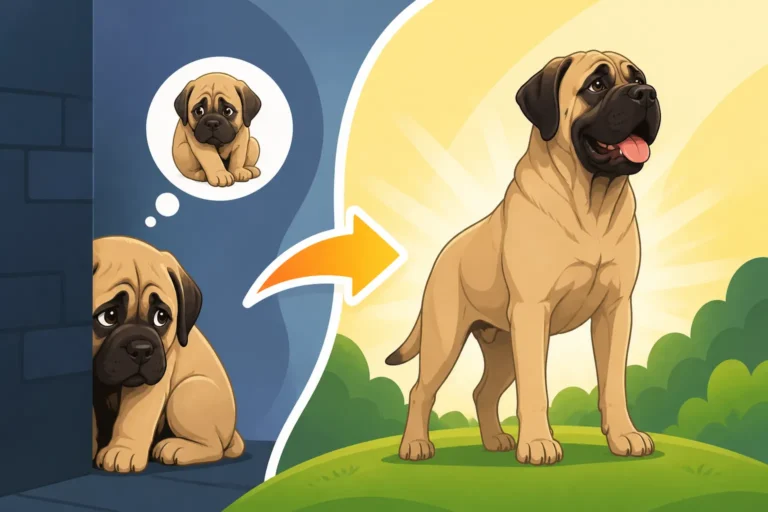
There's a whole host of reasons why a Mastiff might plant its feet and refuse to budge. One common cause is fear. Imagine being their size and encountering a rattling trash can, a loud motorcycle, or a child on a scooter that suddenly zooms past. What seems like a minor inconvenience to us can be genuinely startling or even terrifying to a Mastiff. They might simply be overwhelmed and trying to process their environment, choosing to freeze rather than react impulsively.
Another critical factor could be pain or discomfort. Given their massive size and predisposition to certain orthopedic issues, a Mastiff might be experiencing an ache in a joint, soreness in their paw pads from a long walk on rough terrain, or generalized stiffness. Conditions like Elbow Dysplasia Affects One Mastiff in Seven or developing Arthritis in a Mastiff at Four can make movement painful, and your dog’s refusal is a clear signal that they’re hurting. Always consider their physical well-being first when they refuse to move.
Sometimes, it's simply a matter of motivation or energy. Mastiffs are not endurance athletes. They're built for short bursts of effort followed by long periods of rest. They might be genuinely tired, especially on a long walk or a particularly warm day, and their massive body is telling them it's time to stop. Or, perhaps they're bored. If the walk isn't engaging or they perceive no immediate reward for continuing, their strong will might simply choose to stay put. Distinguishing between these reasons – fear, pain, or stubbornness/fatigue – is crucial, and it starts with observing their body language, no matter how subtle.
The Dangers of Physical Force
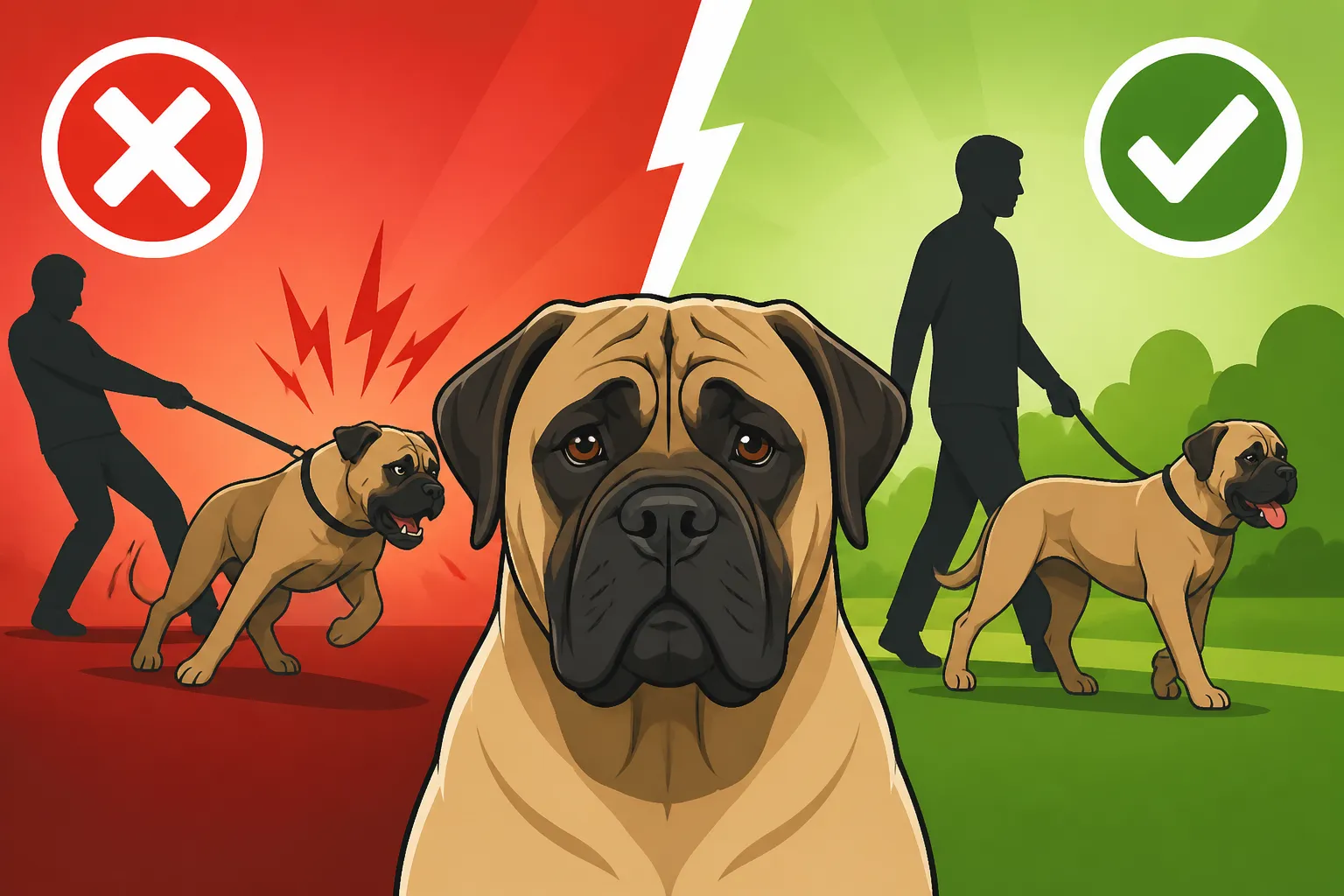
The idea of physically dragging a Mastiff, no matter how briefly or gently you intend it, is fraught with peril for both you and your dog. When you attempt to pull on a leash or collar against a dog of their size and weight, you risk serious physical injury to them. The pressure on their neck, throat, and trachea can cause damage to delicate structures, especially if they dig in or pull back. Their powerful neck muscles can exert immense counter-force, leading to strains or even exacerbating existing spinal or joint problems. Considering how much strain their own weight puts on their musculoskeletal system, any additional trauma from being dragged can be devastating. Why a Mastiff's Hips Fail Under Its Own Weight is a real concern, and yanking on them can worsen such issues.
Beyond the immediate physical dangers, there's the significant psychological damage. A Mastiff forced into an action against its will quickly learns to distrust its handler. This can severely erode the foundational bond of trust and respect that is so vital in a relationship with such a powerful, sensitive breed. They might become fearful, anxious, or even reactive, transforming a temporary stubborn spell into a long-term behavioral problem. For you, the owner, trying to overpower a 200-pound dog is a recipe for personal injury, from pulled muscles to serious falls, especially if they suddenly decide to shift their weight or resist with full force. It’s a situation where nobody wins, and often, the situation becomes far worse than when it began.
The Communication Breakdown: What Dragging Teaches Your Mastiff
Our Mastiffs are constantly communicating with us, even if we don't always understand their language. When we resort to physical force, like dragging, we're essentially shutting down that conversation and sending a very clear, negative message.
Erosion of Trust and Relationship Damage
A Mastiff's heart is a deeply sensitive one, and their relationship with their human family is paramount. They thrive on feeling secure, understood, and protected. When you physically drag them, you're implicitly telling them that their feelings—whether of fear, pain, or simple reluctance—are irrelevant. You are overriding their communication with a display of power. This act can severely damage the trust they place in you. They learn that you are a source of discomfort or unpredictability rather than a reliable leader and protector.
This erosion of trust can manifest in many ways. A Mastiff who has been repeatedly dragged might become withdrawn, less responsive to commands, or even fearful when you approach with the leash. Imagine your Mastiff truly needing your reassurance in a scary situation; if they’ve learned you might force them into it, they won't look to you for comfort. This makes everything from routine vet visits to casual walks much harder, as they may anticipate unpleasant interactions. We want our Mastiffs to feel safe and confident with us, knowing we will listen to their signals and guide them gently, not overpower them. This strengthens the bond, fostering a cooperative spirit essential for managing such a large dog.
Reinforcing Resistance, Not Cooperation
It might seem counterintuitive, but attempting to drag a Mastiff can actually make them more resistant in the future. Dogs, especially powerful ones, have a natural opposition reflex. When you pull, they instinctively pull back. It’s a physical law in action. For a Mastiff, who already possesses immense strength and weight, this reflex is incredibly potent. They learn that resisting your pull creates a stalemate, and if they hold their ground long enough, you might give up or find an alternative.
Instead of teaching them to willingly move forward, you're inadvertently teaching them that planting their feet is an effective way to stop momentum. Every time you pull and they resist, that behavior is reinforced. The next time you ask them to move, they'll anticipate the pull, brace themselves, and become even more difficult to budge. This creates a cycle where both of you are locked in a battle of wills, and your Mastiff, by virtue of their sheer mass, often has the upper hand. The goal is to encourage voluntary movement, to make moving with you a positive and rewarding experience, thereby fostering cooperation rather than constant resistance. After all, A Mastiff Does Not Pull You Over, It Simply Stops, and that same principle applies when you try to pull them.
Positive Alternatives: Moving Your Mastiff With Respect
So, if dragging is off the table, what can you do when your massive Mastiff decides to become a fixture on the sidewalk or the living room floor? The good news is there are numerous humane, effective, and relationship-building strategies that work with their intelligent, sensitive nature, rather than against it.
Lure and Reward Techniques
This is often the most immediate and successful strategy for a Mastiff who is being stubborn or simply unmotivated, assuming they are not in pain or genuinely terrified. The core idea is to make moving forward their choice by offering something incredibly appealing.
- High-Value Treats: Forget the everyday kibble. When you need to motivate a giant breed, you need the "jackpot" treats. Think tiny pieces of cooked chicken, lean deli meat, cheese, or specialized soft, chewy training treats. Hold the treat at their nose level, just out of reach, and slowly move it a step or two forward. The instant they take a step towards it, mark the behavior with an enthusiastic "Yes!" and immediately give them the treat. Slowly increase the distance they need to move for each treat. This method works because it taps into their natural food drive and transforms an undesirable action into a positive game. You can find excellent high-value treats from brands like BAXTER & Bella or a vast selection on Amazon.
- Favorite Toy or Game: If your Mastiff is more play-motivated than food-motivated, use their most cherished toy. Wiggle it enticingly a short distance ahead, and as they move towards it, reward them with a brief play session. The trick is to make the desired movement lead directly to the reward.
- Enthusiastic Verbal Encouragement: Sometimes, the power of your voice and positive energy can be enough to break their focus and re-engage them. Use a cheerful, upbeat tone, clap your hands gently, and call their name: "Let's go, gentle giant! Good boy, let's move!" Combine this with a visible treat or toy for maximum effect. Mastiffs, despite their stoicism, are often eager to please their beloved humans if they understand what's being asked and why it's worth their effort. Consistency with these techniques will teach your Mastiff that moving with you leads to good things. It helps answer What Actually Motivates a Mastiff: positive reinforcement, not force.
Desensitization and Counter-Conditioning
If your Mastiff's reluctance stems from genuine fear or anxiety about a particular object, sound, or environment, then a more structured approach focusing on desensitization and counter-conditioning is necessary. This isn't a quick fix, but it creates lasting, positive change.
- Identify the Trigger: The first step is to accurately pinpoint what is causing their fear. Is it the busy intersection? The presence of other dogs? Specific loud noises? Certain types of flooring? Observe their reactions closely.
- Gradual, Low-Intensity Exposure: Once you've identified the trigger, expose your Mastiff to it at such a low intensity that they barely notice it or show no signs of fear. For example, if they're afraid of trucks, start by being so far away that the truck is just a tiny speck or a very faint sound.
- Positive Association (Counter-Conditioning): The moment the trigger appears (at this low, non-threatening level), immediately begin feeding them high-value treats, showering them with praise, or engaging them with a favorite toy. The goal is to change their emotional response from fear to positive anticipation: "Oh, there's that truck! That means delicious treats!"
- Slowly Increase Intensity: Over many, many sessions, gradually decrease the distance to the trigger or increase its intensity (e.g., closer to the truck, louder sound). Crucially, you must always ensure your Mastiff remains calm and comfortable. If they show any signs of stress, retreat to an easier level. This process demands immense patience and consistency but is incredibly effective in building a more confident and resilient Mastiff. Remember that Whether a Mastiff Is Slow or Deliberate is a key part of their nature; rushing them through this process will be counterproductive. Programs offered by BAXTER & Bella can provide excellent structured guidance for these types of behavioral challenges.
Using Management Tools and Strategies
Beyond training specific behaviors, having the right tools and strategies in place can make a world of difference when managing a Mastiff who suddenly decides to stop.
- Appropriate Harnesses: A well-fitting harness, particularly a front-clip harness, can provide much better control and leverage than a traditional neck collar when a Mastiff decides to go on strike. It redirects their momentum from their chest and shoulders, rather than putting pressure on their sensitive neck. If they go completely limp, a harness allows you to gently guide them from their core, rather than trying to yank their head. Many suitable harnesses for giant breeds are available on Amazon. For more details, consider reading Whether a Front Clip Harness Stops a Mastiff Pulling.
- Leash Handling Techniques: Instead of a sustained pull, try to relax the leash, creating slack, and then offer a gentle invitation to move forward using your voice and a lure. Tension on the leash can often cause a Mastiff to brace and resist even more. Sometimes, a slight change in direction or a brief, happy-sounding encouragement can break their focus enough for them to take a step.
- Environmental Adjustments: If you consistently notice your Mastiff freezing in certain areas or on specific surfaces, try to alter your walking routes or avoid those triggers during early training. For example, if hot pavement is an issue, adjust your walk times to cooler parts of the day. Mastiffs, due to their immense bulk, can Whether a Mastiff Overheats on a Walk very quickly, making environmental awareness vital.
- Two-Person Team: For very large or particularly stubborn Mastiffs, a two-person approach can be incredibly effective. One person can walk slightly ahead, luring with treats or a toy, while the other provides gentle encouragement from behind, ensuring there's no pushing or dragging, just supportive presence. This makes the forward movement feel more like a collaborative effort.
- Emergency Plan: In rare, dangerous situations where your Mastiff completely shuts down in an unsafe location (e.g., a busy road) and all other methods fail, you should have an emergency plan. This might involve calling for immediate assistance or, ideally, having a vehicle nearby that they can be safely loaded into (which highlights the importance of teaching them to Teaching a Mastiff to Use a Ramp early on).
| Method | Primary Use Case | Key Benefits | Considerations |
|---|---|---|---|
| High-Value Luring | Stubbornness, lack of motivation | Immediate positive reinforcement, builds eager cooperation | Requires enticing treats, may be slow at first |
| Desensitization | Fear, anxiety towards specific triggers | Addresses root cause, builds confidence, creates lasting change | Time-consuming, requires patience, gradual progression is key |
| Front-Clip Harness | Leash control, guiding | Distributes pressure, improves steering, reduces neck strain | Must be correctly fitted to avoid rubbing or restricting movement |
| Verbal Motivation | Breaking focus, maintaining engagement | Always available, strengthens bond through positive interaction | Less effective alone for strong resistance, needs cheerful tone |
| Environmental Avoidance | Avoiding known negative triggers | Prevents problematic situations, reduces stress | Doesn't solve underlying issue, might limit options in certain scenarios |
When to Seek Professional Help
While the positive reinforcement techniques and management strategies described above are powerful tools for most Mastiff owners, there are definitely times when your dog’s reluctance to move signals a deeper, more complex issue. In these situations, bringing in professional expertise is not just helpful, it's essential.
Recognizing Deeper Behavioral Issues
If your Mastiff's refusal to move is consistently accompanied by other concerning behaviors, it’s a strong indicator that you might be dealing with something beyond simple stubbornness or a temporary mood. These behaviors could include overt aggression, extreme fearfulness, panic attacks, severe separation anxiety, or persistent phobias that are impacting their quality of life. For example, if your Mastiff is not only freezing but also growling, snapping, or showing extreme signs of distress (like shaking, excessive drooling, or frantic attempts to escape) whenever they encounter a specific trigger, it’s a serious issue.
Furthermore, a sudden, inexplicable change in a previously compliant Mastiff’s behavior should always prompt a thorough veterinary check-up first. Given their susceptibility to various health issues, including painful joint conditions, a new reluctance to move could be the only outward sign of discomfort or illness. The Shifting Lameness of a Growing Mastiff can be difficult to diagnose without a vet. If your veterinarian gives a clean bill of health, then the next step is a qualified professional dog trainer or a veterinary behaviorist who can assess the situation comprehensively. They can help distinguish between learned behaviors and underlying anxiety disorders or other behavioral conditions. What Becomes of an Undersocialized Mastiff can include a range of behavioral challenges that require expert intervention.
The Value of a Qualified Trainer
A qualified professional dog trainer, especially one who has extensive experience with giant breeds and exclusively uses force-free, positive reinforcement methods, can be an absolute godsend. They possess the nuanced understanding and practical skills to observe your Mastiff's behavior in real-time, accurately identify subtle triggers you might have missed, and then formulate a tailored training plan specifically for your dog.
They can guide you through the intricacies of advanced desensitization and counter-conditioning protocols, helping you implement them safely and effectively. A good trainer will also teach you how to refine your lure-and-reward techniques for maximum impact, and most importantly, they will help you learn to "speak Mastiff," understanding their unique body language and communication signals. When addressing how to Stop a Mastiff That Plants Itself and Will Not Move, a professional will never suggest force or harsh corrections. Instead, they will empower you with the knowledge and tools to build an even stronger, more trusting, and cooperative relationship with your Mastiff. Investing in professional guidance is a proactive step that can prevent minor issues from escalating into major challenges, ensuring a happier, more harmonious life for both you and your beloved gentle giant. They can even provide solutions for specific problems like Whether a Mastiff Refuses to Get in a Car, which often requires patience and specific conditioning.
Disclaimer
This article is for general informational purposes only and does not constitute professional advice. Laws, prices and regulations vary by location and change over time. Consult a qualified professional for guidance on your specific situation.