How Long a Mastiff Survives a Twisted Stomach
The chilling fear that grips a Mastiff owner when their beloved giant seems "off" is unlike any other. You see their discomfort, their restlessness, and that dreaded attempt to vomit nothing but foamy saliva, and your heart sinks. This isn't just an upset stomach; for a Mastiff, it's a critical, life-threatening emergency known as Gastric Dilatation-Volvulus, or GDV, often referred to as bloat or a twisted stomach. This condition can steal your gentle giant from you in mere hours, and understanding the terrifying timeline is key to giving your Mastiff the best chance at survival. This guide aims to prepare you for this dire situation, offering insight into how quickly this silent killer can escalate and what you can do.
Understanding Gastric Dilatation-Volvulus GDV in Mastiffs
It’s a cruel irony that one of the most magnificent and gentle breeds is predisposed to such a sudden and devastating condition. Gastric Dilatation-Volvulus isn't just a stomachache; it's a catastrophic event that can unfold with terrifying speed. As a Mastiff owner, it's not a matter of if you should worry about bloat, but when you might encounter it, and being informed is your best defense.
What Exactly is a Twisted Stomach?
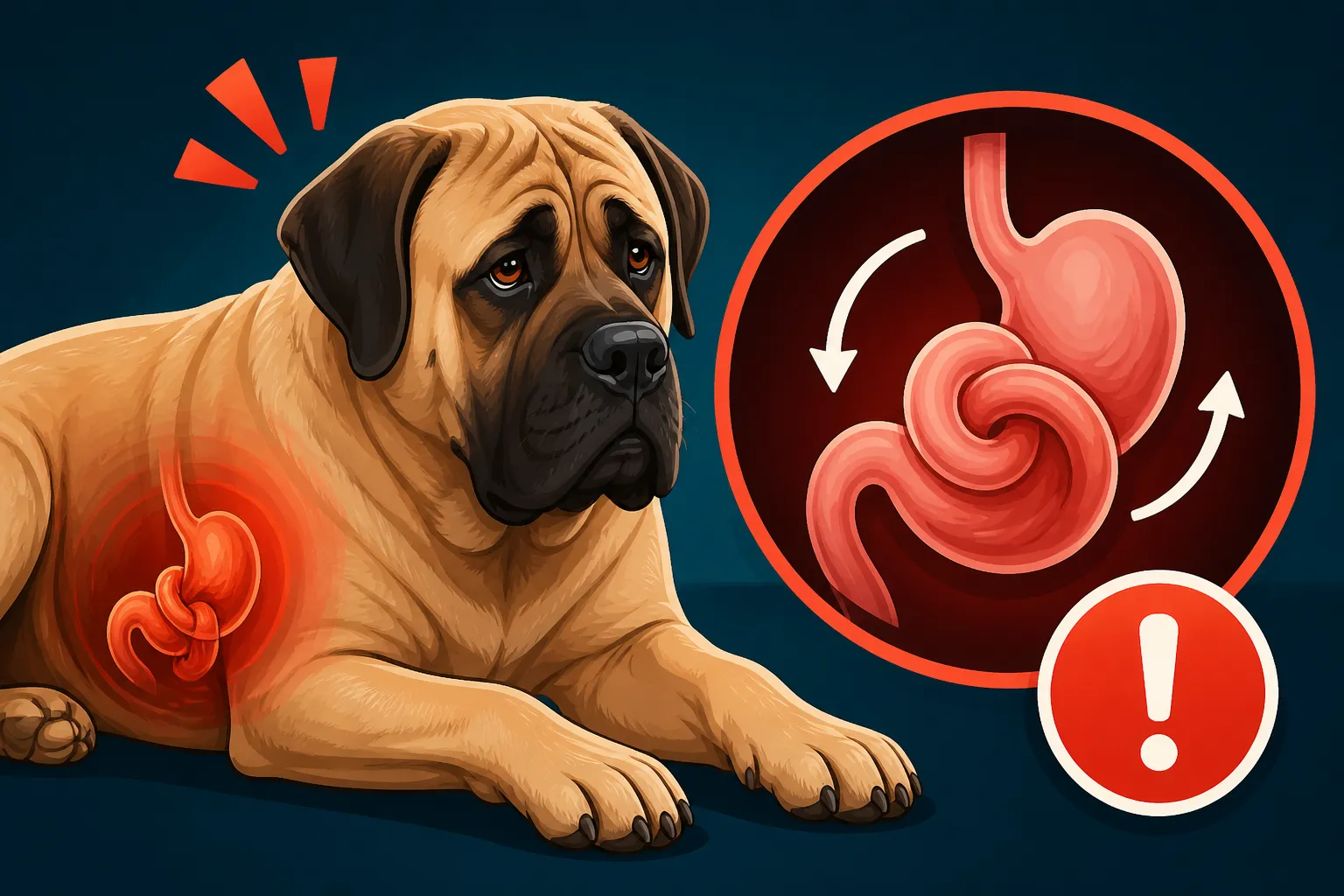
Imagine your Mastiff's stomach as a large balloon. In the initial phase of bloat, known as gastric dilatation, this "balloon" fills rapidly with gas, fluid, or food. This expansion causes immense pressure on surrounding organs and the diaphragm, making it incredibly difficult for your dog to breathe. But the real danger, the "volvulus" part of GDV, occurs when this distended stomach then twists upon itself, sometimes a full 180 to 360 degrees. This twisting pinches off both the entry (esophagus) and exit (duodenum) points of the stomach, effectively trapping everything inside. No gas can escape, no food can pass, and the blood supply to the stomach wall is compromised, leading to rapid tissue death. It’s a complete internal catastrophe.
The anatomical arrangement inside a Mastiff's abdomen, particularly their deep, narrow chest, unfortunately, creates the perfect storm for this kind of rotation. Unlike some other breeds, where the stomach might be more securely tethered, the Mastiff’s conformation allows for a greater degree of movement, making the twist more likely once the stomach starts to distend. This isn't just a painful event; it quickly becomes a shock-inducing, organ-damaging race against time.
Why Mastiffs Are So Prone to GDV
When you look at a Mastiff, you see their majestic, deep chest. While stunning, this very feature is a significant risk factor for GDV. Breeds with a high chest-to-width ratio are disproportionately affected. It’s a genetic lottery that no owner wants to win. Factors such as a large body size, being male, and being older than seven are also linked to an increased risk. Beyond physical conformation, environmental and dietary factors play a role. Eating one large meal a day, eating rapidly, exercising immediately after eating, and even stress can contribute to a bloat episode.
Furthermore, there's a strong genetic component. If a Mastiff's close relatives—parents or siblings—have suffered from bloat, their risk increases significantly. This is why reputable breeders are always transparent about the health history of their lines, though GDV can still strike even in the best-bred dogs. It's a condition that humbles even the most diligent owner, reminding us of the fragility that can exist within such powerful animals. Understanding Why the Mastiff Has the Deepest Chest of Any Breed helps shed light on this specific anatomical predisposition.
The Silent, Deadly Progression of Bloat
One of the most terrifying aspects of bloat is how quickly it can progress from subtle discomfort to a life-threatening crisis. In its early stages, a Mastiff might simply seem a little restless or uncomfortable. You might notice them pacing, trying to get comfortable, or standing with an arched back. They might glance at their side or whine softly. These initial signs are often dismissed as general malaise or a minor stomach upset, especially by owners who haven't experienced bloat before.
However, as the stomach fills with gas and potentially twists, the signs become more urgent and unmistakable. The dog may repeatedly try to vomit but produce nothing or just a small amount of foamy saliva. This non-productive retching is a hallmark sign and a huge red flag. Their abdomen will start to distend, becoming visibly swollen and drum-tight to the touch, particularly on the left side, though it can be hard to spot in deeply-chested, heavily built Mastiffs until it's quite advanced. Their gums may become pale, and their breathing will become rapid and shallow due to the pressure on their diaphragm. At this stage, time is truly running out, and immediate veterinary attention is not just recommended, it's absolutely essential.
Recognizing the Critical Signs and Symptoms
The sheer size of a Mastiff can sometimes work against owners when it comes to noticing subtle changes. They’re big, they’re often laid-back, and they have a natural stoicism that can mask discomfort. But with bloat, ignorance is not bliss; it’s a direct threat to their life. Learning to recognize the earliest whispers of trouble is paramount.
Early Warning Signs You Can't Ignore
Catching GDV in its initial phase can be the difference between life and death. The very first signs can be frustratingly vague, making them easy to miss if you're not acutely tuned into your Mastiff's typical behavior. Look for a general sense of unease. Your usually calm Mastiff might start pacing incessantly, unable to settle into their favorite napping spot. They might look at their flank, as if trying to locate the source of discomfort. Some Mastiffs will stand with a hunched posture, or seem to stretch awkwardly, trying to relieve pressure.
The most critical early sign, however, is the repeated attempt to vomit without bringing anything up. This is often described as "non-productive retching" or "dry heaving." It’s distinctive – they'll go through all the motions of throwing up, their sides heaving, but nothing comes out, or perhaps just a bit of clear or foamy saliva. If you see this, do not wait. This symptom alone should trigger an immediate trip to the emergency vet, no questions asked. Remember, The First Sign a Mastiff Is Bloating is your cue to act, not to observe and wait.
Advanced Symptoms Indicating Extreme Danger
As GDV progresses, the symptoms become terrifyingly clear, but by this point, the clock is ticking much faster. The abdomen will become noticeably distended and tight, sometimes resembling a swollen drum. Gently tapping on the side of their belly might produce a hollow, drum-like sound. This visible swelling is a sign that the stomach is heavily distended with gas and possibly twisted. Your Mastiff's breathing will become shallow and rapid as the swollen stomach presses against their diaphragm, making it hard for their lungs to expand.
As the dog's body goes into shock, you might notice pale gums, a rapid and weak pulse, and increased drooling. They may collapse, become unresponsive, or exhibit extreme pain when their abdomen is touched. Their limbs might feel cold. At this stage, the Mastiff is in a full-blown emergency, and their chances of survival diminish rapidly with every passing minute. This isn't just discomfort; it's a systemic failure.
The Importance of Your Gut Feeling
As a Mastiff owner, you know your dog better than anyone. You understand their quirks, their moods, and their routines. Sometimes, before any textbook symptom appears, you just get that unsettling "gut feeling" that something is terribly wrong. Your Mastiff might be unusually clingy, or conversely, retreat to a quiet corner. They might refuse a favorite treat or seem unusually lethargic after eating.
Never, ever dismiss this intuition when it comes to your Mastiff. Their sheer size means problems can escalate rapidly, and by the time outward symptoms are undeniable, the condition may have advanced dangerously. If you have even a shadow of a doubt, if your Mastiff is behaving in a way that is profoundly uncharacteristic, especially after a meal or exercise, err on the side of caution. Call your vet or the nearest emergency animal hospital immediately. Describe what you're seeing and voice your concerns. They will advise you on the next steps, and often, just getting to the clinic for a quick assessment can save precious time and, ultimately, your Mastiff's life. Trusting your instincts is a powerful tool in advocating for your giant companion.
The Race Against Time: The Golden Hour
When a Mastiff's stomach twists, it's a catastrophic event that triggers a cascade of physiological failures. The timeline for intervention is incredibly tight, often measured in mere minutes, which is why veterinarians often refer to a "golden hour" for bloat. This isn't an exaggeration; it's the stark reality of the disease.
Why Every Minute Counts
The moment a Mastiff’s stomach twists, the blood supply to the stomach wall is severely compromised. This leads to the rapid death of stomach tissue. But the damage doesn't stop there. The twisted stomach can press on major blood vessels, restricting blood flow back to the heart. This causes a dramatic drop in blood pressure and sends the dog into hypovolemic shock. Organs like the kidneys, liver, and brain are deprived of oxygen and begin to suffer damage. Toxins from the dying tissue and restricted blood flow build up, overwhelming the body's systems.
Furthermore, the pressure inside the abdomen makes it incredibly difficult for the dog to breathe, leading to oxygen deprivation. The combination of shock, tissue death, and respiratory distress creates a critical situation that deteriorates rapidly. Delaying even for an hour can drastically reduce the chances of a positive outcome. It's truly a race against time, where every minute spent at home observing, rather than heading to the clinic, can have irreversible consequences. This is also why How Long a Bloating Mastiff Has Before Surgery is so short.
What Happens During the First Hour
If you suspect bloat and immediately transport your Mastiff to an emergency veterinary clinic, the initial hour is absolutely critical for stabilization. Upon arrival, the veterinary team will jump into action. Their first priority is to assess the dog's vital signs—heart rate, respiration, and gum color—and immediately start intravenous fluids to combat shock. Blood work might be drawn to check for electrolyte imbalances and organ damage. Pain medication will be administered to help with the intense discomfort.
Crucially, the vet will attempt to decompress the stomach. This typically involves passing a stomach tube down the esophagus to release the trapped gas. If the tube cannot pass due to the twist, a large-bore needle (trocar) may be carefully inserted through the abdominal wall into the stomach to release pressure. While this doesn't untwist the stomach, it can relieve immediate pressure, allowing the dog to breathe more easily and stabilizing them enough for surgery. This initial hour is all about emergency stabilization to prepare the Mastiff for the definitive treatment.
The Dire Consequences of Delay
The decision to "wait and see" even for a short period can have devastating consequences. If a Mastiff with GDV is not seen by a veterinarian within a critical window, typically a few hours, the outcome is often fatal. The longer the stomach remains twisted, the more severe the damage. The stomach wall can become necrotic (die) to the point where it ruptures, spilling its contents into the abdominal cavity, leading to peritonitis and certain death. The intense shock can also lead to cardiac arrhythmias, which can cause sudden death.
Even if the dog survives the initial crisis after a significant delay, they may suffer from long-term complications due to irreversible organ damage. Kidney failure, chronic heart issues, or compromised digestive function can result. The cost of such a delayed intervention is not only measured in potential suffering but also in exorbitant veterinary bills for extended critical care and addressing cascading health problems. When it comes to GDV, waiting is not an option; it's a gamble with your Mastiff's life.
Emergency Veterinary Intervention and Prognosis
Facing a GDV emergency with your Mastiff is incredibly stressful, but knowing what to expect at the veterinary hospital can help you navigate the situation. The speed and expertise of the veterinary team are paramount in these moments, and their protocol is designed to maximize your Mastiff's chances of survival.
The Immediate Steps at the Vet
When your Mastiff arrives at the emergency clinic with suspected GDV, the veterinary team will move swiftly. They'll perform a quick physical exam to confirm the tell-tale signs: distended abdomen, pale gums, rapid heart rate, and labored breathing. An X-ray of the abdomen is usually taken to confirm the diagnosis of GDV and assess the degree of rotation. This helps them understand the severity and plan the best course of action.
Simultaneously, they will begin emergency stabilization. This involves placing an intravenous catheter to administer fluids rapidly to combat shock and pain medication to manage the intense discomfort. As mentioned earlier, decompression of the stomach is a priority. If a stomach tube can be passed, gas will be released, providing immediate relief. If not, a trocarization (piercing the stomach with a needle from outside the body) may be necessary to alleviate pressure. This initial period is critical; it’s about getting your Mastiff stable enough to withstand the next, crucial step: surgery. Given a Mastiff's size, it's also worth noting Why Anesthesia Is Riskier in a Mastiff, which adds another layer of complexity to these urgent procedures.
Surgical Correction: Gastropexy and Beyond
Once stabilized, the definitive treatment for GDV is surgery, known as gastropexy. This procedure involves surgically untwisting the stomach and then permanently tacking it to the abdominal wall. The tacking prevents the stomach from twisting again in the future, although it does not prevent the stomach from dilating (bloating with gas). The surgeon will also carefully inspect the stomach wall for any areas of necrotic (dead) tissue. If portions of the stomach wall are beyond saving, they may need to be removed, which significantly complicates the prognosis.
Post-surgery, your Mastiff will require intensive monitoring in the veterinary hospital for several days. This includes continued fluid therapy, pain management, and close observation for complications such as cardiac arrhythmias, infection, or further tissue damage. The first 24-72 hours after surgery are critical for recovery. Understanding the general cost of such procedures, even if exact figures aren't available, helps prepare owners for the financial strain. Think of it as being similar to What Stone Surgery Costs on a Mastiff or even more, given the complexity and emergency nature.
Factors Influencing Survival Rates
The survival rate for Mastiffs undergoing GDV surgery varies, but studies generally report rates between 70% and 90% if treated promptly. However, several factors can heavily influence this prognosis. The most crucial factor is the time elapsed from the onset of symptoms to surgical intervention. The faster your Mastiff receives care, the better their chances. Mastiffs whose stomachs have twisted for many hours, leading to significant tissue necrosis, have a poorer prognosis.
Other factors include the presence of cardiac arrhythmias, which are common with GDV and can lead to complications during or after surgery. The overall health of the Mastiff before the episode also plays a role; a younger, healthier Mastiff typically has a better chance of recovery than an older dog with pre-existing conditions. Unfortunately, despite successful surgery, some Mastiffs still succumb to complications in the days following the procedure. This is why thorough post-operative care and vigilant monitoring are just as important as the surgery itself.
Life After a Twisted Stomach: Recovery and Prevention
Surviving a twisted stomach is a harrowing ordeal for any Mastiff, and for their owner. But the journey doesn't end when they walk out of the vet's office. The recovery period requires diligent care, and crucially, steps must be taken to prevent a recurrence, as even a gastropexied stomach can still dilate with gas.
The Road to Recovery
Bringing your Mastiff home after GDV surgery marks the beginning of a crucial recovery phase. Your vet will provide detailed post-operative instructions, which typically include strict activity restrictions for several weeks. No running, jumping, or strenuous play. Leash walks for bathroom breaks will be the norm. Your Mastiff will likely be on a bland diet, introduced gradually, and you'll need to administer pain medication and possibly antibiotics as prescribed. You might find some of these specialized foods or recovery aids on platforms like Chewy, which offers a range of dietary and health support products.
Monitoring your Mastiff for any signs of complications—such as fever, lethargy, vomiting, diarrhea, or issues with the incision site—is paramount. Regular follow-up visits with your veterinarian will be scheduled to check on the incision, remove sutures, and assess overall healing. It’s a period that demands patience and vigilance, but seeing your gentle giant slowly regain their strength and comfort is incredibly rewarding.
Preventing Future Episodes with Prophylactic Gastropexy
While a gastropexy prevents the stomach from twisting again, it does not prevent the stomach from bloating with gas. However, preventing the twist is the most critical component in preventing GDV fatalities. For Mastiffs, especially those with a family history of bloat or other risk factors, a prophylactic gastropexy (performing the tacking procedure before an emergency occurs) is often recommended. This can be done as a standalone procedure or, more commonly, at the same time as neutering or spaying. This preventative measure can save lives and prevent the extreme distress and expense of an emergency situation.
Many owners find immense peace of mind in knowing their Mastiff has this protection. It's a proactive step that recognizes the breed's inherent risk. You can research When a Mastiff's Gastropexy Should Be Done to understand the optimal timing and considerations for this preventative surgery.
Managing Risk Factors in Daily Life
Beyond surgical prevention, managing daily risk factors is crucial. Consider splitting your Mastiff's daily food intake into two or three smaller meals rather than one large one. Avoid intense exercise an hour before or after eating. Using a slow feeder bowl can help prevent your Mastiff from gulping down their food too quickly, reducing the ingestion of air. There's plenty of advice on Whether a Slow Feeder Reduces a Mastiff's Bloat Risk that can guide your choices.
Ensure your Mastiff has constant access to fresh water, but discourage rapid, excessive drinking immediately after meals or strenuous activity. Some research suggests that elevated food bowls might increase bloat risk, while other studies show no significant correlation; it's a point of ongoing debate, so consult your vet. Minimizing stress, especially around feeding times, can also be beneficial. For managing the substantial food requirements of a Mastiff, especially if you're exploring fresh food options for a controlled diet, a brand like Ollie might be something to look into, but always consult your vet for dietary recommendations tailored to your dog's specific needs, especially post-GDV. Thinking ahead about pet insurance, like Healthy Paws, before an emergency strikes, can also be a game-changer, helping to cover the often astronomical costs associated with GDV surgery and follow-up care.
Knowing that even with a gastropexy, your Mastiff can still bloat (though it won't twist) underscores the need for continued vigilance. Whether a Gastropexied Mastiff Can Still Bloat is a common question, and the answer is yes, so always be aware of the signs. Being proactive about these daily habits can significantly reduce the overall risk and help your Mastiff live a long, healthy life.
Navigating the Financial Burden of a GDV Emergency
No Mastiff owner ever wants to think about the financial aspect when their beloved dog is in critical danger. However, the reality is that emergency GDV surgery and the subsequent intensive care come with a significant price tag. Being prepared, both mentally and financially, is an important part of responsible Mastiff ownership.
Understanding the Costs Involved
A GDV emergency isn't just one bill; it's a constellation of expenses that add up rapidly. The initial stabilization, diagnostic imaging (X-rays), emergency surgery, anesthesia, IV fluids, medications, and multiple days of critical post-operative hospitalization all contribute to a substantial veterinary invoice. Given the size and unique physiological considerations of a Mastiff, these costs are often on the higher end compared to smaller breeds, as What a Mastiff's Weight Does to Every Line on the Vet Invoice makes clear.
You're not just paying for the procedure itself, but for the highly specialized equipment, the expertise of emergency veterinarians and surgical teams, and the round-the-clock nursing care your Mastiff will need to recover. It's not uncommon for these emergencies to run into the many thousands of dollars, making it one of the most expensive veterinary emergencies a dog can face. While no one wants to put a price on their dog's life, being aware of the potential financial burden helps you consider options for managing it.
| Item | Description |
|---|---|
| Emergency Exam & Stabilization | Initial assessment, IV fluids, pain meds, shock treatment |
| Diagnostics | X-rays to confirm GDV, blood work, ECG to check for arrhythmias |
| Decompression | Stomach tubing or trocarization to relieve gas pressure |
| Surgery (Gastropexy) | Untwisting the stomach, tacking it to the abdominal wall, tissue assessment |
| Anesthesia | Induction, monitoring, and recovery for a large breed |
| Post-Operative Care | Multiple days of hospitalization, IV fluids, pain management, monitoring |
| Medications | Antibiotics, stomach protectants, anti-nausea, pain relief |
| Potential Complications | Treatment for arrhythmias, infection, secondary organ damage |
The Lifeline of Pet Insurance
For many Mastiff owners, pet insurance can be an absolute lifeline when a GDV emergency strikes. Policies vary, but good pet insurance plans can cover a significant portion of the costs associated with accidental injuries and illnesses, including emergency surgeries like gastropexy. Having a policy in place means that when you're faced with the terrifying decision of whether to pursue life-saving surgery, you can focus on your Mastiff's health rather than the crushing financial strain.
It's crucial to enroll in pet insurance before an emergency occurs, as GDV would be considered a pre-existing condition if you only seek coverage after diagnosis. Providers like Healthy Paws are known for their comprehensive coverage, and exploring options when your Mastiff is young and healthy is a smart financial decision for any giant breed owner. Even with insurance, you'll still be responsible for deductibles and co-pays, but the overall burden is drastically reduced.
Exploring Other Financial Avenues
If pet insurance isn't an option, or if your Mastiff's condition requires care beyond your policy's limits, other financial avenues may be available. Many veterinary clinics offer payment plans or work with third-party medical financing companies like CareCredit. These options allow you to break down the large sum into more manageable monthly payments.
Crowdfunding platforms are also an increasingly common way for owners to seek help from their community in times of crisis. While not guaranteed, the outpouring of support from fellow animal lovers can sometimes make a significant difference. Discussing your financial concerns openly with your veterinary team is always recommended; they may be able to suggest options or even prioritize treatments to fit a more constrained budget, although they will always strive for the best possible care for your Mastiff. The sheer volume of How Much a Mastiff Eats in a Month and other routine costs means planning for emergencies is an ongoing challenge.
In conclusion, a twisted stomach in a Mastiff is one of the most frightening emergencies an owner can face. The survival timeline is incredibly short, demanding immediate action and expert veterinary intervention. By understanding the signs, acting quickly, and taking preventative measures—including considering prophylactic gastropexy and pet insurance—you can dramatically improve your Mastiff's chances of navigating this terrifying ordeal and returning to their gentle, loving self.
Disclaimer
This article is for general informational purposes only and does not constitute professional advice. Laws, prices and regulations vary by location and change over time. Consult a qualified professional for guidance on your specific situation.