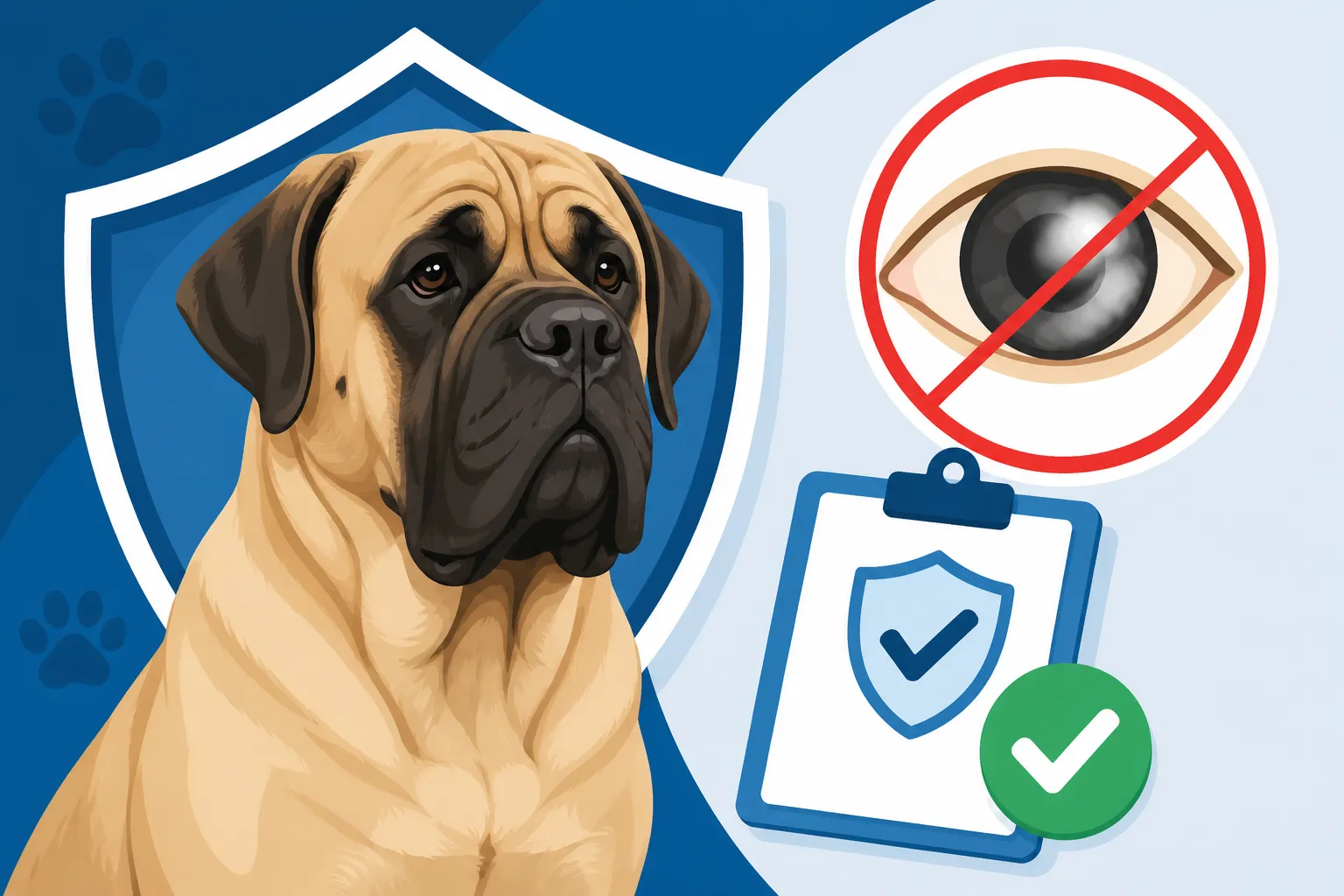
Whether a Mastiff Contract Covers Blindness
Bringing a Mastiff puppy into your home is an immense joy, filled with dreams of a loyal, gentle giant by your side for years to come. But alongside that excitement, there’s often a quiet anxiety that niggles at the back of your mind: what if something goes wrong with their health? Specifically, when it comes to vision, many hopeful Mastiff owners wonder if the extensive breeder contract they sign offers protection against a devastating condition like blindness. It's a valid concern, and understanding the specifics of these agreements is crucial for peace of mind and preparedness, especially with a breed as prone to certain eye conditions as our beloved Mastiffs.
Understanding Breeder Contracts and Health Guarantees for Your Mastiff
When you bring home a Mastiff puppy from a reputable breeder, you'll almost always be presented with a contract. This isn't just a formality; it's a legally binding document that outlines the responsibilities of both the breeder and the buyer. These contracts are designed to protect everyone involved, but especially the puppy, by ensuring its well-being and establishing what recourse you might have if certain health issues arise. It's a lot to take in, often amidst the excitement of a new puppy, so truly understanding every clause is paramount.
The Standard Language You'll Often See
Most breeder contracts include some form of a health guarantee. This typically covers congenital or hereditary conditions for a specified period, often the first one to two years of the dog's life. You might see guarantees for hip and elbow dysplasia, cardiac issues, or specific genetic diseases that are known to affect Mastiffs. The wording can vary wildly, from vague statements to highly detailed lists of covered conditions. Sometimes, it explicitly states that the puppy is guaranteed against "life-altering genetic conditions," which sounds comprehensive, but the interpretation of "life-altering" can be subjective and lead to disputes.
What often happens is that the guarantee will require you, the buyer, to maintain the puppy's health in a specific way—regular vet check-ups, appropriate nutrition, and avoiding over-exercise, especially during their critical growth phases. If you don't adhere to these terms, the guarantee could be voided. It’s not uncommon for a contract to stipulate that if a covered condition arises, the breeder might offer a replacement puppy (often from a future litter) or a partial refund, rather than covering veterinary expenses. This is a critical point to clarify before you sign: will they pay for treatment, or simply replace the dog? Many contracts also include a spay/neuter clause by a certain age if the puppy is sold as a pet, and a clause about what happens if you can no longer keep the dog, usually requiring you to return them to the breeder.
Why Specific Conditions Might Be Excluded
It’s easy to assume that a health guarantee covers everything, but that’s rarely the case. Many contracts have exclusions, either explicitly stated or implicitly by only listing what is covered. Conditions that are common in the breed but might be considered developmental rather than strictly genetic, or conditions that are multifactorial (influenced by both genetics and environment), might not be covered. For instance, while a serious genetic eye condition like Progressive Retinal Atrophy (PRA) should ideally be covered if the parents were not properly tested, other eye issues that might lead to vision impairment, such as entropion or ectropion, might be considered surgically correctable and thus not fall under a "life-altering" clause in some breeders' views.
The breeder might also differentiate between conditions that are present at the time of sale versus those that develop later. For eye conditions leading to blindness, this can be tricky. Some forms of PRA, for example, might not manifest until a Mastiff is several years old. If the guarantee period is only one or two years, a condition that appears later would fall outside the contract's scope, even if it has a clear genetic basis. This is where the specific wording and the length of the guarantee become incredibly important. It's not about trying to "get something" from a breeder, but rather about understanding the commitment they are making to the health of their lines and, by extension, to your new family member. This is why discussing eye health specifically, and asking about conditions like The Age a Mastiff's Vision Starts to Go, is so important before you commit.
Navigating the Nuances of Blindness-Related Conditions in Mastiffs
Blindness in Mastiffs can be caused by various factors, from inherited genetic diseases to injuries or age-related degeneration. When you're looking at a breeder contract, it's essential to understand which types of blindness might be considered hereditary and therefore potentially covered, and which might fall into other categories. It's a complex area, and one that often causes a great deal of heartache for owners.
Progressive Retinal Atrophy PRA and its Genetic Roots
Progressive Retinal Atrophy (PRA) is a significant concern for many breeds, including the Mastiff. It's a group of genetic diseases that cause the retina to degenerate over time, eventually leading to blindness. In Mastiffs, a specific form of PRA called Mastiff PRA is known, and it's an autosomal dominant condition. This means a Mastiff only needs one copy of the defective gene to be affected and develop the disease. This is a critical piece of information because it directly impacts inheritance patterns and the likelihood of a puppy being affected if one parent is a carrier or affected. You can learn more about Why Mastiff Retinal Atrophy Needs Only One Copy of the Gene.
If a Mastiff's PRA is confirmed through genetic testing, and the parents were not tested or found to be carriers, this is often the clearest-cut case for a health guarantee to potentially cover the condition. However, the contract usually specifies when and how such a diagnosis must be made (e.g., by a board-certified veterinary ophthalmologist) and often requires proof of the genetic cause. If a breeder has properly tested their breeding stock and can show clear results, their contract might explicitly exclude conditions if appropriate genetic screening was performed and cleared. This underlines the value of seeking out breeders who perform The DNA Test That Finds Mastiff PRA.
Other Eye Conditions That Can Lead to Vision Loss
Beyond PRA, Mastiffs are unfortunately prone to several other eye conditions that can lead to partial or complete vision loss. These include:
- Entropion and Ectropion: These are eyelid abnormalities where the eyelid rolls inward (entropion) or outward (ectropion). While not directly causing blindness, severe cases can lead to chronic irritation, corneal ulcers, and scarring, which can impair vision over time. These are often considered surgically correctable and might not be covered under a general "blindness" clause unless the contract is specifically written to include them. For more on this, see Entropion and Ectropion in a Mastiff.
- Cataracts: This is a clouding of the lens of the eye, which can vary in severity. While some cataracts are inherited, others can be age-related, secondary to other diseases (like diabetes), or caused by trauma. A breeder's guarantee might only cover congenital cataracts, if any.
- Canine Multifocal Retinopathy (CMR1): Another genetic retinal disease, though different from PRA. This condition causes multiple areas of retinal detachment and lesions. While it can cause significant vision impairment, it rarely leads to complete blindness. A specific DNA test exists for CMR1. Understanding What Canine Multifocal Retinopathy Does to a Mastiff is important for potential owners.
When discussing eye health with a breeder, it’s not enough to ask generally about "blindness." You need to inquire about specific conditions prevalent in Mastiffs and confirm that both parents have current eye certifications from a veterinary ophthalmologist, often part of the Orthopedic Foundation for Animals (OFA) Eye Certification Registry.
The Importance of Independent Veterinary Eye Exams
Even with a comprehensive breeder contract, an independent veterinary eye exam for your Mastiff puppy shortly after purchase is a non-negotiable step. Many contracts require this initial vet check within a few days of bringing the puppy home. This allows a neutral third party to assess the puppy's health, including their eyes, and document any existing conditions. If there's an issue found during this initial exam, it immediately triggers the health guarantee process.
Beyond that initial check, regular eye exams are vital throughout your Mastiff's life. Some conditions, like PRA, might not show up until later. Having a history of regular professional evaluations can be crucial if a problem arises years down the line. It's a proactive measure that gives you peace of mind and provides documented evidence should you ever need to revisit a health guarantee. Consider asking your vet Whether a Mastiff Needs a Yearly Eye Exam.
What to Do If Your Mastiff Develops Blindness and Your Contract Doesn't Cover It
Discovering your Mastiff is losing its sight is devastating, a truly heartbreaking experience for any owner. When this happens, and you realize your breeder contract either doesn't cover the specific condition or the guarantee period has expired, it can feel like a double blow. But remember, your giant companion still needs you, and there are steps you can take and resources available to help you both.
Reviewing Your Options and Communicating with Your Breeder
First, carefully re-read your entire contract. Look for any clauses, no matter how small, that might relate to genetic health issues, congenital defects, or general "life-altering" conditions, even if blindness isn't specifically named. Understand the process the contract outlines for making a claim: what documentation is required, what timelines you must adhere to, and who pays for veterinary confirmation.
Even if the contract doesn't explicitly cover the situation, a reputable and ethical breeder might still want to know. Many breeders are genuinely invested in the health of their lines and the well-being of the dogs they produce. They might offer support, advice, or even some financial assistance out of good faith, especially if the condition is clearly genetic and impacts their breeding program. Approach the conversation calmly and with documentation from your vet. It's about collaboration, not confrontation, initially. Some breeders might not be able to offer financial compensation, but they might be able to provide invaluable guidance on managing the condition, given their deep breed knowledge.
Exploring Financial Assistance and Support Resources
Veterinary care for a Mastiff, especially for complex conditions like those leading to blindness, can be incredibly expensive. If your breeder contract doesn't cover the costs, exploring financial assistance options becomes critical. Pet insurance can be a lifesaver here, provided you enrolled your Mastiff before the condition developed, as pre-existing conditions are typically excluded. Providers like Healthy Paws often have comprehensive plans that can cover a significant portion of diagnostic tests, treatments, and ongoing care for unexpected illnesses or accidents.
Beyond insurance, there are various organizations dedicated to helping pet owners with vet bills. Breed-specific rescues or clubs (like the Mastiff Club of America) sometimes have benevolent funds. There are also national charitable organizations that provide grants for pet owners facing financial hardship due to veterinary costs. Don't be afraid to ask your veterinarian for recommendations; they often know about local resources or payment plans that can ease the burden. And remember, companies like Chewy offer auto-ship services and loyalty programs that can help manage the cost of specialized diets or medications, freeing up funds for other care.
Adapting Your Home for a Visually Impaired Mastiff
Whether your Mastiff's blindness is sudden or gradual, adapting your home environment is crucial for their safety and quality of life. Mastiffs are creatures of habit and remarkably adaptable, but they rely heavily on their sense of smell and their familiar surroundings. Keep furniture arrangements consistent. Moving things around can disorient them and lead to bumps and bruises. Block off stairs or dangerous areas with baby gates, and consider using textured mats or runners to mark pathways to important areas like their food, water, or the door to the yard. You can find many options for durable, non-slip runners and beds on sites like Chewy.
Consider adding scent markers or different textures to help them navigate. For example, a specific scent near their water bowl or a different rug at the bottom of the stairs. Invest in dog-friendly gates and soft, protective padding for sharp furniture corners. Your Mastiff will still enjoy walks, but perhaps on a shorter, more predictable route, and always on a leash. Talk to your vet about specialized diets if the blindness is linked to an underlying health issue; a company like Ollie might even be able to tailor fresh meals that support overall health, which can be particularly beneficial for an older or ailing Mastiff. Your giant friend might also benefit from toys that make noise or are scented to engage their other senses. The key is patience, consistency, and creating a safe, predictable world for them. Whether a Blind Mastiff Copes at Home is a common question, and with your help, they absolutely can.
Choosing a Reputable Breeder and the Power of Proactive Health Testing
The best defense against a devastating health issue like blindness is to start with a Mastiff from a reputable breeder who prioritizes health testing. A good contract is important, but a good breeder's commitment to health goes far beyond the written word. This proactive approach significantly reduces the likelihood of encountering severe genetic health problems down the line, offering a much stronger "guarantee" than any legal document can provide.
Beyond the Contract: The Ethical Breeder's Commitment
An ethical breeder views their breeding program as a responsibility to the breed's future and to the families who welcome their puppies. They won't just sign a contract and be done with you; they'll be a resource for the lifetime of your dog. They are transparent about the health history of their breeding stock, openly discussing any known issues in their lines and providing verifiable documentation of health clearances. They are not simply selling a puppy; they are placing a family member and will want to ensure it thrives.
This means they typically health-test their breeding dogs for all relevant conditions for Mastiffs, not just the bare minimum. They'll also be upfront about the limitations of any health guarantee, explaining what is covered and, more importantly, what isn't, so there are no surprises. They will never pressure you into buying, and they'll ask you just as many questions as you ask them, ensuring their puppies go to suitable homes.
The CHIC Program and Essential Eye Clearances
The Canine Health Information Center (CHIC) program is a centralized database that stores health screening results for individual animals from participating parent clubs. For Mastiffs, this includes a recommended set of health tests. A responsible breeder will ensure their breeding dogs have CHIC numbers, meaning they have undergone and passed all the recommended health screenings. For Mastiffs, this specifically includes eye examinations.
A CHIC number means the parents have been screened for hips, elbows, heart, and eyes. Regarding eyes, this typically means an annual examination by a board-certified veterinary ophthalmologist to screen for hereditary eye diseases. This is different from a simple vet check; it's a specialized exam to detect issues like PRA, cataracts, or other conditions that might lead to vision problems. You can verify a dog's CHIC status and view their individual test results online, providing transparency and peace of mind. For a full understanding, you should review The Four CHIC Tests a Mastiff Breeder Must Clear.
Why a DNA Test Is a Better Guarantee Than a Clause
While breeder contracts offer a legal framework, DNA testing provides a scientific, proactive "guarantee" against certain genetic conditions. For Mastiff PRA, a specific DNA test can identify if a dog is clear, a carrier, or affected. A truly responsible breeder will test their breeding stock for this and other relevant genetic diseases. By only breeding clear-to-clear or clear-to-carrier dogs (with careful consideration for dominant conditions like Mastiff PRA), they can virtually eliminate the risk of producing affected puppies for that specific disease.
If you purchase a Mastiff puppy whose parents have been DNA tested and are clear of the known genetic markers for conditions like PRA and CMR1, you have a much higher level of assurance regarding those specific health issues than any contract clause could ever provide. Always ask to see the actual DNA test results for both parents, not just a verbal confirmation. A good breeder will be proud to share them. This proactive genetic screening is the gold standard for preventing preventable inherited diseases and is a far more robust assurance against blindness than trying to navigate contract disputes after the fact.
| Condition | Primary Cause | Typical Coverage in Contracts (General) | Key Proactive Step for Breeder |
|---|---|---|---|
| Progressive Retinal Atrophy (PRA) – Mastiff Type | Genetic (Autosomal Dominant) | High likelihood if parents not tested; often explicitly covered for life-altering conditions. | DNA Test for PRA-Mastiff, CERF/OFA Eye Exam |
| Canine Multifocal Retinopathy (CMR1) | Genetic (Autosomal Recessive) | Possible, especially if specific genetic conditions are listed. | DNA Test for CMR1 |
| Entropion/Ectropion | Genetic/Developmental | Less likely to be covered unless severe and congenital; often seen as surgically correctable. | CERF/OFA Eye Exam |
| Cataracts (Congenital) | Genetic | Varies; more likely if present at purchase or early onset. | CERF/OFA Eye Exam |
| Glaucoma | Inherited/Secondary | Less common coverage unless clearly primary inherited form. | CERF/OFA Eye Exam (though challenging to predict) |
Disclaimer
This article is for general informational purposes only and does not constitute professional advice. Laws, prices and regulations vary by location and change over time. Consult a qualified professional for guidance on your specific situation.