The Age a Mastiff Puppy’s Elbows Are First Filmed
Bringing a Mastiff puppy home is an exciting time, but the joy often comes with a looming worry: the potential for devastating joint issues like elbow dysplasia. Many prospective owners and even some newer breeders struggle to understand when and why a Mastiff puppy's elbows might be X-rayed for the first time, and what those early films actually mean. This guide will meticulously break down the timelines, purposes, and implications of elbow screenings, helping you navigate this critical aspect of Mastiff health.
Understanding Early Elbow Screening in Mastiff Puppies
The question of when a Mastiff puppy's elbows are first filmed is nuanced, as it often depends on the purpose of the X-ray. Are we talking about preliminary screenings done by a breeder, or the official certification that contributes to health clearances? Both are important, but they serve different roles and are performed at different stages of a Mastiff's development.
The Rationale Behind Early X-rays
Some breeders choose to have preliminary X-rays done on their Mastiff puppies much earlier than the official certification age. This is often driven by a desire for an early indication of potential issues, especially if a puppy is destined for a breeding program, or if there's concern about a specific litter. These early screenings can sometimes happen as young as 4 to 6 months of age, or around 12 to 18 months. The goal isn't to get a final, definitive clearance, but rather to get a snapshot of the joint development. For a massive breed like the Mastiff, where skeletal development is so critical and rapid, any early warning sign can be valuable for making informed decisions about a puppy's future activities or placement. For instance, if preliminary films at 6 months show severe incongruity or early signs of osteochondritis dissecans (OCD) in the elbow, a breeder might decide to alter a puppy's exercise regimen, consider early surgical intervention, or place the puppy in a pet home with full disclosure. It's a proactive measure, albeit one with limitations, that allows breeders to potentially identify problems before they become severe and irreversible.
Standard Official Certification Timelines
When we talk about official elbow certification for breeding purposes, the widely recognized standard in North America is set by the Orthopedic Foundation for Animals (OFA). The OFA requires dogs to be at least 24 months (two years) of age before their X-rays can be submitted for a final, permanent clearance. This age requirement is critical because a Mastiff's skeletal system, particularly its elbows and hips, is still maturing and undergoing significant changes before this point. Premature growth plate closure, ossification of various joint structures, and the immense weight gain a Mastiff experiences in its first two years all influence the final structure and health of the joints. To learn more about this process, you can read about The Age a Mastiff Is Certified by OFA. While OFA does offer "preliminary evaluations" for dogs younger than 24 months, these are considered unofficial and are not binding. A dog that receives a "good" preliminary rating at 12 months could still receive a "dysplastic" rating at 24 months, and vice-versa, though typically significant improvements are less common than stability or worsening.
The Limitations and Interpretation of Young Puppy Films
It's vital to understand that X-rays taken on a Mastiff puppy before the age of 24 months are not definitive. A puppy's bones are still soft, growth plates are open, and the joint structures are not fully formed or calcified. This means that an X-ray might not fully reveal the extent of potential problems, or it might show things that look concerning but resolve as the puppy matures. For example, slight laxity or minor incongruity might improve with proper management, or it could worsen. Conversely, a seemingly clear elbow at 12 months could develop signs of dysplasia later on. This is why the OFA mandates the 24-month age for final certification.
Additionally, the interpretation of these early films requires an experienced veterinarian who understands the unique developmental stages of giant breeds. What might look like a minor anomaly in a smaller, faster-maturing breed could have different implications for a Mastiff. Breeders using early screening results for decision-making need to approach them with caution, using them as indicators for further monitoring rather than as final verdicts. Relying solely on these early films to guarantee future soundness would be a misstep, as the growth and immense physical changes a Mastiff undergoes are unparalleled.
The Impact of Elbow Dysplasia on Mastiffs
Elbow dysplasia (ED) is a complex inherited condition involving multiple developmental abnormalities of the elbow joint. It's not a single disease but a syndrome encompassing several specific conditions, all leading to malformation and degeneration of the elbow. For a breed as large and heavy as the Mastiff, ED can have profound and debilitating consequences, severely impacting their quality of life.
What is Elbow Dysplasia and Why It Matters
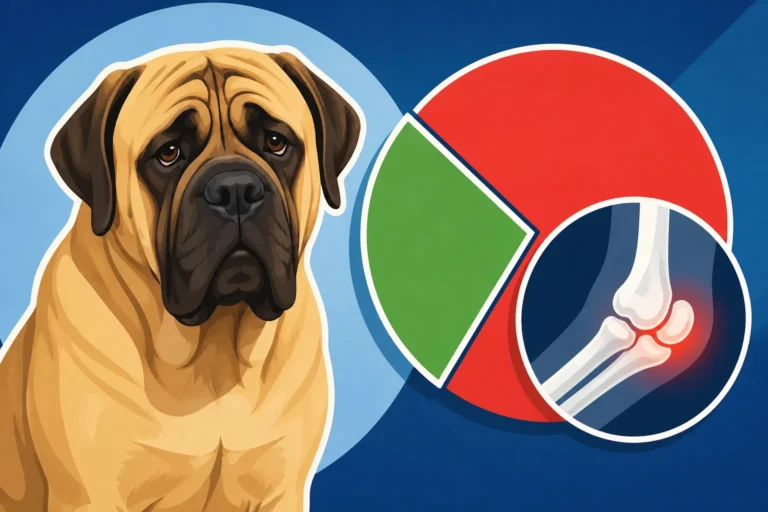
Elbow dysplasia refers to a collection of abnormalities that occur during the growth phase of the elbow joint. These can include fragmented coronoid process (FCP), ununited anconeal process (UAP), osteochondritis dissecans (OCD) of the humeral condyle, and elbow incongruity. All these conditions lead to abnormal development of the joint, causing pain, inflammation, and ultimately, degenerative joint disease or arthritis. In a Mastiff, which can easily weigh over 200 pounds, even minor malformations put immense stress on the joint cartilage and bone, accelerating wear and tear. Imagine carrying a small car on your elbow joints; that's the kind of pressure a Mastiff's elbows endure daily.
The consequence for an affected Mastiff can range from a subtle lameness or stiffness, particularly after rest or exercise, to severe, chronic pain that dramatically reduces mobility. Dogs might struggle to get up, hesitate to jump into a car (even with a ramp!), or simply appear unwilling to move. This not only causes immense suffering for the dog but also significantly impacts the owner, who must manage a large, potentially painful animal. This issue is far from rare; tragically, Elbow Dysplasia Affects One Mastiff in Seven, highlighting the critical importance of responsible breeding and careful management.
Genetic and Environmental Factors in Mastiff Elbow Health
While elbow dysplasia is largely considered an inherited condition, its expression can be influenced by environmental factors. Genetic predisposition is a primary driver, meaning puppies from parents with good elbow health are statistically less likely to develop ED themselves. This is why reputable breeders prioritize health testing and only breed dogs with OFA clearances. However, genetics aren't the whole story. The rapid growth rate and immense size of a Mastiff puppy make it particularly susceptible to environmental influences.
Diet plays a crucial role in managing this rapid growth. Overfeeding, especially with diets too high in calcium or protein, can accelerate growth to an unhealthy degree, stressing developing joints. It's often debated What Excess Calcium Does to a Mastiff's Elbows, but generally, moderation is key. Likewise, excessive or inappropriate exercise can be detrimental. Activities like jumping, running on hard surfaces, or long walks when the puppy is very young can put undue strain on immature growth plates and joints. This is why it's commonly advised that Why a Mastiff Puppy Must Not Be Exercised Hard. Proper nutrition, controlled exercise, and maintaining a lean body condition, especially during the critical growth phases, are paramount in mitigating the environmental components that can exacerbate a genetic predisposition to ED.
Navigating Elbow Health with Your Mastiff Breeder and Vet
As a Mastiff owner, or someone considering becoming one, understanding and proactively managing elbow health is paramount. This involves working closely with a responsible breeder and your veterinarian to ensure the best possible start and ongoing care for your giant companion.
Questions to Ask Your Breeder About Elbow Health
When choosing a Mastiff puppy, the breeder is your first and most crucial resource regarding health. Don't be shy about asking direct and detailed questions about the elbow health of the puppy's parents, grandparents, and any previous litters. A responsible breeder will be transparent and eager to share this information. Here are key questions to ask:
- "Can I see the OFA elbow certifications for both parent dogs?" They should readily provide OFA numbers or links to the public database where you can verify the "Normal" ratings. This is non-negotiable. Remember, the official certification happens at 24 months, so ensure you're seeing adult clearances.
- "Have any puppies from previous litters from these parents developed elbow dysplasia?" Even with clear parents, some risk exists. An honest breeder will discuss any known issues in their lines.
- "At what age do you perform any preliminary elbow screenings, if any, and what are the results?" Some breeders might do X-rays around 12-18 months. While not official, it shows their commitment to early monitoring. Be sure to understand that these are preliminary and not official clearances.
- "What steps do you take to promote healthy joint development in your puppies (diet, exercise protocol)?" This question helps you understand their philosophy and how they manage the critical growth phase. Look for answers that emphasize slow, controlled growth and appropriate, not excessive, exercise.
- "What is your health guarantee regarding elbow dysplasia, and what are the terms?" A solid health guarantee from a reputable breeder often covers genetic conditions like ED for a specified period, typically up to 24 months. For a comprehensive overview of what health tests a breeder must clear, see The CHIC Four Tests a Mastiff Breeder Must Clear.
A breeder who offers clear, verifiable answers to these questions and whose dogs have strong health clearances, perhaps even earning a CHIC number from the OFA, demonstrates a commitment to the breed's health. The cost of these certifications, such as What OFA Hip and Elbow Certification Costs a Mastiff Breeder, is an investment well worth it for the long-term health of the puppies.
Ongoing Care and Monitoring for Your Growing Mastiff
Once your Mastiff puppy comes home, your role in safeguarding its elbow health begins. Even with excellent genetics, environmental factors can still play a significant role. Here's how to provide the best ongoing care:
- Managed Exercise: Avoid high-impact activities, forced exercise, or prolonged strenuous play, especially during the first 18-24 months. Short, frequent walks on soft surfaces are preferable to long, intense sessions. Allow for free play in a safe, enclosed yard, but don't encourage jumping or hard landings. Be aware of The Shifting Lameness of a Growing Mastiff as subtle signs can indicate underlying issues.
- Optimal Nutrition: Feed a high-quality, large-breed puppy food formulated for slow growth. Avoid overfeeding to prevent excessive weight gain, which puts undue stress on developing joints. Your vet can guide you on the ideal feeding plan and growth rate. It’s important to understand Why a Mastiff Puppy Must Grow Slowly.
- Weight Management: Keeping your Mastiff lean throughout its life, especially during its formative years, is crucial. Excess weight is a significant contributor to joint issues, exacerbating any underlying genetic predisposition. Regularly check your dog’s body condition score with your vet.
- Supportive Environment: Provide soft, orthopedic bedding to cushion joints. Ensure good traction on floors with rugs or runners, as slipping on bare floors can cause injury. Consider a ramp for getting into and out of vehicles to avoid jumping.
- Regular Veterinary Check-ups: Your veterinarian will monitor your Mastiff's growth and gait. If you notice any lameness, stiffness, or reluctance to move, seek veterinary attention immediately. Early diagnosis can lead to more effective management strategies.
- Pet Insurance: Given the propensity for Mastiffs to develop joint issues, investing in comprehensive pet insurance like Healthy Paws can be a lifesaver. Should your Mastiff unfortunately develop elbow dysplasia, the costs of diagnostics, pain management, and potential surgery can be substantial. For example, a surgery for elbow dysplasia can run into thousands of dollars per elbow. Having a plan from Healthy Paws can significantly ease the financial burden, allowing you to focus on your dog's recovery. Early diagnosis and intervention can sometimes prevent more severe arthritis later in life, and insurance helps make those decisions easier.
By being diligent and proactive, you can provide your Mastiff with the best chance for healthy, comfortable joints throughout its life.
The Role of Pet Insurance in Managing Joint Issues
Pet insurance, particularly for a giant breed prone to orthopedic conditions like the Mastiff, is not just a luxury; it’s often a necessity. The financial implications of a diagnosis like elbow dysplasia can be staggering, and without a safety net, owners might face agonizing decisions about their pet's care.
Consider the potential costs: initial veterinary visits, diagnostic X-rays, potential CT scans, ongoing pain medication, physical therapy, and even surgery (which can cost several thousand dollars per elbow). These bills can quickly add up to tens of thousands over a Mastiff's lifetime. This is where a robust pet insurance policy, such as those offered by Healthy Paws, comes into play. Policies like Healthy Paws typically cover accidents and illnesses, including genetic conditions like elbow dysplasia, as long as they are not pre-existing conditions. This means that if you enroll your Mastiff puppy early, before any signs of ED emerge, future treatment costs could be largely covered. For a breed where What Percentage of Mastiffs Fail OFA Elbows is a significant statistic, having that financial buffer allows owners to pursue the best possible treatments without compromising their family's budget. It ensures that your focus can remain squarely on your Mastiff's well-being, rather than on the ever-increasing vet bill.
| Factor | Preliminary Puppy X-rays (e.g., 6-18 months) | OFA Official Certification (24 months+) |
|---|---|---|
| Purpose | Early screening, breeder decision-making | Official health clearance for breeding |
| Age Performed | Often 6-18 months | Minimum 24 months |
| Acceptance for Breeding | Unofficial, not accepted for formal clearance | Required by responsible breeders |
| Reliability | Less reliable due to open growth plates | Most reliable, full skeletal maturity |
| Cost | Varies, usually lower than full OFA | Includes vet fees, OFA submission fees |
| Primary Beneficiary | Breeder for early assessment | Breed integrity, future owners |
Disclaimer
This article is for general informational purposes only and does not constitute professional advice. Laws, prices and regulations vary by location and change over time. Consult a qualified professional for guidance on your specific situation.