How Much Water a Cystinuric Mastiff Needs
Dealing with a Mastiff diagnosed with cystinuria can feel overwhelming, especially when you realize how critical something as simple as water intake becomes for their health. The thought of your gentle giant facing painful, potentially life-threatening bladder stones is a huge worry. This guide aims to demystify the crucial role of hydration in managing your cystinuric Mastiff, providing actionable advice on how much water they truly need and practical ways to encourage them to drink it.
Understanding Cystinuria and Your Mastiff's Unique Needs
Cystinuria in Mastiffs isn't just a minor inconvenience; it's a serious inherited metabolic disorder that significantly impacts your dog's urinary system. Specifically, it's often Type III cystinuria, which is common in Mastiffs and often becomes a concern once they reach maturity. This condition prevents the kidneys from properly reabsorbing certain amino acids, including cystine, back into the bloodstream. Instead, these amino acids are excreted in excessive amounts in the urine, where they can clump together and form crystals, which then develop into painful and dangerous stones. If you’re curious about the specifics, you can learn more about What Cystinuria Type III Does to a Mastiff.
Why Cystine Stones are Such a Threat
The primary danger of cystine stones is their ability to cause urinary blockages, particularly in male Mastiffs due to their narrower urethras. A blockage means your dog cannot urinate at all, which is an immediate, life-threatening emergency. Think about it: a bladder that can't empty quickly becomes overfull, leading to extreme discomfort, kidney damage, and rupture if not addressed quickly. This is why knowing The Hours a Blocked Male Mastiff Has is crucial; it’s not a situation where you can wait until morning. The frustration and fear of realizing your beloved Mastiff is in such distress are completely understandable, and it's a stark reminder of why prevention is so vital.
The Role of Water in Preventing Stone Formation
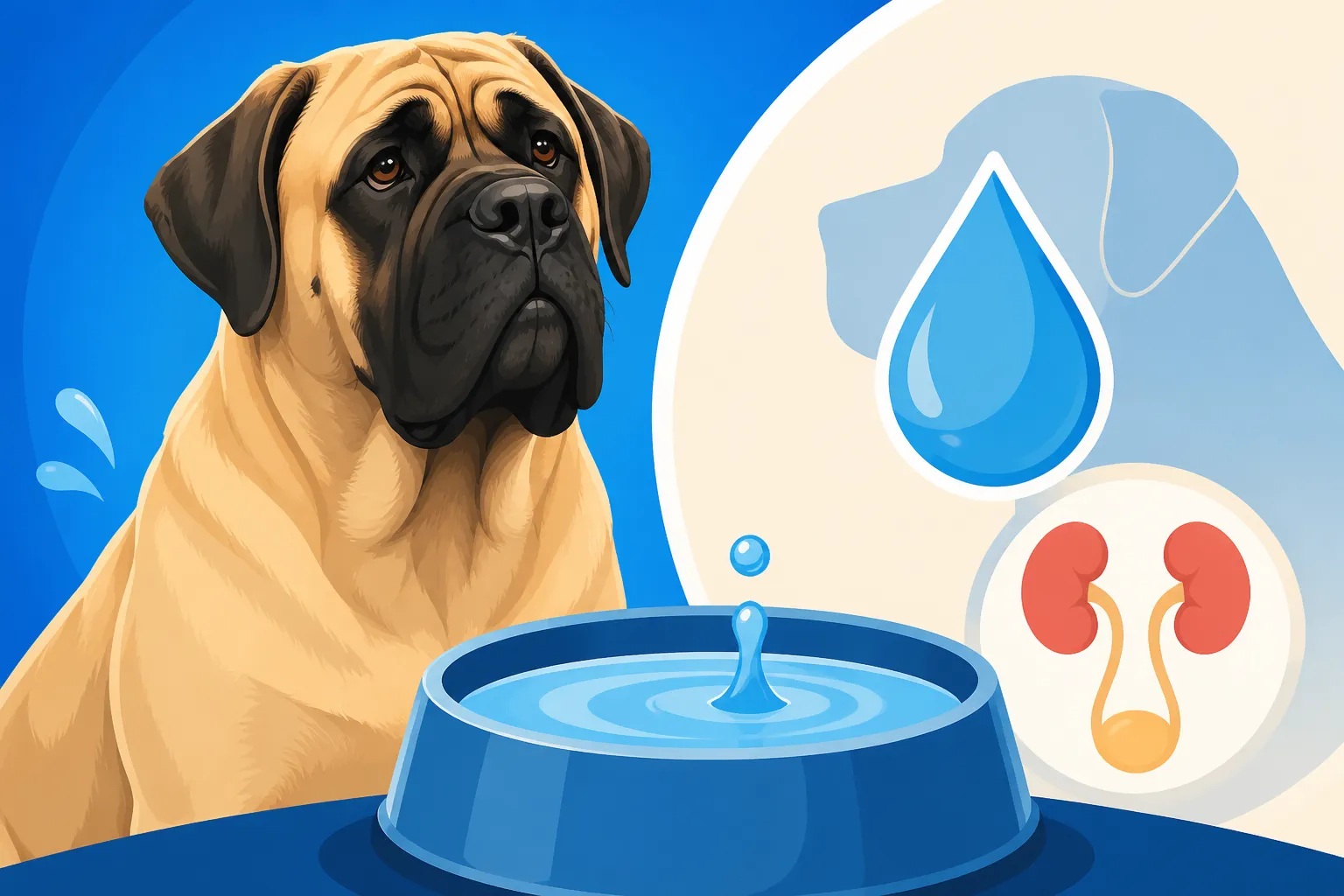
This is where water becomes the unsung hero in managing cystinuria. Cystine is soluble in very dilute, alkaline urine. When your Mastiff drinks plenty of water, it helps dilute the concentration of cystine in their urine. Imagine trying to dissolve a spoonful of salt in a tiny shot glass versus a large pitcher of water; the pitcher will dissolve it much more effectively. The same principle applies to cystine in urine. High water intake also means more frequent urination, which flushes out crystals before they have a chance to coalesce into larger stones. Without sufficient water, the urine becomes concentrated, creating a prime environment for cystine crystals to form and grow, escalating the risk of painful stones and blockages.
How Much Water a Cystinuric Mastiff Needs
The general recommendation for a healthy dog's water intake is roughly 0.5 to 1 ounce of water per pound of body weight per day. However, for a Mastiff managing cystinuria, this baseline isn't enough. Our goal isn't just adequate hydration; it's hyper-hydration to achieve maximum urine dilution. This often means aiming for the higher end of the normal range, and sometimes even beyond, especially if your Mastiff is on a diet designed to help with cystinuria.
Calculating Your Mastiff's Enhanced Water Target
Given that a Mastiff can easily weigh between 120 to 230 pounds, their baseline water needs are already substantial. For a cystinuric Mastiff, a good starting point is to aim for at least 1 ounce of water per pound of body weight daily, and often more, depending on environmental factors, activity levels, and dietary components. For a 150-pound Mastiff, that's a minimum of 150 ounces of water – nearly 2 gallons! For a 200-pound Mastiff, it’s 200 ounces, or about 2.5 gallons. This can feel like a daunting amount, but it’s a critical target to reduce stone formation.
It's not just about the volume; it's about consistency. Your Mastiff needs to maintain this high level of hydration throughout the entire day and night. This constant flushing action helps keep the urinary tract clear and minimizes the time cystine has to crystallize. Remember, this isn't a "one-and-done" task; it's a continuous effort to safeguard their health.
The Impact of Diet on Water Needs
The type of food your Mastiff eats significantly influences their hydration needs and urine chemistry. Dry kibble, by its nature, contains very little moisture, usually around 10%. If your Mastiff eats primarily dry food, they will need to drink a proportionally higher amount of water to compensate. Wet or canned food, on the other hand, can be up to 70-80% water, significantly contributing to their daily intake.
Many veterinarians and veterinary nutritionists recommend transitioning cystinuric Mastiffs to a specific prescription diet, such as Royal Canin Urinary SO or Hill's Prescription Diet c/d Multicare. These diets are formulated to not only reduce cystine precursors but also to promote increased water intake and create a urine pH that discourages stone formation. If you're wondering Why Neutering Changes a Cystinuric Mastiff's Diet, it's because the hormone changes impact stone formation. Even with these specialized foods, supplementing with extra water is still paramount.
Here’s a general guide for daily water intake, keeping in mind these are minimums for a cystinuric Mastiff:
| Mastiff Weight (lbs) | Minimum Daily Water (oz) | Equivalent (Gallons) | Notes |
|---|---|---|---|
| 120 | 120 | ~0.94 | Adjust for activity, temperature, and diet. |
| 150 | 150 | ~1.17 | Consider adding water to meals for easier intake. |
| 180 | 180 | ~1.41 | Monitor urine specific gravity closely. |
| 200 | 200 | ~1.56 | Free access to multiple water sources is essential. |
| 220 | 220 | ~1.72 | Consult your vet for personalized hydration goals. |
This table provides a tangible target, but always discuss precise recommendations with your veterinarian, who can tailor advice based on your Mastiff's specific health status and lifestyle.
Practical Strategies for Maximizing Water Intake
Encouraging a Mastiff, who might already be a bit of a reluctant drinker, to consume several gallons of water a day requires creativity and persistence. It’s not about force-feeding them water; it’s about making it irresistible and readily available. This can be one of the most frustrating aspects of managing cystinuria, but with a few tricks, you can turn your Mastiff into a hydration champion.
Strategic Water Bowl Placement and Type
First, think about accessibility. Don't just have one water bowl in the kitchen. Place multiple large, stable water bowls throughout your home – in every room your Mastiff frequently visits, and certainly near their bed or resting spots. Consider adding outdoor bowls if they spend time outside. Mastiffs need bowls that are large enough to hold ample water and heavy enough not to be easily tipped over. Ceramic or stainless steel bowls are generally preferred for hygiene and durability.
Furthermore, some Mastiffs prefer fresh, running water. A pet fountain, such as those from PetSafe or Drinkwell, can be a game-changer. The movement and filtration often entice dogs to drink more. Just be sure to get one with a large reservoir suitable for a Mastiff’s prodigious thirst and to clean it regularly to prevent bacterial buildup. Having these multiple, appealing options can significantly increase overall consumption, which is critical for their long-term health.
Enhancing Water Appeal with Food and Flavors
Simply offering plain water might not always cut it. One of the most effective ways to boost water intake is to add water directly to your Mastiff's meals. If you're feeding kibble, soaking it with warm water or low-sodium chicken broth for 15-30 minutes before serving can turn it into a much more hydrating meal. Aim to add enough liquid to create a soupy consistency. This method ensures they're getting a substantial amount of water with every meal, without even realizing they're "drinking."
You can also try flavoring their water. A small amount of low-sodium chicken or beef broth, a splash of tuna water (packed in spring water, not oil), or even specialized veterinary electrolyte solutions can make water much more appealing. Freeze some diluted broth into ice cubes for a tasty, hydrating treat, especially on warmer days. Just be mindful of caloric intake if adding significant amounts of broth. The goal here is to make hydration a rewarding and delicious experience, helping them meet those high daily quotas without a struggle.
Encouraging Frequent Drinking Throughout the Day
Beyond bowls and flavors, create opportunities for your Mastiff to drink frequently. Take them for shorter, more frequent bathroom breaks, as this often stimulates thirst. After any activity, no matter how brief, always offer water. Some owners even set timers to remind themselves to offer water every few hours.
Think about the environment too. In warmer weather, your Mastiff will naturally drink more, but their deep chests and bulk mean they can overheat quickly. Ensure they have access to cool, shaded areas and fresh, cool water at all times. If your Mastiff seems hesitant to drink cold water, some prefer room temperature, so experiment to see what works best for your individual dog. Remember that consistency and making water a positive, constant presence in their lives are key to preventing stone formation.
Monitoring Your Mastiff's Hydration and Health
It's not enough to simply provide water; you also need to actively monitor your Mastiff to ensure they are actually reaching their hydration targets and that their urinary system is functioning optimally. This vigilance is your best defense against recurring stone issues and can provide early warnings of potential problems. This is particularly important for conditions like Cystinuria Type III and the Intact Male Mastiff.
Observing Urine Output and Characteristics
The easiest way to gauge your Mastiff's hydration level is by observing their urine. You're looking for large volumes of very pale, almost clear urine. Dark yellow, concentrated urine is a clear sign that your Mastiff isn't drinking enough. They should be urinating frequently – more often than a non-cystinuric dog – because of the increased water intake. If you notice your Mastiff straining to urinate, passing only small amounts, or showing any signs of discomfort during urination, these are red flags that warrant immediate veterinary attention. Remember, Why a Blocked Mastiff Cannot Wait Until Morning is a critical piece of knowledge for any owner of a male Mastiff with cystinuria.
Regular Veterinary Check-ups and Urine Analysis
Scheduled veterinary visits are non-negotiable for a cystinuric Mastiff. Your vet will want to perform regular urinalysis, often including a urine specific gravity (USG) test. The USG measures how concentrated your Mastiff's urine is, giving a clear indication of their hydration level and the dilution of cystine. The goal is to keep the USG consistently low (e.g., below 1.020, but your vet will provide the target specific to your dog).
During these visits, your vet may also check for crystals in the urine and monitor your Mastiff's kidney function. Ultrasound examinations might be recommended periodically to check for the presence of stones in the bladder or kidneys before they become symptomatic. These proactive measures can help catch potential issues early, saving your Mastiff from pain and you from costly emergency procedures. Investing in good pet insurance from a provider like Healthy Paws can also help manage the financial burden of these frequent check-ups and potential treatments, ensuring your Mastiff gets the care they need without compromise.
Recognizing Signs of Dehydration and Urinary Issues
Even with the best intentions, things can go awry. Knowing the signs of dehydration and urinary distress is paramount. Signs of dehydration in a Mastiff include lethargy, sunken eyes, dry gums, and decreased skin elasticity (though this can be harder to assess on such a large dog). More critically, be on the lookout for signs of urinary discomfort or blockage: frequent attempts to urinate with little or no output, licking at the genital area excessively, vocalizing in pain, loss of appetite, vomiting, or a swollen, tender abdomen.
If you observe any of these symptoms, especially straining to urinate or inability to pass urine, consider it a medical emergency and contact your veterinarian immediately. Early intervention is key to a positive outcome in these critical situations. Managing a chronic condition like cystinuria can lead to significant veterinary bills over your Mastiff's lifetime, so exploring options like pet insurance from providers such as Healthy Paws might be a wise decision for many owners, providing crucial support when unexpected medical needs arise. Knowing how often to check your Mastiff's urine is also vital; you can read more about How Often an Intact Male Mastiff's Urine Is Checked.
Long-Term Management and Outlook
Managing cystinuria in your Mastiff is a marathon, not a sprint. It requires unwavering commitment to hydration, diet, and regular veterinary oversight. But with consistent effort and a proactive approach, many Mastiffs with cystinuria can live comfortable, happy lives. The frustrations are real, but so are the rewards of seeing your beloved companion thriving despite their condition.
The Role of Medication and Veterinary Oversight
Beyond hydration and diet, some Mastiffs with cystinuria may require medication to help prevent stone formation. Drugs like Thiola (tiopronin) work by chemically altering cystine to make it more soluble in urine, thus reducing its ability to form crystals. Your veterinarian will determine if medication is appropriate and will carefully monitor your Mastiff for any side effects. Remember, a combined approach—medication, specialized diet, and abundant hydration—is usually the most effective strategy. Getting information on Which Drug Dissolves a Mastiff's Cystine Stones can be very helpful in these discussions with your vet.
It’s crucial to understand that even with medication and dietary changes, maintaining high water intake is still the cornerstone of management. Think of it as a multi-pronged attack on cystine stones. Each component reinforces the others, providing the best possible defense for your Mastiff. Regular follow-ups with your vet are essential to adjust treatment plans as needed and to ensure your Mastiff's health remains on track. Unexpected issues can always arise, and having robust pet insurance, such as that offered by Healthy Paws, can certainly alleviate financial stress during challenging times.
Lifestyle Adjustments for a Healthy Cystinuric Mastiff
Beyond the medical aspects, consider practical lifestyle adjustments. Ensure your Mastiff has easy access to outdoor potty breaks to encourage frequent urination. Avoid situations that might lead to dehydration, such as prolonged exposure to heat or strenuous exercise without access to water. While Mastiffs aren't known for high-intensity activities, even a leisurely stroll on a warm day can necessitate more water.
Keep a travel water bowl and a bottle of water with you whenever you leave the house with your Mastiff. Make hydration a constant consideration in every aspect of their daily routine. The more proactive you are in incorporating water into their lives, the less likely you are to face the agony of a urinary blockage. It’s a commitment, but one that is absolutely worth it for the health and well-being of your gentle giant.
Disclaimer
This article is intended for informational purposes only and does not constitute veterinary advice. Always consult with a qualified veterinarian for any health concerns or before making any decisions about your Mastiff's care, diet, or treatment plan. Cystinuria is a serious condition requiring professional medical management.