The Silver Fawn Mastiff
A silver fawn Mastiff can look almost gray in one photograph and warm beige in another, leaving buyers unsure whether the color is real, recognized, or a sign of a different breed. This guide explains what “silver fawn” usually describes, how the shade relates to the Mastiff standard, why a puppy’s coat may change, and what to ask a breeder before choosing a dog.
What “silver fawn” means on a Mastiff
A description, not a separate official color
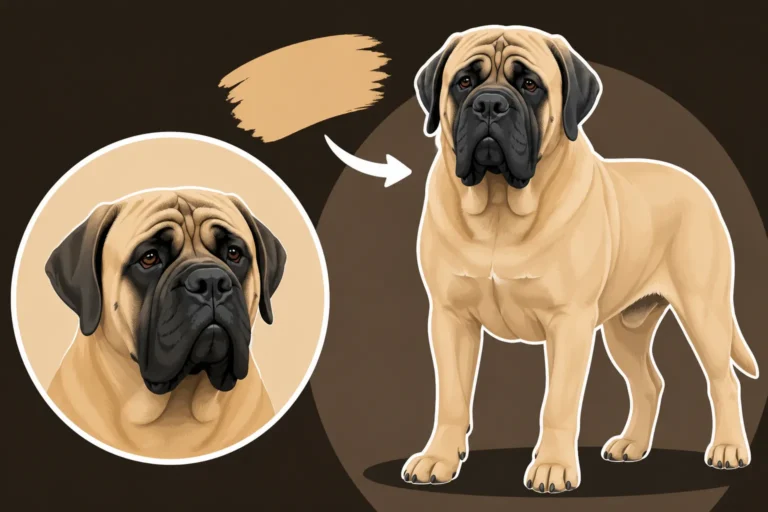
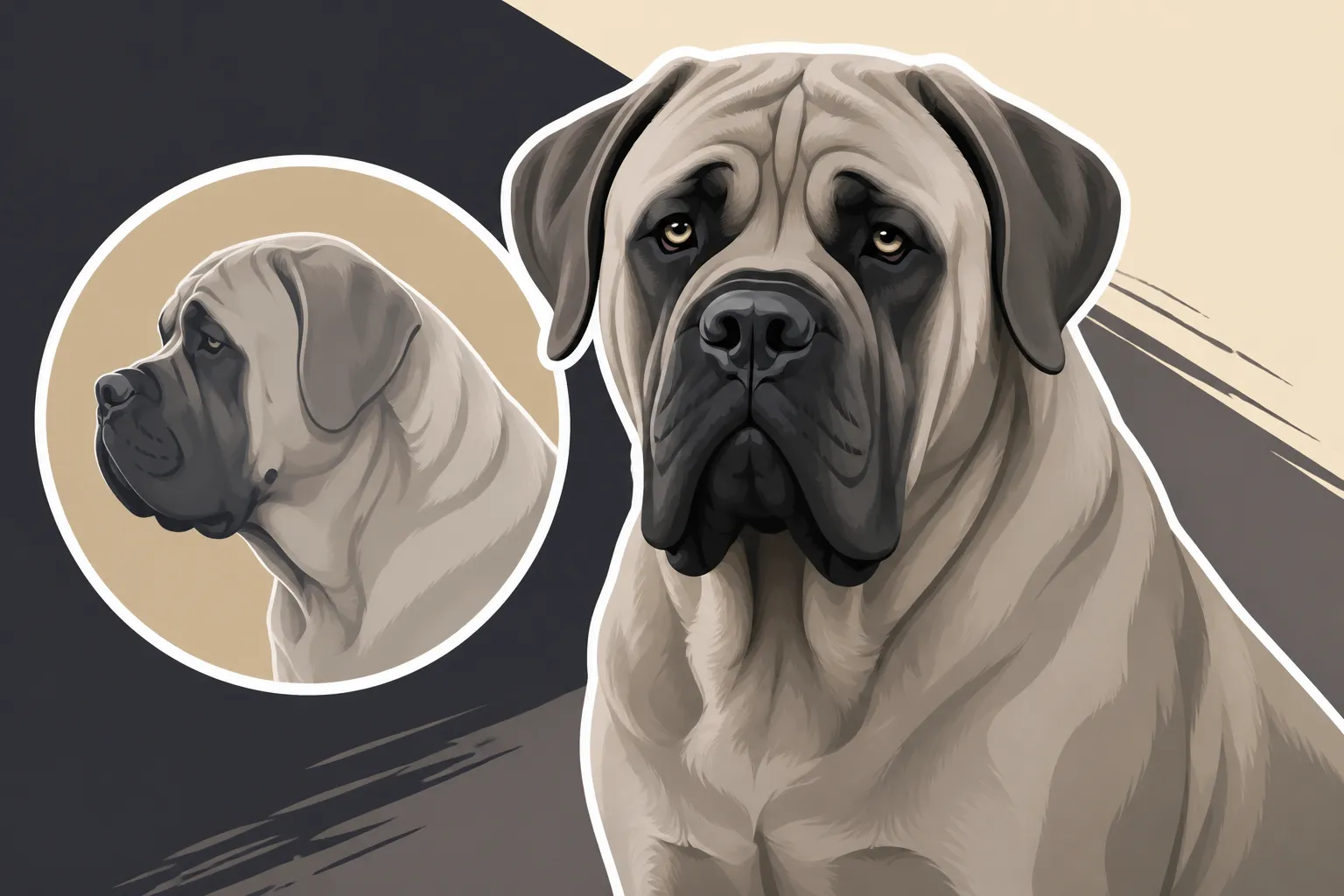
“Silver fawn” is generally a descriptive phrase for a pale, cool-toned fawn coat. Depending on the dog and the lighting, that coat may look silvery beige, light gray-brown, or a muted shade of tan. It does not usually mean the Mastiff has a completely different coat type or belongs to a separate variety of the breed.
The phrase is useful in everyday conversation, but it is not one of the principal color categories in the Mastiff breed standard. The standard describes fawn, apricot, and brindle coats, along with the characteristic dark mask. A breeder may use “silver fawn” to help people picture a particular shade within the broader fawn range. For a wider explanation, see Which Colors the Mastiff Standard Allows and The Colors a Mastiff Comes In.
That distinction matters if you are comparing puppies or reading an advertisement. A silver-toned fawn Mastiff may still fit within the standard’s fawn category, but the descriptive label alone does not tell you whether the dog meets the breed standard overall. Structure, health, temperament, and pedigree matter too.
How silver fawn differs from apricot and brindle
Fawn shades can vary, so the line between pale fawn and apricot may not look obvious in a casual photo. In general, apricot tends to appear warmer or more reddish, while a silver fawn description points toward a lighter, cooler cast. These are visual impressions, not a dependable test of a dog’s genetics.
Brindle is different because it describes a pattern: darker stripes appear over a lighter base coat. A fawn Mastiff can also have a dark mask, but that mask is not the same thing as brindling. If you want to compare the warmer shades, What Apricot Means on a Mastiff explains how that color is commonly described.
| Description | What it usually refers to | What to look for |
|---|---|---|
| Silver fawn | A pale or cool-toned fawn appearance | A light fawn base that may look gray-beige in some light |
| Apricot | A warmer fawn shade | A more golden, reddish, or orange-brown cast |
| Brindle | A coat pattern | Dark stripes over a lighter base color |
| Black mask | Dark coloring around the muzzle and face | A facial marking, not a separate body-coat color |
Color names are not always used consistently by breeders, photographers, or pet listings. If the exact shade matters to you, ask for recent photos taken in natural light and, if possible, meet the puppy and its parents in person.
How to tell whether the color is genuine
Check the dog in natural light
Indoor bulbs, phone cameras, and image editing can all shift a coat’s appearance. Warm lighting may make a pale fawn coat seem more apricot, while cool shade can make the same dog look gray. A photo taken in direct sunlight may also wash out the coat and hide its warmer tones.
Ask for several ordinary, unfiltered photos rather than relying on one carefully posed image. A picture in open shade, one outdoors on an overcast day, and one indoors near a window can give you a more realistic sense of the coat. If you are meeting the breeder, look at the dog in daylight and then again in a shaded area. The color may appear different without changing at all.
Pay attention to the whole dog rather than judging a small patch of coat. The face, shoulders, back, and legs may reflect light differently. A dark mask and ears can also make the body coat look lighter by comparison.
Consider age and coat changes
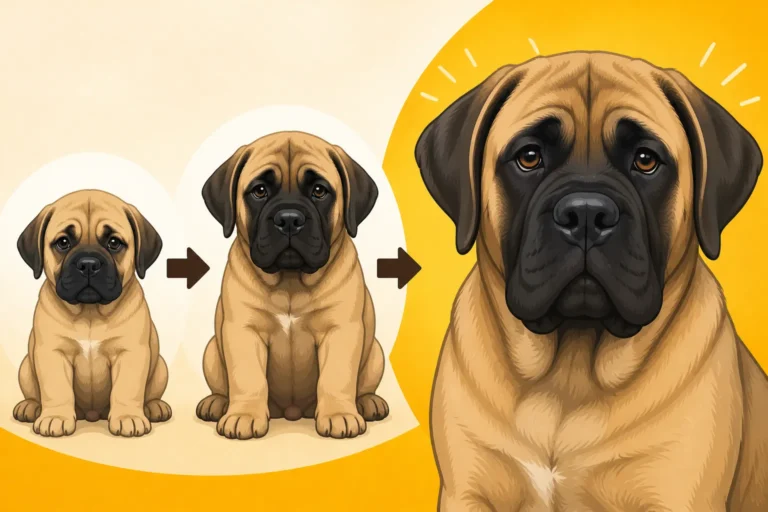
A puppy’s coat is not always a perfect preview of its adult color. As the puppy grows, the coat may become a little lighter, darker, warmer, or more even-looking. The facial mask can also change in appearance as the head develops. That is one reason adult dogs in a breeder’s home can be more informative than puppy photographs alone.
A breeder may be able to show photos of previous puppies at different ages, but those examples should be treated as context rather than a guarantee. Littermates can vary, and a puppy’s adult shade cannot always be predicted precisely from a few pictures. For more on these changes, read How a Mastiff's Color Changes With Age and How a Mastiff Puppy's Mask Changes.
A change in coat shade is different from a sudden change in skin or coat condition. Patchy hair loss, irritation, redness, scabs, or a coat that becomes dull alongside other signs of illness deserves a veterinarian’s attention. Normal color variation is gradual and does not, by itself, explain skin discomfort or poor health.
Breed standards, pedigree, and breeder claims
Ask what the label means in that litter
Because “silver fawn” is descriptive rather than a principal standard category, ask the breeder how they use the term. Do they mean a very pale fawn, a cool beige shade, or simply a light-colored puppy? A thoughtful breeder should be able to describe the parents’ colors clearly and explain what they expect without promising an exact adult shade.
It is also reasonable to ask for the registered names of the parents and information about health testing. Coat color should not distract from questions about responsible breeding, temperament, and the health of both parents. A striking label is not evidence of quality on its own.
If a seller presents “silver fawn” as a rare category that automatically makes a puppy more valuable, slow down and ask for specifics. The phrase does not replace pedigree documentation or health information. A puppy’s price or suitability as a companion should not be based solely on a color description.
Separate color from purity and quality
A pale or unusual-looking fawn coat does not, by itself, establish whether a dog is purebred. Pedigree records and the breeder’s documentation are more relevant to that question. Nor does color alone prove that a dog is healthy, well-bred, or a good match for your household.
The Mastiff’s dark mask is a familiar feature, but individual markings can vary in appearance. If you are comparing a dog’s facial coloring or wondering how markings fit into the breed, see Why a Mastiff Must Have a Black Mask and Whether a Mastiff Can Have White Markings. Those details are best considered alongside the full standard, not as a quick pass-or-fail test based on a photo.
A responsible breeder should welcome reasonable questions and give clear answers. Be cautious if you are pressured to send a deposit before receiving basic information, or if the seller makes sweeping promises about a puppy’s future color, health, or adult size.
Caring for a silver fawn Mastiff
The shade does not require special grooming
Silver fawn Mastiffs do not need a color-specific grooming routine. Their short coat still benefits from regular brushing to remove loose hair and keep the skin and coat in good condition. A rubber curry brush or another gentle brush suited to a short coat can be enough for many dogs. A basic grooming kit is available from various pet shops, including Chewy, but choose tools for comfort and suitability rather than for the coat’s shade.
Bathing should be based on the dog’s needs, not on whether the coat looks pale. Frequent unnecessary bathing can irritate some dogs’ skin. Use a shampoo made for dogs, rinse thoroughly, and ask your veterinarian for guidance if the Mastiff has persistent itching, flakes, odor, or recurring skin trouble.
A light-colored coat may make dirt more noticeable after a muddy walk, but that does not mean it needs special whitening products. Avoid harsh treatments or dyes intended to alter the coat’s appearance. If you are shopping for grooming supplies from a retailer such as Chewy, focus on gentle, dog-appropriate products and follow veterinary advice for any skin concern.
Plan for everyday Mastiff care, not coat color
The practical realities of living with a Mastiff are much more important than whether the coat reads as silver, beige, or apricot. Plan for a large dog who needs safe footing, comfortable resting space, consistent training, and veterinary care suited to a giant breed. A short coat is not a substitute for thoughtful care, and a particular shade does not predict temperament.
If you are choosing a puppy, spend time learning about the breed’s needs and meeting the dogs’ temperaments. Ask how the puppy has been raised, what social experiences it has had, and how the breeder supports families after placement. If you are ordering everyday supplies through Chewy or another retailer, check the product’s measurements and intended use against the dog’s size rather than assuming a standard-size item will fit.
Most of all, choose the individual dog rather than a color name. A silver fawn Mastiff may be beautiful, but a steady temperament, responsible breeding, and a home prepared for a giant companion will matter every day long after the first coat photographs are taken.
Disclaimer
This article is for general informational purposes only and does not constitute professional advice. Laws, prices and regulations vary by location and change over time. Consult a qualified professional for guidance on your specific situation.