What Apricot Means on a Mastiff
It's completely understandable to be captivated by the majestic presence of a Mastiff, and their coat colors are often the first thing that catches your eye. Among the permitted shades, "apricot" stands out, often conjuring images of warmth and richness. But what does "apricot" truly mean for a Mastiff, beyond just a pretty color? This guide will dive deep into the specific definition, genetic underpinnings, and living considerations for these magnificent, warm-hued giants, clearing up any confusion you might have.
Understanding the Mastiff Color Standard
When you look at a Mastiff, their sheer size and powerful build are undeniable, but the coat color plays a huge role in their overall appearance. The Mastiff breed standard is quite particular about colors, and "apricot" isn't just a casual descriptor; it refers to a specific range of acceptable hues.
What the Term "Apricot" Truly Means
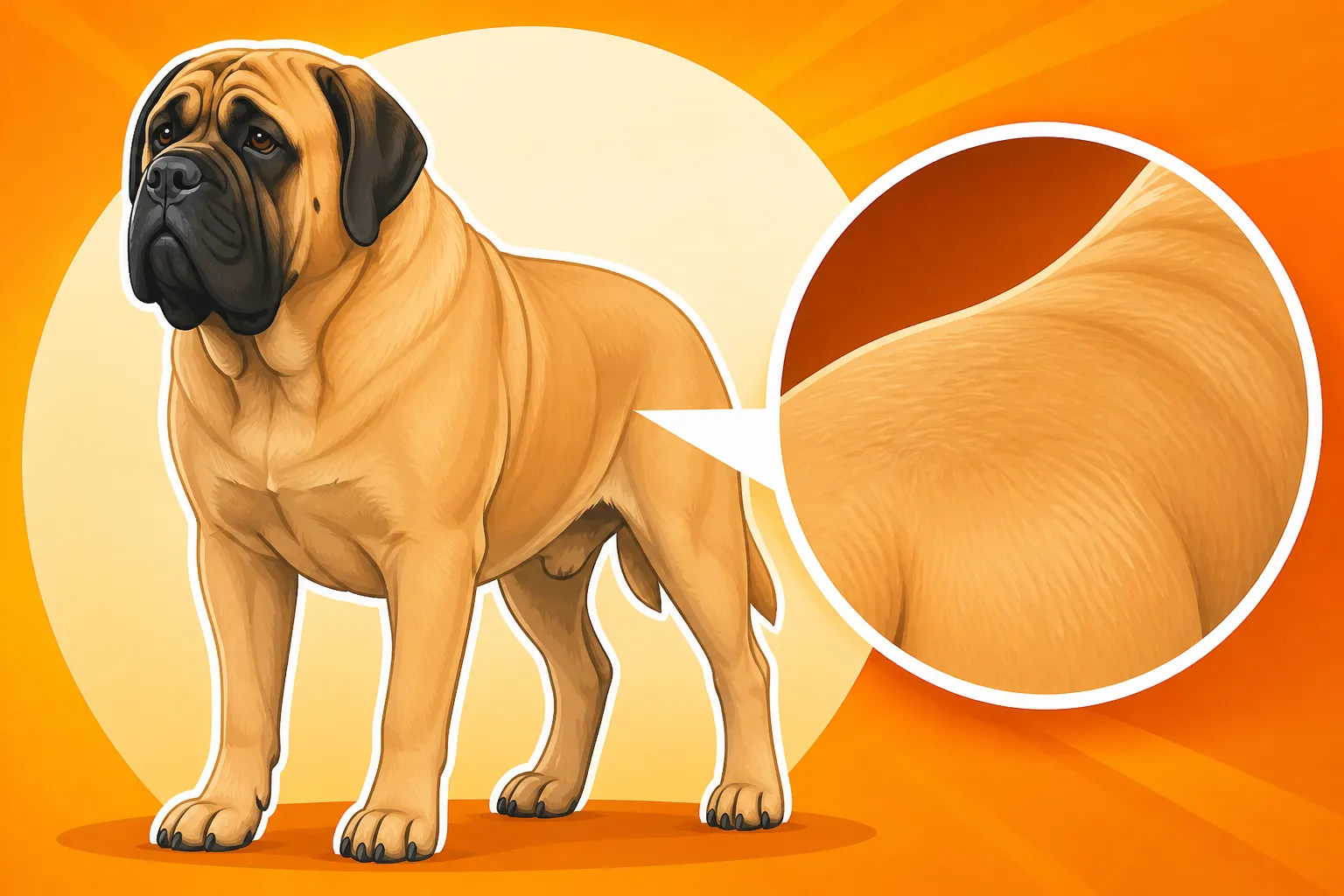
For a Mastiff, "apricot" isn't just a generic orange. It describes a deep, rich, reddish-gold or even a vibrant orange-gold shade that gives the dog a particularly striking appearance. Think of the warm, ripe color of an apricot fruit, perhaps leaning towards the deeper, more sun-kissed end of that spectrum. This color should be uniform across the dog's body, without patches of lighter or darker fur. It conveys a certain gravitas and warmth that is highly prized.
Sometimes, people might mistakenly call an apricot Mastiff "red," but while there's a reddish tint, true apricot is distinct. It carries a golden undertone that prevents it from being a stark, primary red. The depth of the apricot can vary from a lighter, golden apricot to a very deep, almost burnt orange apricot. The ideal is a clear, self-colored coat, meaning the hairs themselves are consistent in their pigmentation from root to tip, contributing to the overall rich appearance.
Apricot vs. Fawn: Key Distinctions
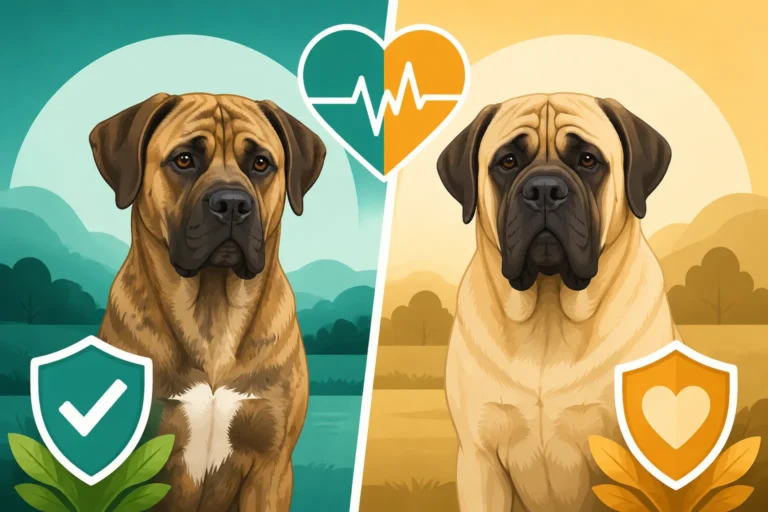
It's very easy to confuse apricot Mastiffs with fawn Mastiffs, as both are on the lighter end of the spectrum compared to brindle. However, there are clear distinctions that seasoned Mastiff enthusiasts and breeders can spot immediately.
Fawn is generally described as a lighter, paler shade—think of a tan, a light biscuit, or a sandy color. It lacks the intense reddish-gold depth of apricot. Imagine the difference between light toast (fawn) and a piece of ginger cake (apricot). While both are warm tones, the vibrancy and richness differ significantly. A fawn Mastiff will have a more subdued, creamy golden hue.
The distinction is crucial in the show ring, where judges are looking for adherence to the breed standard. While both fawn and apricot are acceptable, a dog presented as apricot should genuinely possess that deep, warm, reddish-gold tone, not just a darker fawn. Understanding this difference is also important if you're looking for a specific color in a puppy. A good breeder will be able to clearly differentiate between the two shades in their litter and explain the nuances. You might even find some fascinating discussions around What Fawn Looks Like on a Mastiff if you want to explore that specific color further.
The Role of the Black Mask and Pigment
Regardless of whether a Mastiff is apricot, fawn, or brindle, one feature is non-negotiable and intrinsically linked to the standard: the black mask. An apricot Mastiff, like all Mastiffs, must have a distinct, well-defined black mask on its muzzle, extending up around its eyes.
This mask isn't just an aesthetic preference; it's a critical part of the breed's identity and indicative of proper pigmentation. The mask should be jet black, as should the eye rims, nose, and lips. In an apricot Mastiff, this strong black pigment creates a striking contrast with the warm coat color, highlighting their noble and ancient expression. A weak or faded mask, or pink pigment on the nose or eye rims, is considered a fault in the breed standard and can indicate genetic issues with overall pigmentation. It's often said that the mask completes the Mastiff's face, giving it depth and intensity. You can read more about this crucial feature in Why a Mastiff Must Have a Black Mask.
The Genetics Behind Apricot Coloring
Understanding Mastiff colors goes beyond just what you see; it delves into the fascinating world of canine genetics. The apricot color, like all coat colors, is determined by specific genes inherited from both parents.
How Genes Determine Coat Color
Dog coat color is controlled by multiple gene loci, or specific locations on chromosomes. Each locus has different alleles (versions of a gene) that interact to produce the final coat color and pattern. For Mastiffs, the primary genes influencing their recognized colors (fawn, apricot, brindle) are mainly found on the A-locus (agouti series), E-locus (extension series), and K-locus (dominant black series).
It's a complex interplay. For example, the E-locus determines whether a dog can produce red/yellow pigment (phaeomelanin) or black pigment (eumelanin) in its coat. The A-locus then modifies how that pigment is distributed. Think of it like a set of instructions, where one gene might say "make red pigment," and another gene says "distribute it evenly over the body" or "make stripes." Breeders often use DNA tests to understand the genetic makeup of their dogs, especially when aiming for specific color outcomes or ensuring health clearances.
The "Ay" Gene and Apricot Expression
The apricot and fawn colors in Mastiffs are primarily controlled by the Agouti gene (A-locus), specifically the 'Ay' allele, which stands for dominant yellow or sable. Dogs with at least one 'Ay' allele will express a yellow, fawn, or apricot base coat. The intensity of this yellow/red pigment is then influenced by other polygenes (multiple genes working together) that aren't on a single, easily identifiable locus. These modifier genes are what create the spectrum from a pale fawn to a deep, rich apricot.
So, while the 'Ay' gene sets the stage for a non-black coat, it's the subtle variations in these other intensity genes that ultimately define whether a Mastiff is a light fawn or a vibrant apricot. Two apricot parents, or an apricot and a fawn parent, can produce puppies across the fawn-to-apricot spectrum, depending on the combination of these modifier genes they pass on. This is why even within the same litter, you might see slight variations in the depth of color.
Why a Black Mask is Genetically Linked
The striking black mask that characterizes all standard Mastiff colors is due to a separate gene on the E-locus, specifically the 'Em' allele. This allele causes black pigment to be produced on the muzzle and around the eyes, regardless of the underlying coat color. It's essentially a "masking" gene that overlays black pigment in those specific areas.
A Mastiff that is genetically apricot (carrying Ay) will still express this black mask if it also carries the 'Em' allele. This is why you never see a standard apricot Mastiff without a black mask; it's a genetically linked trait that is desired in the breed. If a Mastiff were to carry the 'e/e' alleles on the E-locus, it would be unable to produce black pigment anywhere on its body, including the mask, resulting in a red dog with a self-colored (e.g., liver or pinkish) nose, which is not standard for the Mastiff breed. The combination of the 'Ay' and 'Em' genes is what gives us the classic apricot Mastiff with its defined black facial features.
Living with an Apricot Mastiff: Care and Considerations
Owning a Mastiff, regardless of color, comes with specific responsibilities. However, an apricot coat might bring a few unique considerations to the forefront, mostly related to how sunlight interacts with lighter pigmentation.
Sun Exposure and Coat Health
Lighter-colored dogs, including apricot Mastiffs, can sometimes be a bit more susceptible to sun-related issues than their darker counterparts. While a Mastiff's coat is dense, strong sunlight can potentially cause the apricot color to lighten or "bleach" over time, especially if the dog spends extended periods outdoors. This isn't necessarily harmful, but it can alter the vibrancy of their coat.
More importantly, areas with less hair or lighter skin pigmentation, like the bridge of the nose or ear tips, can be more prone to sunburn. Just like fair-skinned humans, these areas need protection. On extremely sunny days, limiting direct sun exposure during peak hours, providing ample shade, or even using dog-specific sunscreens on sensitive areas can be beneficial. Regular moisturizing and a healthy diet can also contribute to overall skin and coat health.
Grooming and Maintaining Coat Vibrancy
Maintaining the vibrancy of an apricot Mastiff's coat isn't overly complicated, as Mastiffs are generally low-maintenance groomers. Their short, dense coat doesn't tangle, but regular brushing is still beneficial.
Brushing helps remove loose hair, distribute natural oils, and stimulate circulation, all of which contribute to a healthy, shiny coat. For an apricot Mastiff, a good rubber curry brush or a shedding blade can work wonders to keep their coat looking its best. You can find a wide variety of these tools, perhaps even a favorite rubber curry brush on sites like Chewy, perfect for grabbing loose hair without irritating their skin. Bathing should be done as needed, typically every few months or if they get particularly dirty. Over-bathing can strip natural oils, leading to dry skin and a dull coat. When you do bathe them, use a high-quality dog shampoo designed for their skin type, followed by a conditioner, to ensure their skin and coat stay hydrated and vibrant. Remember that a healthy coat is often a reflection of a healthy diet, so ensure your Mastiff is receiving appropriate nutrition. If you're looking for recommendations on tools, Which Brush Suits a Mastiff's Coat offers some great advice.
Common Misconceptions About Apricot Mastiffs
There are always myths and misconceptions surrounding specific coat colors in any breed, and apricot Mastiffs are no exception. One common misconception is that apricot Mastiffs are inherently rarer or more "special" than fawn or brindle ones, sometimes leading to inflated prices from less reputable breeders. While specific shades of apricot might be less common than others, apricot itself is an established and recognized color within the breed standard and not inherently rare in the grand scheme of things. How Rare an Apricot Mastiff Is delves into this topic more thoroughly.
Another myth might suggest that apricot Mastiffs have different temperaments or are more prone to certain health issues simply because of their color. This is generally unfounded. Coat color genes typically don't affect temperament or overall health, beyond very specific linkages that are well-documented (e.g., the merle gene and associated health issues in some breeds, which isn't present in Mastiffs). A Mastiff's health and temperament are far more influenced by responsible breeding practices, genetic health clearances, and early socialization, regardless of their coat color. Always prioritize a breeder who focuses on health and temperament above all else.
The Apricot Mastiff in Breeding and Show
For those involved in the world of Mastiff breeding and showing, the apricot color carries specific implications, from ethical breeding practices to how a dog is judged in the ring.
Breeder Responsibilities and Color Selection
Reputable Mastiff breeders understand that color is just one aspect of a healthy, well-bred dog. Their primary focus should always be on health, temperament, and adherence to the overall breed standard, with color being a secondary consideration. While it's natural for breeders to have color preferences, breeding solely for color, especially if it means compromising on health or conformation, is considered unethical.
Breeders aiming for apricot Mastiffs should still prioritize genetic health testing, including for common Mastiff ailments like hip and elbow dysplasia, cardiac issues, and eye conditions. They should also be transparent about the genetic lineage of their dogs, including their color genetics, to help potential owners understand what to expect. Finding a puppy whose parents have cleared essential tests, such as those discussed in Which Four Tests the Mastiff Club of America Requires, is paramount, regardless of color. Ethical breeders use their knowledge of genetics to produce healthy, sound dogs that meet the breed standard in all aspects, including color, without making color the sole driving force.
Show Ring Standards for Apricot Mastiffs
In the show ring, an apricot Mastiff is judged against the same comprehensive breed standard as fawn and brindle Mastiffs. While the color itself is important, judges are looking for much more than just the correct hue. They evaluate conformation, movement, temperament, and overall balance.
For an apricot Mastiff, judges will assess the richness and uniformity of the apricot shade. They will also pay close attention to the black mask and pigment. The mask should be distinct, solid black, and properly extend across the muzzle. The eye rims, nose, and lips must also be solid black. Any fading, pink spotting, or incomplete mask would be considered a fault. Essentially, the apricot color should be an asset that enhances the dog's overall majestic appearance, not a distraction due to poor pigment or an incorrect shade. It's about the complete picture of the dog, where color contributes to the overall impression of a magnificent, standard-conforming Mastiff.
Is an Apricot Mastiff Priced Differently?
The question of whether an apricot Mastiff costs more than a fawn or brindle one is a common one, and the answer isn't always straightforward. Generally, the price of a Mastiff puppy is determined by many factors beyond just coat color. These include the breeder's reputation, the health clearances of the parents, their lineage (show champions vs. pet lines), the puppy's conformation quality, and the geographic location of the breeder.
While a particularly stunning or deeply pigmented apricot might fetch a slightly higher price from some breeders due to perceived demand or the difficulty in consistently producing that exact shade, it should not be drastically different from other standard colors if the quality is otherwise equal. Be wary of any breeder who significantly inflates prices solely based on a specific color, especially if they cannot provide extensive health clearances and demonstrate a commitment to the breed beyond just aesthetics. The true value of a Mastiff comes from its health, temperament, and adherence to the breed standard, not merely its coat color. For more on pricing, you might find Whether an Apricot Mastiff Costs More to be a helpful read.
| Feature | Apricot Mastiff | Fawn Mastiff | Brindle Mastiff |
|---|---|---|---|
| Base Coat Color | Rich reddish-gold to deep orange-gold. | Pale tan, light gold, biscuit, sandy. | Fawn or apricot base with dark stripes. |
| Mask | Distinct, solid black mask. | Distinct, solid black mask. | Distinct, solid black mask. |
| Eye Rim/Nose Pigment | Solid black. | Solid black. | Solid black. |
| Genetic Basis (Primary) | Ay/Ay or Ay/at with intensity modifiers. | Ay/Ay or Ay/at with intensity modifiers. | kbr/kbr on K-locus (over Ay/Ay or Ay/at base). |
| Visual Impression | Warm, vibrant, almost fiery. | Soft, creamy, subtle. | Striking, tiger-striped pattern. |
| Common Confusion With | "Red" Mastiff, dark fawn. | Light apricot, cream. | Reverse brindle, solid black (if stripes are very dense). |
Disclaimer
This article is for general informational purposes only and does not constitute professional advice. Laws, prices and regulations vary by location and change over time. Consult a qualified professional for guidance on your specific situation.