Which Colors the Mastiff Standard Allows
Navigating the world of Mastiff colors can feel a bit like trying to solve a riddle, especially when you encounter breeders advertising all sorts of "rare" or "designer" shades that leave you wondering what a true, purebred Mastiff is actually supposed to look like. This guide is here to clear up that confusion, diving deep into the official breed standard to explain exactly which colors are accepted and why understanding them is crucial for anyone considering bringing one of these magnificent giants into their home.
Understanding the Mastiff Breed Standard for Color
When you're looking at a Mastiff, especially if you're thinking about adding one to your family, you might be captivated by a particular coat color. But for purebred Mastiffs, color isn't just about what looks pretty; it's a critical component of the breed standard. This standard acts as the blueprint, defining the ideal characteristics of the breed, from size and temperament to, yes, even coat color. It's not just some arbitrary rulebook; it's designed to preserve the health, integrity, and predictable traits that make a Mastiff a Mastiff.
Why the Breed Standard Matters
The breed standard isn't just for show rings or elite breeders; it's fundamentally about maintaining the health and genetic soundness of the Mastiff population. When breeders adhere to the standard, they're typically prioritizing the established lines that have been carefully cultivated over generations. Deviations from the standard, especially when it comes to "unusual" colors, can sometimes be a red flag, hinting at potential crossbreeding or the introduction of genetic mutations that might carry unforeseen health consequences. A responsible breeder will always prioritize the health, temperament, and conformity to the standard, understanding that these factors contribute to the longevity and well-being of their dogs. The Push to Breed Healthier Mastiffs is a goal every ethical breeder strives for, and sticking to accepted colors is part of that commitment.
For instance, if a breeder is marketing a "blue" or "black" Mastiff, they might be either misrepresenting a mixed-breed dog or intentionally breeding for a color that, in some breeds, can be linked to conditions like color dilution alopecia. While not all non-standard colors automatically mean a sick dog, it does mean stepping outside the established genetic lines that have been vetted for centuries. It's about predictability and protecting the future of the breed.
The Core Accepted Colors
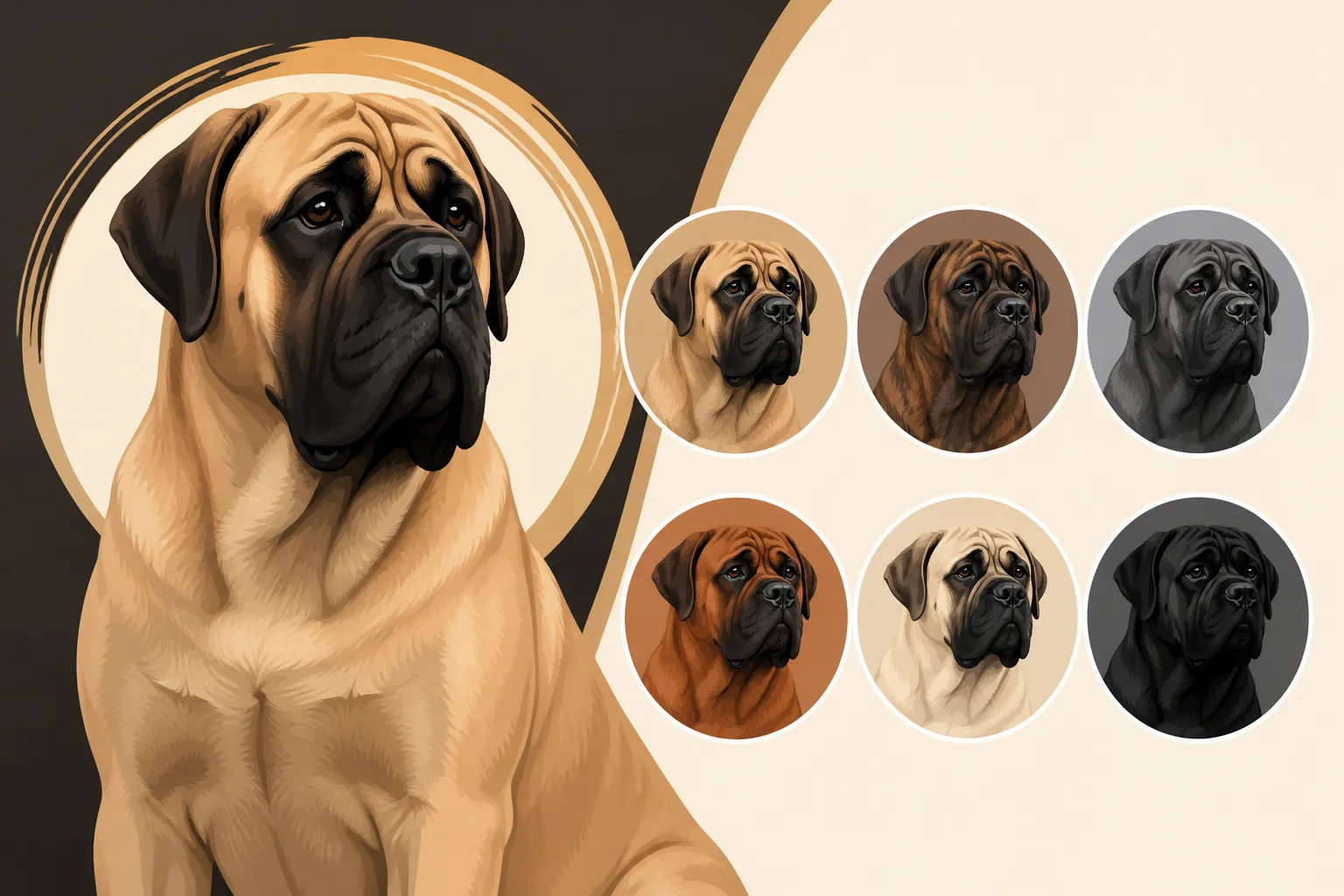
The official Mastiff breed standard actually keeps things quite simple when it comes to colors. There are three primary, accepted coat colors: fawn, apricot, and brindle. That's it. No purples, no silvers, no blues, and no solid blacks. Each of these accepted colors comes with its own range of shades and nuances, but they all fall within these three distinct categories. These are the colors you'll see in show rings, and these are the colors you should expect from a reputable breeder.
These traditional colors have been part of the Mastiff's history for a very long time, appearing in historical records and paintings of the breed. They are intrinsically linked to the Mastiff's identity and its visual presence. When you see a beautiful fawn, apricot, or brindle Mastiff, you're looking at a dog that truly embodies the physical legacy of its ancestors.
The Essential Black Mask
Regardless of whether a Mastiff is fawn, apricot, or brindle, one feature is absolutely non-negotiable and utterly iconic: the black mask. This mask is a critical element of the breed standard and is present on every truly purebred Mastiff. It covers the muzzle, typically extending up around the eyes and sometimes shading the ears. It provides a striking contrast against the lighter body coat and is a hallmark of the breed's distinguished appearance.
The intensity and reach of the black mask can vary slightly from dog to dog, but its presence is mandatory. Think of it as the Mastiff's signature. Why a Mastiff Must Have a Black Mask isn't just about aesthetics; it’s a genetic marker that confirms the traditional lineage. Any Mastiff presented without a clear, defined black mask would be considered a deviation from the standard and could indicate a different heritage or a breeding program that isn't prioritizing the established breed type. This mask, along with the dark eyes, contributes to the Mastiff's kind yet imposing expression.
Delving into Fawn: The Classic Mastiff Hue
Fawn is arguably the most recognizable and classic color for a Mastiff. It's often the first image that comes to mind when picturing this magnificent breed. However, "fawn" isn't just one static color; it encompasses a beautiful spectrum of shades, making each fawn Mastiff unique while still fitting perfectly within the standard.
What "Fawn" Truly Means
When we talk about fawn in Mastiffs, we're referring to a coat color that ranges from a very light, almost silvery-tan to a rich, golden tan. Imagine the color of freshly toasted bread or a lion's mane – that's the kind of warmth and depth you can find in a fawn Mastiff. The key is that it should be a clear, self-colored shade, without any muddiness or patchy areas. A good fawn coat should appear uniform across the dog's body, though some subtle shading is natural, particularly in areas like the ears or along the back.
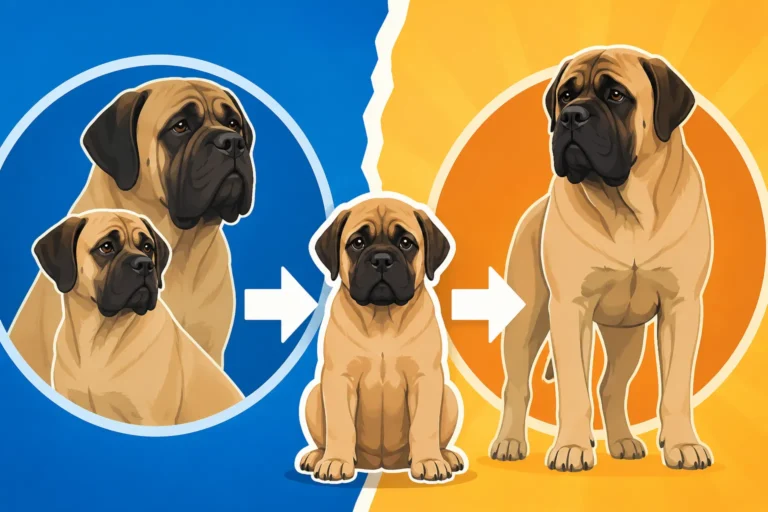
For example, you might see a Mastiff puppy with a very light cream fawn coat that gradually deepens to a more golden hue as they mature. This evolution is perfectly normal and within the accepted range. The critical aspect is that the underlying tone is consistent and free from any greyish or blueish tints. What Fawn Looks Like on a Mastiff can truly be a stunning sight, embodying the breed's ancient lineage.
Common Misconceptions About Fawn
Because fawn has such a wide range, some less scrupulous individuals might try to market certain shades as "rare silver fawn" or "platinum fawn." It's important to understand that these are not separate, distinct, or "rare" colors in the Mastiff breed standard. They are simply lighter variations within the normal fawn spectrum. There isn't a genetic modifier for "silver" in Mastiffs in the same way there might be in other breeds. These terms are often marketing ploys designed to make a puppy seem more exclusive or to justify a higher price tag.
A true fawn Mastiff, whether light or golden, is simply a fawn Mastiff. There's no special status or genetic difference that warrants these "designer" labels. When researching a puppy, focus on health, temperament, and overall adherence to the standard rather than getting caught up in fancy color names that don't actually exist within the breed's official description. Always ask to see the parents and their pedigrees to verify the lineage and ensure ethical breeding practices.
The Black Mask's Role in Fawn Mastiffs
The black mask is absolutely essential to the fawn Mastiff's classic appearance. It creates a stunning contrast that highlights the powerful, noble head of the dog. Without the dark pigmentation of the mask, the fawn face would appear washed out and lose much of its characteristic expression. The black muzzle, dark eye rims, and often dark ears complete the picture, giving the fawn Mastiff its distinct and regal look.
This contrast isn't just visually appealing; it's part of the functional purpose of the breed's historical appearance. The dark pigmentation around the eyes can also help reduce glare, which might have been beneficial for dogs working outdoors in bright conditions. It’s a feature that has been consistently selected for throughout the breed's development, making it an indispensable part of the fawn Mastiff's identity.
Apricot: The Rich, Warm Alternative
While fawn might be the most common, apricot offers a truly striking and warm alternative in the Mastiff color palette. It brings a depth of color that can range from a subtle golden-apricot to a deep, rich red-gold, always maintaining that essential underlying warmth.
Defining the Apricot Color
Apricot in Mastiffs is characterized by its distinct reddish or orange hue. Imagine the warm, inviting color of a ripe apricot fruit, and you're pretty close. It's a richer, warmer version of fawn, with more red pigment contributing to its overall appearance. The intensity can vary, from a pale, creamy apricot that still holds that underlying warmth, to a deep, almost mahogany-red apricot that truly stands out. Like fawn, the apricot color should be clear and uniform across the body, avoiding any muddiness or patchy areas.
This depth of color is what makes apricot Mastiffs so captivating. They can truly glow in the sunlight, with their coats catching the light and emphasizing their muscular physique. It’s a magnificent color that exudes warmth and strength.
Apricot vs. Deep Fawn
Sometimes, the line between a very deep, rich fawn and a lighter apricot can seem a bit blurry, but there is a clear distinction. Apricot will always have that unmistakable reddish or orange undertone that fawn lacks. A deep fawn might be a rich gold, but it won't have the red component that defines apricot. Think of it like the difference between a golden retriever and an Irish setter – both are beautiful, but the underlying red pigment is what sets the setter apart.
Breeders who are deeply familiar with the standard can easily differentiate between these two colors, even in subtle variations. For a potential owner, it often comes down to personal preference, but knowing the distinctions helps in understanding what to expect and verifying that a puppy's color genuinely aligns with the breed standard. How Rare an Apricot Mastiff Is can be subjective, as both fawn and apricot are equally accepted.
Apricot Mastiffs and Sun Exposure
Just like human hair, an apricot Mastiff's coat can be affected by sun exposure. Prolonged time in direct sunlight can sometimes cause the coat to lighten or even develop a bleached appearance over time. This isn't a flaw in the color itself but a natural reaction to UV rays. Similarly, some Mastiffs might have their darker red tones deepen with sun exposure. This means that an apricot Mastiff’s coat can have dynamic shifts in its exact shade throughout the year, especially if they spend a lot of time outdoors.
Owners of apricot Mastiffs might notice these changes, sometimes seeing their dog's coat lighten slightly in summer and regain its deeper vibrancy in winter. It’s a normal part of their coat care and not something to be concerned about in terms of breed standard deviation. You might even find specialized shampoos and conditioners on Chewy designed to protect coat color from sun damage, although most often, shade and good grooming are enough.
Brindle: The Striking Striped Pattern
Brindle is the third and arguably most visually dramatic of the accepted Mastiff colors. It’s not a solid color but a captivating pattern of stripes overlaying either a fawn or apricot base. A well-defined brindle Mastiff is truly a work of art.
The Intricacies of the Brindle Pattern
A brindle Mastiff features dark, usually black, stripes overlaying one of the base colors – fawn or apricot. The stripes should be distinct, clear, and run across the body, though the pattern can vary in density and thickness. It’s not about random spots, but a tiger-stripe effect that can be subtle or quite bold. The darker stripes should be well-defined against the lighter background, giving the coat a beautiful depth and texture.
The pattern can be more pronounced on some areas of the body, like the back and sides, and perhaps lighter on the underside or legs. The key is that the stripes are clearly visible and form a consistent pattern across the dog's accepted base color. Whether the Standard Accepts a Brindle Mastiff is a definite yes, and it's a magnificent sight to behold.
Fawn Brindle vs. Apricot Brindle
Just as there are fawn and apricot Mastiffs, brindle Mastiffs will have either a fawn base or an apricot base.
- Fawn Brindle: This is the most common brindle variation. Here, the dark stripes are laid over a fawn background, ranging from light to golden fawn. The contrast between the black stripes and the fawn undercoat is typically quite strong, creating a very classic brindle look.
- Apricot Brindle: With an apricot brindle, the dark stripes overlay an apricot background. This gives the coat a warmer, often richer overall appearance, as the reddish-orange tones of the apricot peek through the dark stripes. The contrast can be just as striking, but with a different warmth to the overall presentation.
Both fawn brindle and apricot brindle are equally accepted by the breed standard, and the choice between them comes down purely to personal preference.
Acceptable Brindle Markings
The breed standard emphasizes that brindle markings should be clear, strong, and well-defined. A "muddy" or indistinct brindle, where the stripes blend too much into the background color or are too faint to be clearly seen, is generally considered less desirable. The pattern should be clean and not appear splotchy or uneven. There should be no large patches of solid color without stripes, nor should the stripes be so dense that they overwhelm the base color entirely, making the dog appear solid black (which is an unaccepted color).
This clarity ensures that the brindle pattern is truly appreciated and adds to the Mastiff’s imposing yet elegant presence. When observing a brindle Mastiff, you want to see a harmonious blend of the stripe and the background, where each enhances the other.
Unacceptable Mastiff Colors and Why They Matter
While the accepted colors are beautiful and diverse in their own right, it's equally important to understand what colors are not permitted by the Mastiff breed standard. These are not merely aesthetic preferences; they often carry implications about breeding practices, genetic health, and the purity of the lineage.
The Controversy of "Blue" or "Black" Mastiffs
This is perhaps the biggest area of misinformation and frustration for prospective Mastiff owners. You might see advertisements for "rare blue Mastiffs" or "solid black Mastiffs" being sold at exorbitant prices. Let's be unequivocally clear: solid black, blue (dilute black), and Isabella (dilute liver) are NOT accepted colors in the Mastiff breed standard. A purebred Mastiff will not be these colors. If you encounter a dog being marketed as such, it is almost certainly one of two things:
- A mixed breed: The dog likely has another breed in its ancestry that carries the genes for these colors (e.g., Great Dane, Neapolitan Mastiff, Cane Corso). While still potentially wonderful dogs, they are not purebred Mastiffs.
- The result of non-standard breeding: In very rare cases, a genetic mutation could occur, but ethical breeders would not perpetuate such a trait, especially if it indicates other underlying genetic issues. More often, it's the result of intentionally breeding for unaccepted traits, often by introducing outside lines.
Whether a Black Mastiff Is Purebred is a crucial question, and the answer, according to the standard, is no. These colors deviate significantly from centuries of selective breeding aimed at maintaining the Mastiff's distinct appearance and health profile.
"Pied" or Excessive White Markings
Another unaccepted color pattern is "pied" or any Mastiff with excessive white markings. The standard allows for a small amount of white on the chest, particularly a small patch or star. However, large white patches on the body, legs, or face (other than the natural lighter areas associated with fawn/apricot) are not acceptable. This is different from the light underparts that are normal in fawn or apricot dogs, or the minor white star on the chest.
Excessive white can sometimes be linked to certain genetic conditions in other breeds, though this isn't necessarily the case for Mastiffs. Primarily, it's considered a serious deviation from the established appearance of the breed. Reputable breeders would never intentionally breed for such markings, as it goes against the very definition of a Mastiff's coat.
Health Implications of Non-Standard Colors
The issue with unaccepted colors goes beyond mere aesthetics for a reason. While not every non-standard colored dog will be unhealthy, some color genes can be linked to other, less desirable genetic traits or health problems. For example, in some breeds, the dilute gene (which creates "blue" or "silver" coats) can be associated with skin conditions like Color Dilution Alopecia (CDA), causing hair loss and skin irritation. While the direct link in Mastiffs specifically isn't as widely documented because these colors are so rare and undesirable in the breed, the act of breeding for these unaccepted colors often signals a disregard for the established breed health protocols.
A breeder focused on non-standard colors might be less concerned with comprehensive health testing for conditions like hip and elbow dysplasia, cardiac issues, or eye diseases, which are far more prevalent and impactful on a Mastiff's quality of life. Always prioritize breeders who adhere to comprehensive health testing like the CHIC requirements, rather than those who focus on superficial or "rare" traits. The CHIC Four Plus the DNA Stack Behind a Mastiff's Price are far more important indicators of a healthy puppy than any "rare" color.
Choosing a Mastiff: Color Beyond Aesthetics
Ultimately, while coat color is a fascinating aspect of the Mastiff breed, it should be far down on your list of priorities when choosing a companion. The true essence of a Mastiff lies in its gentle nature, steadfast loyalty, and impressive presence, not just the shade of its fur.
Prioritizing Health and Temperament Over Color
Any responsible, ethical Mastiff breeder will tell you that health and temperament are paramount. A dog's coat color will never impact its ability to be a loving family member, a loyal guardian, or a well-adjusted companion. What does impact these things are sound genetics, good socialization, and a stable personality. Unfortunately, some breeders who focus on producing "rare" colors often overlook these foundational aspects, sometimes cutting corners on health testing or breeding dogs with questionable temperaments.
When you're looking for a Mastiff puppy, you want to see evidence of comprehensive health clearances for the parents – hips, elbows, eyes, and heart. You want to meet the parent dogs and observe their behavior. You want a breeder who asks you as many questions as you ask them, ensuring their puppies go to the best possible homes. These are the markers of a truly dedicated breeder, regardless of the colors they produce. Whether an Untested Mastiff Litter Is Worth Buying is a question with a clear answer: probably not.
What to Ask a Breeder About Color
When you talk to a potential breeder, it’s perfectly fine to express a preference for fawn, apricot, or brindle. A good breeder will be transparent about the colors they typically produce and the genetics behind them. They should be able to show you the parents and their pedigrees, which will give you a clear indication of the expected color outcomes. If a breeder is trying to sell you a "rare" color not mentioned in the standard, or if they're cagey about the lineage, consider that a serious warning sign.
Instead, ask about the health history of their lines, their breeding philosophy, and how they socialize their puppies. Ask about the typical lifespan of their dogs and any common health issues they've seen. These questions reveal a breeder’s true priorities.
Finding Supplies for Any Mastiff Color
No matter the color of your future Mastiff, you'll need a myriad of supplies that cater to their colossal size. From extra-large orthopedic beds that offer support for their heavy joints to durable leashes and harnesses that can withstand their power, and giant-sized food and water bowls, the needs of a Mastiff are universal regardless of their coat. You'll want to invest in high-quality grooming tools, even for their short coats, to manage shedding and keep their skin folds clean.
Online retailers like Chewy are fantastic resources for finding everything a giant breed owner needs, often with convenient delivery options for those massive bags of food. Whether your Mastiff is a striking brindle, a warm apricot, or a classic fawn, their daily care routine will be focused on their health and comfort, not the specific hue of their fur. So, focus on finding a healthy, well-adjusted puppy from a reputable breeder, and let their beautiful, standard-approved color be an added bonus to their already magnificent personality.
Accepted Mastiff Colors at a Glance
For quick reference, here's a summary of the Mastiff colors as per the official breed standard:
| Color Type | Description | Mask Required | Accepted by Standard | Notes |
|---|---|---|---|---|
| Fawn | Light tan to rich golden tan; clear, self-colored. | Yes (Black) | Yes | Classic, wide range of shades. |
| Apricot | Rich reddish-fawn to deep red-gold; distinct orange/red hue. | Yes (Black) | Yes | Warmer than fawn, can be affected by sun. |
| Brindle | Dark (usually black) stripes over a fawn or apricot base. | Yes (Black) | Yes | Stripes should be clear and distinct. |
| Unaccepted Colors | ||||
| Solid Black | Completely black coat, no mask required. | No | No | Indicates mixed ancestry or non-standard breeding. |
| Blue | Diluted black, often appears grey or slate. | No | No | Not a Mastiff color; often associated with health concerns in some breeds. |
| Isabella/Liver | Diluted brown, often appears light brown or greyish-tan. | No | No | Not a Mastiff color. |
| Pied/Excessive White | Large white patches on body/legs beyond small chest patch. | Varies | No | Considered a serious deviation from the standard. |
This table should help clarify which colors are truly part of the Mastiff legacy and which ones fall outside the established and respected breed standard.
Disclaimer
This article is for general informational purposes only and does not constitute professional advice. Laws, prices and regulations vary by location and change over time. Consult a qualified professional for guidance on your specific situation.