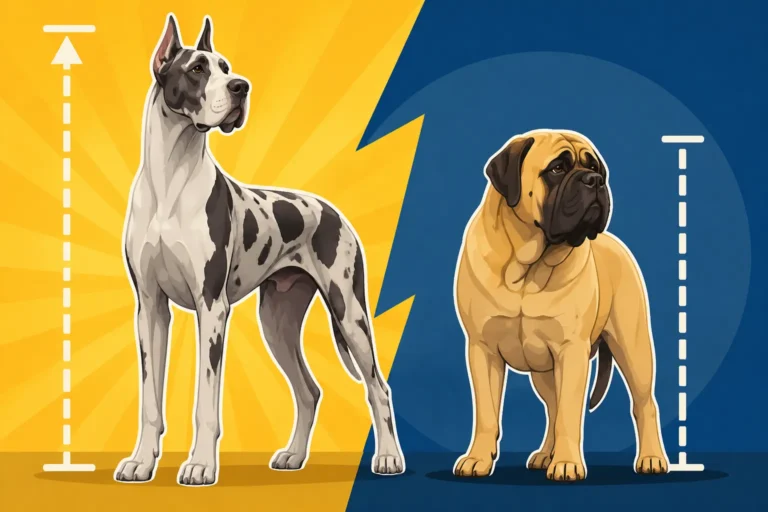
Zorba the Mastiff Weighed Three Hundred and Forty Three Pounds
The sheer size of a Mastiff is often the first thing that captivates people, a gentle giant that can truly be immense. But when you hear tales of dogs like Zorba, weighing in at an incredible three hundred and forty-three pounds, it sparks a wonder about what’s possible, and also a healthy dose of concern about the reality behind such monumental figures for our beloved companions. This guide will delve into the legendary size of Zorba, compare it to the typical Mastiff, and explore the vital implications of weight on a Mastiff's health and daily life.
The Legend of Zorba: Fact vs. Fiction
The name "Zorba" conjures images of a dog of almost mythical proportions, and for good reason. His record-setting weight captured the world's imagination, defining for many what a Mastiff could be. However, it's crucial to separate the awe-inspiring anecdote from the practical realities and health considerations of owning such a magnificent, and large, breed.
The Guinness World Record and its Context
Zorba, an Old English Mastiff, truly earned his place in the record books. He was indeed recognized by Guinness World Records for his impressive size, reaching a reported weight of three hundred and forty-three pounds and standing quite tall at the shoulder. This wasn't just a big dog; he was a phenomenon, a testament to the Mastiff's capacity for immense bulk. For many, this record became the benchmark, a "fact" of what the breed could achieve. It’s important to remember that such records are extreme outliers, highlighting the absolute maximum, rather than the average or even desirable, for the breed. These rare instances become etched in our minds, shaping our perception of what a Mastiff truly is, often leading to unrealistic expectations.
How Zorba's Weight Compares to the Breed Standard
While Zorba's size was certainly record-breaking, it significantly exceeded the generally accepted breed standard for Mastiffs. The breed standard, set by organizations like the American Kennel Club, outlines the ideal characteristics, including weight and height, that contribute to a Mastiff's health, function, and longevity. Typically, male Mastiffs are expected to weigh between 160 to 230 pounds, with females slightly less. Zorba’s weight was well over 100 pounds above the top end of this range. This distinction is critical because the breed standard isn't just about aesthetics; it's designed to promote a structure that can support the dog's large frame without undue stress. A dog carrying an extra hundred pounds, or more, fundamentally alters its skeletal and muscular load, impacting everything from joint health to cardiovascular function. The Mastiff That Stood Over Sir Piers Legh at Agincourt speaks to the historical context of their impressive size, but even those dogs likely didn't carry Zorba's extreme weight.
The Drive for Extreme Size in Giant Breeds
There's a natural human inclination to seek out the biggest, the fastest, the most impressive. In the world of giant dog breeds, this often translates into a desire for ever-larger individuals. Breeders, sometimes unintentionally, can fall into the trap of prioritizing sheer size over sound structure and health. While a truly immense dog like Zorba is certainly impressive to behold, the pursuit of such extreme size can inadvertently lead to a host of health issues. It places immense pressure on a dog's developing body, potentially exacerbating genetic predispositions to conditions like hip or elbow dysplasia. This drive can sometimes overshadow the more important goal of breeding healthy, long-lived companions who fit within a practical range for care and comfort.
Understanding Mastiff Weight and Size
Beyond the legendary extremes, it's vital for any Mastiff owner or aspiring owner to understand what constitutes a healthy and sustainable weight for these magnificent dogs. Their sheer mass demands careful consideration, as every pound matters for their well-being.
Typical Weight Ranges for Male and Female Mastiffs
When we talk about a typical Mastiff, we're looking at animals that are undeniably large, but within a range that supports their health and allows for a reasonable quality of life. For males, a healthy adult weight generally falls between 160 and 230 pounds, while females usually range from 120 to 170 pounds. These figures aren't just arbitrary numbers; they reflect a sturdy, well-muscled frame that is still able to move with relative ease. A Mastiff at the higher end of these ranges might seem colossal, but the key is that their bone structure and musculature are proportionate to their weight, allowing them to carry it without excessive strain. It's about balance, not just bulk.
The Role of Genetics in a Mastiff's Size
A Mastiff's ultimate size is heavily influenced by its genetics. Just like in humans, puppies inherit traits from both parents that dictate their growth potential. A puppy from two moderately sized Mastiffs is unlikely to grow into a record-breaker, and similarly, offspring from very large parents often tend towards the larger end of the spectrum. Responsible breeders pay close attention to the lineage and overall health history of their breeding stock, aiming for dogs that fit within the breed standard and are known for good health, not just massive size. They'll consider not just the parents' weights, but also their overall conformation and how well they've aged. Understanding Whether Parent Size Predicts a Mastiff's Adult Weight can give you a good indication of what to expect, but remember, environmental factors like nutrition play a huge role too.
Why Bigger Isn't Always Better for Mastiff Health
While it's natural to be drawn to the impressive stature of a giant dog, a Mastiff that is significantly oversized or overweight faces numerous challenges. Every extra pound translates to increased stress on their joints, heart, and other vital organs. Imagine carrying a 50-pound backpack all day, every day – that's essentially what an overweight dog experiences. This added burden can accelerate the onset and severity of conditions like arthritis, hip and elbow dysplasia, and can even contribute to cardiac issues. A truly healthy Mastiff is powerful and substantial, but not obese or structurally unsound due to excessive bulk. The goal should always be a lean, well-conditioned giant, not necessarily the heaviest.
Here’s a quick comparison to put things into perspective:
| Characteristic | Typical Male Mastiff (Healthy) | Typical Female Mastiff (Healthy) | Zorba the Mastiff (Record) |
|---|---|---|---|
| Weight Range | 160-230 lbs | 120-170 lbs | 343 lbs |
| Height (at shoulder) | 30-36 inches | 27.5-32 inches | ~37 inches |
| Lifespan (Average) | 6-10 years | 6-10 years | Not significantly longer |
| Health Impact | Optimal, if well-managed | Optimal, if well-managed | Significant health risks |
The Health Implications of Extreme Weight
For a Mastiff, weight is more than just a number on the scale; it's a critical factor in their overall health and longevity. When a Mastiff carries excessive weight, whether due to genetics, overfeeding, or a combination, the consequences can be profound and significantly diminish their quality of life.
Joint and Skeletal Strain from High Body Mass
The skeletal system of a Mastiff is already designed to support an impressive amount of weight. However, even the strongest bones and joints have their limits. When a Mastiff carries an extra 50, 100, or even more pounds, the stress on their hips, elbows, shoulders, and spine becomes immense. This constant, excessive load can lead to accelerated wear and tear on cartilage, worsen existing conditions like hip and elbow dysplasia, and contribute to the premature development of debilitating arthritis. Imagine a huge dog that can't easily get up, struggles to walk, or is visibly in pain with every movement – this is the heartbreaking reality for many overweight Mastiffs. Preventing this strain means controlling growth in puppies and maintaining a lean weight in adults. Why a Mastiff's Hips Fail Under Its Own Weight is a crucial read for understanding these pressures.
Cardiovascular and Organ Stress in Overweight Mastiffs
Beyond the obvious joint problems, an overweight Mastiff's internal organs are under severe strain. The heart has to work much harder to pump blood through a larger body mass, increasing the risk of cardiovascular disease. The lungs can be less efficient due to excess fat restricting their expansion, leading to breathing difficulties, especially in warm weather or during even mild exertion. The liver and kidneys are also forced to process more, potentially shortening their functional lifespan. An overweight Mastiff is also more prone to issues like diabetes and certain types of cancer. While Whether a Mastiff Gets Dilated Cardiomyopathy explores specific heart conditions, carrying extra weight certainly doesn't help any cardiac issues. It's a silent burden that impacts every system in their body, quietly chipping away at their health from the inside out.
Shortened Lifespan and Reduced Quality of Life
The most tragic consequence of extreme weight in a Mastiff is often a significantly shortened lifespan and a diminished quality of life during their senior years. While Mastiffs already have a comparatively shorter lifespan than many smaller breeds—typically six to ten years—excess weight can shave off precious months or even years. Instead of enjoying active, comfortable golden years, an overweight Mastiff may spend their later life struggling with pain, limited mobility, and chronic health issues. Their joy in simple activities like a leisurely stroll, playing with family, or even getting up to greet you can be severely impacted. The goal is to maximize the time we have with these wonderful dogs, and keeping them at a healthy weight is one of the most impactful ways to do that, ensuring they have the best possible chance at a full and happy life. Six to Ten Years Is What a Mastiff Gets is a stark reminder of their limited time with us, making healthy weight management even more critical.
Factors Influencing a Mastiff's Adult Weight
The size and weight your Mastiff reaches aren't solely determined by genetics; a myriad of environmental factors, especially during their critical growth phases, play an enormous role. Understanding and managing these factors is paramount to raising a healthy, structurally sound giant.
The Impact of Puppy Nutrition on Adult Size
It might seem counterintuitive, but trying to make a Mastiff puppy grow "bigger" faster through excessive feeding can actually have detrimental effects on their adult size and health. Giant breed puppies like Mastiffs need a carefully balanced diet that supports slow and steady growth. Overfeeding, or feeding a diet too high in calories, protein, or calcium, can cause them to grow too rapidly. This accelerated growth puts immense stress on their soft, developing bones and joints, leading to a higher risk of conditions like hip and elbow dysplasia. Instead of building strong, dense bone, fast growth can lead to developmental orthopedic diseases. The best approach is a high-quality large breed puppy food formulated to support controlled growth, adhering strictly to feeding guidelines and maintaining a lean body condition. Chewy offers a variety of excellent large breed puppy formulas that are balanced for this exact purpose, designed to prevent rapid weight gain. Restraining the Growth of a Mastiff Puppy is a vital concept for all Mastiff owners to grasp.
Exercise and Growth Plate Health in Young Mastiffs
Just as important as nutrition is the right amount and type of exercise for a growing Mastiff puppy. Their growth plates, which are areas of cartilage at the ends of long bones where bone growth occurs, remain open and vulnerable until they are quite old—sometimes up to 18-24 months. Over-exercising a puppy, engaging in high-impact activities like jumping or long runs, or even excessive stair climbing, can damage these delicate growth plates, leading to lifelong lameness or abnormal joint development. Instead, controlled, low-impact exercise like short, supervised walks on soft surfaces and gentle play is best. The focus should be on building strength and coordination, not endurance. You might be eager to get them out and about, but patience here pays dividends in long-term joint health. Why a Mastiff Puppy Must Not Be Exercised Hard emphasizes this crucial point.
Maintaining a Healthy Weight Through Adulthood
Once a Mastiff reaches maturity, usually around 2-3 years of age, the focus shifts to maintaining a healthy adult weight. This means consistent, appropriate feeding, regular (but not excessive) exercise, and vigilant monitoring of their body condition. It's easy for Mastiffs to gain weight, especially as their metabolism slows down with age or if their activity level decreases. Portion control becomes incredibly important, as does choosing a diet that meets their energy needs without packing on extra pounds. Even small amounts of extra weight can add up over time and create significant strain on their already massive bodies. Remember, a Mastiff should always look lean, not pudgy. Many owners find success with controlled feeding schedules and using precise measurements for their kibble, often stocking up on specialized giant breed formulas from retailers like Chewy.
Distinguishing Healthy Bulk from Obesity
One of the biggest challenges for Mastiff owners is recognizing the difference between a naturally bulky, muscular Mastiff and one that is carrying too much fat. Their impressive size can often mask obesity, making it harder to spot than in leaner breeds. Yet, being able to accurately assess your dog's body condition is crucial for their health and longevity.
The Visual Cues of a Healthy Mastiff Weight
A healthy Mastiff, even at the higher end of the breed standard, should exhibit certain visual cues that indicate proper weight. From above, you should see a discernible waist, a slight tuck-up behind the ribs. Their chest will be broad and deep, but the abdomen shouldn't hang low or appear distended. From the side, their rib cage should transition smoothly into their loins. While their muscles are massive, they should still have a defined, athletic appearance, not a soft, rounded silhouette. The overall impression should be one of power and substance, without excess fat. It’s about balance and proportion, where every part of their impressive frame looks capable of carrying its own weight.
How to Feel for Ribs and Hip Bones
Visual inspection alone can be tricky with a Mastiff due to their sheer size and loose skin. This is where the "hands-on" approach becomes invaluable. Gently run your hands along your Mastiff's sides, over their rib cage. You should be able to easily feel their ribs beneath a thin layer of muscle and skin, much like the back of your hand. You shouldn't see their ribs prominently, but you should definitely not have to press hard to feel them. If you can't feel them at all, or only with significant pressure, your Mastiff is likely overweight. Similarly, you should be able to feel their hip bones with gentle pressure. This tactile assessment provides a far more accurate picture of their body condition than just looking. This is a practice that veterinarians do as part of a routine exam, and it's something you can learn to do at home regularly. Feeling for a Mastiff's Ribs Under Its Bulk offers more detailed guidance on this important check.
Regular Vet Checks and Body Condition Scoring
To truly stay on top of your Mastiff's weight, regular veterinary check-ups are essential. Your vet can perform a professional body condition score (BCS), which is a standardized system that assesses a dog's fat reserves. This scoring typically uses a scale of 1 to 9 (with 5 being ideal) or 1 to 5 (with 3 being ideal), offering a more objective measure than just weight alone. They can also offer personalized advice on diet and exercise based on your dog's age, activity level, and any underlying health conditions. Don't hesitate to discuss your Mastiff's weight at every annual or semi-annual check-up. They can help you identify if your Mastiff is becoming too heavy or, rarely, too lean. Early intervention is key, as taking weight off a large, less mobile Mastiff can be challenging once it's been put on.
Living with a Truly Giant Mastiff
Even a Mastiff within the healthy weight range is an incredibly large dog, and one approaching or exceeding the upper limits of the standard presents unique challenges that prospective owners must fully understand. These aren't just bigger versions of smaller dogs; they require specific adaptations in your home and lifestyle.
Equipment and Space Needs for a Large Mastiff
Everything for a truly giant Mastiff needs to be supersized. Their crates need to be robust and large enough for them to stand, turn around, and lie down comfortably, which often means an extra-large, heavy-duty model that might not fit through standard doorways. Their beds must be thick, orthopedic, and durable enough to withstand hundreds of pounds of pressure nightly; a flimsy dog bed simply won't do. You’ll need a vehicle large enough to transport them safely, often an SUV or van, and even then, getting them in and out might require a sturdy ramp. Simple things like collars, harnesses, and leashes must be heavy-duty and correctly fitted to manage their strength. Even water bowls need to be substantial enough to hold a significant amount of water and be difficult to tip over. Finding these specialized items often requires searching online retailers like Chewy, which typically offer a wider selection of giant breed-specific gear. What a Bed That Holds a Mastiff Costs and Whether a Mastiff Crate Fits Through Your Doorway highlight these practical considerations.
Managing Daily Care and Mobility
The sheer scale of a giant Mastiff impacts nearly every aspect of daily care. Grooming tasks, like bathing or nail trims, become multi-person jobs, sometimes requiring professional assistance or specialized equipment. Lifting a large Mastiff, whether for vet exams, into a car, or simply when they're injured or elderly, becomes impossible for one person and often requires multiple strong individuals or specialized lifting aids. Even cleaning up after them – from drool to shedding hair – is on a much grander scale. Their mobility also needs constant attention. Slippery floors can be a serious hazard, risking injury to their joints. Providing rugs or runners throughout the house is essential for traction. As they age, assisting them with standing or walking may become necessary, requiring patience, physical strength, and often a specialized lifting harness. Lifting an Old Mastiff That Cannot Get Up is a stark look at the reality of caring for an aging giant.
The Emotional and Financial Toll of a Super-Sized Dog
Living with a truly giant Mastiff is an immense commitment, both emotionally and financially. Their needs are magnified across the board. The cost of food is astronomical; they eat a tremendous amount compared to smaller breeds, and that bill adds up quickly. Veterinary care costs escalate dramatically, as medications are dosed by weight, and procedures often require more anesthetic and specialized equipment. Should they require surgery, finding a vet clinic equipped to handle a two-hundred-pound-plus dog can be a challenge. Beyond the financial, the emotional toll can be significant. Their shorter lifespan means saying goodbye comes sooner, and witnessing the struggles of a truly massive dog with mobility issues can be heartbreaking. It’s a profound responsibility, demanding dedication, significant resources, and a deep understanding of their unique needs to ensure they live the best life possible. What a Mastiff's Weight Does to Every Line on the Vet Invoice underscores this financial reality.
The Ethical Side of Breeding for Size
The fascination with dogs like Zorba understandably sparks conversations about how Mastiffs are bred. For dedicated and ethical breeders, the focus is squarely on health, temperament, and adherence to the breed standard, rather than chasing extreme size at all costs.
The Mastiff Standard and Healthy Conformation
The official breed standard for the Mastiff, maintained by organizations like the American Kennel Club, is a blueprint for the ideal Mastiff. It describes not just their size and appearance, but also their temperament, movement, and overall conformation—how their body is put together. This standard aims to ensure the Mastiff is a functionally sound animal, capable of moving comfortably and living a healthy life. A breeder committed to this standard prioritizes correct bone structure, joint health, and appropriate musculature over simply producing the heaviest dog in the litter. They understand that straying too far from the standard, especially by breeding for exaggerated size, can compromise the dog's ability to live comfortably and reduce its overall longevity.
Prioritizing Health Over "Bragging Rights"
Responsible Mastiff breeders view their work as custodians of the breed. Their ultimate goal is to produce healthy, well-tempered puppies that will become beloved family members for many years. This means extensive health testing of potential breeding dogs for common Mastiff ailments such as hip and elbow dysplasia, cardiac issues, and certain eye conditions. The Four CHIC Tests a Mastiff Breeder Must Clear outlines some of these essential screenings. They understand that while a massive dog might grab attention and "bragging rights," true success lies in the health and vitality of their puppies. They'll readily share health clearances and often have clauses in their contracts about maintaining a healthy weight. If a breeder is solely focused on how big their dogs are, or how many pounds they pack on, it should be a major red flag for prospective buyers.
Finding a Responsible Breeder Focused on Wellness
When searching for a Mastiff puppy, it is absolutely paramount to seek out a responsible breeder who prioritizes health and temperament above all else. These breeders are transparent about their breeding practices, health testing results, and the typical size and lifespan of their lines. They will have a deep understanding of Mastiff genetics and a genuine passion for the well-being of the breed. They won't promise you the "biggest" Mastiff, but rather one bred for sound health and a stable disposition. A good breeder will interview you thoroughly, ensure you understand the commitment involved, and be a resource for the lifetime of your dog. They are often members of the Mastiff Club of America and actively participate in events that promote breed health and education. Don't be swayed by claims of record-breaking size; instead, look for a breeder who champions a healthy, moderate weight and a long, happy life for their Mastiffs.
Disclaimer
This article is for general informational purposes only and does not constitute professional advice. Laws, prices and regulations vary by location and change over time. Consult a qualified professional for guidance on your specific situation.