Whether a Mastiff Suits a First Time Owner
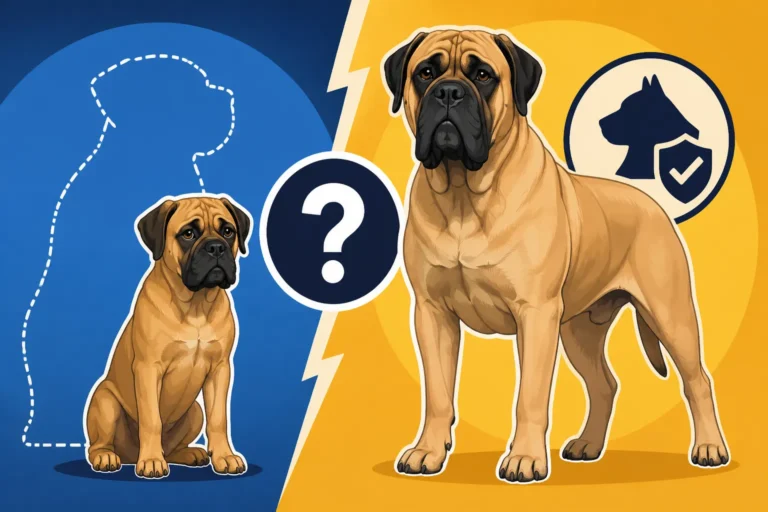
So, you're dreaming of bringing a majestic Mastiff into your life, but a tiny voice in your head is asking, "Am I ready for this?" It's a completely valid question! The sheer size and reputation of these magnificent dogs can be intimidating, leading many prospective owners, especially first-timers, to wonder if they're capable of providing the right home. This guide is here to walk you through the unique joys and significant challenges of Mastiff ownership, helping you honestly assess if this gentle giant is the right fit for your family and lifestyle.
The Mastiff Temperament: Beyond the "Gentle Giant" Label
Everyone calls them gentle giants, and it's true, they often are. But like any dog, there's more to a Mastiff's personality than a simple label. Understanding their core nature is crucial, especially for someone who might be encountering such a massive canine for the first time. You're not just getting a big dog; you're getting a dog with a big personality and specific needs.
Calmness and Affection: What to Expect
Mastiffs are renowned for their calm, docile nature within their own homes. They tend to be exceptionally affectionate with their families, often wanting nothing more than to be close to you, preferably leaning their entire two hundred pounds against your leg or sharing a significant portion of your sofa. This isn't a dog that typically bounces off the walls or demands constant, high-energy entertainment. Their preferred activity often involves napping, observing their surroundings with a thoughtful gaze, and getting plenty of cuddles. Many first-time owners are pleasantly surprised by how low-key an adult Mastiff can be indoors, settling into a quiet routine. However, it's important to remember that a puppy, regardless of breed, will have bursts of energy, and even a calm adult Mastiff still requires engagement, just not necessarily intense physical activity. They want to be part of the family, not just an ornament in the yard.
Their calm demeanor means they're usually quite tolerant and patient, which can be a huge plus for families with children, provided proper supervision and training are in place. They’re often very forgiving, making them suitable for owners who are still learning the ropes of dog behavior. However, this inherent calmness can sometimes be mistaken for slowness to learn or a lack of intelligence, which isn't true at all. A Mastiff is simply deliberate in its actions and often needs a strong "why" to perform a task. They aren't always eager to please in the way some other breeds are; they operate on their own thoughtful timetable. They bond deeply with their people, and this connection forms the foundation of their willingness to cooperate.
Protective Instincts and Stranger Awareness
While gentle with their family, Mastiffs were historically bred as guardians, and those protective instincts are very much present. They are naturally watchful and observant, often positioning themselves between you and a perceived threat, even if that "threat" is just the mail carrier. This isn't usually an aggressive display, but rather a quiet, imposing presence. They have an innate ability to discern normal from abnormal, and their sheer size acts as a significant deterrent. For a first-time owner, this can be both reassuring and a source of responsibility. You need to understand how to manage and channel these instincts appropriately. How a Mastiff Judges a Stranger at the Door is a crucial read here.
Proper socialization from a young age is absolutely paramount. Without it, a Mastiff's natural wariness of strangers can escalate into fear or aggression, which, in a dog of this size, is a serious safety concern. You need to teach your Mastiff that new people and experiences are generally positive, but also trust their judgment if they genuinely perceive a threat. It's a fine line to walk, and it requires consistency and confidence from the owner. They aren't guard dogs in the sense of being attack dogs; they are guardians who use their presence and deep bark to warn off intruders. Their goal is often to deter rather than engage, but they will defend if necessary.
Sensitivity and the Mastiff Psyche
Despite their imposing appearance, Mastiffs are surprisingly sensitive souls. They do not respond well to harsh training methods, yelling, or heavy-handed corrections. In fact, such approaches can make them shut down, become fearful, or even become resistant to training altogether. They thrive on positive reinforcement, praise, and a calm, consistent approach. The Sensitivity Nobody Expects in a Two Hundred Pound Mastiff highlights just how much their emotional well-being depends on gentle handling. For a first-time owner, this means you need to be committed to modern, force-free training techniques.
They are deeply attuned to their owner's emotions and the atmosphere in the home. A Mastiff can sulk for hours if they feel they've been unfairly reprimanded, or they might become anxious if there's tension in the household. Their emotional depth means they need an owner who is patient, understanding, and willing to build a relationship based on trust and respect, not intimidation. If you're someone who might get easily frustrated or expects immediate obedience through dominance, a Mastiff is likely not the right breed for you. They respond best to a leader who is kind, consistent, and fair.
Physical Realities: Growth, Exercise, and Space
Owning a Mastiff means confronting the physical realities of a truly giant breed. Their size impacts everything, from how they grow as puppies to their daily exercise needs and the living space they require. These aren't minor details; they are fundamental aspects of Mastiff care that a first-time owner must understand and be prepared for.
Slow Growth and Fragile Joints in Puppies
One of the most critical aspects of raising a Mastiff, especially for a first-timer, is managing their growth as puppies. Unlike smaller breeds that mature quickly, Mastiffs grow slowly, steadily gaining immense size and weight over two to three years. Their bones and joints are particularly vulnerable during this rapid growth phase. The Mastiff Puppy You Are Not Allowed to Exercise isn't just a suggestion; it's a vital directive. Over-exercising a Mastiff puppy, letting them jump excessively, or encouraging them to use stairs repeatedly can lead to irreversible damage like hip and elbow dysplasia.
This means a Mastiff puppy isn't a candidate for long runs, intense play sessions with other boisterous dogs, or navigating a house with many flights of stairs. You'll need to be diligent about controlled exercise, short, gentle walks, and providing appropriate soft surfaces for them to rest on to prevent conditions like elbow calluses later in life. This careful management of growth is a significant commitment that often catches first-time giant breed owners off guard. You might imagine a playful puppy, but with a Mastiff, the emphasis must be on protecting their delicate developing structure.
Exercise Needs for an Adult Mastiff
Despite their massive size, adult Mastiffs are not high-energy dogs. They don't require miles of running or intense athletic endeavors. In fact, excessive high-impact exercise can be detrimental to their joints, even as adults. Their preferred exercise usually consists of one or two leisurely walks each day, perhaps a bit of gentle play in a securely fenced yard. Why a Mastiff Only Needs One Hour a Day is a good guideline, but even that might be generous for some older, calmer individuals.
For a first-time owner, this can be both a blessing and a challenge. On one hand, you don't need to be a marathon runner to keep a Mastiff happy. On the other, you still need to be consistent with their daily movement to prevent obesity and keep their muscles toned. Their low exercise needs also mean that mental stimulation is crucial. Interactive toys, puzzle feeders (many available through retailers like Chewy), and short training sessions are excellent ways to keep their minds active without overstressing their bodies. A bored Mastiff, even a calm one, can still find ways to be destructive, or at the very least, inconveniently plant itself in your path.
Living Large: Space Requirements and Home Setup
Let's be frank: a Mastiff takes up a lot of space. This isn't just about square footage, but about how they navigate and exist within your home. A two hundred-pound dog needs room to turn around, stretch out, and simply be. While they can be surprisingly adaptable to smaller living spaces because of their calm indoor demeanor, they do need clear paths and durable furniture. If your home is cluttered, or if you have delicate, easily breakable items at tail-wagging height, you might be in for some adjustments.
Consider the practicalities:
- Beds: A Mastiff needs a large, supportive, orthopedic bed in every room where they spend significant time. Cheap beds simply won't cut it for their weight and joint health. You can find durable options designed for giant breeds on sites like Chewy.
- Flooring: Traction: Why a Mastiff Cannot Live on Bare Hardwood explains why slippery floors are a real hazard for a Mastiff, especially as they age. Rugs or runners are essential to provide traction and prevent slips and falls that can lead to serious injuries.
- Vehicles: Transporting a Mastiff requires a large vehicle, like an SUV or truck, and ideally a ramp. You won't be fitting your Mastiff comfortably into a sedan, and lifting a fully grown Mastiff is a feat of strength that few can sustain.
- Fencing: A secure, sturdy fence is non-negotiable. While Mastiffs aren't known as escape artists, their sheer size means any weakness in fencing is an invitation for trouble.
These are considerations that go beyond simply having "enough room" and delve into re-evaluating your entire living environment for the comfort and safety of your giant companion.
Training a Titan: Why Early and Consistent is Key
If there's one area where a first-time Mastiff owner truly needs to be committed, it's training. Their immense size means that even seemingly minor behavioral issues in a smaller dog become major, potentially dangerous problems with a Mastiff. Imagine a hundred-and-fifty-pound puppy jumping on a guest, or a two hundred-pound adult pulling on a leash. These are scenarios that require a proactive approach from day one.
The Importance of Puppy Socialization
Socialization is arguably the most critical component of raising a well-adjusted Mastiff. From a very young age, your Mastiff puppy needs to be exposed to a wide variety of sights, sounds, people, and other dogs in a positive and controlled manner. This isn't just about playdates; it's about building confidence and a calm acceptance of the world around them. Attending puppy classes is highly recommended. These classes provide structured exposure to other dogs and people, under the guidance of a professional.
Without adequate socialization, a Mastiff can become overly fearful or territorial, leading to reactivity that is incredibly difficult to manage once they reach full size. A shy or fearful giant is a dangerous giant. For a first-time owner, navigating effective socialization might feel daunting, but it’s the best investment you can make in your Mastiff's future and your peace of mind. Seek out experienced trainers who understand giant breeds and positive reinforcement techniques.
Managing a Mastiff's Leash Manners
This is where the rubber meets the road, or rather, where the leash meets the giant dog. A Mastiff who pulls on the leash is not just annoying; it's a serious hazard. They can easily drag an adult off their feet, injure themselves, or put others at risk. The phrase A Mastiff Does Not Pull You Over, It Simply Stops hints at their incredible strength, but pulling is a very real possibility if not addressed early.
Leash training must begin the moment your puppy comes home, focusing on loose-leash walking from day one. This means teaching them to walk politely by your side, without tugging, using positive reinforcement and consistency. Tools like front-clip harnesses can be helpful, but they are aids, not solutions. The solution lies in consistent training. A first-time owner might benefit significantly from private training sessions or specialized giant-breed obedience classes to master these skills before their Mastiff puppy reaches full size and power. It’s far easier to teach a forty-pound puppy good habits than to correct a one-hundred-eighty-pound adult.
The "Stubborn" Giant: Motivation and Methods
Mastiffs often get a reputation for being stubborn, but it's more accurate to describe them as thoughtful and sometimes selective in their obedience. They are not necessarily eager to perform tricks for endless repetitions. They need to understand the purpose behind a command and often prefer to take their time to process. For a first-time owner used to more "biddable" breeds, this can be frustrating.
Effective training with a Mastiff hinges on understanding what motivates them. Often, it's food, praise, and the desire to be near their beloved human. Positive reinforcement works wonders. Keep training sessions short, fun, and varied to hold their attention. Consistency is key – everyone in the household needs to use the same commands and expectations. Patience is also a virtue; a Mastiff might take a few more repetitions to master a skill, but once they get it, they tend to remember it. Avoid getting into power struggles, as you will almost certainly lose, and it will damage your relationship with your sensitive giant.
| Training Aspect | First-Time Owner Expectation | Mastiff Reality |
|---|---|---|
| Patience Required | Moderate, like other dogs | High, they are thinkers |
| Physical Strength | Just need to hold the leash | Requires solid technique, body control |
| Training Style | Any method will work | Positive reinforcement is critical |
| Socialization | Casual exposure is fine | Intentional, early, and ongoing |
| Puppy Training | Learn as we go | Non-negotiable, start day one |
Daily Care and Logistical Challenges
Beyond temperament and training, the day-to-day realities of Mastiff ownership present a unique set of challenges that can surprise a first-time owner. These aren't just minor inconveniences; they are aspects that directly impact your dog's health, your home, and your wallet.
Feeding a Giant: Volume, Cost, and Special Needs
Feeding a Mastiff is an experience in itself. They don't just eat; they consume. The sheer volume of food required means a significant ongoing expense. For a first-time owner, this can be a real eye-opener. You'll need to consider how much a two hundred-pound Mastiff eats in a month and budget accordingly. Buying high-quality large breed dog food in bulk is often necessary, and storage becomes a consideration. Retailers like Chewy offer auto-ship options and large bags that can help manage the logistics and cost.
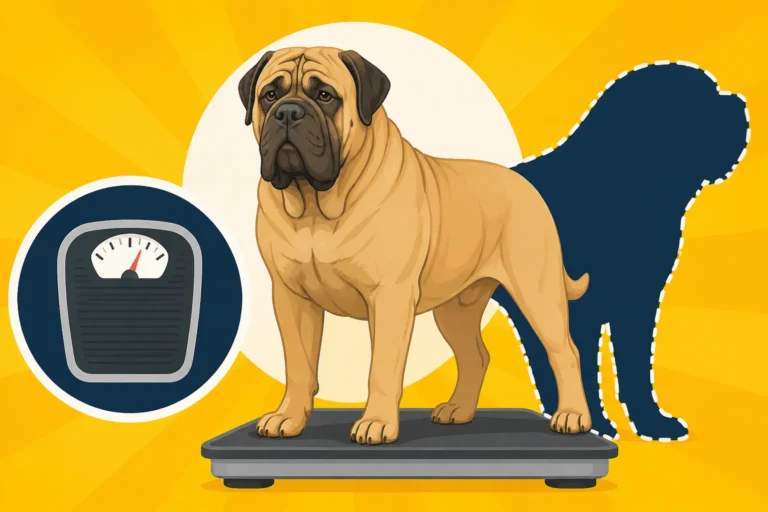
Furthermore, Mastiffs have specific nutritional needs, especially as puppies. Restraining the Growth of a Mastiff Puppy highlights the importance of feeding a diet formulated for large or giant breeds, with appropriate protein and calcium levels to support slow, healthy bone development. Overfeeding a puppy or feeding an inappropriate diet can contribute to orthopedic problems. As adults, maintaining a lean body condition is paramount to extend their lifespan and reduce stress on their joints. You'll need to monitor their weight carefully and adjust their food intake as needed, as Keeping a Mastiff Lean on Purpose can be a challenge but is vital for their long-term health.
Grooming the Wrinkles and Managing Drool
Yes, the drool. Let's talk about it. Mastiffs are known for their magnificent jowls, and those jowls are responsible for an impressive amount of drool. From the "drool beard" after a drink to the legendary "head shake" that flings slobber across your walls and ceiling, it's a constant reality of Mastiff life. For a first-time owner, this isn't just a minor mess; it's a lifestyle adjustment. You'll need to develop a routine for wiping their faces, especially after meals and drinks, and be prepared for constant cleanup.
Beyond drool, those adorable wrinkles and folds require regular attention. The Wrinkles and Folds a Mastiff Owner Cleans Every Week explains that these areas can trap moisture, food debris, and dirt, creating a perfect breeding ground for yeast and bacterial infections. Daily or weekly cleaning with a damp cloth and ensuring the folds are completely dry is essential. This isn't a glamorous task, but it's crucial for preventing skin irritations and infections that can be painful for your Mastiff and costly to treat. While a Mastiff's short coat requires minimal brushing, these unique grooming needs mean they are far from "low maintenance" in the traditional sense.
Veterinary Care and Health Considerations
Mastiffs are predisposed to certain health conditions common in giant breeds, and their size dramatically impacts the cost and logistics of their veterinary care. Hip and elbow dysplasia, bloat (gastric torsion), certain cancers, and eye issues are all concerns. For a first-time owner, understanding these risks and budgeting for them is non-negotiable.
- Bloat: This is a life-threatening emergency unique to deep-chested breeds like the Mastiff. It requires immediate veterinary intervention. Knowing the signs and having an emergency plan is crucial. Many Mastiff owners opt for a prophylactic gastropexy, a surgical procedure that tacks the stomach to the abdominal wall to prevent it from twisting. When a Mastiff's Gastropexy Should Be Done discusses this preventive measure.
- Orthopedic Issues: Due to their rapid growth and immense weight, hip and elbow issues are prevalent. Regular screenings, careful exercise management, and potentially joint supplements become part of their routine care.
- Anesthesia: Their large size makes anesthesia riskier and more complex, requiring careful dosing and monitoring. Why Anesthesia Is Riskier in a Mastiff sheds light on these challenges.
- Cost: Every veterinary procedure, medication, and preventative (flea, tick, heartworm) is dosed by weight, meaning a Mastiff will always be in the highest cost bracket. What a Mastiff's Weight Does to Every Line on the Vet Invoice is a harsh but realistic truth. This is why pet insurance or a dedicated savings fund is highly recommended for any Mastiff owner, especially a first-timer.
Finding a veterinarian experienced with giant breeds is incredibly important. Not all clinics are equipped to handle a two hundred-pound dog for routine exams, let alone emergencies.
The Emotional and Financial Commitment
Owning a Mastiff is more than just having a pet; it's a significant life commitment, emotionally, physically, and financially. For a first-time owner, being realistic about these aspects is crucial for a successful and happy life with your giant companion.
The True Cost of Owning a Mastiff
Let's not sugarcoat it: Mastiffs are expensive. Every single aspect of their care costs more than it does for a smaller dog. This isn't just about the initial purchase price, which can be significant for a well-bred, health-tested puppy. It's the ongoing, day-to-day, year-after-year costs that truly add up. The Mastiff's Short Life Buys the Biggest Bills perfectly encapsulates this reality.
Consider these ongoing expenses:
- Food: As discussed, high-quality giant breed food is a major monthly expense.
- Preventatives: Flea, tick, and heartworm medications are weight-based and will be in the highest dosage and cost tier.
- Veterinary Care: Routine check-ups, vaccinations, and potential emergency care for conditions like bloat or orthopedic issues will incur substantial bills.
- Supplements: Joint supplements, fish oil, and other health aids are often recommended from a young age to support their massive bodies.
- Supplies: Durable, giant-sized crates, orthopedic beds (that they might destroy and need replacing), heavy-duty leashes, harnesses, and bowls are all necessary and costly. Chewy, for example, is a great resource for finding products specifically designed to withstand the rigors of a Mastiff.
- Insurance: Pet insurance is highly recommended to help mitigate the costs of potential health issues, but even premiums for a giant breed can be substantial.
For a first-time owner, sitting down and realistically budgeting for these costs is essential. It's not just about affording the puppy; it's about affording the next six to ten years of its life.
A Shorter Lifespan: Preparing for Goodbye
This is perhaps the hardest truth about owning any giant breed, and it's a reality that can be particularly tough for a first-time owner to grapple with. Mastiffs, despite their robust appearance, have a heartbreakingly short lifespan, typically ranging from six to ten years. Six to Ten Years Is What a Mastiff Gets is a stark reminder of this fact. This means you will likely spend significant time caring for an older, ailing dog much earlier in their life than you might expect with a smaller breed.
Preparing for this shorter journey means making the most of every day with your Mastiff. It also means being emotionally prepared for the heartbreak that comes too soon. Caring for an old Mastiff presents its own unique challenges, from mobility issues to managing chronic pain. Caring for a Mastiff Past Five delves into these specific needs. For a first-time owner, the emotional toll can be immense, as you pour your heart into a companion knowing your time together is limited compared to many other breeds. It requires a profound commitment to provide comfort and love through every stage of their life, right to the very end.
The First-Time Owner's Checklist: Is a Mastiff Right for You?
Considering all these factors, is a Mastiff a good fit for a first-time owner? The answer isn't a simple yes or no. It depends entirely on the type of first-time owner you are. If you are prepared for the unique demands, committed to ongoing training, financially stable, and deeply empathetic, then a Mastiff can be an incredibly rewarding companion.
| Aspect | Ideal First-Time Owner Traits for a Mastiff | Less Suitable Traits |
|---|---|---|
| Patience | High, understanding, calm | Impatient, easily frustrated |
| Commitment to Training | Proactive, consistent, positive reinforcement | Hands-off, reactive, harsh methods |
| Financial Preparedness | Budget for high ongoing costs, vet emergencies | Limited budget, expects low maintenance costs |
| Time Commitment | Daily interaction, socialization, gentle exercise | Wants a hands-off, independent dog |
| Living Space | Large enough home, safe flooring, big vehicle | Small, cluttered home, no vehicle space |
| Emotional Resilience | Prepared for shorter lifespan, senior care challenges | Avoids tough emotional realities |
| Physical Ability | Capable of managing a large dog safely | Struggles with basic dog handling |
| Knowledge & Learning | Eager to research, learn, seek professional advice | Assumes all dogs are the same, ignores breed specifics |
If you are someone who is genuinely excited by the prospect of a massive, calm, and affectionate companion, who is ready to invest the time, effort, and resources into raising them properly, and who understands the unique responsibilities of a giant breed, then yes, a Mastiff can absolutely be a wonderful choice. They are loyal, loving, and truly unforgettable dogs that will enrich your life in countless ways. Just be sure to approach ownership with eyes wide open and a heart full of dedication.
Disclaimer
This article is for general informational purposes only and does not constitute professional advice. Laws, prices and regulations vary by location and change over time. Consult a qualified professional for guidance on your specific situation.