Whether a Mastiff Needs a Coat in Winter
The biting chill of winter often leaves Mastiff owners wondering if their gentle giants truly need an extra layer of protection against the cold. While their immense size might suggest an inherent resilience, the reality of a Mastiff's physiology and their living arrangements often tells a different story. This guide will explore whether your big dog needs a winter coat, considering everything from their unique fur type to local climate conditions, ensuring your beloved Mastiff stays warm, comfortable, and healthy through the colder months.
Understanding the Mastiff's Natural Winter Protection
It's a common misconception that all large dogs are naturally immune to the cold. We see images of hardy northern breeds romping in the snow, and we often assume our Mastiffs, with their impressive bulk, are built the same way. However, the Mastiff’s natural coat isn't quite designed for extreme cold in the same way a husky or a Newfoundland's is. Their physical characteristics play a huge role in their cold tolerance, or lack thereof.
The Mastiff's Single Coat and Lack of Undercoat
Unlike many breeds originating from colder climates, Mastiffs possess a short, dense, single coat. This means they lack the thick, insulating undercoat that provides a crucial layer of warmth for dogs like Saint Bernards or Siberian Huskies. While their fur is certainly dense, it's not structured to trap a layer of warm air close to their skin in the same way a double coat does. Think of it like wearing a single thick wool sweater versus wearing a thermal base layer and a wool sweater. The single sweater offers some protection, but it won't keep you truly warm in freezing conditions, especially if there's a biting wind.
This single coat, combined with their generally lower activity levels compared to a working sled dog, means they don't generate as much internal heat through movement to compensate for the lack of external insulation. For a dog that spends most of its time indoors in a heated home, their natural coat may not provide adequate protection when suddenly exposed to prolonged outdoor cold. You might notice your Mastiff shivering even on what you consider a "mildly" chilly day, a clear sign their body is struggling to maintain core temperature.
Large Body Mass Versus Surface Area
Yes, Mastiffs are massive dogs, and their large body mass does help them retain heat better than a tiny Chihuahua. They have a significant volume-to-surface-area ratio, meaning there's a lot of mass producing heat relative to the skin surface where heat can escape. However, this advantage has its limits. Their sheer size also means they have a lot of surface area exposed to the elements, particularly their undersides and legs, which are often sparsely covered.
Consider a Mastiff lying down on cold concrete or snow. The immense contact area between their body and the frozen surface can quickly draw heat away from them, regardless of their bulk. Furthermore, many Mastiffs, especially as they get older, develop joint issues like Arthritis in a Mastiff at Four. Cold can exacerbate these conditions, making an already uncomfortable situation even more painful. Protecting them from cold, damp surfaces is vital for their overall comfort and joint health. The question of Whether a Mastiff Feels the Cold is often answered quickly when you watch them seek out sunbeams or burrow into blankets.
Factors Influencing the Need for a Winter Coat
Deciding whether your Mastiff needs a coat isn't a simple yes or no answer; it really depends on a few key variables. What might be perfectly fine for one Mastiff in a mild winter locale could be detrimental to another in a harsh, snowy environment. It's about being observant and understanding your dog's specific needs in context.
Climate and Local Weather Conditions
The most obvious factor is your geographical location and the specific winter weather you experience. A Mastiff living in, say, Florida or Southern California, might only encounter a handful of truly "chilly" days, perhaps dipping into the 40s or 50s Fahrenheit, with minimal wind. For these brief dips, a short outdoor excursion might not necessitate a coat, though an older or less robust Mastiff might still benefit.
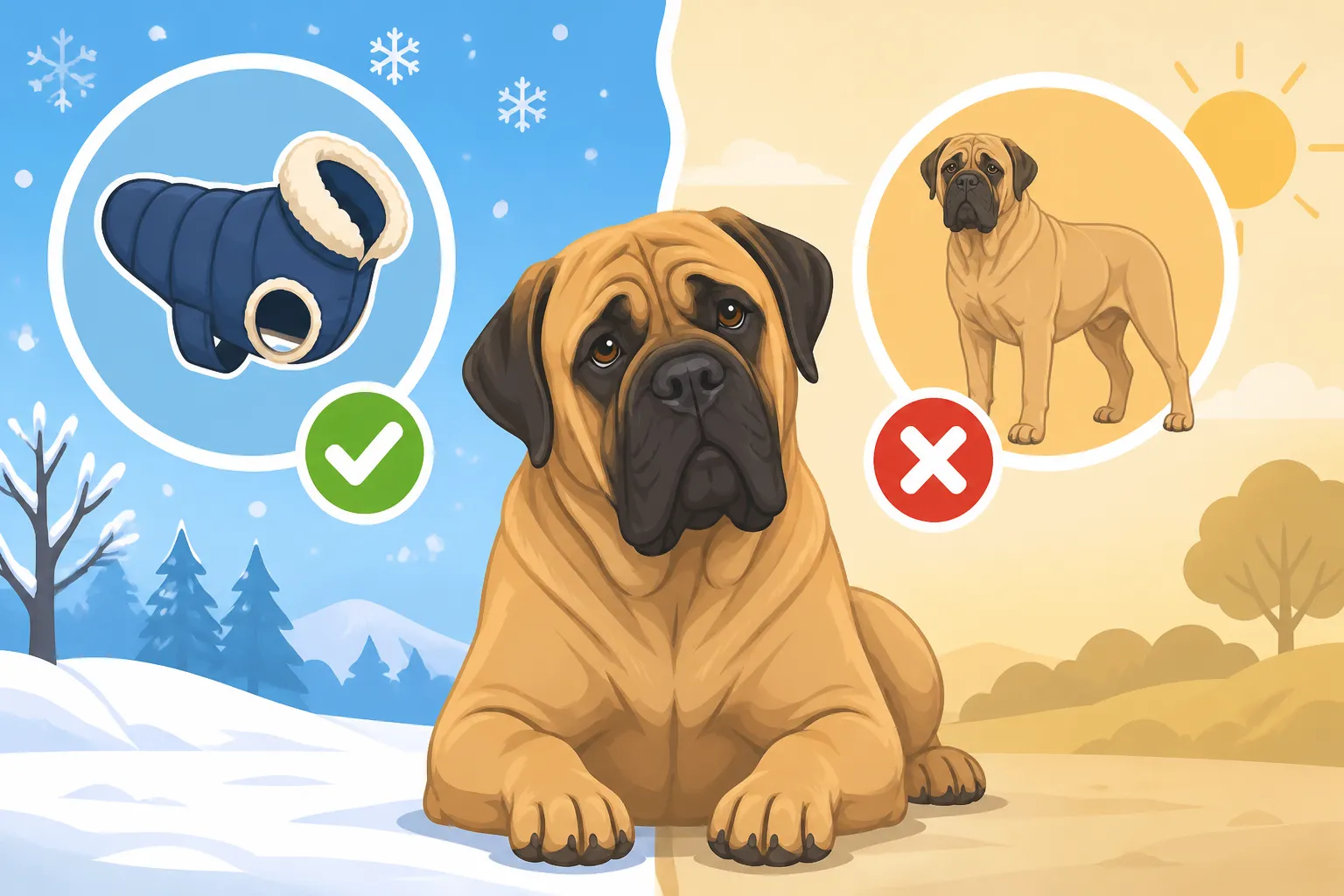
However, if you live in a region with true winters—think sustained freezing temperatures, significant snowfall, icy conditions, and biting wind chills—a coat becomes far more important. Wind chill can make an already cold temperature feel much colder, penetrating even a dense single coat quickly. Wet snow or freezing rain can also soak through their fur, leading to rapid heat loss. In such conditions, especially when The Temperature at Which a Mastiff Should Stay Indoors is advised, any outdoor time, even for a quick potty break, should be accompanied by appropriate warm gear. It’s not just about temperature; it’s about the whole package of winter nastiness.
| Weather Condition | Typical Temperature Range | Mastiff Coat Recommendation | Considerations |
|---|---|---|---|
| Mild Winter Day | 40-55°F (4-13°C) | Optional, thin | May be sufficient for healthy, active adults; older dogs may benefit. |
| Chilly/Breezy Day | 30-40°F (-1-4°C) | Often Recommended | Wind can cut through short coats; consider a wind-resistant, light insulated coat. |
| Cold Day with Light Snow | 20-30°F (-7 – -1°C) | Recommended | Waterproof outer layer crucial to prevent dampness; good insulation needed. |
| Freezing with Heavy Snow | Below 20°F (<-7°C) | Essential | Thick, waterproof, insulated coat for any outdoor duration. Limit time outside. |
| Icy/Freezing Rain | Any cold temp | Essential | Waterproofing is paramount to prevent wet fur and rapid heat loss. |
| Extreme Cold/Wind Chill | Well below 0°F (<-18°C) | Essential, multi-layer if poss | Prioritize warmth and limit exposure to bare minimum. Paw protection also critical. |
Individual Mastiff Characteristics
Beyond the weather, your individual Mastiff's unique traits will dictate their need for a coat. Not all Mastiffs are created equal in terms of cold tolerance.
An older Mastiff, for instance, might be less tolerant of cold due to a slowing metabolism, thinning fur, or underlying health conditions. Caring for a Mastiff Past Five often means paying closer attention to their comfort in various temperatures. Dogs with arthritis, a common ailment in large breeds as they age, will find cold, damp weather particularly painful. A warm coat can provide much-needed relief and improve their mobility during winter walks.
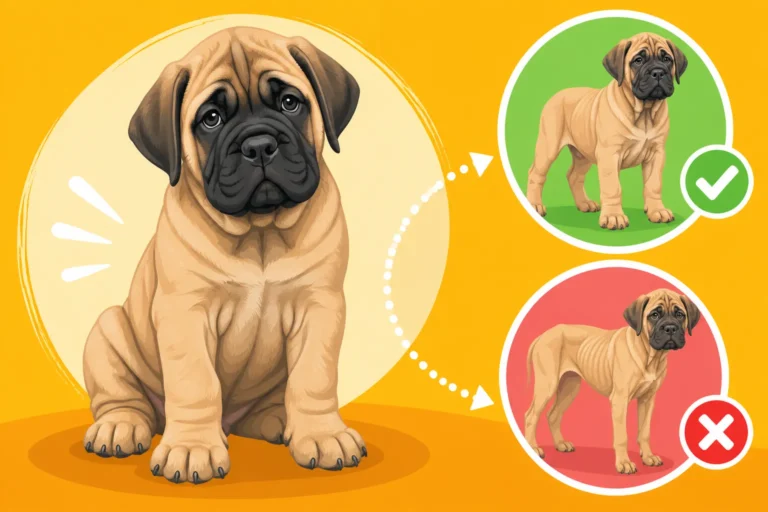
Puppies, while seemingly full of boundless energy, don't regulate their body temperature as efficiently as adults. Very young Mastiff puppies are more susceptible to hypothermia, so even a brief outdoor trip might require a tiny sweater or jacket. Conversely, a very lean, healthy, and active adult Mastiff in a moderate climate might be perfectly fine without a coat for quick outdoor breaks. However, Keeping a Mastiff Lean on Purpose is about health, not about skipping warmth. It's always a good idea to err on the side of caution. If your Mastiff shivers, seems reluctant to go outside, or moves stiffly after coming in from the cold, a coat is likely a good idea.
Consider also how long your Mastiff will be outside. A five-minute potty break is different from a twenty-minute walk around the block. The longer they're exposed to cold, the greater the need for a coat. Even if you're planning a short walk, remember that a Mastiff, especially one that is not fully matured, still needs protection. While The Age a Mastiff Starts to Slow might be later in life, cold weather can impact any dog.
Choosing and Using a Winter Coat for Your Mastiff
Once you've determined your Mastiff could benefit from a winter coat, the next step is selecting the right one and ensuring it's used effectively. This isn't just about fashion; it's about function and comfort for your colossal companion.
Types of Coats and Materials
When it comes to Mastiffs, "one size fits all" is a myth. Their unique proportions—deep chests, thick necks, and substantial bodies—mean that finding a properly fitting coat can be a bit of a quest. You'll primarily be looking at two main types:
- Waterproof Shells: These are excellent for milder, rainy, or wet snowy days where the primary concern is keeping your Mastiff dry. They typically offer minimal insulation but prevent their fur from getting soaked, which is crucial for preventing heat loss. Look for durable, rip-stop nylon or similar materials.
- Insulated Coats: These combine a waterproof or water-resistant outer layer with an insulating inner layer, often fleece, synthetic fill, or even wool. These are best for genuinely cold temperatures, especially if there's wind or sustained exposure. Many insulated coats also feature a high collar or hood to protect the neck and ears.
Regardless of the type, look for materials that are breathable to prevent overheating (yes, even in winter, a thick coat and vigorous play can lead to Why Bulk Makes a Mastiff Overheat), easy to clean, and durable enough to withstand a Mastiff's antics. Many reputable brands offer coats specifically designed for giant breeds, which can be a huge relief for owners struggling with standard sizing. Always check the sizing charts carefully on retailers like Chewy or Amazon, as measurements (chest girth, back length) are far more reliable than just "XL" or "XXL."
Ensuring Proper Fit and Comfort
A poorly fitting coat can do more harm than good. If it's too tight, it can restrict movement, chafe their skin, or even hinder circulation. If it's too loose, it can get snagged, flap annoyingly, or fail to provide adequate warmth. Here's what to look for:
- Chest and Neck: The coat should comfortably fit around your Mastiff's deep chest without being restrictive, allowing for full range of motion. The neck opening should be snug but not tight. You should be able to slide two fingers easily under any straps or closures.
- Back Length: The coat should extend from the base of their neck to at least the base of their tail, providing maximum coverage. Some coats for large breeds even have extensions that cover the rear haunches for extra warmth.
- Leg Openings: If the coat has leg straps, ensure they don't pull or rub. The armholes (if any) should be large enough to prevent chafing under the armpits.
- Belly Coverage: Good belly coverage is essential, especially for male Mastiffs, to protect their less-furred underside from cold ground or snow.
- Visibility: For evening walks, reflective strips are a huge bonus for safety.
Introducing a coat to your Mastiff might take a little patience. Start indoors with positive reinforcement, letting them wear it for short periods before graduating to outdoor adventures. Reward them with treats and praise when they tolerate it. You don't want the coat to become a source of stress or anxiety.
Alternative Winter Comfort Strategies Beyond a Coat
While a winter coat is a fantastic tool, it's just one piece of the puzzle when it comes to keeping your Mastiff cozy and protected during the colder months. A holistic approach to their winter care will ensure their overall well-being.
Indoor Comfort and Warmth
For a breed like the Mastiff, much of their winter comfort comes from their indoor environment. They aren't built to be outdoor dogs, and even with a coat, prolonged exposure to extreme cold is not advisable. Ensuring your home is warm enough for them is paramount.
- Dedicated Warm Spots: Provide your Mastiff with a cozy, draft-free place to sleep and rest. This might mean placing their bed away from exterior doors or drafty windows.
- Quality Bedding: A thick, orthopedic bed is not just a luxury; it's a necessity for a Mastiff, particularly older ones or those with joint issues. What an Orthopedic Bed for a Mastiff Costs might seem steep, but it's an investment in their comfort and health. These beds lift them off cold floors and provide critical cushioning. Look for beds with washable covers for easy cleaning.
- Rugs and Runners: If you have hardwood, tile, or laminate floors, these can be surprisingly cold for a Mastiff to lie on. Consider adding rugs or runners in frequently used areas. This also provides much-needed traction, which can be especially helpful for an older Mastiff or one struggling with mobility, preventing slips and falls.
Paw Protection and Shorter Walks
Your Mastiff's paws are directly exposed to cold, ice, snow, and potentially irritating road salts or chemicals. Just as important as a coat, paw protection can make a huge difference in their comfort.
- Paw Balm: Before and after walks, apply a protective paw balm. This creates a barrier against harsh elements and helps prevent cracking or irritation. You can find excellent options for paw balm on Chewy or Amazon.
- Dog Boots: While getting a Mastiff to tolerate boots can be a challenge, they offer the best protection against extreme cold, ice balls forming between toes, and chemical irritants. Look for durable, well-fitting boots with good traction. Introduce them gradually and positively, similar to a coat.
- Shorten Outdoor Time: Adjust your walk schedule. Instead of one long walk, consider multiple shorter outings. This reduces their overall exposure to the cold while still allowing them to stretch their legs and relieve themselves. Remember, even in winter, a Mastiff still needs some form of exercise, though The Walk Length That Damages a Mastiff Puppy is very important to consider for youngsters. Whether a Mastiff Should Walk at Midday is often a good strategy to catch the warmest part of the winter day.
Nutrition and Hydration
Winter isn't the time to let your Mastiff's diet slack. While some dogs might need a slight increase in calories if they're spending more time outdoors and burning more energy to stay warm, most Mastiffs are primarily indoor dogs in winter. Maintaining their lean body condition is key for joint health and overall longevity.
- Balanced Diet: Continue to feed a high-quality, balanced diet appropriate for a giant breed. Consult your vet if you're considering any dietary changes based on winter activity levels.
- Hydration: Always ensure fresh water is available. Even in cold weather, dogs can become dehydrated, especially if they're eating snow (which isn't a reliable source of hydration) or if the indoor air is dry from heating.
- Supplements: If your Mastiff has joint issues, discuss with your vet whether increasing their joint supplements is beneficial during colder months. Cold weather can often make existing conditions more pronounced, and extra support may be warranted.
By combining the right winter coat with a warm indoor environment, thoughtful paw care, and proper nutrition, you can ensure your beloved Mastiff remains happy, healthy, and comfortable throughout the chilliest parts of the year.
Disclaimer
This article is for general informational purposes only and does not constitute professional advice. Laws, prices and regulations vary by location and change over time. Consult a qualified professional for guidance on your specific situation.