Whether a Mastiff Needs Joint Supplements From a Year
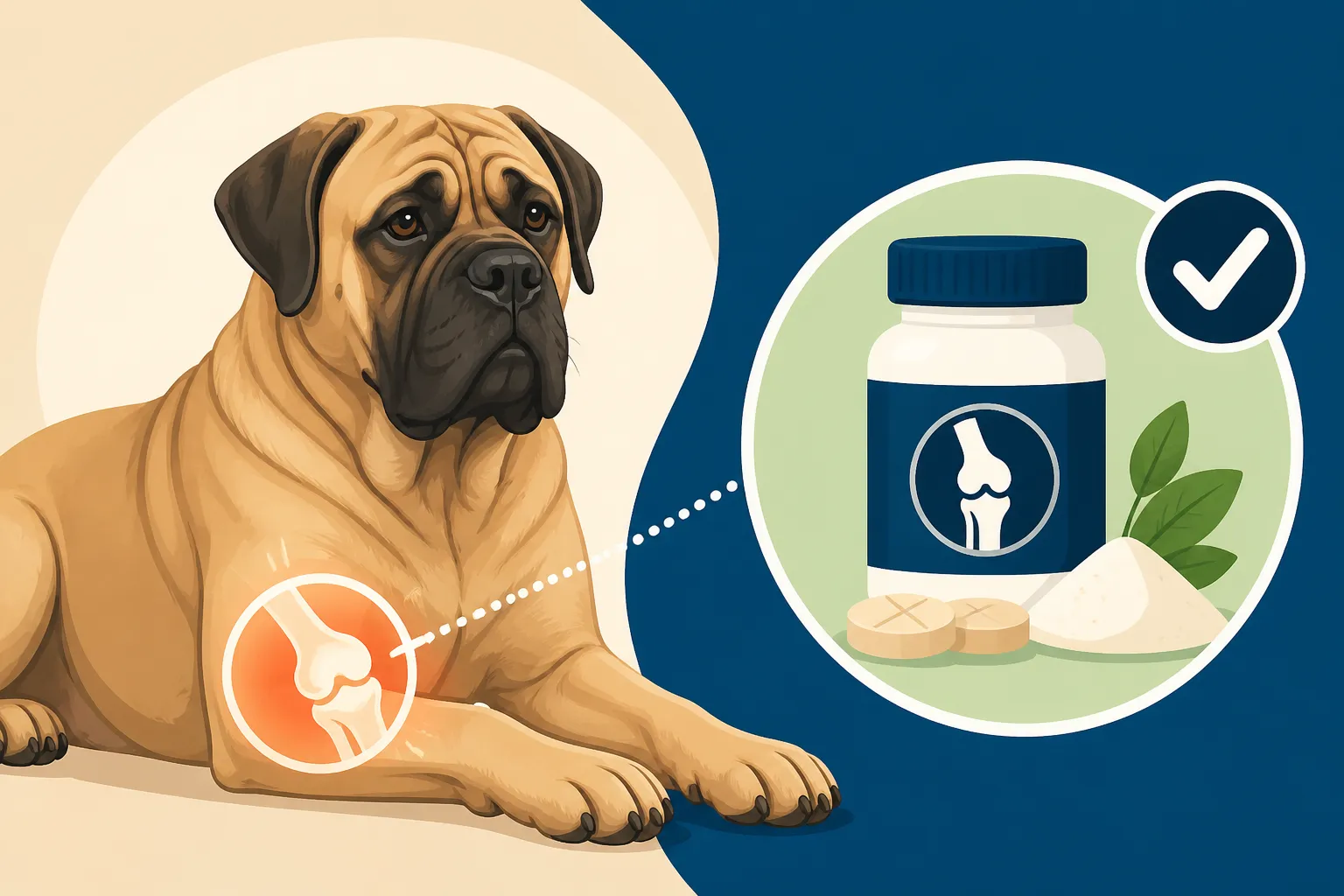
One of the biggest worries for any Mastiff owner is the health of their gentle giant's joints. These magnificent dogs grow at an astonishing rate and carry immense weight, often leading to concerns about conditions like hip and elbow dysplasia, even from a young age. This guide will dive deep into the complexities of Mastiff joint development, explore the role of joint supplements, and help you understand when and if they might be a beneficial addition to your dog's care routine starting around their first birthday.
Understanding Mastiff Joint Health and Early Development
Bringing home a Mastiff puppy is an incredible experience, watching them transform from a fluffy, clumsy ball of fur into a substantial dog in mere months. But this rapid growth, while amazing to witness, places immense strain on their developing skeletal system. It’s not like watching a smaller breed mature; a Mastiff’s body is a feat of engineering, and sometimes, that engineering needs a little extra support.
The Unique Challenges of a Growing Mastiff's Joints
Mastiffs are giants, plain and simple. Their sheer size means their joints, bones, and cartilage are under constant, significant pressure from the moment they start moving. They aren't designed to be athletic sprinters or high-jumping agility stars; their build is about mass and strength, which unfortunately comes with its own set of orthopedic challenges. Conditions like hip dysplasia and elbow dysplasia aren't just minor aches for a Mastiff; they can severely impact their quality of life, mobility, and even shorten their already too-brief existence.
Think about it: a human baby might double its birth weight in six months, but a Mastiff puppy can grow from a few pounds to well over a hundred in the same timeframe, sometimes even more. This isn't just about gaining fat; it's about bone and muscle development on an astronomical scale. This rapid expansion can sometimes outpace the healthy formation of joint tissues, leading to laxity, malformation, and eventually, arthritis. Factors such as genetics play a huge role here, but environmental influences during that critical first year are also incredibly important. For example, excessive running or jumping can put undue stress on soft, developing joints. It's why we emphasize Why a Mastiff Puppy Must Not Be Exercised Hard. Even simple things like playing on slippery surfaces can cause problems; What Bare Floors Do to a Growing Mastiff is a common issue many owners don't consider until it's too late. The goal is to support controlled, steady growth, not accelerated bulking up.
When "Preventative" Becomes "Necessary": The First Year Crossroads
The first year of a Mastiff's life is a whirlwind of growth, and it's also the period where critical decisions about their long-term health are often made, sometimes without us even realizing it. Many joint issues in Mastiffs, particularly hip and elbow dysplasia, have a genetic component. This means that if a puppy's parents carried the genes for these conditions, or exhibited them themselves, the puppy is already predisposed. However, the expression of these conditions can be mitigated or worsened by environmental factors.
By the time a Mastiff approaches its first birthday, much of its fundamental bone structure is in place, though they will continue to fill out and mature for another year or two. This "crossroads" around twelve months is often when owners start to consider proactive measures like joint supplements. Some will argue that if there are no obvious signs of lameness or discomfort, a supplement isn't needed. Others, however, advocate for starting supplementation early, viewing it as an insurance policy against future problems, especially given the breed's known propensity for joint issues. It's a careful balance between providing support and not over-supplementing or prematurely treating a problem that might not exist. For some Mastiffs, the subtle signs of discomfort might be missed until they become more pronounced, often around the time Arthritis in a Mastiff at Four begins to manifest.
Decoding Joint Supplement Ingredients and Their Efficacy
When you walk into a pet store or browse online, the sheer number of joint supplements available for dogs can be overwhelming. Each one promises to be the magic bullet for your Mastiff's creaky knees or stiff gait. But what are these ingredients, and what do they actually do? Understanding the science behind them can help you make a more informed decision for your big dog.
Common Ingredients: What They Do and Don't Do
The most prevalent ingredients you'll find in canine joint supplements are glucosamine, chondroitin sulfate, and MSM (methylsulfonylmethane). Often, they're combined, as they're believed to work synergistically.
- Glucosamine: This is an amino sugar that plays a crucial role in building and repairing cartilage. It's thought to help stimulate the production of proteoglycans and collagen, which are the main components of healthy cartilage. The theory is that by providing extra glucosamine, you're giving the body the building blocks it needs to maintain and repair cartilage, potentially slowing down its degradation. For a Mastiff carrying hundreds of pounds, any help in maintaining cartilage integrity is often welcomed.
- Chondroitin Sulfate: Frequently paired with glucosamine, chondroitin sulfate is another component of cartilage. It's believed to inhibit enzymes that break down cartilage and to promote water retention in the cartilage, which contributes to its elasticity and shock-absorbing properties. Think of it like hydrating a sponge—a well-hydrated sponge is springier.
- MSM (Methylsulfonylmethane): This is an organic sulfur compound that is often included for its anti-inflammatory and pain-relieving properties. Sulfur is a necessary component for the health of connective tissues. While it doesn't directly rebuild cartilage, reducing inflammation and discomfort can be a huge benefit for a large dog experiencing joint stress.
- Omega-3 Fatty Acids (EPA and DHA): These aren't typically "joint builders" in the same way glucosamine and chondroitin are, but they are powerful natural anti-inflammatories. Fish oil, rich in EPA and DHA, can help reduce the inflammatory response in joints, which is a major contributor to pain and further damage in conditions like arthritis. Many owners add fish oil separately or look for supplements that include it.
- Hyaluronic Acid (HA): This substance is a major component of synovial fluid, the lubricating fluid found in joints. It helps maintain the viscosity of this fluid, allowing for smoother joint movement. While less common as a standalone supplement, it's often found in higher-end formulations.
It's important to understand that these supplements are generally considered nutraceuticals, not drugs. They aren't meant to "cure" conditions like dysplasia but rather to support joint health, manage symptoms, and potentially slow progression. Their efficacy can vary greatly from dog to dog, and robust scientific evidence for every claim can sometimes be limited.
Quality and Sourcing: Not All Supplements Are Created Equal
Just like with human supplements, the quality and purity of canine joint supplements can vary dramatically. This is a critical point, especially when you're investing in your Mastiff's long-term health. The supplement market isn't as tightly regulated as prescription medications, which means it's up to you to be a savvy consumer.
When choosing a supplement, consider a few key factors:
- Reputable Brands: Look for companies that specialize in pet health and have a history of quality control. Many of the bigger names in pet supplies, like Chewy, carry a wide range of reputable joint supplements from established manufacturers. You can often find detailed product information and reviews there, helping you gauge general satisfaction.
- Third-Party Testing: Some brands voluntarily submit their products for independent third-party testing to verify ingredient purity and potency. This is a gold standard in the supplement world and offers an extra layer of assurance.
- Specific Formulations for Large/Giant Breeds: A supplement formulated for a Chihuahua might not contain the appropriate dosages or blend of ingredients for a two-hundred-pound Mastiff. Look for products specifically marketed for large or giant breeds, as they are usually designed with their unique needs and weight in mind.
- Source of Ingredients: Where do the glucosamine and chondroitin come from? Shellfish, bovine cartilage, or even plant-based sources are common. If your Mastiff has allergies, this could be a factor.
- Read Reviews, But Don't Rely Solely on Them: Reviews on sites like Amazon can give you an idea of palatability and general experiences, but remember that every dog is an individual. What works wonders for one Mastiff might not for another.
The cost can also be a consideration. Given the dosages a Mastiff needs, these supplements can add up. Some companies offer subscription services, and it's always worth comparing prices across different retailers. For example, a specialized fresh food company like Ollie might also offer supplements or recommendations tailored to a large breed's nutritional needs, which could include joint support.
Making the Decision: When and How to Start
Deciding when and how to start joint supplements for your Mastiff is a personal choice, but it should ideally be an informed one, made in consultation with a professional who knows your dog best. There's no one-size-fits-all answer, especially since every Mastiff is an individual with its own genetic predispositions and lifestyle.
Consulting Your Vet: The Non-Negotiable First Step
Before you add any supplement to your Mastiff's diet, especially if they are still under a year old, consulting your veterinarian is absolutely crucial. This isn't just a suggestion; it's a non-negotiable step. Your vet has access to your dog's full health history, knows their genetic background (if you've shared breeder information), and can perform physical examinations to assess joint health.
Here's why their input is so vital:
- Accurate Diagnosis: Your vet can help determine if there are any existing joint issues that might warrant supplementation. They can assess gait, palpate joints for swelling or pain, and potentially recommend X-rays if concerns arise. Sometimes, what looks like stiffness could be something else entirely.
- Dosage and Ingredient Advice: They can recommend specific brands or ingredients that are most likely to benefit your Mastiff, and provide guidance on appropriate dosages for your dog's size and age. Over-supplementation can be ineffective or, in rare cases, harmful.
- Interactions with Medications: If your Mastiff is on any other medications, your vet can advise on potential interactions with joint supplements.
- Holistic Health Plan: A good vet will look at the whole picture, suggesting dietary adjustments (like Restraining the Growth of a Mastiff Puppy and ensuring How Much a Mastiff Puppy Should Eat is appropriate), exercise modifications, and environmental changes (like proper bedding, such as Whether a Mastiff Needs Orthopedic Foam) alongside or instead of supplements.
- Monitoring Progress: Your vet can help you establish a baseline and then monitor your Mastiff's response to the supplements over time, adjusting as needed. They might suggest follow-up examinations to gauge improvement.
Don't be shy about asking questions. Come prepared with a list of ingredients you've seen, brands you're considering, and any specific concerns you have.
Proactive vs. Reactive: Tailoring Supplementation to Your Mastiff
The debate often boils down to whether to start joint supplements proactively (before any signs of trouble) or reactively (once symptoms appear).
- Proactive Approach (Often Recommended for Mastiffs): Given the breed's well-documented predisposition to joint diseases like hip and elbow dysplasia, many veterinarians and experienced Mastiff owners advocate for a proactive approach. This means starting joint supplements around one year of age, or even slightly earlier, as a preventative measure. The idea is to support joint health and cartilage integrity before significant damage occurs. It's like putting premium oil in a high-performance engine from the start. For a Mastiff that will eventually carry over 200 pounds, ensuring optimal joint health from the outset can make a world of difference later in life. This is especially true if you know your Mastiff comes from lines with a history of joint issues, even if their parents were screened and cleared. You want to give them the best possible chance to avoid debilitating issues that might otherwise arise.
- Reactive Approach: This involves waiting until you see signs of joint discomfort – stiffness after rest, limping, reluctance to play, difficulty getting up or down, or a change in gait. At this point, supplements are introduced to help manage pain, reduce inflammation, and slow further degradation. While supplements can still be beneficial reactively, the goal then shifts more towards symptom management rather than pure prevention, as some damage may already have occurred. Delaying intervention means the joints have been under stress for longer without additional support. This approach might be chosen for Mastiffs from exceptionally healthy lines with no known predispositions, or by owners who prefer to address problems only as they arise. However, remember that Mastiffs are stoic creatures, and sometimes by the time you see obvious signs of pain, the underlying condition has progressed significantly.
Ultimately, the choice depends on your Mastiff's individual risk factors, your vet's recommendation, and your personal philosophy on preventative care. For a breed like the Mastiff, which faces challenges like Why a Mastiff's Hips Fail Under Its Own Weight, a proactive stance is often the more prudent path.
Integrating Supplements into Your Mastiff's Routine
Once you've made the decision to start joint supplements, the next step is seamlessly incorporating them into your Mastiff's daily life. This isn't always as straightforward as it sounds, especially with a large, sometimes finicky eater!
Delivery Methods and Palatability
The best supplement in the world won't do any good if your Mastiff won't eat it. Luckily, manufacturers offer various forms, making it easier to find one your dog will accept.
- Chewable Tablets or Soft Chews: These are often designed to be palatable, flavored like beef, chicken, or bacon. Many Mastiffs will gobble these up like treats. This is usually the easiest route, but ensure the dose is sufficient for their weight. Brands often have specific chews aimed at giant breeds.
- Powders: Powders can be mixed directly into your Mastiff's food. This is a great option if your dog is suspicious of new chews or if you need to administer a very precise dose. Some Mastiffs are particular, so start with a small amount mixed thoroughly into a favorite wet food or a dollop of yogurt or peanut butter. If your Mastiff eats a substantial meal, like the volumes discussed in How Much an Adult Mastiff Eats by Weight Each Day, a powder might get lost and be less noticeable.
- Liquids: Liquid supplements can also be mixed into food or, if your dog is cooperative, given directly by syringe. This can be less messy than powder for some and ensures the entire dose is consumed.
- Capsules: Some supplements come in capsule form. For a Mastiff, these are often quite large and might need to be hidden in a treat or a spoonful of wet food. It's rare for a Mastiff to take a capsule willingly like a small pill.
When introducing a new supplement, do it gradually. Start with a smaller dose for a few days to avoid any stomach upset, then increase to the full recommended amount. Observe your Mastiff for any changes in appetite, stool, or behavior. If they consistently refuse a particular form, don't be afraid to try another. Stores like Chewy and Amazon often have customer reviews that mention palatability, which can be a good indicator.
Lifestyle Adjustments That Support Joint Health
Supplements are just one piece of the puzzle. A truly comprehensive approach to Mastiff joint health involves a holistic view of their lifestyle.
- Weight Management: This is, arguably, the single most critical factor in joint health for a Mastiff. Every extra pound your Mastiff carries puts exponentially more strain on their joints. Keeping your Mastiff lean, even "ribby" as a puppy, as explored in Keeping a Mastiff Lean on Purpose, is paramount. Consult your vet for an ideal body condition score, and adjust their food intake accordingly. It's often said that a lean Mastiff is a happier and healthier Mastiff.
- Appropriate Exercise: While Why a Mastiff Puppy Must Not Be Exercised Hard is vital, an adult Mastiff still needs regular, moderate exercise. This isn't about long runs or intense sports, but consistent, low-impact activities like leash walks and swimming (if they enjoy it and it's safe). This helps maintain muscle mass, which supports joints, and keeps them from becoming stiff. Avoid high-impact activities like jumping or prolonged stair climbing.
- Supportive Environment: Your home environment plays a massive role. Provide soft, orthopedic bedding in all resting areas. A Mastiff spending A Mastiff Lying Two Hundred Pounds on One Elbow All Day on a hard floor is asking for trouble, leading to calluses and unnecessary joint strain. Ensure they have good traction on floors to prevent slips and falls, as highlighted in Traction: Why a Mastiff Cannot Live on Bare Hardwood. Runners, carpets, or even well-placed rugs can make a huge difference, especially as they age.
- Balanced Nutrition: Beyond specific supplements, a high-quality, balanced diet designed for large or giant breeds is fundamental. As discussed in topics like The Protein and Calcium Ceiling for a Mastiff Puppy, appropriate nutrient levels during growth are critical to avoid developmental orthopedic diseases. Even in adulthood, good nutrition supports overall health, including joint integrity.
- Regular Veterinary Check-ups: Consistent vet visits allow for early detection of any emerging joint issues and provide opportunities to adjust their care plan, including supplementation, as needed. Your vet can monitor their gait, discuss any changes you've noticed, and ensure their overall health supports optimal joint function.
By combining well-chosen joint supplements with these essential lifestyle adjustments, you're giving your Mastiff the best possible chance at comfortable, mobile years, well beyond their first birthday.
In conclusion, the decision to start joint supplements for your Mastiff from a year of age is one that many owners wrestle with. Given the breed's size, rapid growth, and genetic predispositions to joint issues, a proactive approach, guided by your veterinarian, is often a wise investment in their long-term comfort and mobility. While supplements like glucosamine and chondroitin offer supportive building blocks, remember that they work best in conjunction with careful weight management, appropriate exercise, and a supportive home environment. By being diligent and informed, you can help ensure your magnificent Mastiff enjoys a life full of joyful, albeit deliberate, movement.
Disclaimer
This article is for general informational purposes only and does not constitute professional advice. Laws, prices and regulations vary by location and change over time. Consult a qualified professional for guidance on your specific situation.