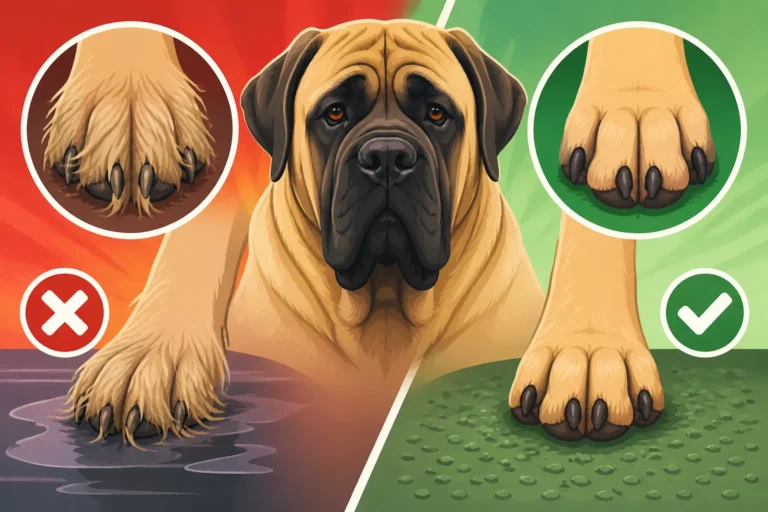
Whether Fish Oil Helps a Mastiff’s Joints
If you're a Mastiff owner, you know the giant shadow of joint health hangs heavy over every meal, every walk, every simple movement. It’s a constant worry, seeing their massive frames carry so much weight, and naturally, we want to do everything we can to keep them comfortable and active for as long as possible. Many of us turn to supplements, and fish oil often comes up as a potential hero for aching joints. But does it truly make a difference for a Mastiff, or is it just another expensive bottle on the shelf? Let's dive deep into whether fish oil can genuinely help your gentle giant's joints.
Understanding What Fish Oil Brings to the Table for Your Mastiff
When we talk about fish oil, what we're really focusing on are the Omega-3 fatty acids it contains, specifically EPA (eicosapentaenoic acid) and DHA (docosahexaenoic acid). These aren't just trendy buzzwords; they're essential nutrients that our Mastiffs often don't get enough of in their regular kibble. Unlike other fats, Omega-3s are renowned for their anti-inflammatory properties, which is precisely why they've gained so much traction in discussions about joint health.
Think of inflammation as the body's natural response to injury or irritation. In conditions like arthritis, this inflammatory response goes into overdrive, causing pain, stiffness, and further damage to cartilage and bone. EPA and DHA work by modulating this inflammatory pathway, essentially turning down the volume on the body's internal pain signals. They're not a quick fix or a painkiller in the traditional sense, but rather a long-term strategy to reduce the underlying inflammation that exacerbates joint issues. For a breed like the Mastiff, which often grapples with conditions such as Arthritis in a Mastiff at Four or Elbow Dysplasia Affects One Mastiff in Seven, mitigating systemic inflammation can be a game-changer for their comfort and mobility. It's about proactive care, helping to slow down the progression of degenerative joint disease rather than just reacting to acute pain.
Why Mastiffs Are So Prone to Joint Challenges
Let's be honest, owning a Mastiff means accepting that their sheer size is both their most magnificent trait and their greatest vulnerability when it comes to joints. These aren't dainty little dogs; they are magnificent, heavyweights, and every pound they carry places immense stress on their hips, elbows, and other weight-bearing joints. Their rapid growth as puppies, where they go from tiny bundles to immense young adults in a blink, is another significant factor. This explosive growth spurt means their bones and cartilage are developing at an incredible pace, and any imbalance in nutrition or too much strenuous exercise can lay the groundwork for future joint problems. This is why Restraining the Growth of a Mastiff Puppy through careful diet is so critical.
Conditions like hip dysplasia and elbow dysplasia are unfortunately common in Mastiffs, often genetically predisposed, and can manifest as early as puppyhood or young adulthood. Even without a formal diagnosis of dysplasia, the sheer mechanical stress on their joints over a lifetime means that arthritis is almost an inevitability as they age. Imagine carrying an extra hundred pounds or more on your own frame every single day – that's what a Mastiff's joints endure. Their significant weight also means that simple things like A Mastiff Lying Two Hundred Pounds on One Elbow All Day can contribute to callus formation and pressure points, further highlighting the need for comprehensive joint support. Therefore, anything that can reduce inflammation and support cartilage health, even subtly, is worth exploring for a Mastiff owner dedicated to their dog's long-term well-being.
The Evidence: What Science Says About Fish Oil for Canine Joints
While anecdotal evidence abounds, many Mastiff owners want to know if there's solid scientific proof behind fish oil's benefits. The good news is that numerous veterinary studies have explored the effects of Omega-3 fatty acids, particularly EPA and DHA, on canine joint health. These studies often show promising results, indicating that regular supplementation can indeed help reduce pain, improve mobility, and decrease the need for non-steroidal anti-inflammatory drugs (NSAIDs) in dogs with osteoarthritis.
For instance, research has demonstrated that Omega-3s can decrease the production of inflammatory mediators within the joints, which are the chemical culprits behind pain and tissue damage. This isn't just theory; it's a biochemical mechanism that has been observed in clinical settings. While fish oil might not reverse existing structural damage from conditions like hip dysplasia, it can significantly improve the quality of life for dogs suffering from the inflammation associated with these issues. It's often recommended as part of a multi-modal approach to managing osteoarthritis, alongside weight management, controlled exercise, and other prescribed medications. The goal isn't just to make them feel better for a day, but to support their joint health over months and years, extending their comfort. This long-term approach is vital, especially when you consider The Mastiff's Short Life Buys the Biggest Bills, making preventative and supportive care economically sensible too.
Choosing the Right Fish Oil Supplement for Your Giant
Navigating the world of fish oil supplements can feel overwhelming. With so many options on the market, how do you pick the best one for your Mastiff? It's not just about grabbing the biggest bottle; quality, purity, and concentration are paramount, especially for a large breed.
First and foremost, look for supplements that specifically state the amounts of EPA and DHA per dose. These are the active ingredients you're paying for. A good quality fish oil will have a high concentration of these two fatty acids. Don't be fooled by products that only list "total Omega-3s" without breaking it down, as some Omega-3s (like ALA from plant sources) are not as bioavailable or effective for dogs in combating inflammation.
Secondly, purity is non-negotiable. Fish, especially larger, longer-lived species, can accumulate heavy metals like mercury and other toxins. Therefore, always choose a supplement that is third-party tested for purity and potency. Many reputable brands will proudly display certifications or test results on their websites. This is incredibly important for your Mastiff's overall health, as you don't want to inadvertently introduce harmful contaminants while trying to help their joints. Brands found on platforms like Chewy or Amazon often provide these details, so take the time to read product descriptions and customer reviews carefully.
Finally, consider the source. Fish oil derived from small, oily fish like anchovies, sardines, and mackerel are generally preferred over those from larger fish, as they tend to have lower levels of accumulated toxins. Krill oil is another excellent source, offering additional antioxidants. Liquid forms are often easier to dose accurately for a Mastiff and can be mixed directly into their food. Capsules are also an option, but you'll likely need to give several, which can be a bit of a chore with a large dog.
Here's a quick guide to help you compare options:
| Feature | Look For | Avoid | Why It Matters for a Mastiff |
|---|---|---|---|
| EPA/DHA Content | Clearly listed, high amounts per dose (e.g., 500mg EPA, 250mg DHA+) | "Total Omega-3s" without breakdown; low concentrations | These are the anti-inflammatory powerhouses. More means better efficacy for big joints. |
| Purity/Testing | Third-party tested, certifications (e.g., IFOS, USP) for contaminants | No mention of testing; vague purity claims | Prevents introducing heavy metals or toxins into your giant's system. |
| Source | Small, oily fish (anchovies, sardines), krill | Large, long-lived predatory fish (often higher contaminant risk) | Smaller fish accumulate fewer toxins. Krill offers added benefits. |
| Form | Liquid for easy, accurate dosing; softgels if palatable and concentrated | Chewable "treats" (often low potency, high fillers); rancid oil | Liquid is easiest for large dogs. Rancidity negates benefits and can be harmful. |
| Freshness | Dark bottles, refrigeration recommended, clear expiration dates | Clear bottles, no storage instructions, approaching expiration | Omega-3s oxidize easily, becoming ineffective or even harmful when rancid. |
Remember, always consult your veterinarian before starting any new supplement, especially one for a Mastiff. They can help you determine the appropriate dosage for your dog's specific needs and health conditions, considering their weight and any other medications they might be on. Why a Mastiff Is Dosed by Lean Weight and Not Scale Weight is a critical factor, and your vet can guide you.
Integrating Fish Oil into Your Mastiff's Diet and Lifestyle
Once you've chosen a high-quality fish oil, the next step is successfully integrating it into your Mastiff's daily routine. Consistency is key to seeing benefits, as the anti-inflammatory effects build up over time. It's not like giving them a pain pill that works immediately; it's a long-game strategy for joint support.
Dosage and Administration
Getting the dosage right for a Mastiff can be tricky due to their immense size. General guidelines for dogs often recommend around 10-20 mg of combined EPA and DHA per pound of body weight daily. However, for a 180-pound Mastiff, that can mean a substantial amount of oil! This is where your vet's guidance is indispensable. They can help you calculate the precise dose based on your dog's weight, the severity of their joint issues, and the concentration of the specific fish oil product you've chosen. Always start with a lower dose and gradually increase it to the recommended amount to allow your Mastiff's digestive system to adjust.
Many owners find it easiest to simply squirt liquid fish oil directly over their Mastiff's food. If your dog is on a fresh food diet like Ollie, or a high-quality kibble from Chewy, fish oil usually mixes in seamlessly. Some Mastiffs, being the food lovers they are, might even enjoy the taste! If you're using capsules, you might need to hide them in a treat or a dollop of peanut butter.
Potential Side Effects and Considerations
While generally safe, fish oil can have some side effects, especially if given in excessive amounts. The most common issues are gastrointestinal upset, such as diarrhea, vomiting, or greasy stools. This is why a gradual introduction is recommended. Less commonly, very high doses can thin the blood, which could be a concern if your Mastiff is undergoing surgery or has a bleeding disorder. Again, this highlights the importance of veterinary consultation.
It's also crucial to store fish oil properly. Omega-3s are fragile and can become rancid when exposed to air, heat, or light. Always keep the bottle tightly sealed, preferably in the refrigerator, and discard any oil that smells overly fishy or "off." Rancid oil not only loses its beneficial properties but can actually be harmful to your dog.
Beyond Fish Oil: A Holistic Approach
While fish oil can be a powerful tool in your Mastiff's joint health arsenal, it's rarely a standalone solution. A truly comprehensive approach involves several key components:
- Weight Management: This is perhaps the single most impactful thing you can do for your Mastiff's joints. Every extra pound magnifies the stress. Keeping a Mastiff Lean on Purpose can literally add years of comfortable mobility to their life.
- Controlled Exercise: Appropriate, low-impact exercise helps maintain muscle mass, which supports joints. Think gentle walks, swimming, or short play sessions, rather than long runs or high-impact activities, especially for a Mastiff puppy.
- Supportive Environment: Provide orthopedic beds to cushion their heavy bodies (no more A Mastiff Lying Two Hundred Pounds on One Elbow All Day), ensure good traction on floors, and minimize stair climbing.
- Other Supplements: Many owners pair fish oil with other joint supplements like glucosamine and chondroitin, or even newer ingredients like green-lipped mussel. Your vet can advise if Joint Supplements for a Mastiff are appropriate for your dog's specific needs.
- Regular Veterinary Check-ups: Consistent vet visits allow for early detection of issues and proactive management, especially as your Mastiff matures and potentially starts to show signs of aging. This is critical for Caring for a Mastiff Past Five. Regular check-ups are also how you ensure your Mastiff is getting certified for conditions like hip and elbow dysplasia at The Age a Mastiff Is Certified by OFA.
Incorporating fish oil into this multi-faceted strategy offers the best chance to keep your beloved Mastiff's joints as healthy and comfortable as possible throughout their impressive, albeit often too short, lives. It's a testament to our dedication as Mastiff owners to do everything we can for these magnificent dogs.
Disclaimer
This article is for general informational purposes only and does not constitute professional advice. Laws, prices and regulations vary by location and change over time. Consult a qualified professional for guidance on your specific situation.