Why Calcium Is Capped for a Growing Mastiff
One of the most common pitfalls for new Mastiff owners is the well-intentioned but often misguided approach to feeding their rapidly growing giant. It's a natural instinct to want to provide every possible advantage to your colossal puppy, often leading to the assumption that more nutrients, especially for bone growth, must be better. However, when it comes to calcium in a growing Mastiff, this couldn't be further from the truth. Getting the calcium balance wrong in these formative months can have lifelong, debilitating consequences for their massive skeletal structure. This guide will delve deep into why precise calcium capping is not just important, but absolutely critical for ensuring your Mastiff puppy develops a strong, healthy foundation.
The Foundations of Giant Breed Growth: Why It's Different
Bringing home a Mastiff puppy is an incredible experience, watching them transform from a wrinkly, clumsy ball of fur into a magnificent, powerful giant. But this rapid transformation is also where much of the challenge lies. Unlike smaller breeds, whose growth plateaus relatively quickly, a Mastiff’s skeletal system undergoes a prolonged and incredibly intense period of development. This speed, coupled with the sheer amount of weight they will eventually carry, means their nutritional needs are uniquely precise and unforgiving.
More Than Just "Big Puppy" Food
It's tempting to think of a Mastiff puppy as just a "big puppy" that needs more of everything a smaller puppy gets. This mindset, while well-meaning, is fundamentally flawed. A Chihuahua puppy might reach its adult height and weight by eight or nine months, with its bones maturing at a proportionate rate. A Mastiff, on the other hand, will continue to grow in height and fill out in mass for two to three years. This extended growth phase, where immense size is achieved in a relatively short timeframe, places extraordinary demands on their developing joints and bones. Why a Mastiff Puppy Must Grow Slowly is not just a suggestion; it's a physiological imperative.
What works for a Labrador or a Golden Retriever puppy, in terms of protein and especially calcium levels, can actually be detrimental to a Mastiff. Their skeletal system is not simply scaling up; it's being built to withstand forces that smaller dogs will never experience. Imagine building a skyscraper versus a cottage. Both need strong foundations, but the materials and the rate of construction differ immensely. If you rush the skyscraper, or use the wrong mixture, the entire structure is compromised.
The Delicate Balance of Rapid Bone Development
The key difference lies in the growth plates – the areas of cartilage at the end of long bones where new bone tissue is formed. These plates are open and actively growing throughout puppyhood, gradually closing as the dog matures. In a Mastiff, these growth plates remain open longer and produce an astonishing amount of bone in a relatively short period. This rapid cellular division and calcification process is incredibly sensitive to external factors, particularly diet.
If a Mastiff puppy receives too much calcium during this critical window, their body's intricate regulatory system, designed to manage calcium absorption and deposition, can be overwhelmed. Instead of laying down bone in a controlled, organized fashion, the process can become accelerated and chaotic. This can lead to abnormalities in bone and cartilage formation, causing weaknesses and structural flaws that manifest as serious orthopedic conditions. It's a delicate dance between providing enough nutrients for robust growth and ensuring that growth doesn't happen too fast or with improper building blocks.
Understanding Calcium's Role and Risks in Mastiffs
Calcium is undeniably vital. It’s the primary mineral component of bones and teeth, playing a crucial role in nerve transmission, muscle function, and blood clotting. However, with giant breeds like Mastiffs, the risk lies not in deficiency (which is rare with commercial diets), but overwhelmingly in excess. Owners often hear "calcium for strong bones" and instinctively think more is better, failing to grasp the unique physiological response of a giant breed puppy to dietary calcium.
Calcium: Essential, But a Double-Edged Sword
Think of calcium as a necessary ingredient in a complex recipe. Without it, the dish fails entirely. But too much, or the wrong amount at the wrong time, can also ruin it. In a Mastiff puppy, the digestive system is highly efficient at absorbing calcium. Unlike adult dogs, who have a finely tuned system that regulates calcium absorption based on the body's needs, puppies often absorb a higher percentage of the calcium they consume, regardless of whether their body actually requires it.
This means that if a puppy's diet contains excessive calcium, the body will absorb and deposit much of it into the developing skeleton. This uncontrolled deposition can interfere with the normal, orderly process of bone and cartilage development. Instead of building a flexible, strong, and resilient skeletal framework, the body might create bone that is too dense in some areas and structurally unsound in others, all because the natural checks and balances are overwhelmed by the sheer volume of calcium. It’s a classic case where good intentions can pave the way to serious health issues.
Hypercalcemia and Skeletal Development Issues
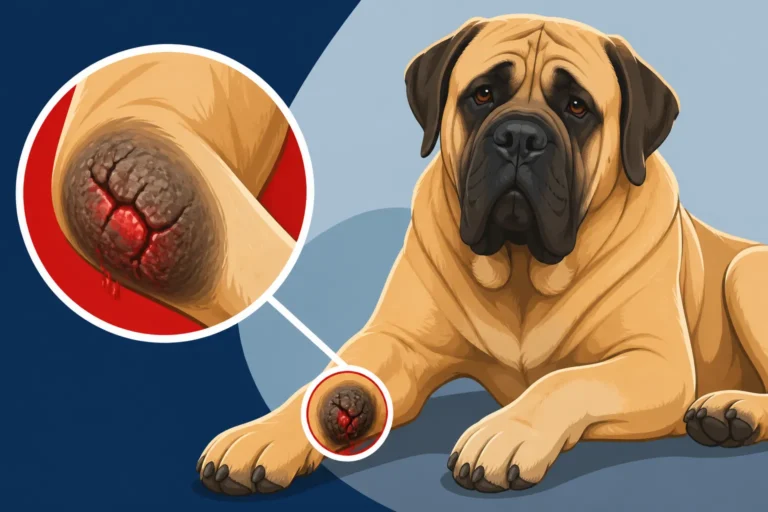
When a Mastiff puppy consumes too much calcium, it can lead to a state of hypercalcemia within their system, or at least an imbalance that negatively impacts development. This overload directly contributes to a range of devastating orthopedic conditions. The most commonly seen issues include Osteochondrosis (OCD), a disease where cartilage fails to mature into bone properly, often leading to painful flaps of cartilage in joints like the shoulders, elbows, and knees. Another significant concern is What Excess Calcium Does to a Mastiff's Elbows, contributing to elbow dysplasia, a complex condition encompassing several developmental abnormalities of the elbow joint. Similarly, it plays a role in the development of hip dysplasia, where the hip joint doesn't form correctly, leading to looseness and eventual arthritis. Why a Mastiff's Hips Fail Under Its Own Weight can often be traced back to these early developmental issues, exacerbated by rapid, uncontrolled growth.
These conditions aren't just minor aches; they are chronic, painful, and often require expensive and invasive surgeries, significantly impacting a Mastiff's quality of life and longevity. Imagine your massive, loving companion struggling to get up, or limping through their prime years, all because of an imbalance during their puppyhood. It's a heartbreaking reality that careful attention to diet aims to prevent.
Beyond Bones: Other Concerns of Excessive Calcium
While skeletal issues are the most prominent and concerning consequence of excessive calcium in growing Mastiffs, the ripple effects can extend beyond just bones. An imbalance in calcium can, for example, interfere with the proper absorption and utilization of other vital minerals, such as phosphorus, zinc, and copper. These minerals are also crucial for overall growth, immune function, and coat health.
Excessive calcium can also place undue stress on a puppy’s kidneys, which are responsible for filtering out excess minerals. While acute kidney failure is unlikely, chronic overload might contribute to long-term renal strain. Furthermore, the overall metabolic disturbance can affect growth hormone regulation and potentially lead to other, less obvious developmental problems. It’s a systemic issue, not just localized to the joints, underscoring the delicate interconnectedness of a growing body and the precise nutritional needs of a giant breed.
The Perils of Over-Supplementation and Poor Diet Choices
Many well-meaning Mastiff owners, perhaps having owned smaller dogs before, inadvertently fall into traps of over-supplementation or feeding inappropriate diets, thinking they are doing their best for their giant breed puppy. It’s a testament to their love, but unfortunately, it can backfire profoundly due to a lack of specific knowledge about giant breed nutritional requirements.
The Trap of "More is Better" Supplementation
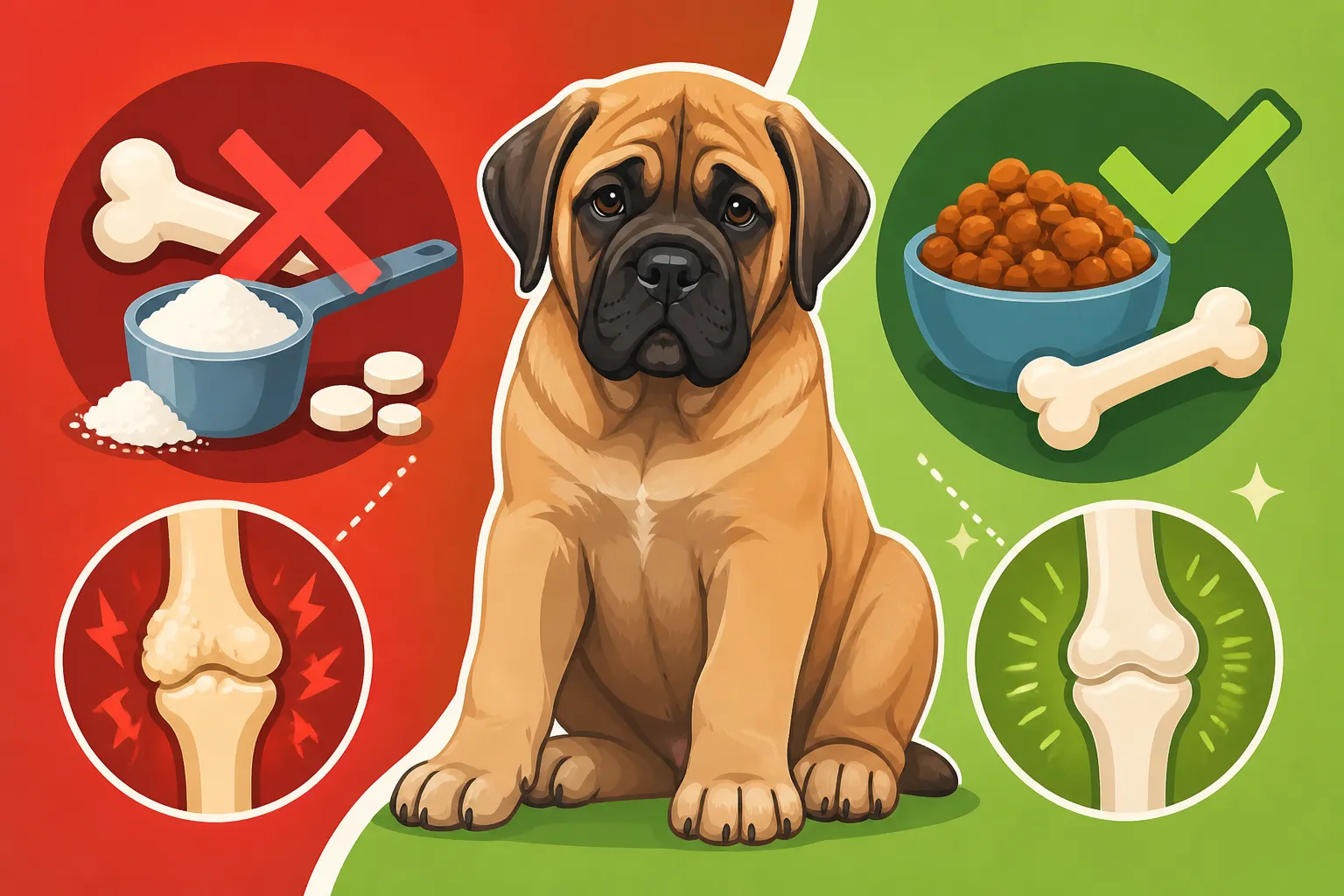
The biggest mistake an owner can make with a Mastiff puppy is adding calcium supplements, milk, cottage cheese, or other calcium-rich foods to an already nutritionally complete diet. These additions, even seemingly innocuous ones, can push the total calcium intake into dangerous territory. Commercial giant breed puppy foods are meticulously formulated to provide the correct amount of calcium for slow, steady skeletal development. When you add extra, you disrupt that careful balance.
For example, a teaspoon of bone meal or a dollop of yogurt might seem harmless, but for a growing Mastiff, it could mean the difference between healthy bone growth and the onset of orthopedic disease. The belief that "milk builds strong bones" is ingrained in our culture, but for a Mastiff puppy on a proper diet, extra dairy simply means extra, unregulated calcium. Before you add anything to your Mastiff puppy's diet, always, always consult your veterinarian. They can guide you on the specific needs of your puppy and help you avoid common pitfalls.
Why Regular Puppy Food Isn't Always Right
Most standard puppy foods on the market are designed for the average-sized dog, like a Retriever or a Shepherd. These formulas typically contain higher protein and calcium levels to support the rapid growth rates of these breeds. While perfect for their target audience, these very formulations become problematic for a Mastiff. The calcium content, which might be optimal for a 50-pound adult dog, is far too high for a 200-pound adult Mastiff, let alone a rapidly growing puppy destined for that size.
Feeding a Mastiff puppy a generic "all-breed" puppy food can inadvertently contribute to skeletal problems. Their unique growth trajectory demands a specifically tailored diet. This is why specialized giant breed puppy formulas exist. They are formulated with carefully controlled calcium and phosphorus levels, and often slightly lower protein, to support the slower, more deliberate growth that prevents orthopedic issues. Investing in these specialized foods, readily available from pet retailers like Chewy or Amazon, is not just a preference; it’s a critical health decision for your Mastiff puppy.
Reading Labels: What to Look For (and Avoid)
Navigating dog food labels can feel like deciphering a secret code, but for a Mastiff owner, understanding calcium content is non-negotiable. When choosing a giant breed puppy food, you need to look beyond the flashy marketing and focus on the guaranteed analysis. Specifically, pay close attention to the calcium percentage on a dry matter basis (DMB).
Ideally, for a growing Mastiff, the calcium percentage on a dry matter basis should fall within a narrow range, typically between 1.0% and 1.5%. Anything significantly above this, particularly above 1.8%, should raise a red flag. Equally important is the calcium-to-phosphorus ratio. This ratio should be maintained between 1.1:1 and 1.4:1. Some premium brands of giant breed puppy food, which you can often find through online retailers, will clearly state these figures. If a food doesn't list these details, it's probably not the right choice for your Mastiff. Don't be afraid to contact the manufacturer directly for clarification if the label is ambiguous.
Optimal Calcium Levels for a Growing Mastiff
Getting the calcium levels just right for your Mastiff puppy isn't about guesswork; it's about adhering to scientifically backed guidelines that promote healthy, steady development. This precision is vital because, as we've discussed, both too much and too little calcium can be problematic, though excess is by far the more common and devastating issue in giant breeds.
The "Sweet Spot" for Calcium Intake
For Mastiff puppies, the general recommendation for calcium content in their diet, on a dry matter basis, is approximately 1.0% to 1.5%. This range provides sufficient calcium for robust bone development without overstimulating growth plates or disrupting the delicate mineralization process. It's a controlled approach that aims for quality of growth over sheer speed. Aiming for the lower end of this range, especially for very large individuals or during periods of rapid growth, is often considered safer.
It's also worth noting that consistency in diet is key. Constantly switching between different foods with varying calcium levels can make it difficult to maintain this "sweet spot." Once you find a high-quality giant breed puppy food that meets these criteria and your Mastiff is thriving on it, stick with it. Sudden dietary changes can sometimes trigger digestive upset, and more importantly, disrupt the carefully calibrated nutrient intake essential for healthy development.
The Importance of a Balanced Calcium-to-Phosphorus Ratio
Beyond the absolute percentage of calcium, the calcium-to-phosphorus ratio is an equally, if not more, critical factor for giant breed puppies. Phosphorus is the second most abundant mineral in the body and works hand-in-hand with calcium for bone formation and numerous other physiological processes. If this ratio is out of balance, even if the calcium percentage seems acceptable, it can still lead to skeletal problems.
The ideal calcium-to-phosphorus ratio for a growing Mastiff should be approximately 1.1:1 to 1.4:1. A ratio that leans too heavily towards calcium (e.g., 2:1 or higher) can inhibit phosphorus absorption and vice versa, leading to metabolic bone disease. Many reputable giant breed puppy foods are formulated to meet this specific ratio, which is why choosing a diet explicitly designed for their needs is paramount. Don't just look for "high protein" or "natural ingredients"; look for the precise mineral analysis.
Professional Guidance and Ongoing Monitoring
Even with the best intentions and careful label reading, navigating a Mastiff puppy's growth can be complex. This is where professional guidance becomes invaluable. Regular check-ups with your veterinarian are crucial. They can monitor your puppy's growth rate, assess their body condition (ensuring they aren't growing too fast or becoming overweight), and provide tailored advice.
Don't hesitate to consult with a board-certified veterinary nutritionist, especially if your Mastiff has specific health concerns or if you're considering a homemade or raw diet. While services like Ollie offer conveniently prepared meals, even fresh food diets need careful formulation for growing giants to ensure they meet the strict calcium and phosphorus guidelines. These experts can help you fine-tune the diet to ensure optimal skeletal development. Additionally, your vet can provide The Feeding Chart a Mastiff Puppy Should Follow to ensure you're on track for healthy, steady growth.
Practical Feeding Strategies for Mastiff Puppies
Knowing the "why" behind calcium capping is important, but implementing it through practical feeding strategies is where the real work happens. It's about making informed choices every day to protect your Mastiff's long-term health and mobility.
Choosing the Right Food: Giant Breed Specific Formulas
The single most impactful decision you can make regarding your Mastiff puppy's diet is selecting a high-quality, reputable giant breed specific puppy food. These formulations are not a marketing gimmick; they are scientifically engineered to meet the unique growth requirements of immense breeds like Mastiffs. They feature:
- Controlled Calcium Levels: As discussed, typically between 1.0-1.5% on a dry matter basis.
- Balanced Calcium-to-Phosphorus Ratio: Maintained within the ideal 1.1:1 to 1.4:1 range.
- Moderate Protein and Fat: Designed to support lean muscle mass without encouraging overly rapid weight gain.
- Added Joint Support: Many include glucosamine and chondroitin, precursors to cartilage, to support joint health from an early age.
Brands that specialize in giant breed nutrition have dedicated extensive research to these specific needs. You can find these specialized diets at most large pet supply stores or through online retailers like Chewy and Amazon. Always double-check the labels, even on foods marketed as "large breed," to ensure they meet the specific calcium and phosphorus criteria for giant breeds. Whether Large Breed Puppy Food Is Enough for a Mastiff is a common question, and the answer is often "not quite" if the calcium is too high.
Avoiding Common Feeding Mistakes
Beyond choosing the right food, how you feed your Mastiff puppy is equally crucial. Here are some common mistakes to avoid:
- Free-Feeding: Leaving food out all day might seem convenient, but it allows your puppy to eat more than they need, promoting excessive growth and weight gain. Why a Mastiff Puppy Is Never Free Fed is a cardinal rule. Instead, feed measured meals two or three times a day, removing any uneaten food after 15-20 minutes. This also helps you monitor their appetite, which can be an indicator of health.
- Supplementing Without Guidance: As emphasized earlier, avoid adding any calcium, vitamin, or mineral supplements unless specifically instructed by your veterinarian or a veterinary nutritionist. Your giant breed puppy food is already complete and balanced.
- Table Scraps and Human Food: While a small piece of plain chicken might seem harmless, consistently feeding table scraps can unbalance a carefully formulated diet, introduce excess calories, and potentially upset your puppy's digestive system. Some human foods can also be toxic.
- Overfeeding: Even with the right food, feeding too much can lead to rapid weight gain, putting undue stress on developing joints. Your puppy should be lean, with easily palpable ribs, but not bony. How Ribby a Mastiff Puppy Should Look isn't just about aesthetics; it's a marker of healthy growth.
Monitoring Growth, Not Just Weight
While you'll certainly be aware of your Mastiff puppy's weight as they grow, focusing solely on the numbers on the scale can be misleading. A healthy Mastiff puppy grows steadily, not explosively. You want a lean, athletic puppy, not a chunky one. Excessive weight gain, even without calcium issues, puts immense pressure on developing joints and significantly increases the risk of orthopedic problems like Elbow Dysplasia Affects One Mastiff in Seven.
Instead of just weight, monitor your puppy's body condition score. You should be able to easily feel their ribs without seeing them protruding. Their waist should be evident when viewed from above, and there should be a tuck-up when viewed from the side. Take photos regularly to track their physical development. Watch for any signs of lameness, stiffness, or changes in gait, even subtle ones, and report them to your vet immediately. Early intervention is key if developmental issues arise. Remember, the goal is slow, steady, and healthy growth, not a race to reach adult size.
| Nutrient/Ratio | Ideal for Giant Breed Puppies (Dry Matter Basis) | Typical "All-Breed" Puppy Food Range (Dry Matter Basis) | Potential Impact of "All-Breed" Food on Mastiff Puppies |
|---|---|---|---|
| Calcium | 1.0% – 1.5% | 1.5% – 2.5% or higher | Increased risk of Osteochondrosis (OCD), Hip/Elbow Dysplasia |
| Phosphorus | 0.8% – 1.2% | 1.0% – 1.8% | Minor differences, but crucial for ratio balance |
| Ca:P Ratio | 1.1:1 – 1.4:1 | 1.2:1 – 1.8:1 or higher | Imbalance can disrupt bone mineralization and cause skeletal deformities |
Disclaimer
This article is for general informational purposes only and does not constitute professional advice. Laws, prices and regulations vary by location and change over time. Consult a qualified professional for guidance on your specific situation.