Whether a Mastiff Should Avoid Grain Free Food
As a Mastiff owner, it's completely understandable to feel overwhelmed by the sheer volume of information and conflicting advice out there, especially when it comes to something as fundamental as what you put in your dog's bowl. Many of us, myself included, have stood in the pet food aisle staring at "grain-free" labels, wondering if we're doing our best for our big dogs or inadvertently risking their health. This guide is here to untangle the confusion, particularly for our beloved Mastiffs, and help you navigate the discussions around grain-free diets and their potential implications.
The Rise and Fall of the Grain-Free Trend
It wasn't that long ago that "grain-free" dog food seemed like the gold standard, touted everywhere as the healthiest choice for our canine companions. For a breed like the Mastiff, with their unique health considerations, the idea of a superior diet was particularly appealing.
Why Grain-Free Became Popular
The initial surge in grain-free pet food's popularity largely mirrored human dietary trends. Think about it: gluten-free and low-carb diets gained traction for people, and soon, the idea trickled down to our pets. The marketing was compelling, suggesting that grains were unnatural fillers, common allergens, or simply harder for dogs to digest. Many brands capitalized on the "ancestral diet" concept, implying that dogs, being descended from wolves, weren't meant to consume grains.
This narrative resonated with many well-meaning pet owners who wanted to provide the absolute best for their furry family members. It felt intuitive that a diet closer to what a wolf might eat in the wild would be healthier. Products were often positioned as "premium" and were readily available from popular online retailers like Chewy, offering a vast selection that catered to this growing demand. We were convinced that we were making a superior choice, and who doesn't want that for their Mastiff?
The Initial Appeal for Mastiff Owners
For those of us with Mastiffs, the appeal of grain-free food was often even stronger. We know our gentle giants are predisposed to various health challenges, from joint issues to certain cancers, and we're always looking for ways to give them the healthiest, longest life possible. If a diet could theoretically reduce allergy risks or improve digestion, it felt like a proactive step.
We worried about potential food sensitivities causing skin issues or upset stomachs in our big dogs, and grain-free seemed like a straightforward solution. The idea of feeding a "natural" diet felt especially right for a breed as ancient and robust as the Mastiff. Many breeders and enthusiasts started recommending grain-free options, further cementing its status as a top choice. However, as we've learned, what feels right isn't always supported by science, and sometimes, those well-intentioned choices can have unforeseen consequences.
The FDA's Investigation: Linking Diet to Dilated Cardiomyopathy (DCM)
Then came the unsettling news that sent a ripple of concern through the pet-owning community, especially those of us with large and giant breeds. The U.S. Food and Drug Administration (FDA) began investigating a potential link between certain grain-free diets and a serious heart condition known as Dilated Cardiomyopathy, or DCM.
The Alarming Connection to Heart Disease
The FDA's investigation, which is still ongoing, highlighted a concerning rise in DCM cases among dog breeds not typically genetically predisposed to the condition. Normally, breeds like Doberman Pinschers or Great Danes are more commonly associated with genetic DCM. However, dogs of various breeds, including Golden Retrievers, Labrador Retrievers, and even smaller dogs, were developing DCM after being fed diets marketed as grain-free. This was a huge red flag.
For Mastiff owners, this information added another layer of worry. While Mastiffs are not typically known for this diet-induced form of DCM, any heart issue is a significant concern for such a large dog. Their sheer size means their heart already works incredibly hard to pump blood throughout their massive bodies. Whether a Mastiff Needs a Cardiac Exam is always a good idea, and this news only reinforced the need for vigilance regarding cardiac health. The theory behind the diet-associated DCM often points to a potential taurine deficiency or other nutrient imbalances that arise from the way these foods are formulated.
Specific Ingredients Under Scrutiny
When grains like corn, wheat, and rice are removed from dog food, manufacturers need to replace them with other carbohydrate sources to provide energy and structure to the kibble. The ingredients most frequently used as alternatives in grain-free formulas, and thus under the FDA's scrutiny, are legumes like peas, lentils, chickpeas, and various forms of potatoes and sweet potatoes. These ingredients became the bulk of the carbohydrate content in many grain-free foods.
It's important to understand that these ingredients aren't inherently "bad" in moderate amounts. Peas, for example, can offer fiber and protein. However, the concern is their high concentration in these diets and how they might interfere with the absorption, metabolism, or availability of critical nutrients, particularly taurine. Taurine is an amino acid essential for healthy heart function. If a diet inadvertently leads to a taurine deficiency or affects other nutrient pathways, it could contribute to the development of DCM. Many owners, trusting the marketing, would simply pick up these foods from places like Amazon, assuming all ingredients were equally beneficial without understanding the potential for imbalance when heavily relied upon.
Understanding Dilated Cardiomyopathy (DCM) in Mastiffs
When we talk about something as serious as heart disease in our Mastiffs, it's natural to feel a knot in your stomach. Understanding what DCM is and how it might affect your big dog can help you make more informed decisions about their care.
What DCM Means for a Giant Breed Heart
Dilated Cardiomyopathy (DCM) is a serious condition where the heart's chambers, particularly the left ventricle, become enlarged and their walls thin. This makes the heart muscle weaker and less able to pump blood efficiently to the rest of the body. Imagine a balloon that's been stretched too many times – it loses its elasticity and can't inflate or deflate as effectively. That's a simplified way to think about a heart affected by DCM.
For a massive dog like a Mastiff, a compromised heart works under immense strain. Their sheer size means there's a huge volume of blood to pump, and every beat requires significant effort. When the heart's efficiency drops, it can lead to a cascade of problems, including fluid buildup in the lungs (congestive heart failure), extreme fatigue, and a significantly shortened lifespan. What Ends a Mastiff at Eight often involves age-related health issues, and a serious condition like DCM can certainly contribute to a decline.
The signs of DCM can be subtle at first, easily mistaken for general lethargy or simply "being a lazy Mastiff." You might notice your dog tiring more easily on walks, becoming less enthusiastic about play, or developing a soft, persistent cough, especially after exertion or when lying down. They might also breathe more rapidly, even at rest. If you see any of these signs, it's crucial to consult your veterinarian promptly. Early detection, while challenging, can sometimes make a difference in managing the condition. You can learn more about this in Whether a Mastiff Gets Dilated Cardiomyopathy.
Genetic Predisposition vs. Diet-Associated DCM
It's important to distinguish between the different types of DCM. Some breeds, such as Doberman Pinschers, Boxers, and Great Danes, have a well-documented genetic predisposition to DCM. This means they carry genes that make them inherently more likely to develop the condition, regardless of diet. For these breeds, routine cardiac screening is often recommended.
However, the FDA's investigation focused on a different phenomenon: cases of DCM appearing in breeds not typically genetically at high risk, or even in breeds known to be at risk but presenting with atypical forms of the disease. This is what's being referred to as "diet-associated DCM" or "nutritional DCM." The key takeaway here is that while your Mastiff might not have the same genetic risk profile for DCM as a Doberman, the diet they are on could potentially create a risk where one didn't exist before.
The exact mechanisms behind diet-associated DCM are still being researched. It's complex and likely involves more than just taurine deficiency, potentially including other nutrient interactions or individual dog sensitivities. Because of this complexity and the severity of the condition, many veterinary cardiologists and nutritionists now advise caution with certain grain-free diets, especially those high in legumes. The Age a Mastiff Starts to Slow usually involves normal aging, but symptoms of diet-associated DCM could mimic this, making it even harder to diagnose without a vet's help.
Making the Best Dietary Choices for Your Mastiff
Navigating the world of dog food can feel like a minefield, especially with the weight of potential health concerns on your shoulders. The good news is that by staying informed and working with your veterinary team, you can confidently choose the best diet for your Mastiff.
Consulting Your Veterinarian is Key
When it comes to your Mastiff's diet, there truly isn't a one-size-fits-all answer. Every dog is an individual, with unique needs based on their age, activity level, existing health conditions, and even their specific metabolism. This is why the most crucial step in determining whether a grain-free diet is right for your Mastiff is to have an open and honest conversation with your veterinarian.
Your vet knows your Mastiff's medical history better than anyone. They can assess if there are any specific health issues, like allergies or digestive sensitivities, that might genuinely warrant a specialized diet. They can also provide guidance based on the latest veterinary nutritional science, rather than relying on marketing trends. For instance, if your Mastiff is an adult, their feeding needs are different from a growing puppy. How Much an Adult Mastiff Eats by Weight Each Day is a common question, and your vet can help you tailor the diet not just to ingredients but also to quantity and caloric needs. Do not make drastic dietary changes without professional guidance, especially for such a large and precious animal.
Re-evaluating Grain-Inclusive Diets
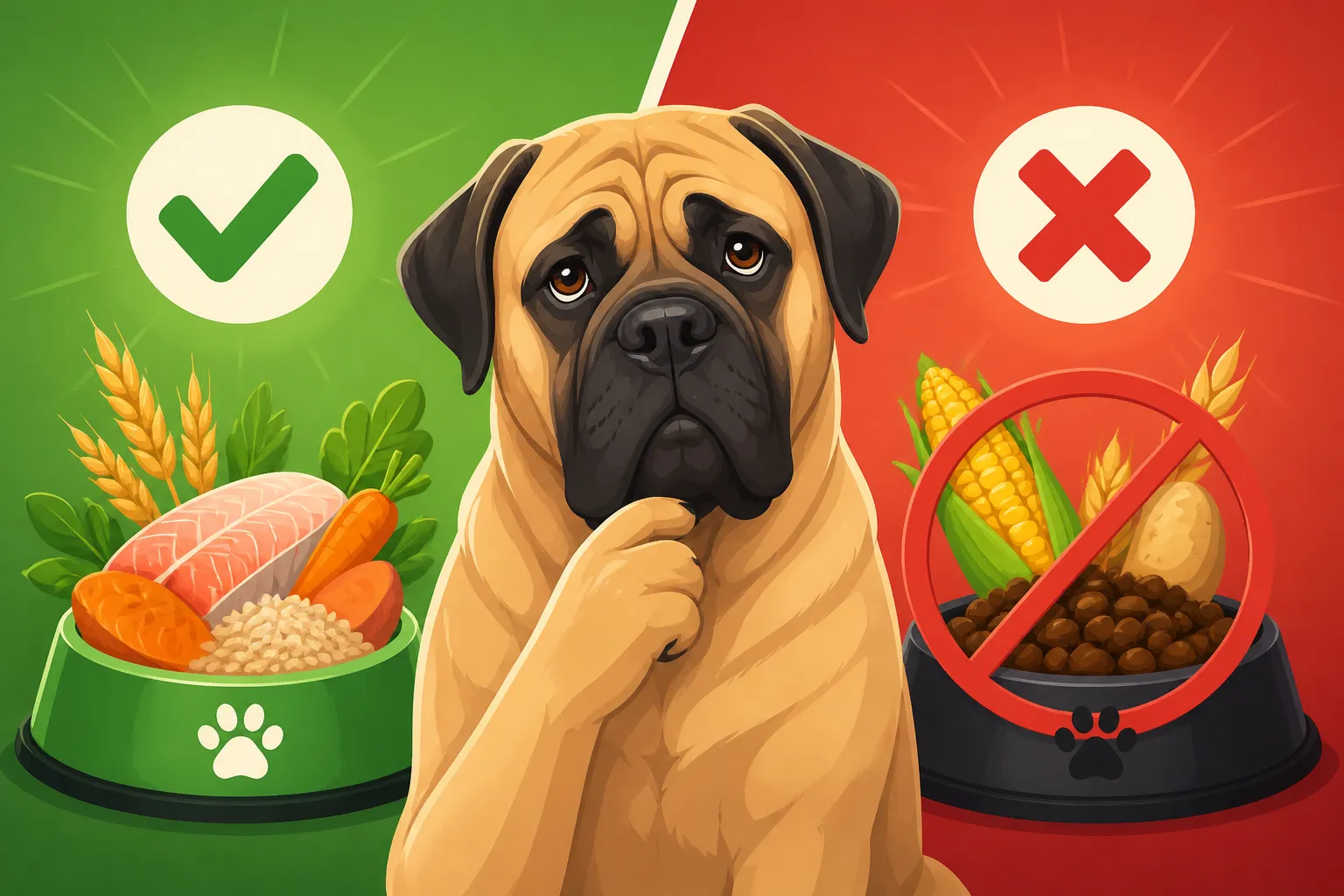
For most dogs, including Mastiffs, grains are not only safe but also a beneficial part of a balanced diet. Ingredients like whole corn, rice, barley, and oats provide easily digestible carbohydrates for energy, essential fibers for digestive health, and a host of vitamins and minerals. The demonization of grains was largely a marketing tactic that unfortunately overshadowed their nutritional value.
Many high-quality, grain-inclusive dog foods are formulated by veterinary nutritionists and undergo rigorous testing to ensure they provide complete and balanced nutrition. These reputable brands understand the delicate balance of nutrients a large breed like a Mastiff requires. When choosing a food, look for an AAFCO (Association of American Feed Control Officials) statement on the label, which indicates that the food meets established nutritional standards for a specific life stage. These proven formulas are widely available through trusted retailers like Chewy, offering transparency in their ingredient lists and nutritional guarantees. Don't be afraid to consider a return to these traditional formulas, as they are often a safer bet for general health.
If a Grain-Free Diet is Deemed Necessary
There are, of course, exceptions. If your Mastiff has been diagnosed by a veterinarian or a board-certified veterinary nutritionist with a specific grain allergy or other medical condition that genuinely necessitates a grain-free diet, then it's a path you'll need to follow. However, even in these cases, extreme caution and veterinary oversight are paramount.
If your vet recommends a grain-free diet, they will likely guide you toward specific brands that have undergone more extensive research, have veterinary nutritionists on staff, and perhaps even offer diets with alternative carbohydrate sources that are less frequently associated with DCM concerns. They might also recommend regular cardiac screenings or even taurine supplementation, depending on the specifics of the diet and your dog's health.
For some owners exploring more specialized options, fresh food diets might come up. Companies like Ollie offer pre-portioned, human-grade food that can be formulated to be grain-free if needed. However, attempting to formulate a balanced grain-free diet at home for a Mastiff, especially one that avoids the problematic legume concentrations, is incredibly complex and should only be undertaken with the direct supervision of a veterinary nutritionist. It's not a task for the faint of heart, given the unique nutritional demands of a giant breed.
Here’s a quick overview to help clarify the main points:
| Diet Type | Key Characteristics | Potential Concerns (for Mastiffs) | Best Practice Recommendation |
|---|---|---|---|
| Grain-Free | Replaces traditional grains with legumes (peas, lentils, chickpeas), potatoes, sweet potatoes as main carbohydrate sources. | Potential link to diet-associated Dilated Cardiomyopathy (DCM) and taurine deficiency concerns in certain formulations. | Consult your veterinarian. If necessary for diagnosed allergies, choose carefully formulated, well-researched brands under vet guidance. |
| Grain-Inclusive | Uses traditional grains like corn, wheat, rice, barley, and oats as carbohydrate sources. | Rare incidence of true grain allergies; digestive upset can occur with sudden changes or poor quality ingredients. | Generally recommended for most Mastiffs. Choose high-quality, reputable brands with AAFCO statements, often found on platforms like Chewy. |
| Limited Ingredient | Formulated with a minimal number of ingredients, usually for allergy diagnosis or managing sensitivities. | Can often be grain-free, inheriting associated concerns. Nutritional completeness must be ensured. | Strictly vet-guided for specific, diagnosed sensitivities. Ensure it provides balanced nutrition for a giant breed. |
In conclusion, the journey to finding the perfect diet for your Mastiff is one that requires careful thought, informed decisions, and most importantly, the guidance of your trusted veterinarian. Prioritizing their long-term health over fleeting dietary trends will always be the best choice for your magnificent companion.
Disclaimer
This article is for general informational purposes only and does not constitute professional advice. Laws, prices and regulations vary by location and change over time. Consult a qualified professional for guidance on your specific situation.