How Many Mastiffs Were Left in Britain in 1945
Imagine a world where the magnificent Mastiff, a breed so intertwined with British history and heritage, teetered on the brink of absolute disappearance. It's a sobering thought, but that was the stark reality facing this ancient breed in Britain as World War II drew to a close. The war years were incredibly tough on everyone, and our beloved giants certainly weren't spared, leading to a desperate struggle for survival that left heartbreakingly few behind. This guide delves into how devastating those years were for the Mastiff population and the incredible efforts that brought them back from the edge.
The Mastiff in Britain Before the Storm: A Gentle Giant Under Pressure
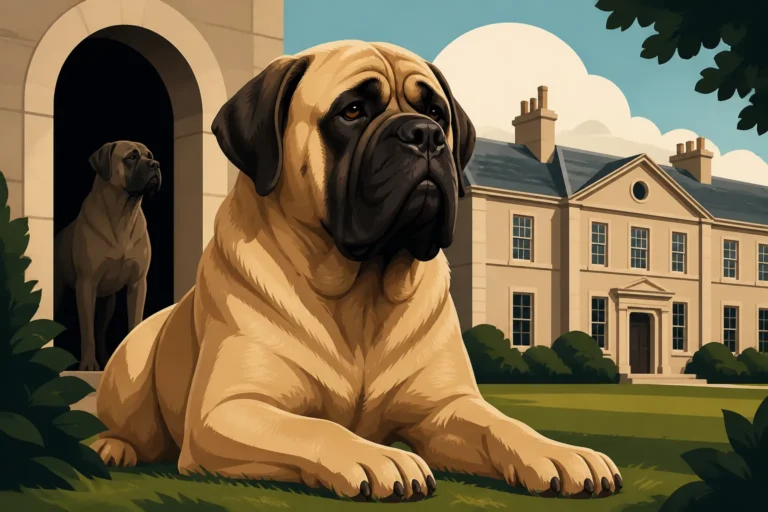
Before the dark clouds of global conflict gathered, the Mastiff held a unique, if somewhat niche, place in British society. They were esteemed companions, protectors of estates, and living links to a storied past, embodying strength and nobility. However, even then, keeping such a colossal creature was a commitment, and the breed wasn't without its challenges.
The Breed's Standing on the Eve of War
By the early 20th century, the Mastiff had already undergone significant transformations from its ancient war-dog ancestors. The breed had been refined, leaning more towards the gentle, devoted companion we recognize today, rather than the fighting dogs of Rome's arenas or the bear-baiting rings of medieval England. They were impressive, commanding respect with their sheer size and dignified bearing. Breeders prided themselves on producing sound, typey examples, and while never as ubiquitous as, say, a terrier, they had a loyal following among those who appreciated their unique qualities. The breed was a symbol of quiet strength, often seen gracing the grounds of country homes or as loyal companions to discerning owners. There was a strong sense of pride in the continuity of the breed's lineage, reaching back centuries in British Isles. To understand their deep roots, it's worth exploring How Old the Mastiff Is as a British Breed.
Early Twentieth-Century Challenges for Large Breeds
Even without the shadow of war, giant breeds like the Mastiff faced inherent difficulties. Their immense size meant significant expenses for food, larger living spaces, and often higher veterinary bills due to their unique physiological needs. Breeding was complex, litters could be small, and the puppies required specialized care to grow into healthy adults without developing orthopedic problems. Public perception, while largely admiring, also carried a certain trepidation due to their intimidating stature, making them less accessible to the average household. This meant the breed’s numbers were never astronomical to begin with, leaving them particularly vulnerable when widespread societal disruption hit. Resources were already stretched for dedicated breeders, and the infrastructure to support large-scale breeding was limited, setting the stage for a dramatic decline.
The Devastating Impact of World War II on British Mastiffs
When World War II broke out, Britain quickly mobilized, and every aspect of life was affected. For dog owners, especially those with giant breeds, the war brought impossible choices and immense heartbreak. The scale of the conflict meant that the needs of domestic animals, particularly those deemed "non-essential" or too costly to maintain, rapidly fell down the priority list.
Rationing and the Impossibility of Feeding Giants
One of the most immediate and profound impacts of the war was the introduction of strict rationing. Food, fuel, and other necessities became scarce, reserved for human consumption and the war effort. Imagine trying to feed a Mastiff, a dog that could easily consume several pounds of food a day, when even a family struggled to get enough rations. Meat was especially hard to come by, and what little was available certainly wasn't earmarked for pets. Owners were faced with an agonizing dilemma: either find a way to feed their gargantuan companions in a time of severe scarcity, often at the expense of their own families, or make the heart-wrenching decision to part with them. Many simply couldn't procure the sheer volume of food required, leading to the unfortunate but unavoidable Why Food Shortages Nearly Ended the Mastiff. Even finding adequate bedding or large enough transportation for veterinary care became a monumental task.
The Emotional Toll and Hard Choices for Owners
Beyond the practicalities, the war exerted an immense emotional toll. Many owners were called to service, leaving no one to care for their animals. Bombings and evacuations meant homes were destroyed, and families were displaced, making it impossible to keep large dogs. The fear of starvation, both for themselves and their beloved pets, pushed many to consider options they would never have dreamed of in peacetime. Some made the painful decision to euthanize their dogs, believing it was the most humane option when faced with a future of certain hunger and suffering. Others tried desperately to rehome their Mastiffs, but finding suitable homes during such a desperate period was incredibly difficult, if not impossible. The emotional burden on these owners, forced to make such choices, was immense and spoke volumes about the dire circumstances.
The Loss of Breeding Programs and Kennel Infrastructure
The war didn't just impact individual pet owners; it decimated established breeding programs and the vital infrastructure that supported them. Kennels were often commandeered for military use or abandoned due to lack of staff and resources. Travel restrictions made it impossible to transport dogs for breeding, exchange bloodlines, or participate in dog shows, which are crucial for maintaining breed standards and public interest. Records were lost, pedigrees interrupted, and generations of careful breeding were undone in a few short years. The expertise of breeders, accumulated over decades, was scattered or lost as people focused on survival. This breakdown meant that even if a few individual Mastiffs survived, the cohesive, organized effort needed to sustain and propagate the breed largely collapsed. The loss was not just in numbers but in the invaluable genetic diversity and collective knowledge base that defines a healthy breed.
The Grim Reality: Just a Handful Remained
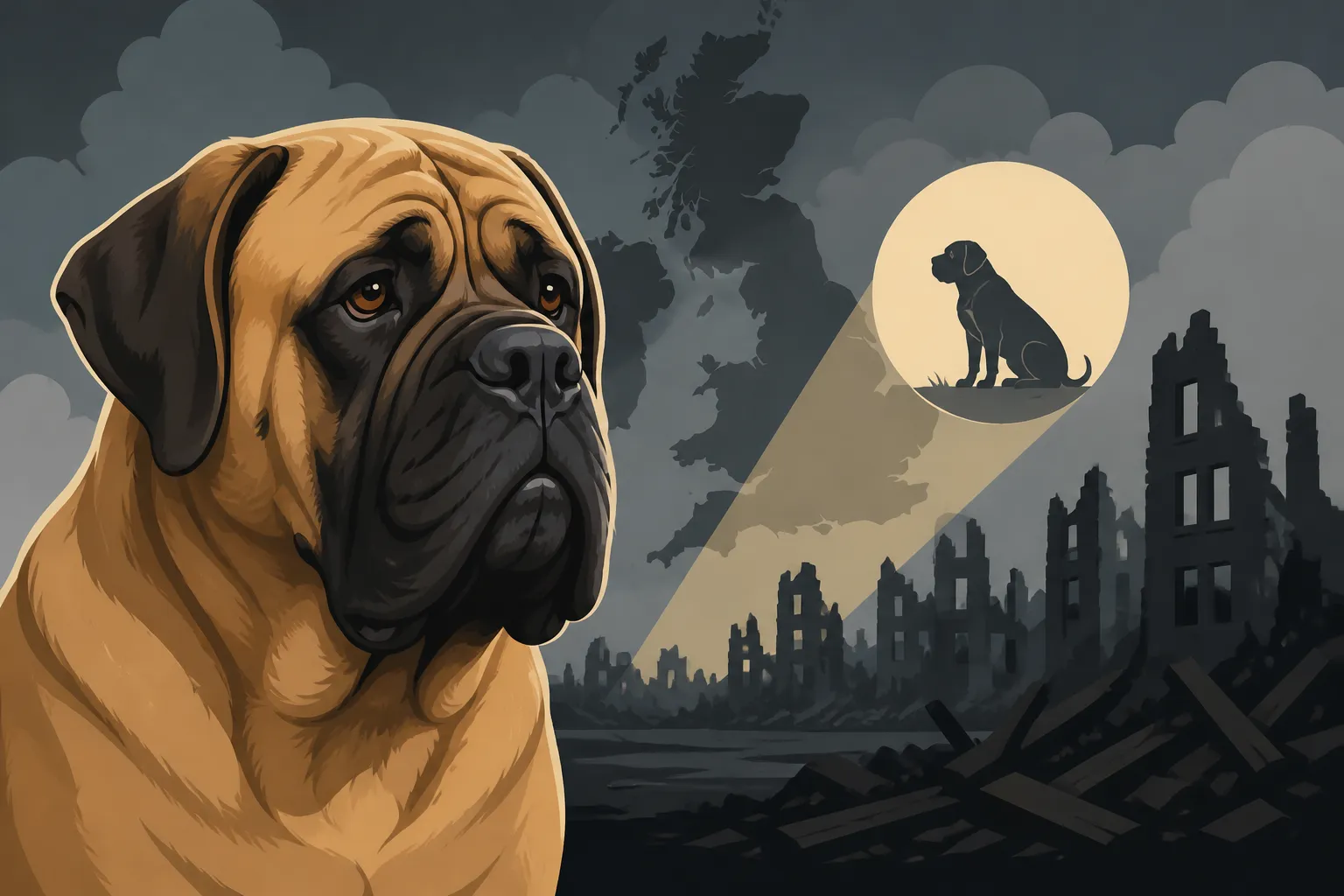
As the war finally concluded in 1945, the extent of the damage to many British dog breeds became horrifyingly clear. For the Mastiff, the situation was particularly dire, revealing just how close they had come to complete annihilation.
Counting the Survivors: The Stark Numbers
The exact number of Mastiffs remaining in Britain in 1945 is a figure that sends shivers down the spine of any breed enthusiast. While precise, universally agreed-upon census data from such a chaotic period is hard to come by, estimates generally suggest that fewer than twenty Mastiffs were left in Britain. Some accounts even place the number lower, perhaps as few as seven or fourteen breeding-age Mastiffs. This wasn't just a decline; it was a catastrophic collapse, pushing the breed to the very edge of extinction within its homeland. The surviving dogs were often elderly, unproven, or not ideal examples of the breed standard, having simply been the lucky ones to endure the harsh conditions. This small, fragile population represented the sole hope for the Mastiff in Britain.
| Factor | Pre-War State | Impact of WWII | Post-War Reality (1945) |
|---|---|---|---|
| Population | Stable, niche following | Drastic decline due to culling, starvation, loss of homes | Fewer than 20 Mastiffs, some estimates as low as 7-14 |
| Food Availability | Readily available, specialized diets | Severe rationing, no food allocated for large pets | Extremely scarce, survival on scraps or no food |
| Breeding Programs | Active, structured | Disrupted, abandoned, records lost, travel impossible | Virtually non-existent, genetic lines fragmented |
| Veterinary Care | Accessible, though costly for large breeds | Limited due to resource scarcity, focus on humans | Bare minimum, emergency only, travel difficult |
| Genetic Diversity | Healthy, though always a concern for specific traits | Severe bottleneck due to small survivor numbers | Extremely narrow, high risk of inbreeding depression |
| Public Interest | Consistent, dedicated fanciers | Shifted to survival and war effort | Minimal, breed largely forgotten amidst devastation |
The Genetic Bottleneck and Its Future Implications
The existence of so few individuals created what is known as a genetic bottleneck. This means that the entire future gene pool of the British Mastiff breed would be derived from this tiny group of survivors. Imagine trying to restart a grand forest from just a handful of seeds. The implications were enormous:
- Loss of Diversity: Many unique genetic traits, disease resistances, and aesthetic variations were simply lost forever because the dogs carrying them didn't survive or couldn't breed.
- Increased Inbreeding Risk: With so few unrelated dogs, subsequent breeding efforts inherently involved a high degree of inbreeding to simply keep the breed alive. This risk is what ultimately led to How Inbreeding Shortened the Mastiff's Life.
- Predisposition to Health Issues: Inbreeding can bring recessive genes for various health problems to the forefront, making certain conditions more prevalent. Breeders would face an uphill battle for generations to mitigate these risks.
- Reduced Adaptability: A narrow gene pool means less genetic material for the breed to adapt to future environmental changes or health challenges.
This period was not just about numerical survival but about the genetic health and viability of the breed for generations to come. Breeders had to contend with the stark reality of How Narrow the Mastiff Gene Pool Is as they began the monumental task of reconstruction.
The Lifeline From Across the Atlantic: American and Canadian Mastiffs
The story of the Mastiff's post-war recovery in Britain is largely one of international cooperation and dedication. Without the dogs from North America, it's possible the British Mastiff as we know it might not exist today.
Importing New Blood: A Critical Necessity
Recognizing the desperate state of the breed in Britain, dedicated Mastiff enthusiasts and clubs, particularly in the United States and Canada, stepped up. They understood the historical significance of the Mastiff to Britain and the importance of preserving this majestic breed. The solution was clear: new, unrelated bloodlines had to be imported from North America to revitalize the shattered British gene pool. These were often dogs whose ancestors had originally emigrated from Britain before the war, preserving some of the lost genetic diversity. Shipping large dogs across the Atlantic in the immediate post-war years was no small feat, requiring immense effort, resources, and determination. However, it was a lifeline, providing the necessary genetic infusion to prevent the breed from spiraling into extinction. This pivotal moment is often highlighted in discussions about How American and Canadian Dogs Rebuilt the Mastiff.
Dedicated Breeders and the Road to Recovery
The task of rebuilding fell to a small, incredibly dedicated group of breeders in Britain. They worked tirelessly, often with limited resources, to import suitable Mastiffs, establish new breeding lines, and carefully plan matings to maximize genetic diversity while adhering to the breed standard. It was a slow, painstaking process that required immense patience and a deep understanding of genetics and animal husbandry. They had to make tough decisions about which dogs to breed, balancing the need for genetic outcrossing with the desire to maintain the essential "type" of the British Mastiff. Many of these breeders collaborated closely, sharing knowledge and resources, ensuring that every precious puppy born was given the best possible start in life. They understood that every Mastiff counted, and their efforts laid the groundwork for the breed's eventual resurgence.
One of the ongoing challenges for these breeders, then as now, was ensuring the structural soundness of these massive dogs. They understood the importance of comprehensive health testing, a practice that continues to be paramount today. While the specific tests may have evolved, the underlying principle of breeding healthy dogs remains. For instance, modern breeders rigorously follow protocols such as The Four CHIC Tests a Mastiff Breeder Must Clear to make informed decisions about their breeding stock.
The Enduring Legacy of the Rebuilding Effort
The period immediately following 1945 wasn't just about survival; it was about laying the foundation for the modern Mastiff. The dogs brought in from North America, combined with the few British survivors, formed the ancestry of virtually all Mastiffs seen in Britain today. This shared lineage highlights the global interconnectedness of purebred dog breeding and the vital role of international collaboration in times of crisis. The experience underscored the fragility of even robust breeds and solidified the commitment of fanciers worldwide to breed preservation. Today, when we see a magnificent Mastiff, we are looking at the direct result of those tireless efforts, a testament to resilience and dedication. The Mastiff Club of America plays a significant role in promoting the health and longevity of the breed, helping ensure that current owners have access to valuable information and resources, much like how a modern pet supply retailer such as Chewy offers a vast array of specialized foods and supplements tailored for giant breeds, which can be critical for their long-term well-being.
What This Near-Extinction Taught Us About Breed Preservation
The near-loss of the Mastiff in Britain during World War II serves as a powerful historical lesson for anyone involved in purebred dogs. It highlighted vulnerabilities that continue to be relevant today and emphasized the critical importance of thoughtful, ethical breeding practices.
The Importance of Diverse Gene Pools
The genetic bottleneck experienced by the Mastiff in 1945 underscored, in the starkest possible terms, the absolute necessity of maintaining a broad and diverse gene pool within any breed. When a breed is reduced to a handful of individuals, even if they are outwardly healthy, the hidden genetic weaknesses can become magnified in subsequent generations. A diverse gene pool provides resilience, allowing a breed to adapt to challenges, resist diseases, and maintain overall vigor. Without a wide range of genetic options, a breed becomes more susceptible to inherited health problems and less able to withstand environmental pressures. This lesson is why ethical breeders today place such a high value on outcrossing when appropriate and meticulously tracking pedigrees to avoid over-reliance on a few popular sires, which can inadvertently narrow the gene pool again.
Supporting Ethical Breeding Practices
The post-war recovery also championed the role of ethical and responsible breeding. It wasn't just about getting numbers up; it was about rebuilding the breed with health, temperament, and adherence to the breed standard as paramount concerns. This meant extensive research into pedigrees, careful selection of breeding stock, and a commitment to health testing to minimize the propagation of inherited conditions. Reputable breeders remain the guardians of the breed's future, making sacrifices and dedicating vast amounts of time and resources to ensure the health and longevity of their dogs. When considering bringing a Mastiff into your home, it's crucial to seek out breeders who prioritize these values. They can provide detailed health histories of their lines, explain their breeding philosophy, and offer support throughout your Mastiff's life. Finding a breeder who understands the full financial commitment involved in raising these dogs, which is extensively detailed in The Mastiff's Short Life Buys the Biggest Bills, is essential for a responsible purchase. Additionally, knowing What the AKC Officially Calls the Mastiff can help in researching reputable breeders and breed organizations. When you're ready to bring home your gentle giant, retailers like Chewy provide essential items from giant-sized beds to specialized dietary needs, making the daily care of such a large dog a little more manageable.
Disclaimer
This article is for general informational purposes only and does not constitute professional advice. Laws, prices and regulations vary by location and change over time. Consult a qualified professional for guidance on your specific situation.