Whether Mastiffs Guarded English Estates
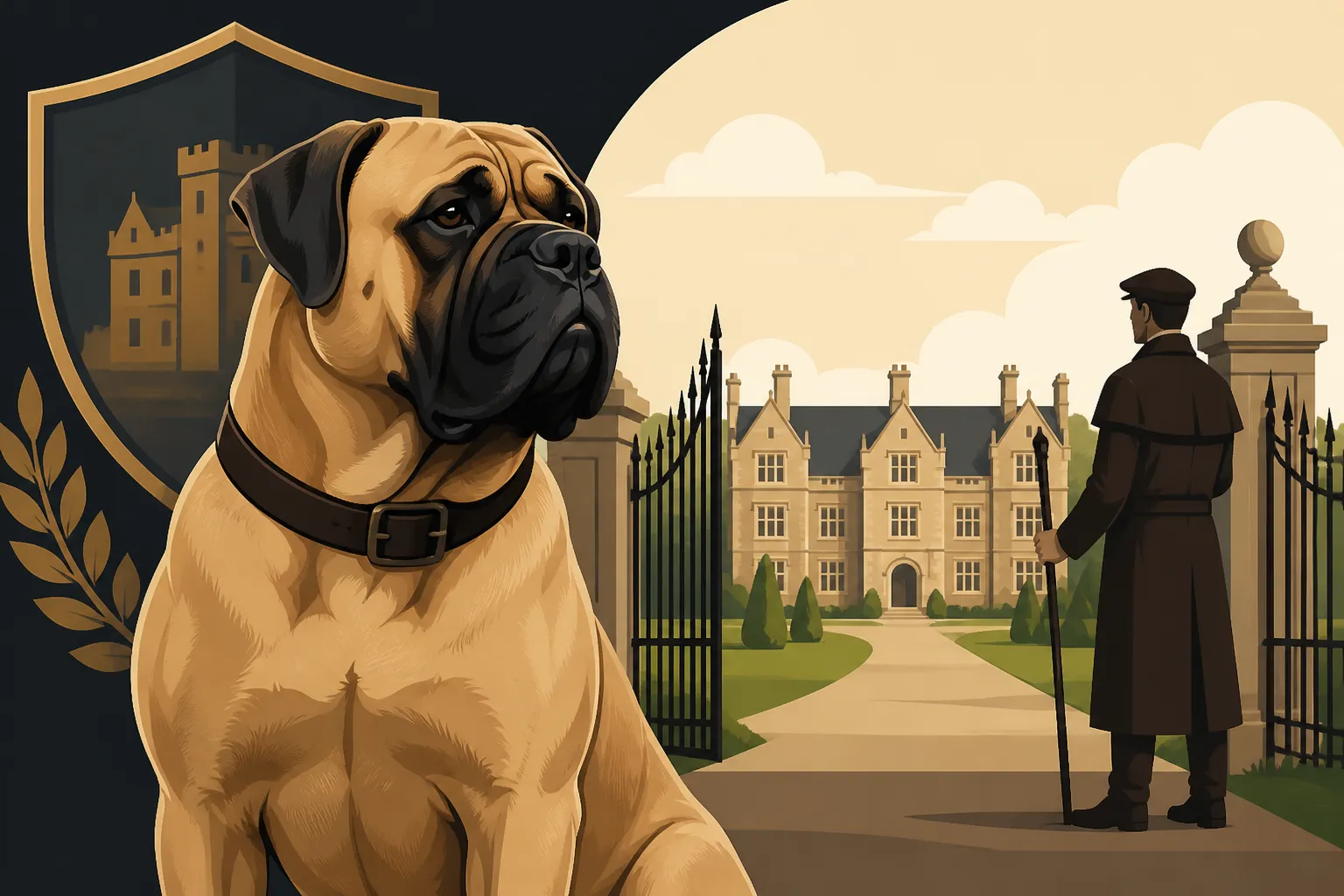
It's easy to picture a magnificent Mastiff, stately and imposing, standing sentinel over the sprawling grounds of an ancient English estate. This image is deeply ingrained in the breed's lore, but what was the reality of their role, and how did these immense dogs truly contribute to the security of these grand properties? This guide dives deep into the historical context and practicalities of how Mastiffs, or their ancestors, lived and worked as guardians of English estates, separating the romanticized tales from the fascinating truth.
The Ancient Lineage of Estate Guardians
Long before the modern Mastiff breed we know and love today came into clear focus, massive, powerful dogs were integral to human settlements across Europe, serving roles far beyond simple companionship. These weren't just pets; they were vital members of the household economy and defense strategy, especially on large, isolated estates.
More Than Just a Guard Dog: The Molossus Lineage
The ancestors of what we now call Mastiffs weren't specialized breeds as we think of them today. They were generally large, robust dogs often referred to collectively as Molossus-type dogs, named after the ancient Greek kingdom of Molossia, where such canines were renowned. These dogs were multi-purpose, employed for hunting large game like boar and bear, for warfare, and crucially, for guarding livestock and property. Their sheer size and intimidating presence were their primary tools. Imagine an estate owner, centuries ago, needing protection for their property and family in a world without alarm systems or police forces. A dog capable of confronting a wolf or a human intruder was an invaluable asset, not a luxury.
These early dogs weren't chosen for specific coat colors or precise head shapes; they were chosen for utility. Their massive frames, strong jaws, and protective instincts were highly prized. They weren't just guarding against human threats either; they were often the first line of defense against wild animals that could decimate livestock or even threaten residents. The very survival of an estate could depend on the effectiveness of its guardian dogs, making their role profoundly important and practical.
Roman Influence and Early British Canines
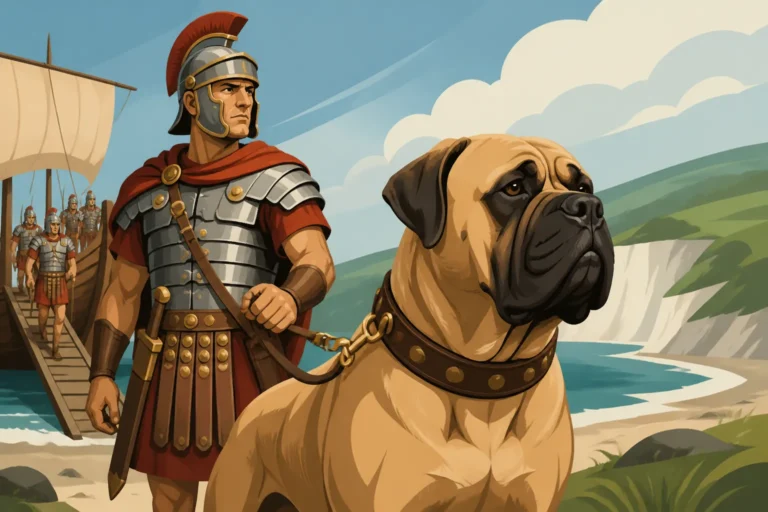
The story of the Mastiff in Britain is often traced back to the Roman invasion. When the Romans arrived on the island, they reportedly encountered indigenous large, brave dogs that impressed them immensely. These dogs were thought to be descendants of the Molossus type, brought to the British Isles by various settlers and traders over millennia. Roman accounts speak of these British dogs being exported back to Rome, where they were highly valued for their strength and ferocity in arenas, pitted against wild animals, and even in gladiatorial combat. What Caesar Wrote About British Mastiffs offers a deeper look into these early interactions.
Over time, these powerful canines interbred with dogs brought by the Romans themselves, and later by other invaders like the Normans. This continuous mixing of genetic lines led to the development of a distinct type of large, protective dog that became the foundation for what would eventually be recognized as the English Mastiff. These were not dogs kept primarily for show or companionship, but for hard work. They were embedded in the fabric of rural and estate life, their very existence tied to their ability to deter threats and protect valuable assets in an often-unforgiving environment.
Life on the Medieval English Estate
During the medieval period and beyond, English estates, whether grand castles or sprawling manors, were self-contained worlds. Security was a constant concern, and these large dogs played a pivotal role in maintaining order and protecting property in a landscape rife with potential threats.
The Role of the "Bandog" and Alani
In medieval England, the term "Mastiff" itself was less a breed name and more a descriptor for a type of large, powerful dog. Often, these dogs were referred to as "bandogs," a term derived from the practice of chaining them during the day and releasing them at night to roam the estate. Why a Mastiff Was Chained by Day delves into this fascinating practice. These bandogs were essential for guarding against theft, raiding parties, and even animal predators like wolves, which were still present in many parts of England. They were not necessarily uniform in appearance but united by their size, strength, and protective instincts.
Another influential group of dogs were the Alani, a type of dog associated with the Alans, an ancient nomadic Sarmatian people. These dogs were also large, strong, and used for hunting and guarding. Their genetic influence likely contributed to the development of the British bandogs and, subsequently, the Mastiff. The dogs of this era were working animals, bred for their utility rather than their pedigree in the modern sense. They lived hard lives, often outdoors, and their survival depended on their effectiveness. Their diet, likely made up of scraps and whatever they could catch, would have been vastly different from the carefully formulated kibble available today at places like Chewy.
The Practicalities of Guarding Large Lands
Imagine an estate spanning hundreds, if not thousands, of acres. Fencing might be rudimentary, and human patrols would be stretched thin. A pack of large, intimidating dogs offered a mobile and highly effective deterrent. They were used to patrol boundaries, warn of approaching strangers, and even confront intruders. Their deep, resonant bark alone could send a clear message: "Keep out!" Their sheer physical presence was often enough to discourage any would-be thief or poacher.
These dogs weren't just stationed at the gates; they were often allowed to roam the grounds, particularly at night. This free-ranging guardianship meant they covered vast areas, relying on their keen senses of smell and hearing to detect anything amiss. The strategy was simple: make it incredibly difficult and risky for anyone to enter or steal from the estate undetected. The dogs were a living, breathing security system, adapting to the terrain and the ever-present threats, a far cry from the serene family pet many Mastiffs are today.
Protection Against Poachers and Predators
One of the primary concerns for estate owners was the protection of their game, livestock, and stored goods. Poaching was a serious offense, often punishable by death, but the temptation of a deer or a flock of sheep was strong for those struggling to survive. Large guardian dogs were deployed specifically to deter poachers, who would face a significant challenge if confronted by a massive, territorial canine. A Mastiff type dog would not hesitate to defend its perceived territory and its charges.
Beyond human threats, wild animals posed a constant danger. Wolves, bears (though less common in later periods), and even aggressive feral dogs could prey on livestock. The Mastiff's ancestors were perfectly built for this challenge: strong enough to physically confront a large predator and possessive enough to defend their flock or herd. Their powerful bite and sheer bulk made them formidable opponents, ensuring the safety of valuable animals that were critical to the estate's economy. These dogs were integral to the daily operation and financial stability of the estate, truly earning their keep through their tireless vigilance and imposing presence.
The Evolving Mastiff and Changing Society
As centuries passed, English society underwent dramatic transformations. The feudal system gave way to more modern social structures, land ownership changed, and the nature of "guarding" evolved. This shift profoundly impacted the Mastiff, transitioning it from a purely functional working dog to something more refined, yet still retaining its protective essence.
From Estate Guard to Status Symbol
By the 16th and 17th centuries, while still valued for their guarding capabilities, Mastiffs began to take on another role: that of a status symbol. Owning such a magnificent and powerful dog became a mark of wealth and nobility. These impressive animals were often depicted in art, standing proudly by their aristocratic owners. This shift meant that their appearance started to matter more, leading to a more deliberate focus on breeding for specific traits like size, head shape, and overall impressiveness, rather than purely utilitarian function. The ideal Mastiff was not just a protector, but a majestic companion that reflected positively on its owner.
This is not to say their guarding instincts vanished; rather, they were often paired with an expectation of calm dignity. A Mastiff that was uncontrollably aggressive would have been less desirable than one that was imposing yet amenable to its owner's command. This period marked a subtle but significant change in their purpose, laying the groundwork for the more companion-focused Mastiff we see today. Even then, an owner would want their dog to be healthy and well-fed, perhaps with a diet designed for large breeds, something you might source from a comprehensive pet supplier.
The Decline of Large Estates and Shifting Needs
The industrial revolution and subsequent societal changes brought about the gradual decline of the vast, self-sufficient estates that had once defined rural England. Large landholdings were broken up, crime patterns changed, and modern policing methods began to emerge. With these shifts, the need for dozens of free-roaming bandogs diminished significantly. The active, constant guarding of property by large packs of dogs became less essential and, in some cases, less practical in a more densely populated and regulated world.
As a result, the Mastiff's numbers dwindled, and their role became less about active, nightly patrols and more about a general sense of home security and companionship. The breed itself faced several crises, including near extinction during the World Wars, which further pushed it away from its ancient working roots. The focus moved from a purely functional guardian to a loyal family member who happened to be very large and inherently protective. This transition was slow but profound, reflecting the changing landscape of human-dog relationships.
How the Breed Standard Reflected Its Past
Despite the changes in their practical role, the official breed standard for the Mastiff still strongly reflects its history as a formidable guardian. The emphasis on massive size, heavy bone, and a powerful, square head is a direct nod to the physical attributes that made its ancestors so effective in their original tasks. The standard describes a dog of "dignity, courage, and great power," traits that were essential for an estate guardian. It also calls for a "kind, good natured, docile, yet protective" temperament, balancing its historical role with its modern one as a family companion.
Even the deep wrinkles and distinctive black mask, while now aesthetic features, hint at a past where such characteristics might have been incidental to function. The sheer bulk and imposing stature are direct legacies of a time when a Mastiff's presence alone was often enough to deter threats. The standard acts as a living document, preserving the essence of the breed's origins even as its daily life has transformed dramatically. It's a recognition of The Mastiff That Stood Over Sir Piers Legh at Agincourt and other historical feats.
The Modern Mastiff: Gentle Giant, Not Fierce Sentinel
Today's Mastiff is largely a beloved family companion, renowned for its gentle nature and unwavering loyalty. While their protective instincts remain, their methods and the environment in which they operate are vastly different from those of their estate-guarding ancestors.
Temperament Today: A Family Companion
Modern Mastiffs are widely known as "gentle giants." They are typically calm, affectionate, and devoted to their families, often forming incredibly strong bonds with their human companions. This temperament makes them wonderful household pets, even in homes with children, provided proper supervision and training are in place. They thrive on human companionship and are generally content to be near their family, often following them from room to room just to be part of the action. A Mastiff in a House With Small Children explains more about this aspect.
This isn't to say they've lost their protective edge. A Mastiff's inherent nature is to protect its family, but this usually manifests as a watchful presence and a deterrent, rather than overt aggression. They are typically reserved with strangers and will alert their owners to anything unusual, often with a deep, booming bark. However, once introduced and accepted by the owner, most Mastiffs are polite and tolerant. Their formidable size alone is often enough to make any unwelcome visitor think twice, fulfilling a deterrent role simply by existing.
Instinctual Guardianship vs. Active Deterrence
While a modern Mastiff may not be patrolling acres of land against poachers, their instinct to guard remains strong. This guardianship often presents as territoriality around their home and yard, and a watchful eye on their family. When a stranger approaches the door, a Mastiff will certainly let you know. How a Mastiff Judges a Stranger at the Door is a good read on this. They possess a keen ability to differentiate between a casual visitor and someone they perceive as a threat. However, unlike their historical counterparts, their protective actions are typically measured and reactive, rather than proactively aggressive.
Their preferred method of "guarding" is usually through their imposing presence and a warning bark. They aren't generally prone to unprovoked aggression, but they will stand their ground if they perceive a genuine threat to their family or home. This instinctual guardianship is why proper socialization and training are so crucial for a Mastiff puppy. You want to channel their natural protectiveness into appropriate responses, ensuring they are confident and discerning rather than fearful or overly reactive. Providing them with durable chew toys and comfortable beds, perhaps from a brand like Chewy, can help satisfy their needs and keep them happy within their modern home.
Training a Mastiff for Modern Life
Training a Mastiff is essential, not because they are inherently difficult, but because of their immense size and strength. A well-socialized and trained Mastiff is a joy; an untrained one can be a handful, purely due to their bulk. Early and consistent positive reinforcement training is key to shaping their natural guarding instincts into desirable behaviors. Teaching them to distinguish between a welcome guest and a genuine threat, and to respond appropriately, is paramount. Teaching a Mastiff Before It Outweighs You offers practical advice on this.
Socialization is equally important. Exposing a Mastiff puppy to a wide variety of people, places, and experiences helps them develop into confident, well-adjusted adults who can discern normal situations from potential threats. While they may not be guarding vast estates anymore, they still need clear guidance on their role within the modern family and community. Their ancient instincts are still there, but they need to be honed and directed for a successful life as a cherished family member. Even their stubbornness, often mistaken for slowness, is actually a deliberate thinking process, as explained in The Stubbornness That Is Actually a Mastiff Thinking.
Distinguishing Fact from Legend
The romantic image of the Mastiff guarding an old English estate is powerful, but it's important to understand the nuances of this historical role and differentiate it from more fanciful tales.
The Romanticism of the "Old English Mastiff"
The term "Old English Mastiff" itself conjures images of ancient times and venerable guardians. While the breed does have ancient roots in England, the specific "Old English" designation sometimes leads to a romanticized view that exaggerates their past roles or implies a static breed unchanged for centuries. The truth is, the Mastiff, like all breeds, has evolved significantly, both in appearance and in its primary functions, over hundreds of years. The "Old English" descriptor emphasizes their deep historical connection to Britain, but it's a connection marked by change and adaptation.
Many stories about Mastiffs guarding castles or participating in battles are rooted in truth, but they often refer to a type of dog rather than the specific breed we recognize today. These dogs were certainly present and active in these roles, but their uniformity and lineage would have been far less defined than modern breeding practices. The allure of this historical image contributes to the breed's mystique, but it's vital to appreciate the complex reality behind the legend.
What Historical Records Truly Tell Us
Historical records, though sometimes sparse, paint a picture of Mastiff-type dogs as powerful and valuable working animals. Documents from medieval times mention large dogs kept for protection, often chained during the day and released at night, a testament to their functional importance. Manorial records and early dog books describe their use in guarding homes, livestock, and property. These accounts focus on their utility and strength, rather than their specific breed characteristics as we'd define them now.
The records confirm that these dogs were not merely decorative but actively contributed to the security of large landholdings. They were indeed guardians of English estates, but their lives were likely far from the pampered existence of many modern Mastiffs. They lived by their wits and strength, an indispensable part of a household's defense strategy. The English Castles Mastiffs Guarded provides further insight into their presence in these historical fortifications.
Other Guardian Breeds of the Era
It's also important to remember that the Mastiff wasn't the only type of large guardian dog in historical England. Other powerful breeds and landraces existed, often interbreeding or serving similar functions. Breeds like the Irish Wolfhound, while different in type, also served as guardians and hunters. The lines between "Mastiff," "bandog," and other large guard dogs were often blurry. The term "Mastiff" itself, as mentioned, often served as a generic descriptor for a large watch-dog.
Over time, through selective breeding and the influence of various historical events, the specific type of dog that became the modern English Mastiff gained prominence. This process involved culling less desirable traits and enhancing those that defined the breed's eventual standard. Understanding this broader context helps to appreciate the Mastiff's unique journey, and how it came to embody the ideal of the massive, protective, yet gentle guardian we cherish today. When choosing supplies for these large breeds, for instance, a reliable source like Chewy provides options tailored to their unique size and needs, whether it's an extra-large dog bed or specialized food for giant breeds.
| Feature | Historical Mastiff Type (Estate Guardian) | Modern Mastiff (Family Companion) |
|---|---|---|
| Primary Role | Active protection of property, livestock, people | Family companion, passive home protector |
| Living Conditions | Often outdoors, chained by day, free at night | Primarily indoors, cherished family member |
| Temperament Focus | Utility, courage, physical deterrence | Docile, affectionate, gentle, loyal |
| Diet | Scraps, hunted prey, opportunistic | Specially formulated large breed diets |
| Training | Instinctual, functional, often harsh | Positive reinforcement, socialization-focused |
| Interactions | Confrontational with threats, indifferent to others | Affectionate with family, reserved with strangers |
| Physical Demands | High endurance for patrolling, confronting | Moderate exercise, comfortable home life |
Conclusion
The enduring image of Mastiffs guarding English estates is far from a myth. Their ancestors, massive and formidable, absolutely played a crucial role in the security and survival of these grand properties for centuries. They deterred poachers, protected livestock, and stood as a formidable defense against human and animal threats in a world where security was a daily concern. These were not just pets; they were vital working members of the household, a testament to their strength, courage, and unwavering loyalty.
While the specific duties of a modern Mastiff have shifted from patrolling vast lands to guarding the family sofa, the core instincts remain. Today's Mastiff is still a protective, imposing presence, but their immense power is now paired with an equally immense gentleness and devotion. They are the ultimate gentle giants, a living link to a fascinating past, reminding us of the incredible journey this magnificent breed has taken from the fields and castles of old England to the heart of our homes.
Disclaimer
This article is for general informational purposes only and does not constitute professional advice. Laws, prices and regulations vary by location and change over time. Consult a qualified professional for guidance on your specific situation.