Whether a Mastiff’s Tail Fold Needs Cleaning
One of the many unique joys, and sometimes challenges, of sharing your life with a magnificent Mastiff is navigating their impressive array of wrinkles and folds. While most people immediately think of those noble brows and expressive jowls, there's another area that can often be overlooked but demands just as much, if not more, attention: the tail fold. Many Mastiff owners find themselves wondering if that little bit of loose skin around the base of the tail really needs special cleaning, and the short answer is a resounding yes – neglecting it can lead to some truly unpleasant issues for both you and your gentle giant. This guide will walk you through understanding, identifying, and addressing potential problems with your Mastiff's tail fold, ensuring your companion stays happy and healthy.
Understanding Mastiff Folds and Problem Areas
When you first bring home a Mastiff, whether as a tiny, clumsy puppy or a stately adult, you're immediately captivated by their sheer presence. Part of that iconic look comes from their characteristic loose skin and impressive wrinkles. But these aren't just for show; they can also be silent traps for moisture, debris, and all sorts of microscopic nasties.
The General World of Mastiff Wrinkles
Mastiffs, by breed standard, possess a certain degree of loose skin, particularly on their head, which forms those deep, endearing wrinkles on their forehead and around their eyes and muzzle. These facial folds, along with the often ample jowls, are notorious for collecting food bits, drool, and general grime. If not cleaned regularly, they can quickly become irritated, leading to conditions like skin fold dermatitis, characterized by redness, itching, and that tell-tale foul, yeasty odor. It's a constant battle, and one that requires diligence. You might find yourself reaching for wipes and soft cloths almost daily to keep these areas pristine, understanding that neglect directly translates to discomfort for your dog. The Wrinkles and Folds a Mastiff Owner Cleans Every Week is a reality for anyone with this breed.
Beyond the face, Mastiffs can have looser skin on their neck and chest. While these areas are generally more exposed and less prone to deep, hidden infections, they can still trap moisture, especially after a bath or a romp in wet grass. The key frustration for many owners is the sheer scale of the dog; getting into every nook and cranny of a two-hundred-pound animal can feel like a full-time job. It’s a constant learning curve, figuring out which areas need the most frequent attention and developing a routine that works for both you and your Mastiff.
Is the Tail Fold a "True" Fold?
Unlike the more pronounced facial wrinkles that are a hallmark of the breed, the "tail fold" isn't always a deep, genetically mandated wrinkle. For many Mastiffs, it's more accurately described as the area of loose skin and fur at the very base of the tail, where the tail meets the body. Depending on your individual Mastiff's build, this area might range from a subtle crease to a more significant pocket. It's not usually as structurally "folded" as, say, a Pugs' or Bulldogs' tail pocket, which are breeds specifically known for those deeply recessed areas.
However, just because it might not be a "true" fold in the traditional sense doesn't mean it's immune to problems. This particular region is highly susceptible to becoming a problematic zone precisely because of its location. It's often covered by a thick overlay of fur, creating a warm, secluded microclimate that’s perfect for trapping moisture and debris. The skin here can be quite sensitive, and any irritation can quickly escalate. Think of it less as a feature of the breed's conformation and more as an unfortunate anatomical consequence of where a large, heavily built dog's tail attaches and how it sits against the body. This loose skin creates an environment that requires proactive care, even if it's not a wrinkle that the breed standard specifically calls for.
Why the Tail Fold Can Become a Problem Area
While you might not immediately think of your Mastiff's tail area as a high-maintenance zone, its position and function make it particularly vulnerable to irritation and infection. It's not uncommon for owners to overlook this spot until a distinct odor or visible discomfort arises, by which point the issue has often progressed beyond a simple wipe-down.
The Accumulation of Grime and Moisture
The tail fold is, unfortunately, located right in the splash zone. Fecal matter and urine residue are the primary culprits here. Imagine a Mastiff squatting to do their business; despite their best efforts, some residue can easily cling to the fur and skin around the tail base, especially if their stool consistency isn't perfect or if they have longer feathering on their tail. For male Mastiffs, who often lift their leg to mark, some urine can dribble down, moistening the area. Female Mastiffs, too, can get urine on this area, particularly if they have a fuller tail or if they tend to squat low. This constant exposure to waste creates an unsanitary environment.
Beyond biological waste, moisture is the other major antagonist. A Mastiff who's been out in the rain, gone for a swim, or even just walked through dew-covered grass can have water trapped in this area. If not thoroughly dried, this warmth and wetness become a prime breeding ground for bacteria and yeast. These microorganisms thrive in moist, dark conditions, and the tail fold provides exactly that. The weight of the tail itself, especially a thick, heavy Mastiff tail, can press this skin against the body, further exacerbating the moisture issue by limiting air circulation. It's a classic example of a seemingly innocuous area creating significant problems due to its natural environment.
Signs of Irritation and Infection
Catching problems early is paramount with Mastiffs, especially in sensitive areas like the tail fold. The first and often most noticeable sign of trouble is a distinct, unpleasant odor. This isn't just "dog smell"; it's often a pungent, yeasty, or even rotten scent emanating directly from the area. If you notice a strange smell even after a bath, it’s a huge red flag that something is brewing in the folds.
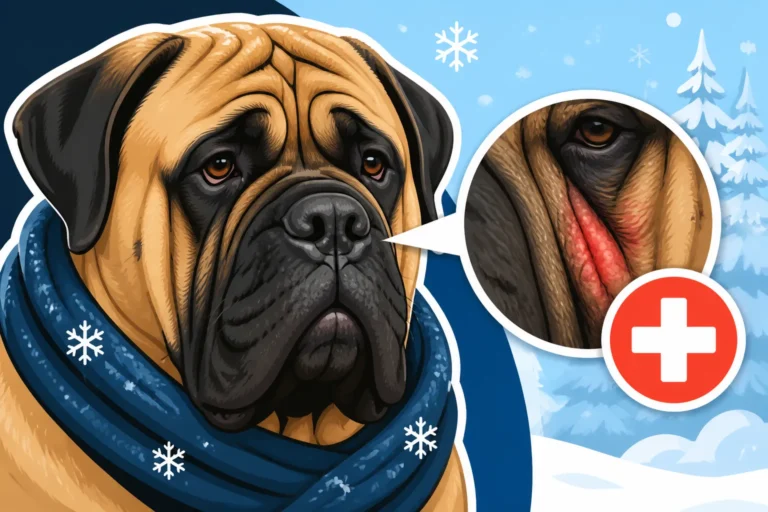
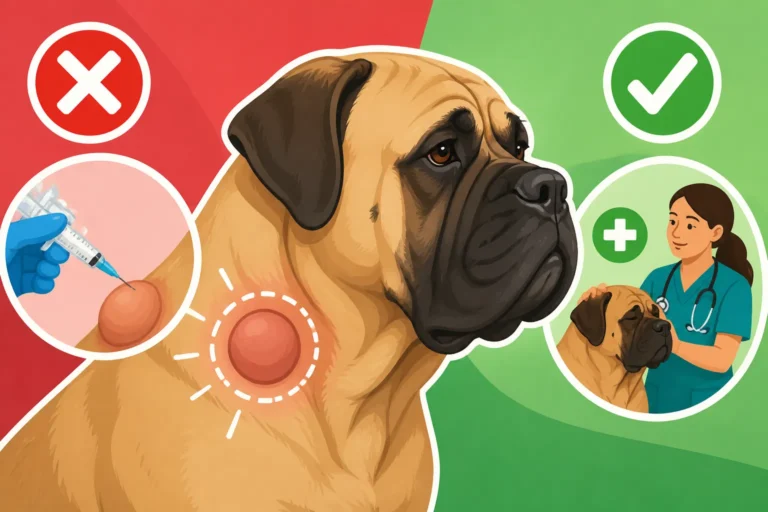
Beyond smell, visual cues are critical. Gently lift your Mastiff's tail and part the fur. Look for any redness, inflammation, or irritation of the skin. You might see hair loss in the affected area, as the constant irritation can cause hair follicles to become unhealthy. Discharges can also be present – anything from a clear, watery exudate to a thick, yellowish or brownish pus. This discharge is often a sign of bacterial infection. Your Mastiff might also show behavioral changes. They might start scooting their rear end on the floor or ground, trying to relieve the itch or discomfort. Excessive licking or chewing at the base of their tail, or even guarding the area when you try to touch it, are strong indicators of pain or irritation. Don't ignore these subtle changes; a Mastiff's stoic nature can sometimes mask significant discomfort. Ignoring these signs means a minor irritation can quickly transform into a full-blown, painful skin infection, potentially requiring a visit to the vet for antibiotics or medicated washes. Signs a Mastiff's Fold Has Become Infected are important to recognize, and the distinct scent often signals Whether a Mastiff's Fold Smells Yeasty.
Cleaning and Maintaining Your Mastiff's Tail Fold
Proactive care is always easier and less stressful than reactive treatment, especially when it comes to hygiene for a Mastiff. Establishing a routine for checking and cleaning the tail fold can prevent a lot of discomfort for your dog and a lot of worry for you.
Daily Inspection is Key
Making a quick visual and olfactory inspection of your Mastiff's tail fold a part of your daily routine is the single most effective way to prevent issues from escalating. This shouldn't take more than a minute or two. The best time is often after your Mastiff has done their business outside, or perhaps during a quick evening cuddle session. Gently lift their tail and part the fur at the base. You're looking for any visible debris, redness, swelling, or moisture. Don't be afraid to give it a cautious sniff – your nose is often the best early warning system for a brewing infection.
If your Mastiff is particularly fluffy in that area, you might consider carefully trimming the longer hairs around the tail base with blunt-nosed scissors to improve air circulation and make cleaning easier. This isn't about shaving them bald, which can lead to other skin issues, but simply tidying up enough to expose the skin and prevent excessive trapping of moisture and waste. Having good lighting is crucial for these inspections; a headlamp can be surprisingly useful, especially if your Mastiff is cooperative enough to stand still. Regularity fosters familiarity, and your Mastiff will likely become accustomed to these quick checks, making the process smoother for everyone involved.
Step-by-Step Cleaning Process
Once you've identified that the tail fold needs attention, acting quickly and gently is essential.
- Gather Your Supplies: You'll need soft, clean cloths, or better yet, pet-specific wipes. Many owners find success with hypoallergenic, unscented wipes available from retailers like Chewy or Amazon. Avoid baby wipes, as they can contain ingredients (like alcohol or perfumes) that might irritate sensitive canine skin. You might also want a mild, pet-safe antiseptic solution if recommended by your vet.
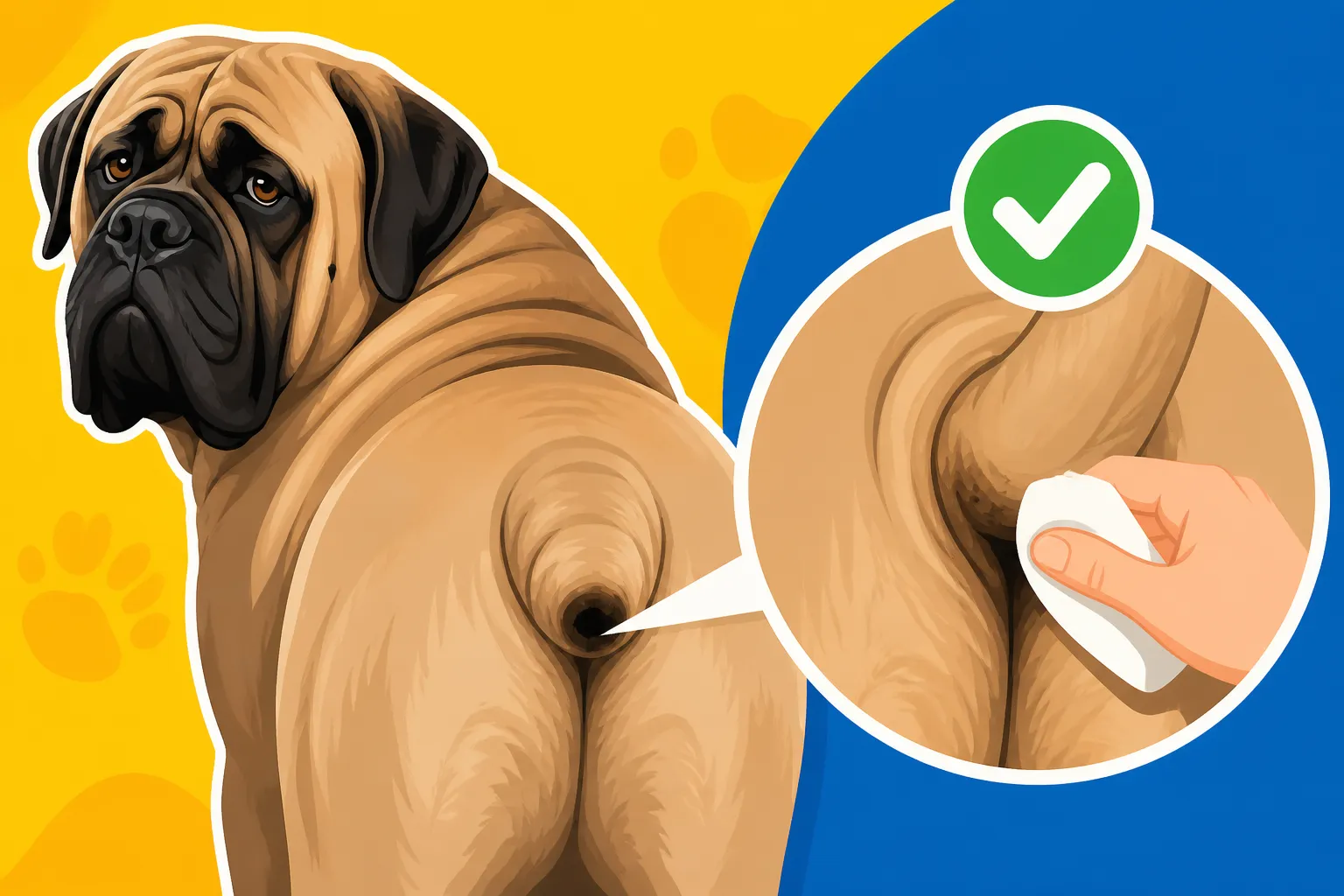
- Gentle Cleaning: With your Mastiff standing or lying down comfortably, gently lift their tail. Using a clean, damp cloth or a pet wipe, carefully clean away any visible dirt, fecal matter, or discharge from the skin folds and surrounding fur. Work from the center outwards, using a fresh part of the cloth or a new wipe for each swipe to avoid spreading bacteria. Be thorough but never scrub harshly; the skin here can be quite delicate.
- Proper Drying: This is arguably the most critical step. Leaving any moisture behind after cleaning is an open invitation for yeast and bacteria to flourish. Use a clean, dry, soft towel to gently blot the area until it is completely dry. If your Mastiff tolerates it, a hairdryer on a cool, low setting can be very effective, holding it at a safe distance and moving it constantly to prevent burning the skin. Ensure every crease and fold is bone dry.
- Preventative Measures: Consistency is key. Beyond daily cleaning when needed, ensure your Mastiff has firm, healthy stools to minimize sticking. If your dog tends to have loose stools, discuss dietary changes with your vet. Consider trimming the hair around the tail base periodically to improve hygiene and airflow. If your Mastiff has recently been swimming or gotten wet, make sure you specifically dry this area. A medicated wipe, if your vet recommends it, can also be used preventatively. What to Clean a Mastiff's Wrinkles With often comes down to personal preference and vet recommendation.
When to Seek Veterinary Help
While diligent home care can prevent many issues, there are times when a veterinary visit is absolutely necessary. You should contact your vet immediately if you notice any of the following:
- Persistent Odor: If the foul, yeasty smell continues despite regular cleaning and drying.
- Worsening Redness or Swelling: If the area becomes more inflamed, hot to the touch, or visibly swollen.
- Open Sores or Bleeding: Any breaks in the skin, raw spots, or bleeding are signs of a more severe infection that requires medical intervention.
- Thick or Greenish Discharge: While a little moisture is normal, pus-like discharge is a clear indicator of a bacterial infection.
- Severe Pain or Discomfort: If your Mastiff cries out, snaps, or consistently guards the area when you try to examine it, they are in significant pain and need professional help.
- Lethargy or Fever: If your Mastiff is generally unwell, listless, or seems to have a fever in conjunction with the fold issue, it could indicate a systemic infection.
Veterinarians can prescribe specific topical ointments, oral antibiotics, or antifungal medications to clear up infections. They can also properly clean and debride the area, and in rare, severe cases, discuss surgical options to remove excess skin that continuously causes problems. Early intervention is crucial to prevent the infection from spreading or becoming chronic.
General Hygiene and Mastiff Care
The tail fold, while a specific concern, really highlights the broader commitment required for maintaining a Mastiff's overall skin health and hygiene. Their unique physicality means that basic care for them is often more involved than it would be for a smaller, less wrinkled breed.
The Broader Picture of Skin Fold Care
Taking care of your Mastiff's tail fold is just one piece of a much larger puzzle involving their magnificent but often challenging skin. As mentioned earlier, those beautiful facial wrinkles – around the eyes, the bridge of the nose, and the jowls – are constantly gathering moisture, food, and debris. Neglecting these areas can lead to the same types of painful dermatitis seen in the tail fold. It's a never-ending cycle of wiping, drying, and inspecting. Many owners find themselves developing a "wrinkle routine" that addresses all potential problem areas. This might include using gentle cleansers or medicated wipes, perhaps from retailers like Chewy, to keep the skin balanced and free of yeast and bacteria. Consistency here is paramount.
You need to be vigilant about all folds, not just the obvious ones. Even areas like armpits or groin folds, where skin rubs together, can trap moisture, especially in heavier Mastiffs. Recognizing How Often a Mastiff's Folds Need Cleaning for each specific area on your dog is a skill learned over time, unique to their individual anatomy and lifestyle. The goal is always to keep these areas dry and clean, preventing the warm, moist environments that pathogens love.
Keeping Your Mastiff Clean Overall
Despite their short coats, Mastiffs are far from low-maintenance when it comes to cleanliness. Their sheer size and propensity for drool, along with their loose skin, mean they can get quite messy. While a Mastiff might not need frequent full baths—in fact, too many baths can strip their natural skin oils and cause irritation—strategic cleaning is essential. How Rarely a Mastiff Needs a Bath might surprise new owners, but targeted cleaning is more important. You can't just toss a two-hundred-pound dog into a tub on a whim! Spot cleaning with damp cloths, particularly after a messy meal or a muddy outing, becomes a daily ritual.
Bathing a Mastiff can be a significant undertaking, often requiring a walk-in shower, outdoor setup, or even a professional groomer with appropriate facilities. Bathing a Mastiff You Cannot Lift Into a Tub requires planning. When a bath is necessary, using a mild, moisturizing dog shampoo is crucial to avoid drying out their skin, especially in areas prone to irritation. Always ensure a thorough rinse to prevent shampoo residue, which can cause itching, and, just as importantly, dry them completely, paying extra attention to all those tempting folds and crevices.
Diet and Overall Health for Skin
While direct cleaning targets the symptoms of fold issues, a Mastiff's overall health, strongly influenced by their diet, plays a significant role in skin integrity and resilience. A high-quality, balanced diet provides the necessary nutrients for a healthy skin barrier and a strong immune system, which can help your Mastiff fight off opportunistic infections.
Look for dog foods with good sources of omega-3 and omega-6 fatty acids, such as fish oil, as these are crucial for skin and coat health. Some owners even add supplements like fish oil to their Mastiff's diet to support skin health. Avoid common allergens if your Mastiff shows sensitivities, as allergic reactions can manifest as itchy skin, leading to scratching and secondary infections, including in skin folds. Ensuring your Mastiff maintains a lean body condition is also vital; excess weight can exacerbate skin fold issues by creating deeper folds and increased skin-on-skin friction. By supporting their internal health, you're giving their external defenses the best possible chance to thrive, making your diligent cleaning efforts even more effective.
Tail Fold Cleaning Methods Comparison
Choosing the right tools for cleaning your Mastiff's tail fold can make a big difference in effectiveness and comfort for your dog. Here's a quick comparison of common methods.
| Cleaning Method | Pros | Cons | Ideal Use Case |
|---|---|---|---|
| Soft Damp Cloth | Gentle, readily available, reusable | Requires separate drying, might not contain antiseptics, can spread germs if not clean | Daily spot cleaning for minor grime, gentle drying after bathing |
| Pet-Specific Wipes | Convenient, often pre-moistened with pet-safe ingredients (e.g., from Chewy, Amazon) | Can be costly over time, some brands may still cause irritation if not hypoallergenic | Quick daily maintenance, travel, when water isn't readily available |
| Medicated Wipes | Contains antiseptics/antifungals, targets specific issues | Only use under vet guidance, can be harsher on healthy skin, specific formulations required | Treating existing mild irritation/infection, preventative for prone dogs (vet advised) |
| Antiseptic Spray/Solution | Targets specific infections, deep cleaning | Requires separate wiping and drying, can be messy, must be diluted correctly (vet advised) | Directed treatment for established infections, deep cleans prior to medicated wipes |
| Warm Water Rinse | Chemical-free, removes loose debris | Requires thorough drying, not effective for sticky grime or infections, requires dog cooperation | After heavy soiling, post-bath final rinse, gentle cleanse for sensitive skin |
Remember, no matter which method you choose, gentleness and thorough drying are non-negotiable.
Disclaimer
This article is for general informational purposes only and does not constitute professional advice. Laws, prices and regulations vary by location and change over time. Consult a qualified professional for guidance on your specific situation.