Whether Gastropexy Is Done at Neuter on a Mastiff
It’s a heart-stopping moment for any Mastiff owner: the sudden onset of bloat, a condition that can turn fatal in mere hours. The fear that your gentle giant could be struck by this silent killer is real and utterly terrifying. This guide will meticulously explore whether performing a gastropexy, a preventative surgery for bloat, at the same time as neutering is a viable and beneficial option for your Mastiff, helping you make an informed decision to protect your beloved companion.
Understanding Bloat and the Role of Gastropexy in Mastiffs
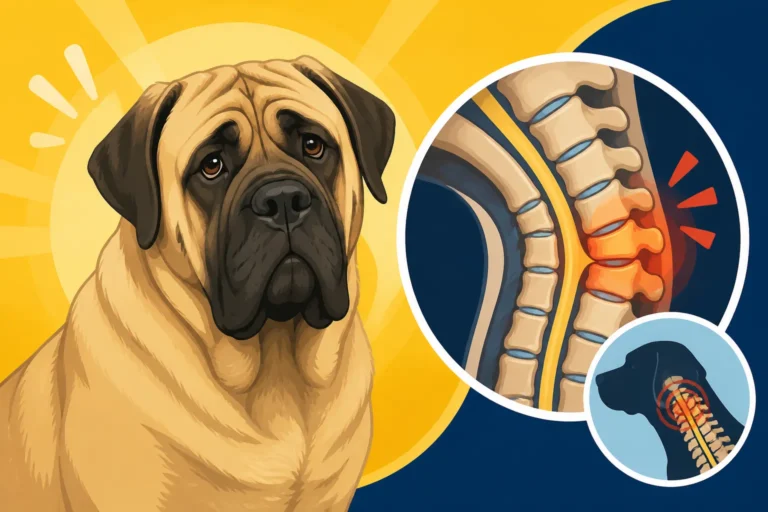
Bloat, scientifically known as gastric dilatation-volvulus (GDV), is a medical emergency that disproportionately affects deep-chested breeds like our magnificent Mastiffs. It happens when the stomach fills with gas, food, or fluid (dilatation) and then twists on its axis (volvulus). This twisting cuts off blood supply to the stomach and other organs, leading to rapid deterioration, shock, and often, death, if not treated immediately. The sheer size and deep chest of a Mastiff unfortunately make them prime candidates for this devastating condition.
Why Mastiffs Are at High Risk for GDV
Imagine a huge, empty balloon hanging in a very tall, narrow closet. That's a bit like a Mastiff's stomach in its deep chest cavity. When that balloon fills with air, it has ample room to swing and flip. This anatomical predisposition, combined with factors like eating too quickly, stress, genetics, and vigorous exercise after meals, significantly increases a Mastiff's risk. Owners often wrestle with the anxiety of this ever-present threat, knowing that even with the best care, it can strike without much warning. This is why preventative measures like gastropexy become such a vital topic of conversation for those of us dedicated to these majestic dogs. The knowledge that you might only have The Hours a Blocked Male Mastiff Has is enough to make any owner seek preventative action.
What Gastropexy Actually Does
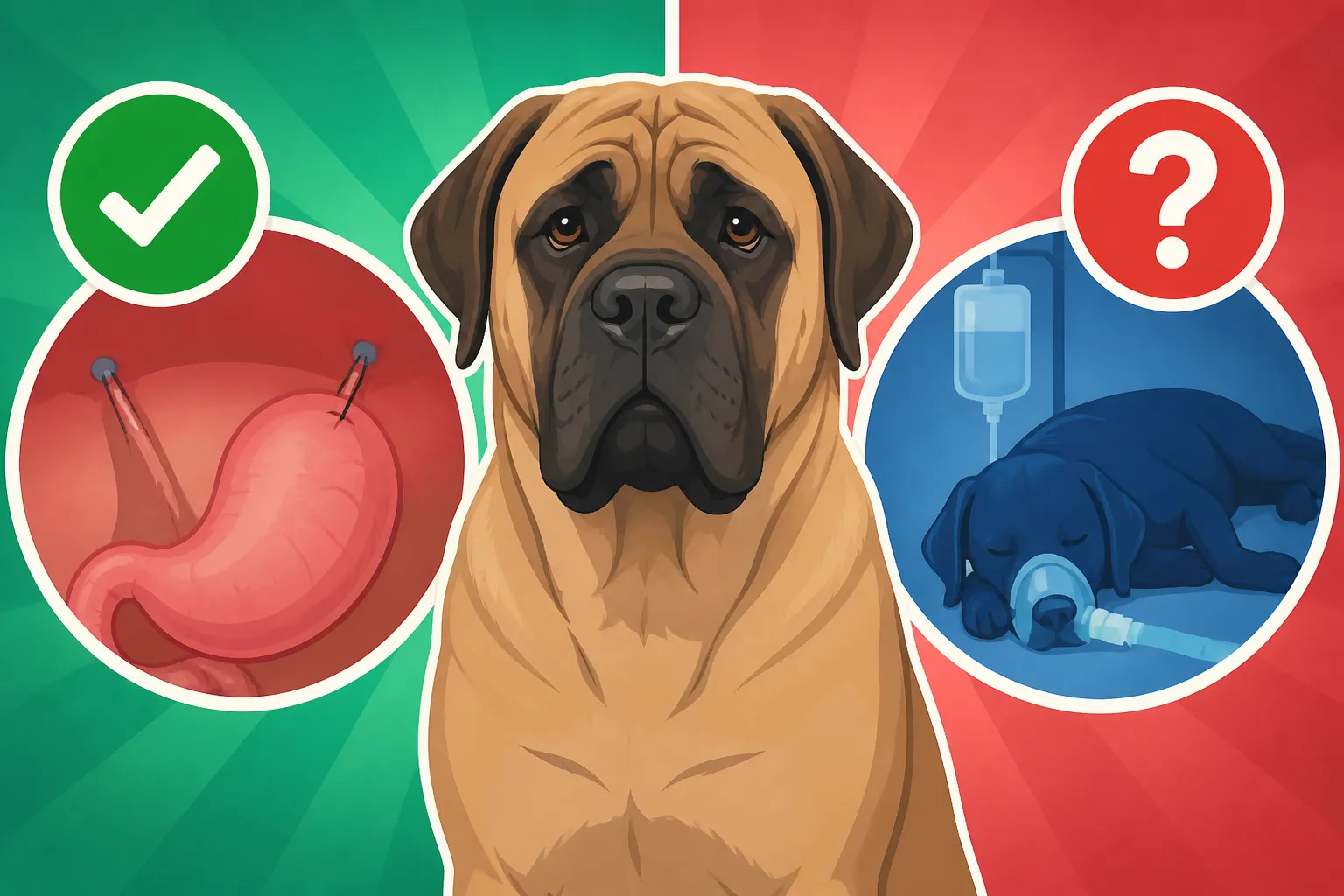
A gastropexy is a surgical procedure where the stomach is permanently attached to the abdominal wall. The key here is permanent attachment. It doesn't prevent the stomach from dilating (filling with gas), but it does prevent it from twisting (volvulus). Think of it as anchoring that "balloon" to the side of the closet, so even if it inflates, it can't flip over. This distinction is incredibly important. While your Mastiff could still experience uncomfortable bloat, the life-threatening twist is largely averted, buying precious time for veterinary intervention if simple bloat occurs. It's truly a game-changer for high-risk breeds, offering a profound sense of relief to owners who live with the constant worry of GDV.
The Practicalities of Combining Gastropexy with Neutering
For many Mastiff owners, the idea of having their dog undergo two separate surgical procedures, each with its own anesthetic event, recovery period, and associated stress, is daunting. This is where the discussion of combining a gastropexy with neutering often arises. The logic is compelling: one trip to the operating room, one recovery. But like any major medical decision, it comes with a unique set of pros and cons that need careful consideration.
Benefits of a Combined Procedure
The most significant advantage of combining gastropexy with neutering is undoubtedly the "one and done" aspect. Your Mastiff will only need to undergo general anesthesia once, minimizing the risks associated with multiple anesthetic events, which are already heightened for a giant breed. Why Anesthesia Is Riskier in a Mastiff is a critical consideration for any Mastiff surgery. This also translates to a single, albeit potentially longer, recovery period, which is easier on both the dog and the owner. Instead of managing two separate periods of restricted activity, pain medication, and wound care, you consolidate it into one focused effort.
From a logistical and financial perspective, combining procedures can offer a distinct benefit. You're bringing your dog to the vet once, for one surgical suite setup, one set of pre-operative blood tests, and one course of post-operative medication. While the combined surgery itself might be more expensive than just neutering, it's often less costly than performing two separate surgeries, when you factor in all the ancillary expenses. For instance, if you have pet insurance like Healthy Paws, it's worth checking how they handle claims for combined preventative procedures versus separate ones, as this could impact your reimbursement.
Furthermore, scheduling one major surgery is simply more convenient for owners who need to take time off work or arrange special care. The emotional toll of preparing for and recovering from surgery is also reduced when it's a singular event. Knowing you've done everything to protect your Mastiff from a potential bloat emergency, while also addressing reproductive health, provides immense peace of mind.
Considerations and Potential Downsides
While the benefits are significant, there are equally important considerations. A combined gastropexy and neuter surgery will naturally be a longer procedure than neutering alone. This extended time under anesthesia does carry a slightly elevated risk, especially for a giant breed. Your veterinarian will need to carefully monitor your Mastiff's vital signs throughout the entire duration. The surgical site will also be larger, requiring more stitches and a longer incision, which might lead to a somewhat more intense initial recovery.
Another factor is the skill and experience of your veterinary team. Performing both procedures simultaneously requires a proficient surgeon and an attentive support staff. It's crucial to discuss their experience with combined procedures on giant breeds specifically. Not all clinics are equipped for the unique challenges presented by a two-hundred-pound Mastiff, from specialized monitoring equipment to simply having an operating table that can safely accommodate such a large dog.
The timing of neutering itself is also a point of discussion for Mastiffs. Many veterinarians and breeders advocate for waiting until a Mastiff is more mature, often after 18-24 months, to allow for proper joint and bone development, which can be affected by early neutering. Why Neutering Age Matters More in a Male Mastiff is a conversation every owner should have with their vet. If you opt for a later neuter, then the gastropexy would also be delayed, leaving your Mastiff potentially vulnerable to bloat during their adolescent period. Weighing the benefits of delayed neuter against the risk of bloat during that time is a complex decision that requires careful thought and professional guidance.
Comparison of Combined vs. Separate Procedures
Here's a quick look at the main points to consider when deciding on combined or separate procedures:
| Feature | Combined Gastropexy & Neuter | Separate Procedures (Neuter then Gastropexy) |
|---|---|---|
| Anesthesia | One longer session | Two separate sessions |
| Recovery | One concentrated recovery period | Two distinct recovery periods |
| Cost | Often less overall than two separate ops | Potentially more overall due to double fees |
| Surgical Risk | Slightly higher due to longer time | Risk spread over two events |
| Stress on Dog | One event of stress | Two events of stress |
| Owner Convenience | Higher (one scheduling, one recovery) | Lower (two schedulings, two recoveries) |
| Incision Size | Larger, more extensive | Smaller, less extensive per procedure |
| Timing Flexibility | Less flexible if waiting for maturity | More flexible in timing each procedure |
The Ideal Timing and Veterinary Consultation
Deciding when to perform a gastropexy, and whether to combine it with neutering, is not a one-size-fits-all answer. It truly depends on your individual Mastiff, your lifestyle, and the advice of your trusted veterinarian. There are different schools of thought, and it’s about finding the balance that offers the best health outcomes and peace of mind for you and your giant companion.
Deciding on the Right Age for Your Mastiff
For male Mastiffs, the recommendation for neutering has shifted over the years, with many experts now advocating for waiting until physical maturity is reached, often between 18 to 24 months. This allows for the closure of growth plates and the full development of hormones that contribute to bone and joint health. The question then becomes: do you perform gastropexy at this later neuter age, or do you consider an earlier gastropexy if bloat risk is a paramount concern? Some owners might opt for a stand-alone gastropexy earlier, particularly if they have a family history of bloat or an extremely anxious dog, and then schedule neutering later. The potential upside of waiting for neutering is to reduce the risk of Elbow Dysplasia Affects One Mastiff in Seven and other orthopedic issues. However, waiting means your intact male Mastiff is at risk for bloat for a longer period.
Female Mastiffs present a slightly different scenario. Spaying is a more invasive abdominal surgery than male neutering, and adding a gastropexy means an even more extensive procedure. While combined spay and gastropexy is certainly possible and often recommended for large breed females, the same discussions about timing relative to maturity apply. Again, it’s about weighing the long-term health benefits of delayed spay against the immediate bloat risk.
This decision is highly personal and should be made in close consultation with your veterinarian, taking into account your dog's individual growth, temperament, and health history.
What to Discuss with Your Veterinarian
When you sit down with your vet, come prepared with questions. Don't be shy about asking everything that's on your mind. Here are some key points to cover:
- Experience with Giant Breeds and Gastropexy: Ask how many gastropexies they perform annually, especially on Mastiffs or other giant breeds. Inquire about their success rates and any complications they've encountered. A specialist vet or a practice with extensive experience with large dogs might be your best bet.
- Surgical Technique: Discuss the specific surgical approach they use. There are traditional open surgeries, laparoscopic (minimally invasive) procedures, and even incisional gastropexy during routine spay/neuter. Laparoscopic procedures, while often more expensive, typically lead to less pain and a faster recovery.
- Anesthesia Protocol: Understand their pre-anesthetic testing, monitoring procedures, and recovery protocols. Given that Why Anesthesia Is Riskier in a Mastiff, robust monitoring is non-negotiable. This should include blood work, IV fluids, and continuous monitoring of heart rate, breathing, blood pressure, and oxygen saturation.
- Pain Management: A comprehensive pain management plan is crucial for your Mastiff's comfort and recovery, especially after a combined surgery. Ask about their approach to pain relief both during and after the procedure.
- Cost and Insurance Coverage: Get a detailed estimate for the combined procedure versus separate ones. Inquire if they offer payment plans. This is also the perfect time to review your pet insurance policy. Companies like Healthy Paws often cover a significant portion of emergency surgeries and may cover preventative procedures if medically necessary, but it’s vital to understand your specific coverage limits and deductibles beforehand.
- Post-Operative Care Instructions: Clarify what the recovery period will look like, including activity restrictions, feeding guidelines, and wound care. Knowing this upfront will help you prepare your home for your recovering Mastiff.
- Risks and Potential Complications: While gastropexy significantly reduces the risk of torsion, it doesn't eliminate all risks. Discuss potential complications from the surgery itself, such as infection, dehiscence (wound opening), or anesthetic complications.
Post-Operative Care and Long-Term Outlook
The surgery is only half the battle; the recovery period is just as critical to ensuring your Mastiff heals properly and thrives. A combined gastropexy and neuter means managing recovery from two significant procedures simultaneously, which requires dedication and careful adherence to veterinary instructions.
Managing a Dual Recovery
Your Mastiff will come home with a significant incision (or possibly a few smaller ones if a laparoscopic approach was used). This incision will need diligent care to prevent infection and ensure proper healing. You'll likely be given pain medication and possibly antibiotics. Administer these exactly as prescribed, even if your dog seems to be feeling better. Mastiffs are stoic, and what appears to be minor discomfort to them might be significant pain.
Activity restriction is paramount. This means no running, jumping, stairs, or rough play for several weeks – typically 10-14 days for the external sutures to heal, and longer for the internal healing of the gastropexy site. For a large, often clumsy Mastiff, this can be challenging. Think about setting up a quiet, comfortable space on one level of your home, perhaps using baby gates to restrict access to stairs, and always keeping your dog on a leash for potty breaks, even in your own yard. Preventing your Mastiff from putting undue stress on their healing abdomen is vital for the success of the gastropexy. Consider a recovery cone or a soft recovery suit to prevent licking or chewing at the incision site.
Monitor your Mastiff closely for any signs of complications: redness, swelling, discharge from the incision, lethargy, loss of appetite, vomiting, or difficulty urinating or defecating. Any of these warrant an immediate call to your veterinarian. Remember, even with a gastropexy, your Mastiff can still experience simple bloat (stomach fills with gas but doesn't twist), so watch for signs of discomfort or abdominal distension.
Long-Term Outlook with a Gastropexy
The long-term outlook for a Mastiff who has undergone a successful gastropexy is overwhelmingly positive regarding GDV. It drastically reduces the likelihood of experiencing life-threatening gastric torsion. This means you can breathe a little easier, knowing you've taken a significant step to protect your companion from one of the most feared conditions in the breed.
However, it's crucial to remember what gastropexy doesn't do. It doesn't prevent bloat itself, only the twisting. So, while your dog is much safer, you should still practice good preventative habits to minimize the risk of bloat. This includes:
- Feeding multiple smaller meals per day: Instead of one large meal, two or three smaller meals can reduce the amount of food and gas in the stomach at any one time.
- Avoiding vigorous exercise around meal times: Wait at least an hour before and after eating for any strenuous activity.
- Using a slow feeder: If your Mastiff gulps food, a slow feeder can encourage them to eat at a more measured pace.
- Limiting stress: A calm feeding environment can also help.
While gastropexy adds a layer of protection, it's not a license to disregard other preventative measures. Continue to be vigilant about your Mastiff's eating habits and general well-being. The peace of mind that gastropexy provides allows you to enjoy your Mastiff without the constant, gnawing fear of GDV, contributing to a happier, healthier, and potentially longer life for your cherished companion.
Disclaimer
This article is intended for informational purposes only and does not constitute veterinary advice. Always consult with a qualified veterinarian for any health concerns or before making any decisions about your Mastiff's medical care.