Whether an Overweight Mastiff Dies Younger
It's a tough pill to swallow for any Mastiff owner, but the undeniable truth is that carrying too much weight can drastically shorten our beloved giants' already precious few years. Watching your massive, gentle companion struggle with extra pounds isn't just about aesthetics; it's a silent threat that impacts nearly every aspect of their health and can accelerate the onset of serious conditions, cutting their time with you far too short. This guide will delve into why an overweight Mastiff faces a steeper climb, how to tell if your big dog is carrying too much, and actionable steps you can take to help them live their longest, healthiest life.
The Harsh Reality: Why Excess Weight is a Silent Killer for Mastiffs
We all love our Mastiffs' imposing size and cuddly nature, and it’s easy to let those extra pounds creep on. Maybe it's an extra treat here, a bit more kibble there, or a few less steps on a rainy day. But for a breed that already carries so much bulk, every additional pound is a monumental burden. Unlike smaller dogs where a few pounds might be negligible, the sheer scale of a Mastiff means even what seems like a small amount of extra weight to us is a significant load on their enormous frame.
The Strain on a Giant's Frame
Imagine carrying a backpack filled with bricks all day, every day. That's essentially what an overweight Mastiff experiences. Their skeletal structure, already predisposed to issues like hip and elbow dysplasia due to rapid growth and immense size, is simply not designed to bear excessive, unnatural weight. Every step, every rise from a nap, every gentle trot across the yard becomes an act of immense effort, grinding away at joints that are already vulnerable. This constant pressure accelerates the wear and tear on cartilage, ligaments, and bones, bringing on painful conditions like arthritis far earlier than they might otherwise appear. A Mastiff at a healthy weight already faces the challenge of Arthritis in a Mastiff at Four, but an overweight one might show signs even sooner, struggling with stiffness and lameness long before their golden years.
This isn't just about discomfort; it's about structural integrity. The delicate balance of their massive musculoskeletal system is thrown off, leading to an increased risk of injuries like cruciate ligament tears, which are already complex and expensive to repair in a dog of this size. Their formidable size is a double-edged sword: majestic when healthy, but incredibly fragile when overburdened.
Internal Organs Under Siege
Beyond the visible strain on their joints, excess fat acts like an unwelcome guest throughout your Mastiff's entire body, wreaking havoc on their internal systems. The heart, already working hard to pump blood through such a large animal, has to work even harder to supply blood to additional fat tissue. This extra workload can lead to or worsen cardiac issues, shortening an already brief lifespan.
Their respiratory system also suffers. Fat deposits around the chest and neck can restrict lung expansion, making breathing more difficult, especially in warmer weather or during even mild exertion. You might notice your Mastiff panting more, or struggling to catch their breath after a short walk. Furthermore, being overweight often contributes to conditions like diabetes, certain types of cancer—which Mastiffs are already prone to—and even affects their immune system's ability to fight off infections. It's a domino effect, where one health issue cascades into another, ultimately impacting their overall vitality and shortening their time. Understanding Why a Mastiff Only Gets Six to Ten Years highlights how crucial it is to manage every controllable factor, and weight is a big one.
Recognizing the Red Flags: Is Your Mastiff Carrying Too Much?
It can be really hard to objectively assess your own dog's weight, especially a Mastiff. Their sheer size means their ideal weight range is vast, and their often saggy skin can hide a multitude of sins. Many owners are genuinely surprised to learn their beloved companion is actually overweight, simply because they've become accustomed to their dog's current physique. It's crucial to look beyond the general "big dog" assumption and learn how to properly evaluate their body condition.
The Rib Test and Body Condition Scoring
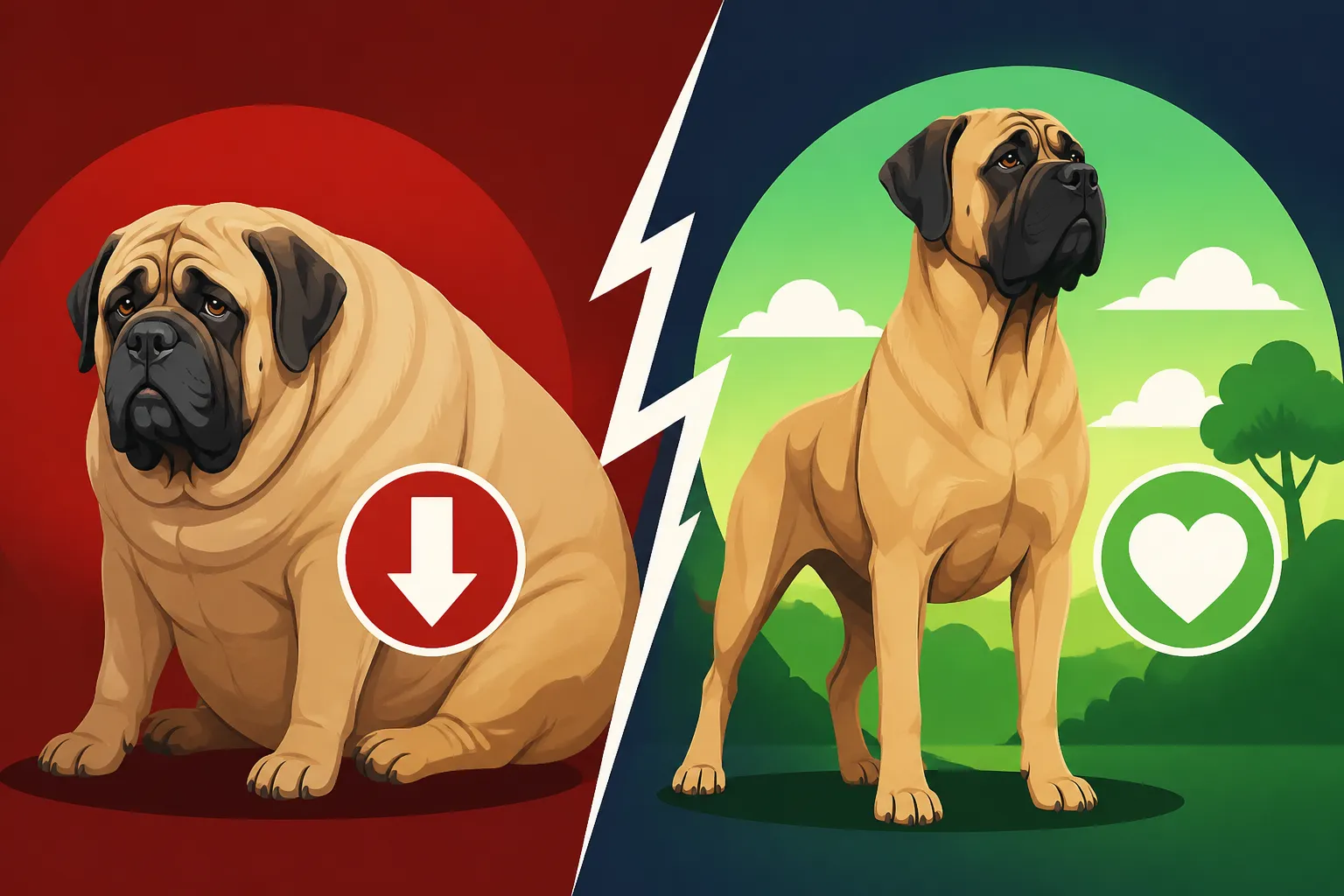
The most reliable way to assess your Mastiff’s weight isn't by stepping on a scale, but by using your hands and eyes. This is called Body Condition Scoring (BCS). You want to be able to feel your Mastiff's ribs without pressing hard, much like feeling the knuckles on your hand. If you have to dig your fingers in, or can't feel them at all, they're likely carrying too much. Similarly, you should be able to make out a slight waist tuck when looking down at them from above, and a discernible tuck-up in their belly line when viewed from the side. If they look like a solid barrel, it's time for a change.
Here’s a simplified guide to Body Condition Scoring for your Mastiff:
| Category | Ribs | Waist/Tuck-Up | Muscle Mass | Overview |
|---|---|---|---|---|
| Too Thin | Ribs, spine, and pelvic bones easily visible | Pronounced waist and abdominal tuck | Visible loss of muscle mass | Emaciated, obvious muscle wasting. |
| Ideal Weight | Easily felt, no fat covering | Clearly discernible waist, slight abdominal tuck-up | Good muscle mass, firm | Lean, athletic appearance. Healthy. |
| Slightly Heavy | Difficult to feel, slight fat covering | Waist discernible but less prominent, minimal tuck-up | Good, but beginning to carry extra padding | Rounder appearance, still active but less spry. |
| Overweight | Difficult to feel, moderate fat covering | No waist, belly saggy or rounded | Muscle mass obscured by fat, less firm | Rounded body, no waist, movement might be sluggish. |
| Obese | Cannot feel, heavy fat covering | Abdomen distended, no tuck-up at all | Significant fat deposits, very difficult to feel muscle | Very round, excessive fat. Movement difficult. |
Don't be afraid to get hands-on with your Mastiff. Run your hands over their chest, spine, and hips. That tactile feedback is far more accurate than just looking. This practical evaluation helps you get a real sense of their physical state, guiding your weight management efforts more effectively than a number on a scale. Even if your Mastiff falls within the general The Weight Range a Male Mastiff Should Hold or The Weight Range a Female Mastiff Should Hold, their individual body composition is what truly matters.
Subtle Changes in Movement and Behavior
Sometimes, the signs aren't just physical; they're behavioral. An overweight Mastiff often moves differently. They might be slower to get up from a lying position, hesitate before jumping into the car (even with a ramp), or seem less enthusiastic about walks they once loved. They might tire more quickly during play or become intolerant of warm weather faster than usual. You may notice they spend more time sleeping, or avoid activities that require much effort.
These subtle shifts can be easy to dismiss as "just getting older" or "being lazy," but in a younger Mastiff, they're significant red flags. Even in older dogs, while slowing down is natural, excessive weight exacerbates these issues exponentially. Pay close attention to how your Mastiff navigates stairs, settles down, and rises. Do they groan or take multiple attempts? Do they struggle to keep up with you on even short strolls? These observations are vital clues that can prompt you to take action before the weight gain progresses further and leads to more serious health complications.
Turning the Tide: A Holistic Approach to Weight Management
Once you've determined your Mastiff is carrying too many pounds, the good news is you can absolutely do something about it. It requires commitment and consistency, but the rewards are immeasurable in terms of quality of life and longevity. This isn't about drastic, sudden changes, but rather a thoughtful, sustained approach tailored to the unique needs of a giant breed. Remember, a quick fix rarely works for long-term health, especially with a Mastiff.
Tailoring Diet for a Mastiff's Unique Metabolism
Diet is, without a doubt, the cornerstone of weight management for your Mastiff. They don't need excessive calories, and often, less is more when it comes to their intake. Start by meticulously measuring their food. Eyeballing it is a common culprit for accidental overfeeding. Consult with your veterinarian to determine an appropriate daily calorie intake for your Mastiff’s ideal weight, not their current weight. Often, this means feeding a high-quality "large breed" or "senior" formula designed for weight management, which typically has fewer calories and more fiber to help them feel full. You can find excellent options and even subscription services for large breed food on platforms like Chewy or Amazon.
Consider breaking their daily ration into two or three smaller meals to help with metabolism and prevent overeating at once. If your Mastiff gulps their food, a slow-feeder bowl can help extend mealtime, making them feel more satiated. Treats should be high-value but low-calorie—think small pieces of cooked chicken, carrots, or green beans instead of dense commercial biscuits. If you're exploring fresh food options, services like Ollie can offer pre-portioned meals, but be prepared for the substantial volume and corresponding cost for a Mastiff. Always factor in all calories consumed, including those from training treats. How Much an Adult Mastiff Eats by Weight Each Day can be surprisingly little compared to their size when you consider their metabolic rate.
Gentle Exercise, Not Overexertion
While diet is paramount, appropriate exercise plays a crucial supporting role. For a Mastiff, especially one carrying extra weight, "exercise" doesn't mean marathon runs or agility courses. Their joints simply can't handle it. Instead, focus on consistent, low-impact activities. Daily, leash-led walks at a moderate pace are ideal. Start with shorter durations and gradually increase as your Mastiff's stamina and joint health improve. Even 15-20 minutes, two to three times a day, can make a significant difference.
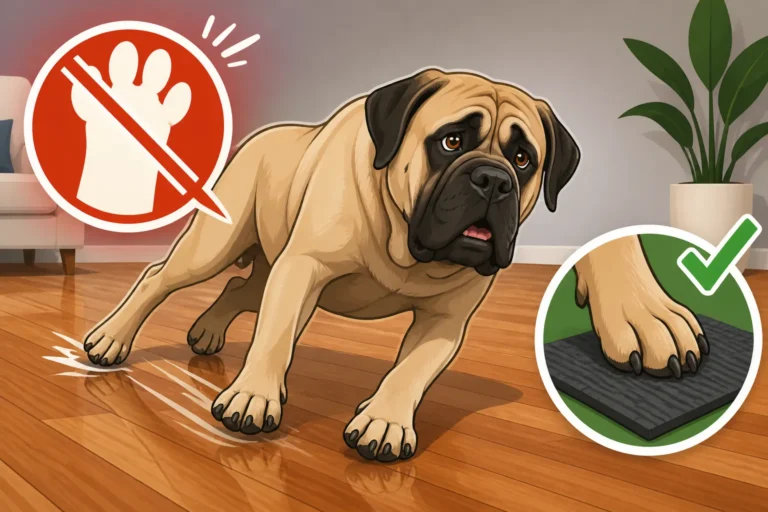
Swimming, if accessible and your Mastiff enjoys it, is an excellent non-weight-bearing exercise that builds muscle without stressing joints. Consider a shallow pool or a calm lake. Indoor play, gentle tug games, or even just encouraging them to move around the house more can help burn calories. The goal is consistent, gentle movement, not intense bursts that could lead to injury. Remember that Why a Mastiff Puppy Must Not Be Exercised Hard applies even more so to an overweight adult, as their joints are under even greater strain. Ensure your Mastiff has proper traction on all floors to prevent slips and falls, as an overweight dog will find it even harder to recover from a sprawl.
Veterinary Partnership: Your Most Important Ally
Navigating weight loss for a giant breed is not something you should do alone. Your veterinarian is your most valuable partner in this journey. They can help rule out any underlying medical conditions that might be contributing to weight gain (like hypothyroidism, which can affect Mastiffs), calculate a precise calorie target, and recommend a safe and effective weight loss plan. They can also monitor your Mastiff's progress, adjust their diet as needed, and advise on appropriate exercise levels.
Regular check-ups will allow your vet to assess their body condition score objectively and track their progress. Don't be shy about asking for advice on specific foods or supplements, such as Joint Supplements for a Mastiff, which can be particularly beneficial for an overweight Mastiff whose joints are already compromised. They can also connect you with resources for specialized diets or physical therapy if needed. This team approach ensures your Mastiff's weight loss journey is safe, healthy, and sustainable.
The Long-Term Bet: Investing in a Healthier, Happier Mastiff Life
Embarking on a weight management program for your Mastiff isn't just about shedding pounds; it's about investing in their future. The benefits extend far beyond a number on the scale, touching every aspect of their well-being and, ultimately, prolonging the precious time you have together. It's a commitment that pays dividends in comfort, vitality, and reducing future stresses.
Preventing Costly Complications
While the initial investment in higher-quality food, perhaps a slow feeder, or more regular vet visits might seem like an added expense, consider it preventative care. The cost of treating obesity-related health issues in a Mastiff can be astronomical. Imagine the vet bills for managing severe arthritis, treating diabetes, or performing surgery for a torn cruciate ligament in a dog that can weigh well over 150 pounds. What Hip Surgery Costs on a Mastiff or What Elbow Surgery Costs on a Mastiff are significant expenses that can often be delayed or mitigated by maintaining a healthy weight.
Furthermore, issues like bloat, though not directly caused by obesity, can be exacerbated by a less active, less healthy digestive system often seen in overweight dogs. By keeping your Mastiff lean, you are actively reducing the likelihood of these debilitating and financially draining conditions. It's truly a scenario where an ounce of prevention is worth a pound of cure—or in a Mastiff's case, many pounds of prevention for many thousands of dollars in potential treatment.
Enhancing Quality of Life and Longevity
Perhaps the most significant reward of maintaining a healthy weight is the palpable improvement in your Mastiff's quality of life. A lean Mastiff is a more comfortable Mastiff. They’ll move with greater ease, enjoy their walks more, and suffer less from the aches and pains that come with excess strain. You'll see more enthusiasm, more playful moments, and a general spark returning to their eyes. They’ll be able to enjoy the limited years they have with greater comfort and mobility.
While Whether a Mastiff's Short Life Is Getting Shorter is a sobering thought, taking control of their weight is one of the most powerful things you can do to positively influence their lifespan. Studies consistently show that dogs maintained at a healthy weight live longer and healthier lives, experiencing fewer chronic diseases and better mobility into their senior years. You are not just extending their life; you are enriching it. Watching your Mastiff age gracefully, moving comfortably and happily, is the ultimate reward for your dedication to their health. This isn't just about them living longer; it's about them living better.
Disclaimer
This article is for general informational purposes only and does not constitute professional advice. Laws, prices and regulations vary by location and change over time. Consult a qualified professional for guidance on your specific situation.