The Anatomy Behind a Mastiff’s Drool
One of the enduring truths about sharing your life with a magnificent Mastiff is the reality of drool. If you've ever found yourself wiping slobber off the ceiling after a particularly enthusiastic head shake, or wondering how a dog's mouth can produce quite so much liquid, you're not alone. This guide delves into the fascinating, albeit sometimes messy, anatomy that explains why our beloved Mastiffs are such prolific droolers and what you can do to manage it.
Understanding the Mastiff's Unique Facial Structure
When you look at a Mastiff's face, you're looking at centuries of selective breeding that have created a distinct, powerful appearance. But those charming, wrinkled jowls and deep lips, while contributing to their majestic look, are also the primary architects of the drool situation. It’s not a design flaw, but rather a characteristic that plays a huge role in their mouth's inability to retain saliva.
The Distinctive Jowls and Flews
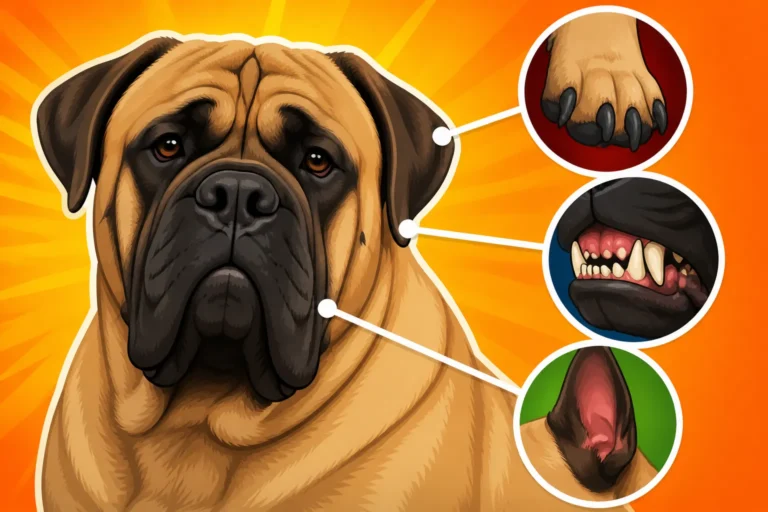
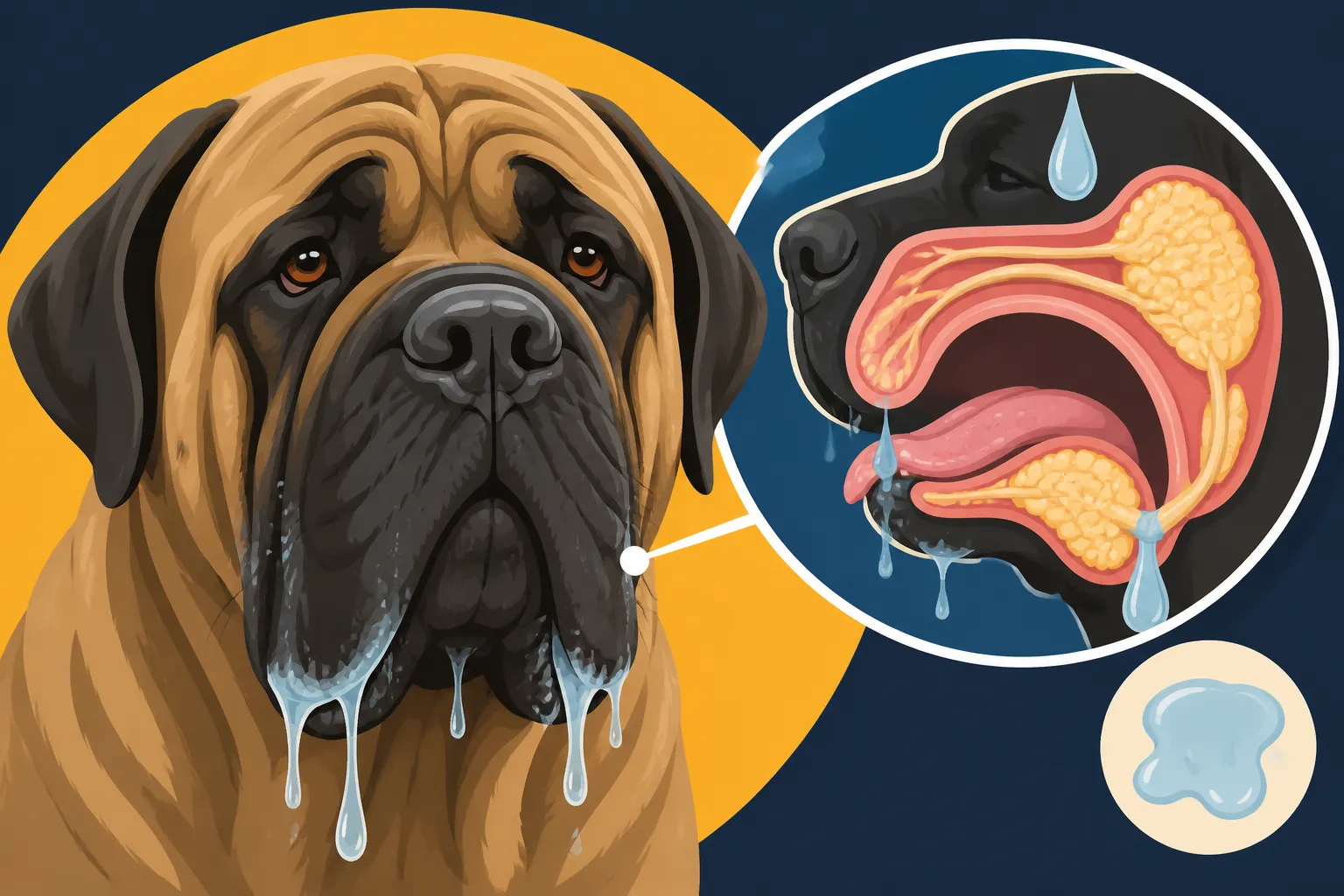
Mastiffs possess what are known as pendulous jowls and prominent flews. These aren't just cute flaps of skin; they're substantial, loose folds of tissue that hang down from their upper and lower lips. Unlike breeds with tighter, more compact mouths, a Mastiff's mouth isn't designed to form a watertight seal. Imagine trying to hold a mouthful of water with a loosely cupped hand – that's essentially what their facial structure does to saliva. It's simply too much volume for the lips to contain, especially when gravity starts to do its work.
These jowls, particularly the flews – the fleshy, hanging parts of the upper lip – act almost like natural gutters. They catch some of the drool initially, creating those characteristic damp spots on their chin. However, once the volume increases, or if the dog moves its head, the saliva quickly overflows these channels and makes its inevitable descent. This is why you often see a trail of moisture extending from their mouth down their neck, even when they're relatively calm.
The Role of Lip Structure in Containment (or Lack Thereof)
Beyond the jowls, the overall structure and looseness of a Mastiff's lips are key players in the drool game. Their lips aren't tight and close-fitting like those of a German Shepherd or a Labrador. Instead, they're ample and loose, providing little to no barrier to prevent saliva from escaping. There’s a significant gap, particularly at the corners of their mouth, where saliva can easily seep out.
This open-mouthed structure, while aesthetically pleasing to breed enthusiasts, means that any excess saliva has a clear escape route. It's a bit like having a leaky faucet; no matter how much water is coming through, it's going to drip. For a Mastiff, every swallow, every yawn, every moment of anticipation can lead to more saliva production, and their lips are just not built to hold it all in. This is why The Wrinkles and Folds a Mastiff Owner Cleans Every Week are so important, as moisture can get trapped and cause issues.
How Skull Shape Contributes to the Drool Factor
While the jowls and lips get most of the attention, the Mastiff's massive, broad skull also plays a subtle but significant role. This large skull houses proportionally large salivary glands, which contribute to the sheer volume of saliva produced. It's a foundational aspect of their anatomy, setting the stage for copious drool even before the loose lips come into play.
The sheer size of their head means more surface area, more folds, and more opportunity for saliva to accumulate and then escape. Furthermore, the angle and prominence of their muzzle, coupled with their underbite in some instances, can create nooks and crannies where saliva can pool before making its grand exit. It's a testament to their overall "giant" construction that every part of their facial anatomy seems perfectly designed to maximize drool potential.
The Science of Salivation: Why Mastiffs Produce So Much
Drooling isn't just a random act; it's a physiological process. While all dogs produce saliva, Mastiffs seem to operate on a different scale entirely. Understanding the underlying biological mechanisms helps demystify why your gentle giant is so often a fountain of slobber.
Salivary Glands: More Than Just Spit
Dogs, like humans, have several pairs of salivary glands responsible for producing saliva. These include the parotid, submandibular, sublingual, and zygomatic glands. In Mastiffs, these glands are quite substantial, consistent with their large body mass. Saliva itself isn't just water; it's a complex mix of enzymes, electrolytes, mucus, and antibacterial compounds crucial for digestion, oral hygiene, and even communication.
The primary function of saliva is to lubricate food, making it easier to chew and swallow, and to begin the chemical digestion of starches. It also helps to keep the mouth clean by washing away food particles and bacteria. For a Mastiff, with their powerful jaws and large meals, efficient salivation is vital. The sheer output from these glands, however, can quickly overwhelm the containment capacity of their facial structure. This is why you need to be mindful of how much Managing a Mastiff's Jowls After It Drinks affects the surrounding area.
Triggers for Increased Salivation
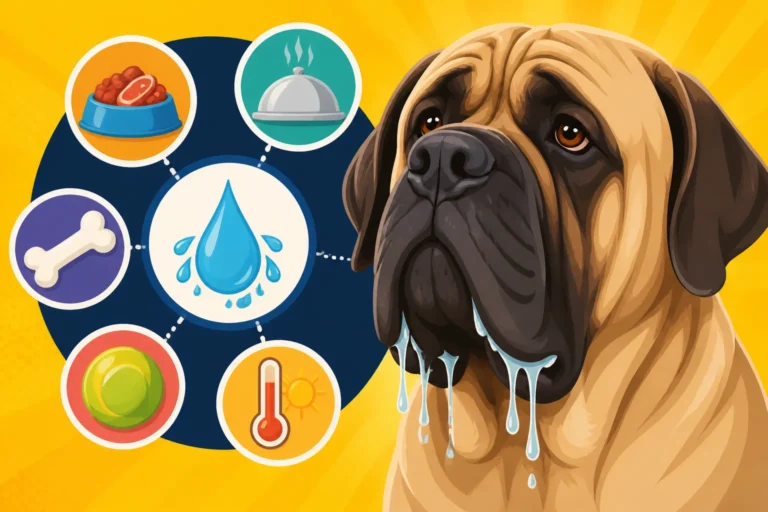
Salivation isn't a constant flow; it's highly responsive to various stimuli. For Mastiffs, these triggers are often amplified, leading to a noticeable increase in drool. The most obvious trigger is the anticipation of food. Just the smell, sight, or even the sound of their food bowl can send their salivary glands into overdrive. Their brains are wired to prepare for digestion, and that means a sudden rush of saliva.
Other common triggers include excitement, such as when a beloved family member returns home, or when they're about to go for a walk. Stress or anxiety can also lead to increased salivation, though this is often accompanied by other signs like panting or pacing. Even certain smells, tastes, or foreign objects in the mouth can stimulate a drool cascade. Essentially, anything that signals "food is coming" or "something interesting is happening" can turn your Mastiff into a drool machine.
The Sheer Volume of Saliva Production
It's hard to quantify exactly how much saliva a Mastiff produces compared to a smaller dog, but anecdotal evidence from owners clearly points to a significantly higher volume. Their large size, combined with the loose facial anatomy, means that what might be a manageable amount of saliva for a tight-lipped breed becomes an overflowing torrent for a Mastiff. Think of it like a small cup versus a large bucket under a faucet – the bucket fills up faster and spills over more dramatically.
This volume is why, even when not actively excited, a Mastiff might still have a damp chin or leave small puddles. Their glands are simply doing their job, producing a baseline level of saliva appropriate for their massive mouths and digestive needs. It's the anatomical inability to contain this natural production that creates the constant "drool effect" we associate with the breed.
How Drool Escapes: The Mechanics of the Mastiff's Mouth
The escape of drool from a Mastiff's mouth isn't just passive seepage; it's an active process influenced by gravity, movement, and even their eating and drinking habits. It's a combination of their unique anatomy and their daily routines that results in the inevitable slobbery trail.
The Gravity Effect: Why Downward Flow is Inevitable
This is perhaps the simplest, yet most powerful, force at play. Because a Mastiff's jowls and flews hang down, gravity ensures that any uncontained saliva will naturally flow downwards. Their loose lips don't create a barrier, so the saliva doesn't have to fight against anything to escape; it simply follows the path of least resistance. This means that when your Mastiff is standing, sitting, or even lying down, if saliva production outpaces retention, it will drip.
It's particularly noticeable when they lower their head, perhaps to sniff the ground or lean against you. The angle simply aids gravity in pulling the moisture out. This downward flow is also why you often see drool "ropes" forming, where strands of saliva stretch from their mouth to the floor before breaking off. It's a constant, low-level flow that accumulates rapidly without a tight oral seal to keep it in check.
The Physics of the Mastiff Head Shake
Ah, the infamous Mastiff head shake! This move is perhaps the most dramatic way drool is dispersed, often resulting in wide arcs of slobber across walls, furniture, and unsuspecting bystanders. The physics behind it are simple: centrifugal force. When a Mastiff shakes its head vigorously, perhaps after a drink, a nap, or just because, any accumulated drool on its jowls and flews is flung outwards.
Imagine a wet towel being spun. The water flies off in all directions. A Mastiff's head shake is precisely the same, only with more significant quantities of sticky saliva. The sheer momentum and force generated by such a large head shaking can send drool several feet, sometimes even up onto the ceiling. It's a spectacle, for sure, and one that every Mastiff owner learns to anticipate and dodge. How Far a Mastiff Can Fling Drool can be quite astounding!
Eating and Drinking Habits and Their Drool Impact
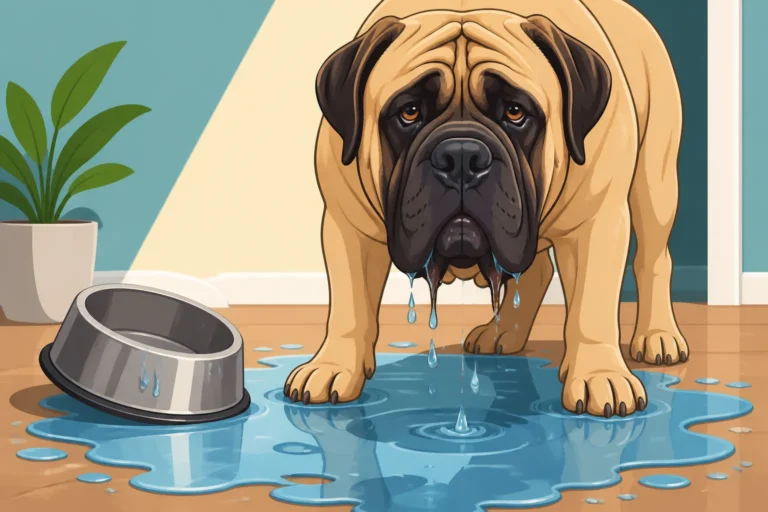
The way a Mastiff eats and drinks significantly exacerbates the drool situation. Their large mouths are designed for gulping, not delicate sipping. When they drink, their loose jowls scoop up a considerable amount of water, which then mixes with their already abundant saliva. As they lift their head from the bowl, much of this liquid runs straight out the sides of their mouth, creating impressive puddles. This is why choosing Which Water Bowl Suits a Mastiff's Jowls can make a real difference.
Similarly, during meal times, particularly with wet food or when they're enthusiastically chowing down kibble, the mechanical action of eating stimulates saliva production. Food particles often mix with the saliva, creating a thicker, more visible drool that adheres to their jowls and then drops to the floor. It's not uncommon for a Mastiff to leave a "meal ring" around their eating area, a testament to the combined forces of gravity, loose lips, and enthusiastic consumption.
Factors That Influence Mastiff Drool Volume
While a Mastiff's anatomy is the constant, several environmental and behavioral factors can dramatically increase or decrease the amount of drool you encounter on a daily basis. Recognizing these triggers can help you anticipate and manage the mess more effectively. This is part of understanding What Makes a Mastiff Drool More beyond just their breed traits.
Excitement, Anticipation, and Stress
As mentioned earlier, emotional states are huge drivers of saliva production. A Mastiff greeting you at the door, vibrating with joy, is almost guaranteed to be drooling more than when they're calmly napping. The anticipation of a walk, a car ride, or even just hearing the crinkle of a treat bag can unleash a torrent. Their nervous system reacts to these stimuli by gearing up the digestive process, and saliva is the first step.
Similarly, stress or anxiety can also cause increased drooling. A visit to the vet, a loud thunderstorm, or separation anxiety can manifest as excessive salivation, often accompanied by panting, yawning, or licking. It's important to differentiate between joyful drool and stress-induced drool, as the latter might signal a need to address your dog's comfort and emotional well-being. Keeping an eye on their emotional state can sometimes offer clues to sudden changes in drool volume.
Heat and Hydration: A Drool Amplifier
Mastiffs are prone to overheating due to their massive body size and brachycephalic (though not extreme) tendencies, which can make them less efficient at cooling themselves. One of the ways dogs regulate their body temperature is through panting, which increases air circulation over moist surfaces in their mouth and throat, leading to evaporative cooling. This process requires a significant increase in saliva production to keep those surfaces moist.
Therefore, on a hot day or after even moderate exercise, a Mastiff will likely drool more as its body works harder to stay cool. Ensuring they have constant access to fresh, cool water is crucial, not just for hydration but also for managing their body temperature. However, more water intake often means more water being "slurped" and consequently spilled due to their jowls, creating a cyclical challenge for owners. Whether a Mastiff Overheats on a Walk is a major concern, and increased drooling is a strong indicator of this.
Dietary Factors and Mealtime Mayhem
What your Mastiff eats can also influence drool. Some dogs react more strongly to certain foods, especially those with strong odors, which can stimulate salivation. Rich, savory treats, for instance, might cause more drool than bland ones. Beyond the food itself, the act of eating, particularly if they are fast eaters, will naturally increase saliva production to aid in digestion.
Some owners notice more drool with wet food compared to dry kibble, simply because of the sensory experience and the texture. If your Mastiff tends to gulp their food, a slow feeder bowl can not only help prevent bloat but also potentially reduce the mess by forcing them to eat more deliberately. However, remember that the sheer excitement of mealtime is often enough to trigger a drool fest regardless of the food type or bowl design.
Living with Mastiff Drool: Practical Management Strategies
Accepting that drool is a fundamental part of Mastiff ownership is the first step. The second is implementing practical strategies to manage it, keeping your home cleaner and your Mastiff more comfortable. It's about minimizing the impact, not eliminating the drool entirely.
Proactive Cleaning and Containment
The most straightforward approach to managing Mastiff drool is constant cleaning. Keeping a supply of dedicated towels or cloths strategically placed around your home is essential. Many owners swear by microfibre cloths for their absorbency. Wiping your Mastiff's jowls regularly, especially after they drink or eat, can prevent much of the mess. Some owners even use specific grooming wipes for their folds and jowls, similar to how they address Whether a Mastiff's Nose Wrinkle Needs Daily Attention.
Consider using bibs or bandanas, especially during peak drool times like meal prep or car rides. While not foolproof, a well-placed bib can absorb a surprising amount of drool before it reaches your floors or upholstery. For furniture, investing in washable slipcovers or throws can be a lifesaver, allowing for easy cleanup without damaging your permanent pieces. Regular wiping of walls and floors in high-traffic Mastiff areas will also become part of your routine. How Often a Mastiff's Jowls Need Wiping truly varies by individual dog and situation, but a daily wipe-down is a good start.
Specialized Equipment and Household Adaptations
The market offers several products designed to help with slobber control. Elevated food and water bowls can sometimes help a Mastiff maintain a better posture while eating and drinking, potentially reducing spillage, though research on bloat and bowl height is mixed. More importantly, specially designed "no-drip" or "splash-proof" water bowls can make a huge difference. These often feature floating disks or narrower openings that limit how much water your Mastiff can gulp at once, reducing the amount that ends up on the floor. Brands available on platforms like Amazon or Chewy offer a variety of these, sometimes branded as "Slopper Stopper" bowls, that are worth exploring.
For surfaces, consider materials that are easy to clean. Leather or pleather furniture, washable rugs, and hard flooring (with good traction for your Mastiff's joints) can simplify cleanup. Keeping a dedicated "drool towel" in your car is also a must for rides, especially if your Mastiff gets excited or anxious in the vehicle. Investing in heavy-duty, waterproof seat covers from brands found on Chewy can protect your vehicle's interior.
Training and Behavioral Approaches to Minimize Mess
While you can't train away the anatomy, you can influence behaviors that exacerbate drool. Training your Mastiff to "wait" before approaching their food or water bowl can help reduce the frantic excitement that often leads to increased drooling and mess. Teaching a "clean up" cue, where they might wipe their mouth on a designated towel, is a more advanced technique but can be incredibly useful.
Working on calm greetings for visitors or when you return home can also help. A less excited dog will generally drool less. Positive reinforcement is key here. Reward calm behavior, especially around known drool triggers. Consistency is crucial, and while it won't eliminate drooling, it can certainly help manage the situations where it becomes most problematic. Even if you're exploring fresh food options from services like Ollie, remember that the excitement of new food can still trigger significant drool, so behavioral management remains important.
Here's a quick look at some drool management strategies:
| Strategy | Description | Pros | Cons |
|---|---|---|---|
| Regular Wiping | Using cloths/towels to wipe jowls after eating, drinking, or excitement. | Immediate cleanup, prevents accumulation. | Requires constant vigilance, can be time-consuming. |
| Protective Bibs/Bandanas | Fabric worn around the neck to absorb drool. | Catches drips, protects clothing/floors, adds style. | Needs frequent washing, not all dogs tolerate them. |
| No-Drip Water Bowls | Bowls with restrictive designs to limit water intake and spillage. | Significantly reduces water puddles, less messy drinking. | Can be more expensive, some dogs might find them frustrating. |
| Washable Furniture Covers | Slipcovers, blankets, or throws for sofas and chairs. | Protects upholstery, easy to clean. | May not perfectly match decor, needs regular washing. |
| Easy-Clean Flooring | Hardwood, tile, or laminate with runners/rugs. | Simple to wipe up, prevents staining. | Can be slippery for older Mastiffs, initial cost of flooring. |
| Calm Training | Teaching relaxed greetings and waiting cues. | Addresses root causes (excitement), improves behavior. | Requires time and consistency, doesn't stop anatomical drool. |
The Staining a Mastiff's Drool Leaves can be a real headache if not addressed promptly, so combine these methods for the best results. Ultimately, living with a Mastiff means embracing the drool, but with these strategies, you can keep your home cleaner and your life a little less slobbery.
Disclaimer
This article is for general informational purposes only and does not constitute professional advice. Laws, prices and regulations vary by location and change over time. Consult a qualified professional for guidance on your specific situation.