Whether a Mastiff’s Folds Need Powder
One common concern that often pops up for Mastiff owners, especially those new to the breed, is how to best care for those magnificent, endearing facial folds and wrinkles. You see them, you love them, but then you start to wonder, "Are they collecting moisture? Do they need a little help staying dry?" This often leads to the question of whether using powder is a good idea. This guide is here to thoroughly explore the realities of Mastiff fold care and address the common query about powders, offering realistic, practical advice to keep your gentle giant comfortable and healthy.
The Allure and Misconceptions of Powder for Mastiff Folds
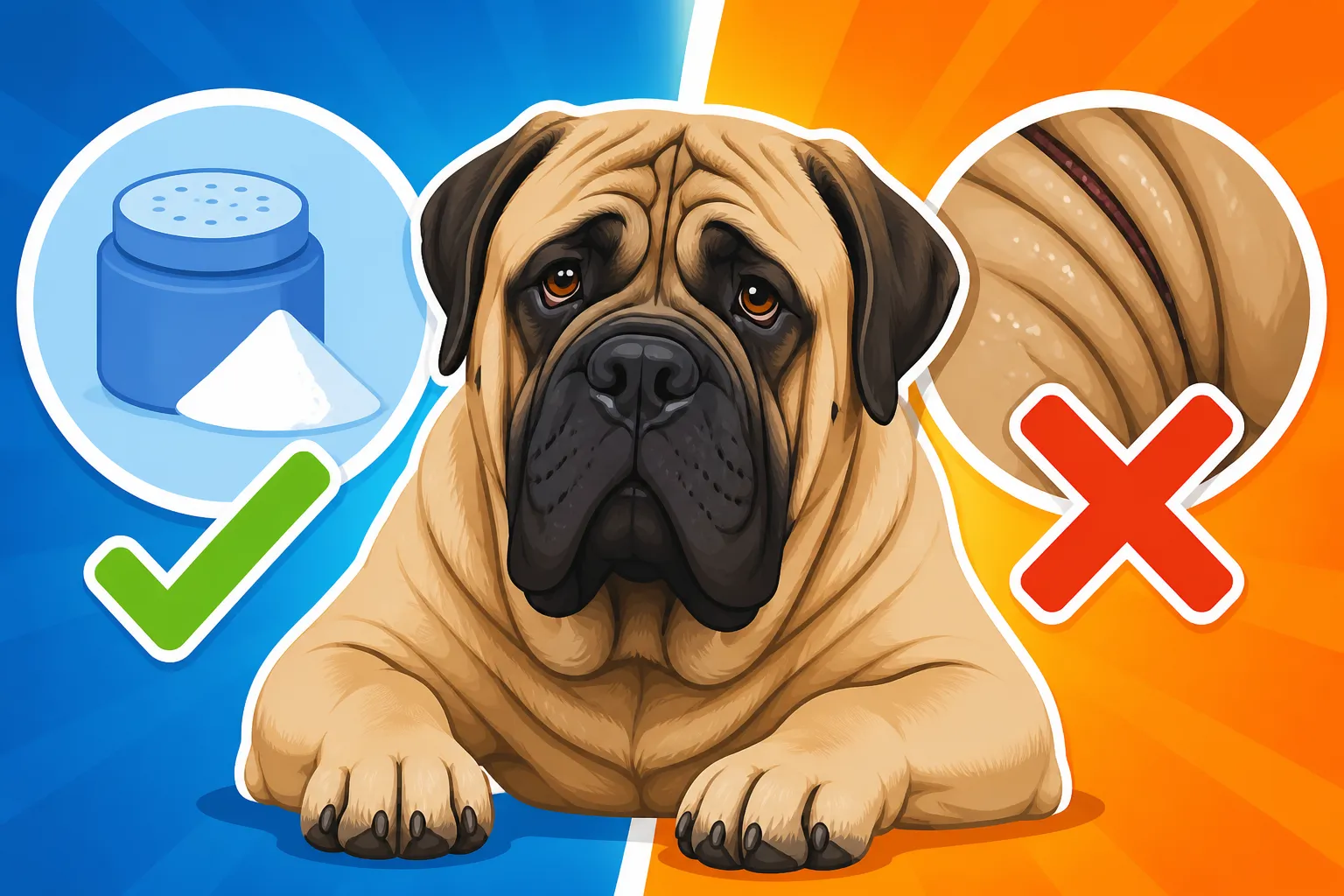
It's completely understandable why the idea of using powder on your Mastiff's folds might cross your mind. We humans often use powder for moisture control in our own skin folds or for babies, and it feels like a logical leap to apply that same principle to our dogs, especially a breed known for its abundant skin. However, what works for us or even for other creatures doesn't always translate directly to the unique physiology of a Mastiff.
Why Some Owners Consider Powder
Many owners initially think of powder as a preventative measure. They envision those deep wrinkles, particularly around the nose, mouth, and sometimes even the neck, as prime real estate for moisture, yeast, and bacteria to set up shop. The logic is simple: powder absorbs moisture, moisture leads to problems, so powder must prevent problems. It seems like a quick, easy fix to ensure those areas stay dry and fresh. You might have heard anecdotes from other dog owners, or seen products marketed for "fold care" that include a powder component, leading you to believe it's a standard practice. The desire to keep our beloved Mastiffs clean and free from irritation is strong, and sometimes, in our quest to be proactive, we reach for solutions that might not be the best fit for their specific needs. It's a natural instinct to want to protect them from discomfort, especially when those deep folds look like they could be a haven for trouble.
The Anatomy of a Mastiff's Folds and What They Actually Need
To understand why powder isn't typically the answer, we need to really look at those folds. Mastiffs have prominent wrinkles, especially around their muzzle and forehead. These folds create warm, dark, and often moist environments because they trap humidity, tears, drool, and even bits of food. The skin within these folds is delicate, and it's prone to irritation if not cared for properly. What these areas truly need is regular, gentle cleaning and, most importantly, thorough drying. The goal isn't just to absorb moisture, but to remove the source of irritation and prevent moisture from lingering in the first place. Think of it less like a permanent solution and more like diligent, ongoing maintenance.
The skin in these areas needs to breathe. It needs to be free from irritants that can build up, and it needs to maintain its natural barrier function. Introducing a foreign substance like powder, especially one that can clump or irritate, might actually interfere with this delicate balance rather than helping it. The sheer depth and number of wrinkles on a Mastiff's face mean that superficial treatments often miss the mark or even exacerbate existing issues. For a deeper dive into overall maintenance, you might find our article The Wrinkles and Folds a Mastiff Owner Cleans Every Week helpful.
The Potential Downsides and Risks of Using Powder
While the intention behind using powder is usually good, the reality is that it can create more problems than it solves for a Mastiff's sensitive folds. What seems like a simple solution can actually become a catalyst for discomfort and more serious skin issues.
Moisture Trapping and Irritation
This is perhaps the biggest paradox of using powder. While it might absorb some initial surface moisture, powder doesn't always perform as expected in the perpetually moist environment of a deep skin fold. Instead of keeping the area dry, the powder can mix with moisture—be it drool, tears, or sweat—to form a paste or clumps. This pasty residue then becomes an even better breeding ground for bacteria and yeast than plain moisture alone. It sticks to the skin, preventing air circulation and creating a barrier that traps heat and dampness.
Imagine having a damp, sticky substance constantly pressed against your skin; it would quickly become irritated, itchy, and inflamed. The same happens to your Mastiff. The skin, already prone to sensitivity, can react to the powder itself, leading to contact dermatitis or an allergic reaction. This irritation is often the first step towards a full-blown infection. Instead of preventing, the powder actively contributes to the problem. Moreover, the rough texture of some powders can cause micro-abrasions on the delicate skin, opening up pathways for infection. For more information on preventing skin issues, consider reading Whether a Mastiff's Fold Smells Yeasty.
Respiratory Concerns and Ingredient Worries
Beyond skin irritation, there's a significant concern about the ingredients in some powders and the potential for inhalation. Many common powders, especially those with talc, can release fine particles into the air. When you apply powder to your Mastiff's face, those particles are easily inhaled, not just by your dog but also by you. For a dog with a brachycephalic (short-nosed) structure, like some Mastiffs, or any dog prone to respiratory sensitivities, inhaling these particles can be particularly harmful. It can irritate their respiratory tract, potentially leading to coughing, sneezing, or even more serious lung issues over time.
Furthermore, some powders contain fragrances, dyes, or other chemicals that can be irritants or allergens. Even seemingly benign ingredients can cause a reaction in sensitive dogs. It's crucial to always know exactly what you're putting on your dog's skin, and with many powders, the full list of inert ingredients might not be clearly highlighted for pet use. This is why many veterinary professionals and experienced breeders strongly advise against using powders in these sensitive areas. You want to avoid adding anything unnecessary that could compound existing health concerns.
Effective and Safe Alternatives for Mastiff Fold Care
The good news is that there are highly effective and safe methods to keep your Mastiff's folds clean, dry, and healthy without resorting to powders. It all comes down to consistent, proper technique and the right tools.
The Importance of Regular Cleaning and Drying
This is the golden rule of Mastiff fold care: consistency is key. Daily cleaning is ideal, especially for dogs with very deep wrinkles or those prone to excessive drooling or tearing.
- Gentle Cleaning: Use a soft, damp cloth or a pet-specific wipe. For particularly dirty or irritated folds, a dilute solution of chlorhexidine (a common antiseptic in veterinary products) or a gentle, fragrance-free pet shampoo can be used, but always ensure it's veterinarian-approved for your dog's specific needs. Avoid harsh soaps, alcohol-based wipes, or human products that can dry out or irritate sensitive skin. Gently wipe away any accumulated moisture, food debris, dirt, or discharge from within each fold. You'll often be surprised how much gunk accumulates even after a short period! Getting into all the nooks and crannies is essential.
- Thorough Drying: After cleaning, this is the most critical step. Use a clean, dry, soft cloth (microfiber towels work wonderfully) or even a cotton pad to meticulously dry the inside of every fold. You want these areas to be completely dry. Residual moisture, no matter how small, is an invitation for yeast and bacteria to grow. Some owners even use a cool setting on a hairdryer for a few seconds if their dog tolerates it, ensuring the air is not too hot and the nozzle is kept at a safe distance. The aim is to create an environment where moisture simply cannot linger. This diligent drying routine helps prevent those moist, warm conditions that lead to issues like skin fold dermatitis. Our guide on How Often a Mastiff's Folds Need Cleaning delves deeper into establishing a routine.
Recommended Products and Practices
Beyond water and a soft cloth, there are several products that can genuinely help in maintaining healthy Mastiff folds:
- Veterinary-Approved Wipes: Many brands offer medicated or gentle cleansing wipes specifically formulated for pet skin folds. Look for ingredients like chlorhexidine or ketoconazole if your dog is prone to yeast infections, or simply aloe and vitamin E for gentle daily cleaning. Brands like Chewy often carry a wide selection of these specialized wipes, allowing you to compare options and read reviews from other large-breed owners. These wipes are incredibly convenient for quick clean-ups throughout the day.
- Topical Antifungal/Antibacterial Solutions: If you notice redness, a foul odor, or signs of irritation, your vet might prescribe or recommend a topical solution or cream. These are often applied after cleaning and drying to treat or prevent infection. These aren't powders, but liquid or gel formulations designed to target specific microbial growth.
- Moisture Barrier Creams: In some cases, a very thin layer of a veterinarian-approved moisture barrier cream (like those containing zinc oxide or petroleum jelly, but specifically formulated for pets) might be recommended by your vet for short-term use on very irritated areas. This creates a physical barrier against moisture, but it must be used sparingly and only when advised by a professional, as overuse can also trap moisture.
- Ollie and other fresh food providers won't directly help with topical fold care, but a balanced, healthy diet can contribute to overall skin health and a strong immune system, which in turn helps your Mastiff fight off infections more effectively. While not a direct solution, good nutrition supports healthy skin from the inside out.
- Access to Information: Amazon and other online retailers offer a plethora of books and guides on Mastiff care, often including sections dedicated to hygiene. While always double-check advice with your vet, these resources can sometimes offer practical tips from experienced owners or breeders.
Here's a quick comparison of common fold care approaches:
| Method | Pros | Cons | Best Use |
|---|---|---|---|
| Powder | Perceived moisture absorption | Can clump, trap moisture, cause irritation, respiratory risks | Generally NOT recommended |
| Damp Cloth/Water | Gentle, readily available, cost-effective | Requires thorough drying, may not tackle infections | Daily maintenance, mild cleaning |
| Pet Wipes | Convenient, pre-moistened, often medicated | Can be expensive, some dogs dislike the sensation, proper drying still needed | Daily quick clean-ups, targeted antiseptic care |
| Vet-Prescribed Topicals | Targeted treatment for specific issues (yeast, bacteria) | Requires vet consultation, specific application instructions | Treating existing infections or severe irritation |
Remember, your Mastiff's comfort and health are paramount. Always prioritize gentle, consistent care over quick fixes that might introduce new problems. If you're ever in doubt about the best way to care for your Mastiff's folds, your veterinarian is your best resource.
When to Consult Your Vet About Fold Health
Even with the most diligent care, Mastiffs can sometimes develop issues in their skin folds. Knowing when a problem is beyond home care and requires professional veterinary attention is crucial for their well-being.
Recognizing Signs of Infection
You are your Mastiff's first line of defense, and becoming intimately familiar with their folds during your regular cleaning routine will help you spot trouble early. Watch out for these signs that could indicate an infection or a more serious skin condition:
- Redness and Inflammation: The skin inside and around the folds appears visibly red, angry, or swollen. This is often one of the first indicators of irritation or infection.
- Foul Odor: A strong, unpleasant, yeasty, or rancid smell emanating from the folds is a classic sign of bacterial or yeast overgrowth. Trust your nose – healthy folds should not have a strong odor. Our article, Whether a Mastiff's Fold Smells Yeasty, offers more insight into this particular issue.
- Discharge: You might notice thick, gooey, yellow, green, or brown discharge. This indicates an active infection and requires immediate veterinary attention.
- Itching or Pain: Your Mastiff may frequently rub their face on furniture, scratch at their folds, or show signs of discomfort when you touch the area. They might pull away, whine, or even snap if the area is painful.
- Hair Loss or Skin Changes: The skin might appear thickened, greasy, crusty, or show signs of hair loss in or around the affected folds. Sometimes, small pustules or pimples can develop.
- Behavioral Changes: A Mastiff in discomfort might be more lethargic, lose their appetite, or become generally subdued. Any deviation from their normal happy self should prompt a closer look.
If you observe any of these symptoms, it's time to call your veterinarian. Attempting to self-treat an active infection with over-the-counter products can often worsen the problem, delay proper treatment, and cause your dog unnecessary suffering.
Professional Guidance and Treatment
When you consult your vet for fold issues, they will perform a thorough examination. This might involve:
- Visual Inspection: A careful look at the affected folds, assessing the degree of inflammation, discharge, and skin changes.
- Cytology: Your vet might take a swab of the discharge or skin surface and examine it under a microscope. This helps identify whether bacteria, yeast, or both are present, and which specific types, guiding the choice of medication.
- Culture and Sensitivity: In some cases, especially with recurrent or resistant infections, a culture might be taken to grow the bacteria and determine which antibiotics will be most effective.
- Allergy Testing: If chronic fold dermatitis is suspected to be linked to allergies, your vet might discuss allergy testing or dietary changes.
Treatment for fold infections can vary depending on the cause and severity but often includes:
- Topical Medications: Medicated washes, shampoos, wipes, or ointments containing antibacterial, antifungal, or anti-inflammatory ingredients. Your vet will provide specific instructions on how often and for how long to apply these.
- Systemic Medications: For more severe or widespread infections, oral antibiotics, antifungals, or anti-inflammatory drugs might be prescribed.
- Pain Management: If your Mastiff is in significant pain, your vet might also prescribe pain relief medication.
- Dietary Review: Sometimes, food allergies or sensitivities can manifest as skin issues. Your vet might suggest a hypoallergenic diet trial.
- Surgical Intervention (Fold Reduction Surgery): In very rare and extreme cases where folds are excessively deep, perpetually infected, and unresponsive to medical management, surgical removal of some skin folds (called cheiloplasty or fold reduction) might be considered. This is usually a last resort, but it can dramatically improve a dog's quality of life if chronic pain and infection are debilitating.
Ultimately, proactive care is the best defense against fold issues. But when problems arise, prompt veterinary intervention is paramount to getting your Mastiff back to feeling their best. Don't hesitate to seek professional help—it's part of being a responsible Mastiff owner, and your gentle giant will thank you for it.
Disclaimer
This article is for general informational purposes only and does not constitute professional advice. Laws, prices and regulations vary by location and change over time. Consult a qualified professional for guidance on your specific situation.