Whether a Mastiff Is Hard to House Train
Bringing a Mastiff puppy home is an exciting, albeit slightly overwhelming, adventure. One of the biggest worries many new owners have, and rightfully so, is whether house training this colossal companion will be an insurmountable task. After all, a "small" accident from a tiny terrier is one thing; a "small" accident from a two-hundred-pound Mastiff is an entirely different matter! This guide aims to tackle those fears head-on, offering a realistic, empathetic look at house training your Mastiff, detailing strategies for success, and acknowledging the unique challenges of raising such a magnificent, albeit enormous, breed.
Understanding the Mastiff's Temperament and Potty Habits
When you bring a Mastiff into your life, you're not just getting a big dog; you're welcoming a creature with a distinct personality and a specific set of instincts. Understanding these traits is the first step in successful house training. They aren't just large, they're often deliberate, sensitive, and surprisingly clean.
The Mastiff's Natural Cleanliness
Despite their immense size and sometimes clumsy demeanor as puppies, Mastiffs are, at heart, incredibly clean animals. They generally possess an inherent desire not to soil their sleeping or eating areas. This isn't just a convenient trait; it's deeply ingrained in their canine psychology. From a very young age, a Mastiff puppy will naturally try to move away from their immediate resting space to relieve themselves. This instinct is a huge advantage when it comes to house training, distinguishing them from some smaller breeds that might be less particular about their indoor habits.
Think of it this way: a Mastiff views their den, which quickly becomes your home, as their sanctuary. To soil it goes against their very nature. This makes them excellent candidates for crate training, as the crate becomes their personal den, and they will go to great lengths to avoid messing in it. It's not about being "smart" or "dumb"; it's about a foundational instinct for hygiene that we, as owners, can cleverly leverage. This innate cleanliness is why, with proper guidance and consistency, How Long a Mastiff Puppy Takes to House Train might surprise you as it often isn't as long as you'd think for such a big dog.
Slow Maturation and Bladder Control
Here's where the giant breed factor really comes into play. Mastiffs, like all giant breeds, mature at a slower pace than their smaller counterparts. This isn't just about their physical growth, which is undeniably rapid – they literally double in size during The First Year With a Mastiff Puppy That Doubles in Size – but also their mental and physiological development. Their bladders and bowels simply take longer to fully develop the muscle control necessary for holding it for extended periods.
It's easy to get frustrated when your five-month-old Mastiff puppy still needs to go out every couple of hours, especially if you're used to smaller breeds that might be reliably house trained much earlier. But you must remember that a five-month-old Mastiff is still very much a baby in terms of development, even if they already weigh as much as an adult Labrador. Their brain is still making connections, and their body is still building crucial muscle strength. Patience is key here. Expecting a young Mastiff to have the same bladder control as a one-year-old medium-sized dog is simply unrealistic and will only lead to disappointment and undue stress for both of you.
Essential House Training Foundations for a Mastiff Puppy
Successful house training isn't just about waiting for your Mastiff to "get it." It requires a proactive, structured approach, especially with a breed whose eventual size means any accident is a considerable mess. Laying a strong foundation from day one is paramount.
Crate Training: A Mastiff's Best Friend
If there's one tool I'd recommend above all others for house training a Mastiff, it's a properly sized crate. Many people mistakenly view crates as cruel, but for a Mastiff, it becomes their secure, personal den. As we discussed, Mastiffs are naturally clean and will instinctively avoid soiling their sleeping area. A crate leverages this instinct beautifully. The key is that the crate must be just large enough for your Mastiff to stand up, turn around, and lie down comfortably – not so large that they can sleep at one end and relieve themselves at the other. As your puppy grows, you'll likely need to expand the crate or get a larger one, or utilize a divider to adjust the space.
Finding a crate that can accommodate a full-grown Mastiff is an undertaking in itself. These aren't your average dog crates. You'll be looking for heavy-duty, extra-large models, sometimes labeled as "giant breed" crates. Many owners find good options for these robust crates on platforms like Amazon, ensuring they can stand up to the size and strength of a growing Mastiff. Whether a Mastiff Puppy Should Be Crated is not really a question of if, but how effectively, in my opinion. It's not just about potty training; it's about providing them a safe haven, teaching them to settle, and keeping them out of trouble when you can't actively supervise. Introduce the crate positively with treats and toys, making it a wonderful place to be.
Consistent Schedule and Routine
A predictable schedule is the backbone of effective house training for any puppy, but it's especially critical for a Mastiff with their slower physical development. Your puppy thrives on routine, and a consistent potty schedule helps them learn when and where they are expected to relieve themselves.
This means taking your Mastiff puppy out very frequently: first thing in the morning, immediately after waking from naps, within 10-15 minutes of eating or drinking, after playing, and right before bed. Don't wait for them to signal; take them out preemptively. Always go to the same designated potty spot in your yard. The familiar smells will encourage them to go. When they do their business, praise them enthusiastically and reward them with a treat. This positive reinforcement solidifies the behavior. As they get older, the time between breaks will gradually increase, but in the early months, frequent trips are non-negotiable. Remember, How Long a Mastiff Puppy Holds It Overnight is very limited when they are young, so those late-night and early-morning excursions are crucial.
Leash Training for Potty Breaks
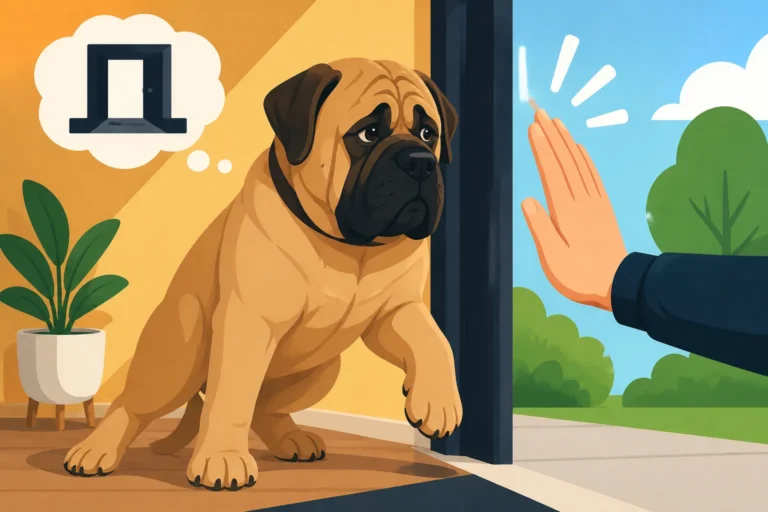
Even if you have a securely fenced yard, using a leash for potty breaks is a game-changer, particularly with a Mastiff puppy. This might seem counterintuitive, but it serves several vital purposes. Firstly, it keeps your puppy focused on the task at hand. Without a leash, a curious Mastiff puppy might wander off to investigate a leaf, chase a butterfly, or simply get distracted by the vastness of the yard, forgetting entirely why they were taken outside. You want them to go, not to play.
Secondly, a leash allows you to go out with them and directly observe their behavior. You can tell if they've truly finished their business or just peed a little and are now ready to zoom around. When they do go, you can immediately offer praise and a reward, creating that strong positive association. This method reinforces that the yard is for potty, and inside is for clean fun. It also prevents them from developing habits like only going to the far corner of the yard where you can't see them, or learning to simply hold it until they come back inside where they feel more secure.
Navigating Common House Training Challenges
No matter how diligent you are, you're likely to encounter a few bumps in the road during your Mastiff's house training journey. It's important not to get discouraged, but rather to understand why these challenges arise and how to address them effectively.
Accidents Inside: What Went Wrong?
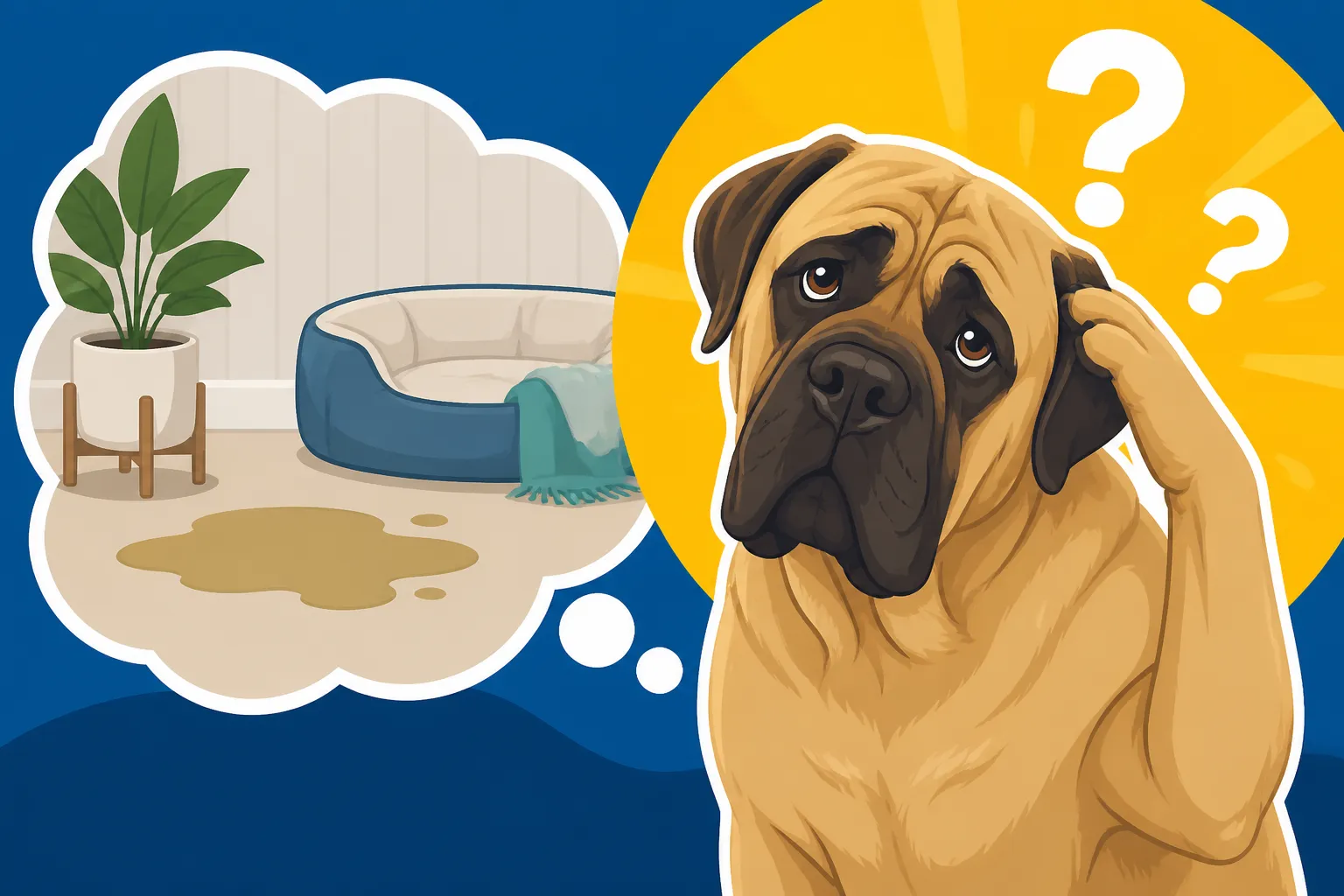
An indoor accident can feel like a major setback, especially when you thought you were making progress. Instead of getting angry, which is counterproductive, try to understand why it happened. Most indoor accidents can be traced back to a few common issues:
- Not enough breaks: This is the most frequent culprit. You might have waited too long between potty trips, or misjudged your Mastiff's current bladder capacity. Remember their slow maturation.
- Not emptying completely: Sometimes, a puppy will pee a little, get distracted, and then finish up inside a few minutes later. This is where leash-guided potty breaks are invaluable, ensuring they empty completely before coming back in.
- Too much freedom too soon: Giving a puppy unrestricted access to your home before they are reliably house trained is a recipe for disaster. If they're out of your sight, they're free to find a quiet corner for an accident.
- New environment or stress: Moving, visitors, or changes in routine can temporarily set back house training.
- Medical issues: Occasionally, frequent accidents can indicate a urinary tract infection or other health problem. If accidents are suddenly increasing despite a consistent routine, a vet visit is a good idea.
When an accident occurs, resist the urge to scold or punish. Your Mastiff won't connect your anger to an old accident, and it can actually make them afraid to relieve themselves in front of you, leading to them sneaking off to potty. Instead, quietly clean it up thoroughly using an enzymatic cleaner to eliminate all scent, which can act as a beacon for future accidents. Go back to basics: increase potty breaks, supervision, and crate time.
Regression in Adolescence
Just when you think you've got this house training thing figured out, your Mastiff might hit adolescence, and suddenly, it feels like you're starting all over again. This "teenage phase" is a very real phenomenon in all breeds, but with a Mastiff, it can be particularly pronounced because their adolescence lasts longer and their sheer size makes any regression highly noticeable. The Age an Adolescent Mastiff Stops Listening can often coincide with a period where they test boundaries in all areas, including house rules.
During adolescence, a Mastiff might suddenly "forget" their house training. This isn't usually malicious; it's often a combination of developing independence, testing limits, increased curiosity leading to distractions outdoors, and sometimes a temporary dip in focus. Their hormones are fluctuating, and their brain is still developing, making them a bit like a clumsy, giant human teenager.
The best way to handle adolescent regression is to go back to the foundational steps you used as a puppy. Increase supervision, take them out more frequently, and be extra diligent with crate use if necessary. Don't assume they "know better" and are being stubborn; instead, assume they need a refresher course. Consistency and patience are your most powerful tools during this phase.
Dealing with Submissive or Excitement Urination
Some Mastiffs, particularly as puppies, might exhibit submissive or excitement urination. This isn't a house training issue in the traditional sense, but rather an involuntary physiological response.
- Submissive Urination: This happens when a puppy feels intimidated or overly submissive. It might occur when you lean over them, speak in a loud voice, or physically correct them. They may roll onto their back, cower, and then pee.
- Excitement Urination: This happens when a puppy gets overly excited, such as when you come home, or when new visitors arrive. Their bladder control temporarily goes out the window due to sheer joy.
Neither of these behaviors should be punished. Punishment will only increase the fear or anxiety that triggers submissive urination, making it worse. For excitement urination, try to manage the environment: keep greetings low-key, don't make a big fuss when you first come home, and have visitors ignore your Mastiff until they are calm. Take your Mastiff out to potty immediately before any exciting event, like guests arriving. These are often behaviors puppies grow out of with maturity, positive experiences, and calm handling. Focusing on positive reinforcement in all interactions will build confidence and reduce the likelihood of submissive responses.
Advanced Tips for House Training Success
Once you've got the basics down, you can refine your approach to ensure your Mastiff is not just house trained, but confident and happy in their understanding of where to do their business. This involves positive methods, smart management, and knowing when to ask for help.
Positive Reinforcement and Rewards
When it comes to house training a Mastiff, positive reinforcement isn't just a suggestion; it's practically a requirement. These gentle giants are incredibly sensitive creatures, and harsh corrections or punishment can be deeply damaging to their trusting nature. Why Harsh Correction Ruins a Mastiff is a common topic among experienced Mastiff owners – they thrive on kindness and positive guidance.
Instead of scolding for accidents, lavish praise and high-value treats when your Mastiff successfully potties outside. Make it a huge celebration! "Good potty! Yes! What a good boy/girl!" followed immediately by their favorite treat or a quick game with a favorite toy. This creates a strong, positive association with relieving themselves in the correct spot. They quickly learn that going outside is a rewarding experience, a means to get that delicious piece of chicken or a moment of enthusiastic play. This approach is far more effective and builds a much stronger bond than fear-based training. Remember, What Actually Motivates a Mastiff is often praise and food, so use it to your advantage.
Supervision and Management
During the house training period, your Mastiff puppy should be under constant supervision whenever they are not in their crate. This isn't always easy with such a large, curious puppy, but it's crucial for preventing accidents. Think of it like this: if you can't see your Mastiff, they're probably doing something you don't want them to do, including having an accident.
The "umbilical cord" method is fantastic for Mastiffs. Attach a leash to your puppy and then to your belt loop or a nearby piece of furniture where you are working. This keeps them literally by your side, allowing you to instantly notice any sniffing, circling, or squatting behavior that indicates they need to go out.
When you can't actively supervise – perhaps you're cooking dinner, taking a shower, or stepping out for a short errand – your Mastiff should be in their crate or a securely gated, puppy-proofed area with easy-to-clean floors. As your Mastiff becomes more reliable, you can gradually increase their freedom in the house, but always do it slowly and in supervised increments. If they regress, simply reduce their unsupervised access again. This isn't punishment; it's simply smart management to set them up for success.
Enlisting Professional Help
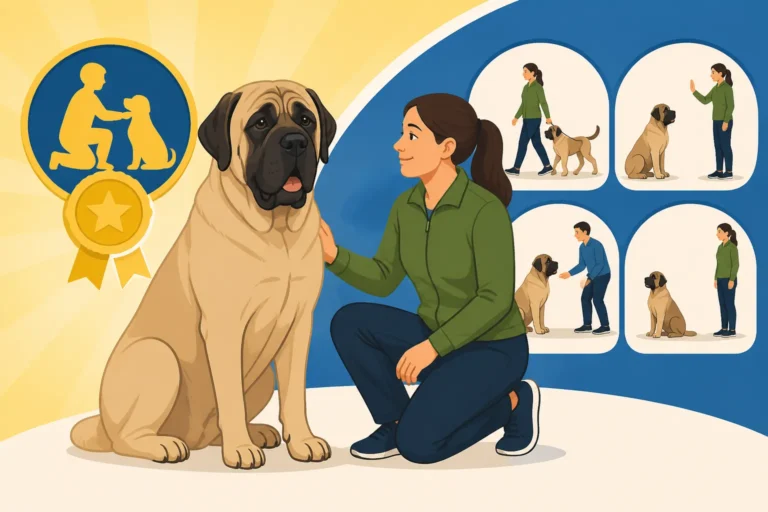
While house training a Mastiff might not be inherently "harder" than house training other breeds, their sheer size and slower maturation mean that problems can be more challenging to manage on your own. If you're struggling, don't hesitate to enlist professional help. A certified professional dog trainer or a veterinary behaviorist can provide invaluable guidance tailored to your specific situation and your Mastiff's individual personality.
They can help you troubleshoot persistent issues, refine your training techniques, and rule out any underlying behavioral or medical causes for accidents. Sometimes, an outside perspective and expert eye are all it takes to get back on track. Many resources, including online platforms like BAXTER & Bella, offer puppy training programs and virtual consultations that can be incredibly helpful for owners of giant breeds, providing structured guidance from the comfort of your home. Whether a Mastiff Needs a Professional Trainer for house training specifically might seem extreme, but for complex cases or first-time giant breed owners, it can be a wise investment. They can offer insights into Whether a Mastiff Is Genuinely Sensitive and how that impacts training.
The Mastiff's Unique Considerations for House Training
House training a Mastiff isn't just a bigger version of house training a smaller dog; it comes with its own set of unique practicalities and realities that need to be addressed.
Volume of Output: A Practical Reality
Let's not sugarcoat it: when a Mastiff has an accident, it's not a small puddle. It's a significant volume of liquid, and potentially a very large pile. This reality is often the biggest stressor for Mastiff owners navigating house training. A single accident can soak through carpets, require extensive cleanup, and leave a lasting odor if not properly treated.
This high-volume output underscores the absolute necessity of a proactive and consistent approach to house training. Prevention is truly worth a pound of cure (or several gallons of cleaning solution, in this case!). Missing a potty break or misjudging their need can lead to a considerable mess that impacts your home and your morale. This isn't to scare you, but to set realistic expectations and highlight why vigilance in the early stages is so critical. The cleaner you keep your house during this phase, the fewer scent cues will lure your Mastiff to "go" indoors.
The Importance of a Large, Safe Potty Area
Because of their immense size, a Mastiff needs a correspondingly large and comfortable area to do their business outdoors. A small patch of grass might suffice for a toy breed, but a Mastiff needs room to wander, sniff, and comfortably squat without feeling cramped or exposed. Many Mastiffs prefer to find a somewhat secluded spot, away from direct observation, to relieve themselves.
Ensure your designated potty area is safe, free of hazards, and easily accessible. Keep it clean by picking up stools promptly; a messy area can deter your Mastiff from wanting to use it. A spacious yard or a quiet, consistent spot on a leash walk will make your Mastiff more comfortable and more likely to do their business quickly and completely. Creating a positive outdoor environment for potty breaks contributes significantly to successful house training.
Long-Term Consistency
House training a Mastiff is not a sprint; it's a marathon. As mentioned earlier, their slow maturation means that while they might grasp the concept of going outside relatively quickly, full, reliable bladder and bowel control can take longer to develop than in smaller breeds. It's not uncommon for a Mastiff to still need more frequent potty breaks or supervision well into their second year.
This means that you, as the owner, need to commit to long-term consistency. Don't relax your standards too soon. Continue with a fairly predictable routine, even once accidents become rare. Praise and reward good outdoor potty habits every single time. Understand that occasional setbacks can happen, even with older Mastiffs, due to illness, stress, or simply an off day. Your commitment to patience, consistency, and understanding their unique developmental timeline will ultimately lead to a reliably house-trained and well-adjusted Mastiff. Whether a Mastiff Is Hard to House Train really depends on the owner's commitment to these factors.
Here's a quick comparison of house training needs between a young Mastiff puppy and an adolescent Mastiff:
| Aspect | Young Mastiff Puppy (8-16 weeks) | Adolescent Mastiff (6-18 months) |
|---|---|---|
| Bladder Control | Very limited; frequent, urgent needs. | Improving, but still maturing; can regress. |
| Potty Frequency | Every 1-2 hours, after waking, eating, playing. | Every 3-5 hours, depending on activity and individual dog. |
| Crate Use | Essential for managing space and preventing accidents. | Still very useful for downtime, safe haven, preventing mischief. |
| Supervision Level | Constant; "umbilical cord" method recommended. | High; gradually increase freedom, but be vigilant. |
| Accident Reasons | Lack of bladder control, owner oversight, medical issues. | Testing boundaries, distraction, excitement, medical issues. |
| Reaction to Accidents | Clean thoroughly, back to basics, no punishment. | Clean thoroughly, back to basics, no punishment. |
| Training Focus | Building foundational understanding, positive associations. | Reinforcing habits, consistency through maturity. |
| Motivation | High-value treats, enthusiastic praise, immediate reward. | Treats, praise, but may test limits or get distracted more easily. |
Disclaimer
This article is for general informational purposes only and does not constitute professional advice. Laws, prices and regulations vary by location and change over time. Consult a qualified professional for guidance on your specific situation.