Restraining the Growth of a Mastiff Puppy
Bringing home a Mastiff puppy is an exciting time, but many new owners quickly realize that raising one of these magnificent giants isn't like raising a smaller breed. A common and heartbreaking mistake is allowing a Mastiff puppy to grow too quickly, leading to serious health issues down the road. This comprehensive guide will walk you through the critical strategies for carefully controlling your Mastiff puppy's growth, ensuring they develop into a healthy, robust adult.
Why Controlled Growth is Crucial for Mastiffs
When you look at a Mastiff puppy, it's hard not to be captivated by their adorable rolls and rapidly expanding paws. They seem to grow before your very eyes, and it's easy to think that a bigger, faster-growing puppy is a healthier, stronger puppy. However, for a giant breed like the Mastiff, this couldn't be further from the truth. The sheer volume and speed of a Mastiff's growth put immense pressure on their developing skeletal system, making controlled growth not just beneficial, but absolutely essential for their long-term well-being.
The goal isn't to stunt their growth or make them smaller than their genetic potential, but rather to allow their bones and joints to develop at a steady, manageable pace. Imagine building a skyscraper: you wouldn't rush to put up all the floors without letting the foundation and lower levels properly set and solidify. The same principle applies to a Mastiff puppy. Their bodies are undergoing massive structural changes, and forcing that process to accelerate can have detrimental and often irreversible consequences. It’s about careful management, not deprivation, and it begins the moment that tiny, wrinkly bundle comes home.
The Long-Term Health Implications of Rapid Growth
The primary concern with overly rapid growth in Mastiffs is the increased risk of orthopedic diseases, particularly hip and elbow dysplasia. These conditions are complex, involving both genetic predisposition and environmental factors, with growth rate being a significant environmental contributor. When a puppy grows too fast, their bones can outpace the development of their soft tissues, like ligaments and cartilage. This leads to laxity in the joints, poor joint congruence, and ultimately, abnormal wear and tear that results in painful arthritis and lameness later in life. It's a cruel irony that trying to make a Mastiff "bigger" by overfeeding or over-exercising can actually lead to a shorter, more painful existence.
Beyond dysplasia, other conditions such as osteochondritis dissecans (OCD), a disease affecting cartilage and bone in the joints, can also be exacerbated by rapid growth. These issues aren't just minor inconveniences; they can severely impact a Mastiff's mobility and quality of life. Owners often face extensive veterinary bills for diagnostics, medications, physical therapy, and even corrective surgeries. Many of these interventions are aimed at managing pain and restoring some function, rather than offering a complete cure. Prevention through controlled growth is always the best path for these dogs.
Setting the Foundation for a Healthy Adult Life
By diligently managing your Mastiff puppy's growth, you are quite literally building the foundation for a longer, healthier, and more active adult life. A puppy that grows at a moderate pace develops stronger, more stable joints and a more robust skeletal structure. This reduces their lifetime risk of debilitating orthopedic problems, which means fewer trips to the specialist vet, less reliance on pain medications, and more joyful years together. Six to Ten Years Is What a Mastiff Gets is already a relatively short lifespan, and we want every one of those years to be as comfortable and happy as possible.
Think of it as an investment in their future. The care you take with their diet and exercise in those crucial first 18-24 months will pay dividends for the next 6-8 years. A dog free from chronic joint pain is a dog that can enjoy walks, play gently in the yard, and move comfortably throughout your home. This approach doesn't just benefit the dog; it also brings immense peace of mind to you, knowing you've done everything in your power to provide them with the best possible start and minimize the impact of common giant breed ailments. It's about prioritizing robust health over achieving maximum size, a trade-off that is always worth it.
Understanding the Mastiff's Unique Growth Plates
To truly appreciate why controlled growth is so vital for your Mastiff puppy, we need to talk about growth plates. These aren't just abstract concepts; they are actual, physical structures in your puppy's bones that are incredibly delicate and susceptible to damage. Understanding what they are and how they function helps reinforce the need for careful management during these critical developmental stages. It's easy to forget that beneath all that puppy fluff and big paws, there's an intricate skeletal system still under construction.
Mastiffs, being a giant breed, have growth plates that remain open and active for a much longer period than those of smaller dogs. This extended period of vulnerability is what makes them particularly susceptible to growth-related issues. A tiny Chihuahua might have fully closed growth plates by 6-8 months, but a Mastiff will often still have open growth plates past 18 months, sometimes even closer to two years of age. This protracted development means a longer window during which improper care can lead to serious and lasting harm.
What Are Growth Plates and How Do They Work?
Growth plates, scientifically known as epiphyseal plates, are areas of cartilage located near the ends of a puppy's long bones (like those in their legs). These cartilaginous areas are responsible for producing new bone cells, which then harden and lengthen the bone. As a puppy grows, these plates continually expand, allowing the bones to increase in length. They are essentially the "factories" of bone growth.
What makes them unique and vulnerable is that they are softer than mature bone. Until they "close" or ossify (turn completely into bone), they are essentially weak points. Imagine a section of your arm bone that is still made of soft, pliable rubber instead of hard, calcified bone. Any excessive force, twisting, or repetitive impact on these areas can cause damage – fractures, separations, or abnormal development – which then interferes with the bone's proper growth and alignment. Once a growth plate is damaged, it can lead to lifelong lameness, uneven limb length, or abnormal joint angles that predispose the dog to painful arthritis.
The Critical Window: When Growth Plates are Most Vulnerable
For Mastiffs, this critical window of vulnerability extends well into their adolescent period. While many medium breeds might have closed growth plates by 12 months, Mastiffs often have active growth plates up to 18-24 months of age. This means that activities that might be perfectly safe for a one-year-old Labrador could be profoundly damaging to a Mastiff of the same age. Their immense weight compounds the problem; even normal movements can exert significant force on these fragile areas.
During this entire period, any activity that puts undue stress on the joints – such as jumping off furniture, running extensively on hard surfaces, excessive stair climbing, or rough play with dogs much smaller or larger than themselves – can lead to micro-trauma or outright injury to the growth plates. It's not about preventing them from being puppies or enjoying life, but rather ensuring their activities are appropriate for their developmental stage. For instance, a short, controlled walk on soft grass is vastly different from a vigorous run on concrete or repetitive leaping after a frisbee. Owners need to be constantly mindful of this prolonged susceptibility, adjusting their puppy's lifestyle accordingly to safeguard their future soundness. The Age a Mastiff Is Certified by OFA gives some context on when these plates are expected to be fully formed for evaluation.
The Dangers of Too-Rapid Growth in Mastiff Puppies
Allowing a Mastiff puppy to grow too quickly is perhaps the single biggest mistake an owner can make, even with the best intentions. It stems from a misunderstanding of how giant breeds develop and the belief that simply getting a puppy bigger, faster, is always a good thing. Unfortunately, this accelerated growth can be a direct pathway to a host of debilitating orthopedic conditions that will plague your Mastiff throughout its already short life. It's not about achieving maximum size; it's about achieving sound size.
The consequences of pushing a Mastiff puppy to grow too fast are far-reaching, impacting not just their joints, but their overall skeletal health and future mobility. These dogs are genetically programmed to be massive, but their bodies need time to build that mass correctly. Rushing the process essentially forces their immature skeleton to bear weight and stress it isn't ready for, leading to structural failures that are painful and often irreparable. Many of the heartbreaking stories of young Mastiffs with severe lameness could have been prevented with careful growth management.
Hip and Elbow Dysplasia: The Primary Concerns
Hip dysplasia (HD) and elbow dysplasia (ED) are the two most common and devastating orthopedic conditions linked to rapid growth in Mastiffs. These are not simple injuries; they are developmental abnormalities of the hip and elbow joints, respectively. In hip dysplasia, the ball and socket joint of the hip doesn't fit together properly, leading to looseness (laxity) and eventually, the grinding of bone on bone, causing painful arthritis. Similarly, elbow dysplasia encompasses several conditions that result in abnormal development of the elbow joint, leading to lameness and pain.
While genetics play a significant role – you should always look for The Four CHIC Tests a Mastiff Breeder Must Clear – environmental factors, especially excessive growth rate and inappropriate exercise, can dramatically exacerbate the expression of these genes. When a Mastiff puppy grows too fast, their bones lengthen at a speed that the surrounding soft tissues and cartilage cannot keep up with. This imbalance leads to loose joints, abnormal joint formation, and severe stress on immature cartilage. The result is often severe osteoarthritis, chronic pain, and significantly reduced mobility, sometimes before the dog even reaches two years of age. Understanding Why a Mastiff's Hips Fail Under Its Own Weight and Why One Mastiff in Seven Fails Its Elbow Grade highlights the direct impact of their size combined with growth issues.
Other Orthopedic Issues and Their Impact
Beyond hip and elbow dysplasia, rapid growth can also contribute to several other painful orthopedic conditions. Osteochondritis Dissecans (OCD) is one such example, where a flap of cartilage separates from the underlying bone, often in the shoulder, elbow, knee, or ankle. This can cause severe pain, lameness, and typically requires surgery to correct. The rapid deposition of bone and cartilage, coupled with mechanical stress, is believed to play a role in its development.
Another condition, often referred to as "growing pains," is Panosteitis. While usually self-limiting and migrating from limb to limb, it causes significant lameness and discomfort in young, fast-growing dogs. While the exact cause isn't fully understood, rapid bone growth is a definite contributing factor. Then there's the risk of ligament injuries, particularly in the knees. A Mastiff puppy that grows too fast may have ligaments that aren't strong enough to support their rapidly increasing body mass, making them more prone to tears, which can be incredibly difficult and expensive to fix in a giant breed.
The Myth of "Bigger is Better"
There's a persistent misconception that a bigger puppy equates to a bigger, more impressive adult Mastiff. Some owners mistakenly believe that by feeding their puppy more, especially high-protein, high-calorie foods, they can "maximize" their dog's adult size. This mindset is not only incorrect but actively harmful. While genetics largely determine a Mastiff's ultimate size, pushing a puppy to grow faster than its body is naturally designed to can only lead to structural weakness, not superior size.
Instead of developing strong, dense bones and well-formed joints, a rapidly growing Mastiff puppy is more likely to develop weak, poorly structured joints and bones that are prone to injury and disease. The goal should be to allow the puppy to reach its genetic potential for size healthily, which means a slow, steady, and controlled growth trajectory. A Mastiff that grows at a moderate pace, allowing its bones and joints to mature fully, will be a more robust, athletic, and comfortable adult than one whose growth was artificially accelerated. Prioritizing health and longevity over an illusion of maximal size is paramount for these gentle giants.
Nutrition: The Cornerstone of Controlled Mastiff Puppy Growth
When you bring home a Mastiff puppy, their diet is arguably the single most important factor you control in managing their growth. This isn't just about giving them enough food; it's about giving them the right food, in the right amounts, to ensure their massive skeleton develops at a healthy, deliberate pace. Making the wrong nutritional choices can directly contribute to the orthopedic problems we've discussed, whereas smart feeding can mitigate risks significantly.
The nutritional needs of a giant breed puppy are fundamentally different from those of a standard or small breed puppy. Their growth period is longer, and their sheer potential size demands specific nutrient profiles that support slow, steady development rather than rapid, uncontrolled bulk. This section will delve into how to make informed feeding decisions to protect your growing Mastiff.
Choosing the Right Food: Large Breed Puppy Formulas
The single most critical nutritional decision you'll make is selecting the appropriate food for your Mastiff puppy. Forget generic "puppy food" – your Mastiff needs a high-quality "large breed puppy" or "giant breed puppy" formula. These specialized diets are specifically formulated to support the unique growth needs of large and giant breeds. The key differences lie in their precise calcium and phosphorus ratios, as well as their calorie density.
Large breed puppy foods typically have:
- Lower Calcium Levels: This might seem counterintuitive, but excess calcium in a giant breed puppy's diet can interfere with bone development, leading to conditions like osteochondrosis. These specialized formulas maintain calcium within a tight, optimal range (often between 0.8% and 1.2% on a dry matter basis), ensuring proper bone mineralization without promoting excessive growth. Why Calcium Is Capped for a Growing Mastiff explains this in more detail.
- Controlled Calorie and Fat Content: While puppies need energy, too many calories lead to rapid weight gain and accelerated growth, putting immense stress on immature joints. Large breed puppy foods are designed to be less calorie-dense than standard puppy foods, promoting a slower, more controlled growth rate.
- Balanced Nutrient Profile: They offer appropriate protein levels (not excessively high, which can be another misconception) and a proper balance of other vitamins and minerals to support overall development without overstimulating growth.
When choosing, look for reputable brands known for their giant breed formulations. Many popular pet food suppliers, like those found on Chewy or Amazon, offer excellent options designed for large and giant breeds. Some owners also explore fresh food options like Ollie, but always consult with a veterinary nutritionist to ensure these diets are perfectly balanced for a Mastiff's specific growth needs. Whether Giant Breed Kibble Is Worth Its Premium for a Mastiff is a common question, and the answer is usually a resounding yes due to these careful formulations.
The Perils of Overfeeding and Supplementation
Even with the right food, overfeeding is an extremely common and dangerous mistake for Mastiff puppies. It's often driven by the desire to see them grow bigger, faster, or simply by adhering strictly to the feeding guidelines on the bag without considering the puppy's individual metabolism and activity level. Remember, those guidelines are often for average puppies, not always specifically for the slowest, most controlled growth of a giant breed. Why a Mastiff Puppy Is Never Free Fed is important guidance for this reason.
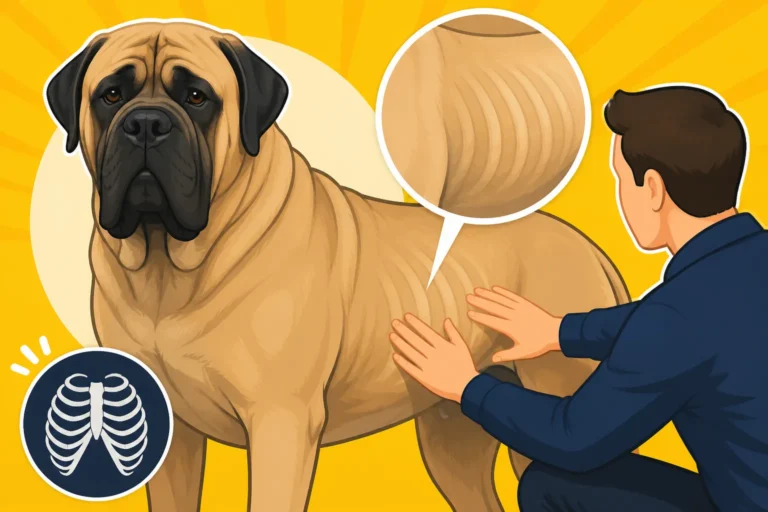
Excess calories, regardless of the source, directly translate to accelerated growth and weight gain. This puts undue strain on developing joints and contributes significantly to the risk of hip and elbow dysplasia. Your Mastiff puppy should always look lean, even a little "ribby" – you should easily be able to feel their ribs without pressing hard, and they should have a discernible waist. How Ribby a Mastiff Puppy Should Look is a crucial visual for owners.
Furthermore, resist the urge to add supplements, especially calcium, to a commercial large breed puppy diet. These diets are already carefully balanced. Adding extra calcium or other minerals can throw off the delicate calcium-to-phosphorus ratio, which is critical for proper bone development, potentially causing more harm than good. What Excess Calcium Does to a Mastiff's Elbows can be severe, leading to irreversible issues. Always consult your veterinarian before adding any supplements to your Mastiff puppy's diet.
Recommended Feeding Schedules and Portion Control
Establishing a consistent feeding schedule and practicing strict portion control are non-negotiable for a Mastiff puppy. Free-feeding, where food is left out all day, is absolutely not recommended, as it encourages overconsumption and makes it impossible to monitor intake or manage growth.
Here’s a general approach:
- Frequent, Smaller Meals: Instead of two large meals, Mastiff puppies benefit from three or even four smaller meals spread throughout the day. This helps manage their metabolism, prevents bloat (a serious concern for Mastiffs, though less so in very young pups), and allows for better nutrient absorption. The Meal Schedule a Mastiff Puppy Needs is a vital consideration.
- Measure Precisely: Do not eyeball portions. Use a dedicated measuring cup to ensure you're feeding the exact amount recommended by your vet or the food manufacturer, adjusted for your puppy's current body condition.
- Regular Weight Checks and Body Condition Scoring: Weigh your puppy regularly (weekly or bi-weekly) and perform a body condition score (BCS) check. Your vet can show you how to do this. The BCS is a much better indicator of appropriate feeding than simply looking at the scale. If your puppy is gaining weight too rapidly or looking too plump, reduce their food intake slightly. Conversely, if they're too thin, increase it incrementally.
- Adjust as They Grow: Your puppy's caloric needs will change as they age and their activity levels fluctuate. Be prepared to adjust food portions accordingly. A growing puppy needs sustenance, but it's a careful balance to prevent rapid growth spurts. This proactive adjustment is essential for Restraining the Growth of a Mastiff Puppy.
By being diligent with these nutritional strategies, you empower your Mastiff puppy to grow at the rate their body needs, maximizing their chances for a long, healthy, and happy life free from preventable orthopedic pain.
Appropriate Exercise for a Growing Mastiff Puppy
Just as crucial as nutrition, appropriate exercise plays a pivotal role in managing your Mastiff puppy's growth and protecting their developing joints. The common adage "a tired dog is a good dog" needs serious modification when it comes to giant breed puppies. For a Mastiff, too much or the wrong kind of exercise can be just as damaging as a poor diet. The goal isn't to exhaust them, but to provide controlled activity that strengthens muscles and supports healthy joint development without putting undue stress on vulnerable growth plates.
It's a tricky balance because Mastiff puppies certainly have bursts of energy and a natural desire to play. The key is to differentiate between self-directed, gentle play and forced, high-impact activities. Many owners unintentionally over-exercise their giant breed puppies, believing they are helping them become stronger, when in fact, they are setting them up for a lifetime of orthopedic problems.
The Difference Between Play and Structured Exercise
For Mastiff puppies, understanding the distinction between natural, self-limiting play and structured exercise is paramount.
- Self-Limiting Play: This is the kind of activity your puppy initiates and stops on their own terms. Short bursts of zoomies in the yard, gentle wrestling with a well-matched, calm adult dog, or meandering exploration in a safe, soft-surfaced area are generally good. The puppy controls the intensity and duration, and they'll usually rest when they've had enough. This kind of play helps develop coordination and muscle tone without excessive strain.
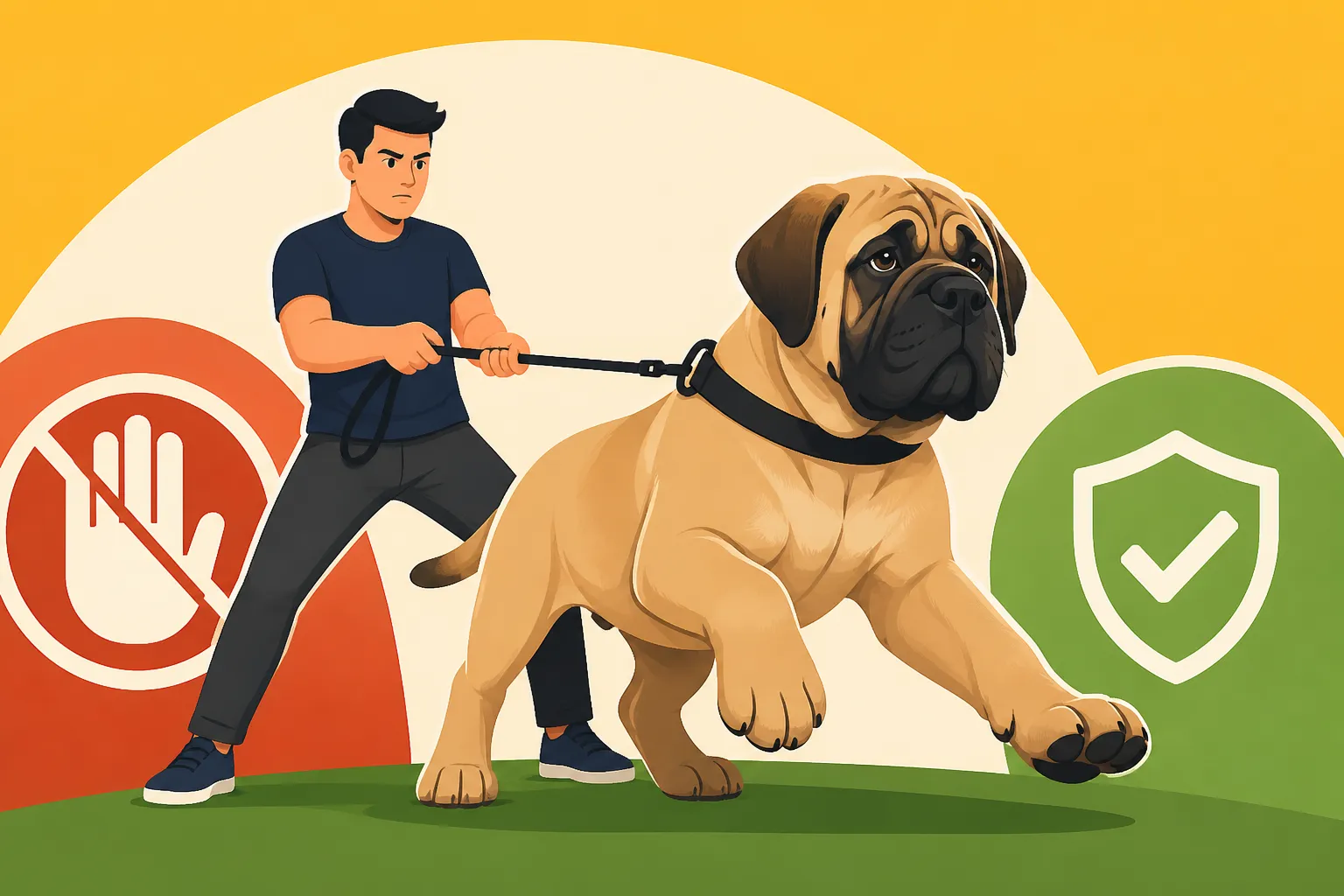
- Structured Exercise: This refers to activities initiated and sustained by the human, such as long walks, jogging, extended games of fetch, or repetitive fetching. For a Mastiff puppy, these activities can be very dangerous. Their enthusiasm often overrides their body's limits, meaning they will keep going even when their joints are being stressed. This is especially true for fetch, where repeated starts, stops, and jumps put immense pressure on immature bones and ligaments. Why a Mastiff Puppy Must Not Be Exercised Hard is a rule to live by.
The challenge is often our human instinct to entertain our puppies or believe that more activity equals a healthier pet. For a Mastiff, less is often more in the early months. Prioritize quality over quantity when it comes to activity.
Avoiding High-Impact Activities and Repetitive Strain
During that critical window when growth plates are still open, certain activities should be strictly off-limits for your Mastiff puppy. These include:
- Jumping: No jumping on and off furniture, no jumping out of cars (always lift or use a ramp), and no jumping during play. The impact force on landing, especially for a heavy puppy, can severely damage growth plates and joint structures. Why Jumping Is Wrong for a Mastiff is a concept to embrace early.
- Running on Hard Surfaces: Asphalt, concrete, and even prolonged running on hard-packed dirt roads create high impact forces that jar developing joints. Stick to soft surfaces like grass or sandy trails for any walking.
- Excessive Stair Climbing: Repeatedly ascending and descending stairs puts a tremendous amount of stress on the elbow and hip joints, particularly for a heavy, uncoordinated Mastiff puppy. Why Stairs Are Worse for a Mastiff Than Any Breed is a truth that many owners learn the hard way. Carry your puppy up and down stairs if possible, or limit access until they are much older and fully mature.
- Forced, Long-Distance Walks or Jogging: Even if it feels like a leisurely stroll to you, a long walk can be too much for a puppy whose bones and ligaments are still forming. Resist the urge to take them on long hikes or runs.
- Rough Play with Incompatible Dogs: While socialisation is important, avoid situations where your Mastiff puppy is playing roughly with much larger, more rambunctious dogs, or very small dogs where accidental injury is likely.
Safe and Beneficial Activities for Mastiff Puppies
So, what can a Mastiff puppy do? Plenty! The focus should be on gentle, controlled activities that promote muscle development and good balance without stressing joints.
- Short, Frequent Walks: Think multiple short outings (5-10 minutes) a few times a day on soft, even surfaces like grass. The rule of thumb is often 5 minutes per month of age, twice a day, but even this can be too much for a Mastiff. Err on the side of caution. The Walk Length That Damages a Mastiff Puppy should be kept minimal.
- Supervised Off-Leash Time in a Secure Yard: Allow them to potter, sniff, and engage in short bursts of self-directed play. Again, ensure the surface is soft.
- Mental Stimulation: Puzzle toys, sniff walks, and short, positive reinforcement training sessions are excellent ways to tire a Mastiff puppy mentally without putting physical strain on them. This is often far more exhausting than physical exercise for a puppy.
- Basic Obedience Training: Learning "sit," "stay," and "down" in short, positive sessions builds a bond and mental engagement.
- Gentle Swimming (with vet approval): Once your puppy is older (typically over 6 months, and after all vaccinations are complete), and with a life vest, swimming in a controlled environment can be excellent, low-impact exercise. The buoyancy reduces stress on joints. Always supervise closely.
By carefully managing their physical activity, you are giving your Mastiff puppy the best chance to grow strong and healthy, avoiding the pitfalls of growth plate damage and lifelong joint pain. It requires patience and discipline, but the reward is a comfortable, mobile adult Mastiff.
Monitoring Your Mastiff Puppy's Growth and Weight
Actively monitoring your Mastiff puppy's growth and weight isn't about being obsessive; it's about being proactive and ensuring their developmental trajectory remains healthy and controlled. This isn't just a "set it and forget it" process after you choose the right food. Regular checks, both at home and with your veterinarian, provide crucial data points that allow you to make timely adjustments to their diet and exercise regimen. Without this consistent oversight, it's easy for a puppy to slip into a rapid growth pattern unnoticed, setting the stage for future problems.
Remember, the goal is not maximum weight gain but optimal skeletal development. A lean Mastiff puppy is a healthy Mastiff puppy, even if they look a little less "chunky" than what some might expect or prefer. Your eyes and hands, along with your vet's expertise, are your best tools in this ongoing assessment.
The Importance of Regular Vet Check-ups
Your veterinarian is your most valuable partner in managing your Mastiff puppy's growth. Regular check-ups are not just for vaccinations; they are critical opportunities for professional assessment of your puppy's development.
- Growth Charts: Many vets use breed-specific or large breed growth charts to plot your puppy's weight and ensure they are following a healthy curve. This visual representation can quickly highlight if your puppy is growing too fast or too slow.
- Body Condition Scoring (BCS): This objective assessment, typically on a 9-point scale, allows your vet to evaluate your puppy's fat reserves and muscle mass. They can teach you how to do this at home. For a Mastiff puppy, a BCS of 4/9 or 5/9 (lean side of ideal) is often recommended to minimize joint stress.
- Orthopedic Evaluations: During check-ups, your vet can gently palpate your puppy's joints to check for any signs of pain, laxity, or abnormal development, providing early detection of potential issues. They can offer advice on The Age a Mastiff Is Certified by OFA and what that process entails.
- Nutritional Guidance: Your vet can provide tailored advice on food types, portion sizes, and whether any adjustments are needed based on your puppy's individual growth rate and condition. They can help you navigate confusing nutritional information and ensure you're avoiding common pitfalls like over-supplementation.
Never underestimate the value of these professional assessments. They provide an objective perspective and expert guidance that is invaluable for a giant breed puppy.
Learning to Assess Body Condition at Home
While vet visits are vital, you are with your Mastiff puppy every day. Learning to accurately assess their body condition at home empowers you to make daily adjustments and catch any issues early. The key is to feel for their ribs and spine, as their massive loose skin can be deceiving.
- Rib Check: Gently run your hands along your puppy's sides. You should be able to easily feel their ribs, almost like feeling the knuckles on your hand, without pressing hard. If you have to press firmly to feel them, your puppy is carrying too much weight. If the ribs are visibly protruding, they might be too thin. Feeling for a Mastiff's Ribs Under Its Bulk is a skill every Mastiff owner should master.
- Waistline: When looking down at your puppy from above, you should see a discernible waist tucking in behind their ribcage. From the side, their abdomen should tuck up slightly rather than hanging low.
- Top-line: Their spine should be palpable, but not sharply visible. The muscles along their spine should feel firm, not flabby.
- Energy Levels and Gait: Observe how your puppy moves. Are they moving freely and without stiffness? Are they overly clumsy or reluctant to move? While clumsiness is normal for growing puppies, persistent stiffness or limping warrants immediate vet attention.
Remember, a "ribby" or lean appearance in a Mastiff puppy is desirable, not a sign of neglect. How Ribby a Mastiff Puppy Should Look should be your visual benchmark. They will fill out and gain muscle as they mature, but without the added burden of excess fat stressing their developing skeleton.
Keeping a Growth Journal
Maintaining a simple growth journal can be an incredibly useful tool for tracking your Mastiff puppy's development over time. This isn't just a cute keepsake; it's a valuable data repository for you and your vet.
- Weekly Weight: Note your puppy's weight (if possible, using a large enough scale) weekly or bi-weekly. This provides concrete data on their growth rate.
- Measurements: You might also periodically measure their height at the shoulder and length from chest to tail. While less critical than weight, it helps track overall size increases.
- Food Intake: Record how much food they are consuming each day.
- Activity Levels: Briefly note their daily exercise, type of play, and any observed lameness or stiffness.
- Observations: Jot down any changes in appetite, energy, or general demeanor.
This journal allows you to spot trends, share accurate information with your vet, and make informed decisions about managing their growth. If you notice a sudden, significant jump in weight, it's a clear signal to consult your vet and potentially adjust their food intake. This consistent tracking provides the objective evidence needed to ensure your Mastiff puppy's growth remains controlled and healthy.
| Growth Metric | Controlled Growth (Ideal) | Rapid Growth (Risky) |
|---|---|---|
| Weight Gain | Steady, gradual increase; lean body condition | Sudden, sharp increases; plump or overweight appearance |
| Rib Palpation | Ribs easily felt without pressure | Ribs hard to feel, covered by fat |
| Energy Level | Appropriate for age; active in short bursts, then rests | Overly energetic or, conversely, lethargic due to discomfort |
| Joint Soundness | No obvious lameness, stiffness, or discomfort | Occasional limping, stiffness after rest, reluctance to move |
| Growth Plates | Allowed to close naturally and uniformly | Increased risk of damage, uneven closure, malformation |
| Long-Term Health | Reduced risk of orthopedic disease, increased mobility | High risk of hip/elbow dysplasia, early arthritis |
Common Misconceptions About Mastiff Puppy Raising
Raising a Mastiff puppy is often met with well-intentioned but sometimes misinformed advice, especially from those unfamiliar with the unique needs of giant breeds. The desire for a large, impressive dog can lead owners down paths that, while seemingly logical, are detrimental to the puppy's long-term health. Debunking these common misconceptions is vital for ensuring your Mastiff grows up healthy and sound. It's about letting go of what you might think you know about raising "a puppy" and embracing the specific requirements of "a giant breed puppy."
These misunderstandings often contribute to the very orthopedic problems we're trying to prevent. By understanding why these myths are harmful, you can make informed decisions that prioritize your Mastiff's well-being over outdated or inappropriate beliefs.
"Bigger Puppy Means Bigger Adult"
This is perhaps the most dangerous and pervasive myth for giant breed owners. The idea is that if you feed your Mastiff puppy a lot and encourage rapid weight gain, they will grow into an even larger, more impressive adult. While a puppy might indeed appear larger and grow faster initially, this accelerated growth does not equate to a healthier or even ultimately bigger adult. Instead, it overwhelmingly leads to structural problems.
A Mastiff's genetic blueprint determines its ultimate size range. Overfeeding and pushing for rapid growth simply forces the body to attempt to reach that size too quickly. This strains the immature bones, ligaments, and cartilage, leading to poor joint formation, inflammation, and eventual breakdown. Think of it like trying to accelerate the growth of a sapling into a mighty oak in just a few months. You won't get a stronger tree; you'll get a weak one prone to breaking. A moderately growing Mastiff will still reach its genetic potential, but it will do so with a sounder, more resilient skeletal system, ultimately leading to a more functional and comfortable life. The focus should be on proper bone density and alignment, not just sheer mass.
"My Puppy Needs Extra Calcium for Strong Bones"
Another common misconception, particularly with large breeds, is that adding extra calcium to a puppy's diet will result in stronger bones. This belief is not only incorrect but actively harmful. As we discussed in the nutrition section, commercial large breed puppy foods are meticulously formulated to have precise calcium-to-phosphorus ratios. These ratios are carefully balanced to promote optimal bone growth without interference.
Introducing additional calcium supplements or feeding a diet with an excessively high calcium content can disrupt this delicate balance. Excess calcium can lead to skeletal abnormalities, including osteochondrosis, impaired bone mineralization, and problems with growth plate development. Instead of building stronger bones, it can lead to bones that are improperly formed and more susceptible to injury and disease. Always trust the carefully formulated large breed puppy food and consult your vet before adding any supplements. What Excess Calcium Does to a Mastiff's Elbows is a severe consequence of this misunderstanding.
"More Exercise Builds Stronger Bones and Muscles"
While exercise is undeniably important for building strong muscles and maintaining a healthy weight in adult dogs, the "more is better" philosophy is profoundly detrimental for a growing Mastiff puppy. For humans, weight-bearing exercise helps build bone density. However, for a giant breed puppy with open, vulnerable growth plates, excessive or high-impact exercise causes micro-trauma and stress to these soft areas, leading to damage rather than strengthening.
Muscles develop faster than bones and connective tissues mature. A puppy might appear strong and energetic, but their underlying skeletal structure is still fragile. Forcing them into long runs, repetitive jumping, or vigorous activities can cause irreversible damage to growth plates, contribute to joint laxity, and exacerbate genetic predispositions to conditions like dysplasia. Instead of building stronger bones, you risk causing inflammation, malformation, and chronic pain. The correct approach is precisely the opposite: provide controlled, low-impact exercise that allows muscles to develop supportively, giving the bones and joints the necessary time to mature and solidify at their own pace. The Walk Length That Damages a Mastiff Puppy should serve as a constant reminder that for Mastiffs, gentler is always better in the early years.
Disclaimer
This article is for general informational purposes only and does not constitute professional advice. Laws, prices and regulations vary by location and change over time. Consult a qualified professional for guidance on your specific situation.