Whether Neutering Calms a Mastiff
It’s a common scenario for many Mastiff owners: you're dealing with a boisterous, perhaps overly enthusiastic, or even a bit too "male" in his behaviors Mastiff, and the thought inevitably crosses your mind – "Will neutering him finally bring some calm to the storm?" It’s a completely understandable question, born from the hope that a simple veterinary procedure might resolve some of the more challenging aspects of living with a giant breed male dog. This guide will explore the realities of neutering and its potential impact on your Mastiff's temperament, helping you understand what changes you can realistically expect and what might require different approaches.
The Mastiff Temperament: A Foundation for Understanding
Before we delve into the effects of neutering, it's crucial to understand the inherent nature of a Mastiff. These aren't typically high-strung or hyperactive dogs by breed standard; they are renowned for their calm, dignified, and often lazy demeanor. Their massive size, however, can sometimes make even minor behavioral quirks feel like major issues.
The Myth of the "Aggressive" Male Mastiff
Let’s tackle a common misconception head-on: the idea that intact male Mastiffs are inherently aggressive. While testosterone can contribute to certain types of aggression, a well-bred, well-socialized Mastiff is far more likely to be a gentle giant than a snarling menace. True aggression is complex and rarely solely due to the presence of hormones. Often, what owners perceive as aggression might be:
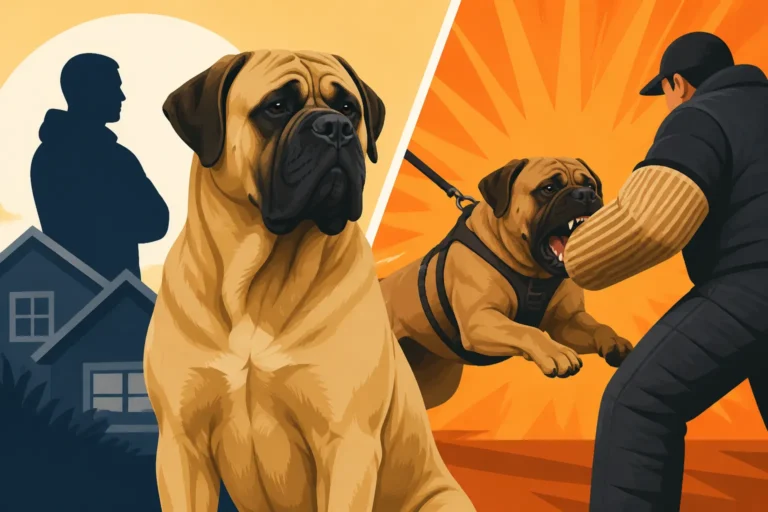
- Protective Instincts: Mastiffs were historically bred as guardians. Their guarding instincts are strong, and they often put themselves between you and a perceived threat. This can manifest as barking, growling, or blocking, which can be intimidating due to their sheer size but isn't necessarily true aggression. How a Mastiff Judges a Stranger at the Door
- Fear or Insecurity: Some dogs react aggressively out of fear. If an intact male Mastiff hasn't been properly socialized, or if he's had negative experiences, he might react defensively. Removing testosterone from an already fearful dog can sometimes even worsen anxiety-driven behaviors, as testosterone can provide a certain level of confidence.
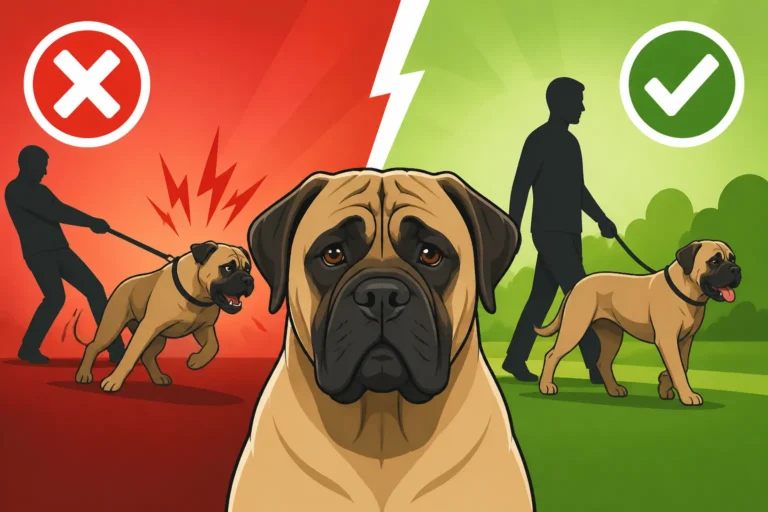
- Poor Training or Management: Many undesirable behaviors stem from a lack of clear boundaries, consistent training, or adequate management. A large dog, especially, needs early and continuous guidance. A Mastiff does not pull you over, it simply stops, which can be perceived as stubbornness rather than a lack of training on the owner's part. A Mastiff Does Not Pull You Over, It Simply Stops
Understanding these nuances is vital because neutering cannot fix a problem that isn't primarily hormonal in origin.
Hormonal Influence on Male Dog Behavior
Testosterone plays a significant role in male dog behavior, influencing a range of actions from the subtle to the overt. It's not just about "being male"; it's about the biological drives associated with reproduction and competition.
- Sexual Drive: This is the most obvious influence. Intact males are driven to seek out and mate with females in heat. This can lead to persistent whining, pacing, attempts to escape, and a general state of agitation if a female is nearby.
- Territorial Marking: Testosterone often fuels the urge to mark territory with urine, both indoors and outdoors. This is a communicative act, signaling presence and availability to other dogs.
- Roaming and Escaping: The powerful instinct to find a mate can cause an intact male to ignore fences, commands, and even danger, leading to escapes and wandering.
- Inter-Male Aggression: In some cases, testosterone can heighten a dog's propensity for aggression towards other intact males, especially if there's competition for resources, territory, or females. This is often more about dominance displays and posturing than outright fighting in many Mastiffs, though serious altercations can occur.
It's important to remember that every dog is an individual. While hormones provide a baseline, genetics, early experiences, and ongoing training all shape a Mastiff's unique personality and reactions.
What Neutering Can Influence in a Male Mastiff
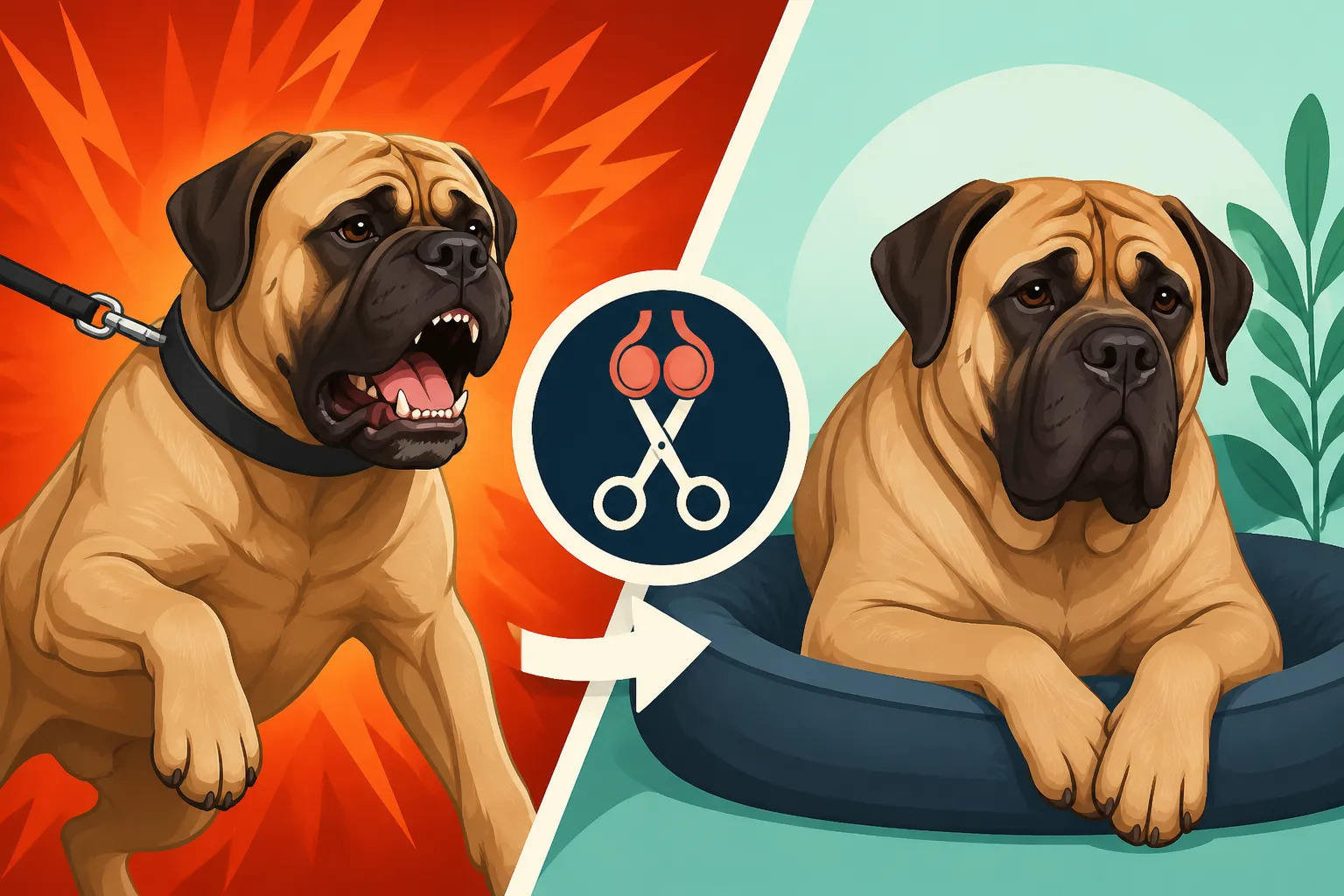
When you decide to neuter your Mastiff, you are removing the primary source of testosterone, which can lead to a reduction or elimination of several hormone-driven behaviors. However, it's not a magic wand, and the degree of change varies greatly from dog to dog.
Marking and Roaming Behaviors
One of the most reliably impacted behaviors post-neutering is territorial marking and the urge to roam. Many owners report a significant decrease in these behaviors, particularly if the dog is neutered before these habits become deeply ingrained.
- Reduced Urine Marking: If your intact male Mastiff is constantly lifting his leg on every tree, bush, and even indoor furniture (yes, it happens!), neutering often curbs this impulse. While some dogs might continue to mark out of habit, the intense hormonal drive behind it is gone, making it much easier to retrain. This can be a huge relief, especially for those living in urban environments or with pristine gardens.
- Decreased Roaming: The powerful drive to find a mate is arguably the strongest motivator for an intact male Mastiff to escape. After neutering, this instinct largely dissipates. While a curious Mastiff might still wander if a gate is left open, the frantic, single-minded pursuit of a female in heat is typically eliminated. This significantly reduces the risk of your large dog getting lost, hit by a car, or involved in altercations with other animals or people. It means you might not need to worry as much about how to stop a Mastiff that plants itself and will not move when he catches a scent that draws him off his path. Stopping a Mastiff That Plants Itself and Will Not Move
It's worth noting that if these behaviors have been going on for years, they've become ingrained habits, and while the hormonal urge is gone, you might still need to reinforce training to fully eradicate them.
Inter-Male Aggression
This is an area where neutering can have an impact, but it's often less predictable than marking or roaming. If aggression towards other intact males is purely hormonally driven, you might see a reduction.
- Hormone-Driven vs. Learned Aggression: Neutering is most effective on aggression that stems from testosterone-fueled competition for mates or dominance displays. If your Mastiff is displaying aggression due to fear, poor socialization, past trauma, or simply learned behavior (e.g., he's been allowed to "win" fights), neutering might not make a significant difference, or could even make a fearful dog more insecure without the confidence provided by his hormones.
- Socialization is Key: For a giant breed like a Mastiff, early and consistent socialization is paramount, regardless of neuter status. Introducing your puppy to a variety of safe, positive experiences with other dogs and people before he gets heavy is critical. Socializing a Mastiff Puppy Before It Gets Heavy Even with neutering, continued positive exposure and careful management are essential to prevent or manage inter-male aggression.
Always consult with a professional trainer or veterinary behaviorist if you are dealing with any form of aggression, as neutering is just one piece of a potentially complex puzzle.
Mounting and Sexual Frustration
Intact male Mastiffs can exhibit mounting behavior, not just with other dogs, but sometimes with people or inanimate objects. This is a natural part of their sexual drive and can be a source of frustration for owners and sometimes an embarrassment.
- Reduced Sexual Behavior: Neutering largely eliminates the sexual drive, and with it, most instances of mounting related to sexual arousal. This can definitely contribute to a general sense of "calm" because the dog isn't constantly in a state of hormonal flux or seeking an outlet for his urges.
- Distinguishing From Other Mounting: It's important to distinguish hormonally driven mounting from mounting due to over-excitement, play, or attention-seeking. While neutering addresses the former, the latter behaviors will still require consistent training and redirection. If your Mastiff is still mounting after neutering, it's a cue that it's a learned behavior or an expression of excitement that needs to be managed through training.
For many owners, the reduction in these sexually driven behaviors alone can make a huge difference in their Mastiff's overall demeanor and their daily lives.
What Neutering Doesn't Magically Fix
This is where realism really needs to set in. Neutering is a surgical procedure that removes gonads; it doesn't perform brain surgery or erase years of learned behaviors. Expecting it to solve all behavioral issues is a common pitfall.
Learned Behaviors and Training Deficiencies
If your Mastiff has developed certain habits or if there have been gaps in his training, neutering alone won't correct these. These are behaviors that have been reinforced over time, not purely driven by hormones.
- Stubbornness or Deliberation: Mastiffs are known for their thoughtful, sometimes seemingly stubborn nature. They are not always quick to respond and might need a moment to process a command. This is part of The Stubbornness That Is Actually a Mastiff Thinking, and neutering won't change this inherent breed trait. If your Mastiff ignores cues, pulls on the leash, or jumps on guests, these are training issues.
- Lack of Socialization: If a Mastiff puppy wasn't exposed to various sights, sounds, people, and other friendly dogs during his critical socialization period, he might develop fear or reactivity. Neutering won't magically make an undersocialized dog comfortable in new situations. Ongoing positive exposure and confidence-building exercises are required.
- House Training Issues: While marking can be reduced, general house training accidents due to insufficient training, too much freedom too soon, or underlying medical issues will not be resolved by neutering. It's about consistent routine and supervision. How Long a Mastiff Puppy Takes to House Train
A dog's behavior is a complex interplay of genetics, environment, and experience. For any learned behavior, the solution lies in consistent, positive reinforcement training. Tools like a front clip harness can help manage pulling while you work on training, rather than relying on more aversive tools. Whether a Front Clip Harness Stops a Mastiff Pulling
Fear, Anxiety, and Reactivity
For Mastiffs that exhibit behaviors driven by fear, anxiety, or general reactivity (barking excessively at strangers, resource guarding), neutering often doesn't help and can sometimes even exacerbate the problem.
- Loss of Confidence: For some male dogs, testosterone provides a level of confidence. Removing it can, in rare cases, make an already anxious or fearful dog more insecure, potentially worsening fear-based aggression or reactivity.
- Behavioral Modification Needed: Behaviors rooted in fear or anxiety require careful behavioral modification plans, often developed with the help of a certified professional dog trainer or a veterinary behaviorist. This might involve counter-conditioning, desensitization, and creating a more secure environment for your Mastiff. Remember, Mastiffs are genuinely sensitive creatures, despite their formidable appearance. Whether a Mastiff Is Genuinely Sensitive Yelling or harsh corrections can set them back significantly. Whether Raising Your Voice Sets a Mastiff Back
- Separation Anxiety: If your Mastiff suffers from separation anxiety, a condition marked by distress when left alone, neutering will not address the root cause. This requires specific training protocols, environmental enrichment, and sometimes medication in severe cases. Separation Anxiety in a Mastiff
If you suspect your Mastiff's problematic behaviors stem from fear or anxiety, discuss this thoroughly with your veterinarian and a professional behavior expert before making any decisions about neutering solely for behavior modification.
Mastiff Energy Levels and Play Style
Neutering will not fundamentally alter your Mastiff's inherent energy level or change his personality from boisterous to sedate. Mastiffs are already generally quite calm and have relatively low exercise needs compared to many breeds.
- Natural Calmness: Most Mastiffs are content with moderate exercise – a good, steady walk once a day is often sufficient. They thrive on companionship and lounging. Why a Mastiff Only Needs One Hour a Day Neutering won't make a calm Mastiff calmer in this sense, as they are already usually quite chill.
- Play Drive: A Mastiff’s playfulness, whether it involves gentle wrestling or chasing a ball, is largely inherent to their personality and breed, not just their hormones. While some very high-drive intact males might channel some of that energy into sexual behaviors, most play is simply an expression of joy and connection.
- Slowing Down with Age: Any "calming" you observe might simply be your Mastiff maturing. They grow quickly, but often don't truly fill out and mentally mature until around two or even three years old. The Age a Mastiff Finally Matures This natural maturation often coincides with the typical age for neutering in giant breeds, leading owners to mistakenly attribute the calming to the surgery rather than development.
| Behavior Aspect | Expected Impact of Neutering | Nuance & Considerations |
|---|---|---|
| Roaming/Escaping | High Reduction | Strongly tied to sexual drive; very reliable change. |
| Urine Marking (Territory) | High Reduction | Hormonally driven; easier to retrain after neutering. |
| Inter-Male Aggression | Moderate/Variable Reduction | Most effective for hormonally driven aggression; less so for fear-based or learned aggression. |
| Mounting (Sexual) | High Reduction | Eliminates sexual drive; may still occur if a learned behavior or for excitement/attention. |
| Hyperactivity/Energy | Minimal/No Change | Not hormone-driven; Mastiffs are naturally calm. |
| Learned Bad Habits | Minimal/No Change | Requires training, not surgery. |
| Fear/Anxiety | Minimal/Potentially Negative | Can sometimes worsen insecurity in already fearful dogs. |
| Overall Calmness | Indirect (by reducing specific drives) | Direct calming from neutering is rare; often attributed to natural maturation. |
Weighing the Decision: When Neutering Might Help vs. When It's Not the Answer
The decision to neuter your Mastiff is a significant one, with implications for both health and behavior. It should never be taken lightly or as a quick fix for complex issues.
The Importance of Timing
For giant breeds like Mastiffs, the timing of neutering is a critical discussion point among veterinarians and breeders. There is growing evidence to suggest that early neutering (before 18-24 months) can have adverse health effects, particularly on bone and joint development.
- Growth Plate Closure: Testosterone plays a role in the closure of growth plates in long bones. Early removal of these hormones can delay closure, leading to longer limbs and potentially increasing the risk of orthopedic issues like hip and elbow dysplasia, which Mastiffs are already prone to. How Common Hip Dysplasia Is in Mastiffs
- Joint Health: For a dog carrying the immense weight of a Mastiff, robust joint development is paramount. Delaying neutering allows their skeletal system to mature properly, potentially reducing the risk of future joint problems. This is why you'll often hear discussions about Why Neutering Age Matters More in a Male Mastiff.
- Behavioral Maturity: By waiting for your Mastiff to fully mature, you also get a clearer picture of his natural temperament. Behaviors that might seem concerning at 12 months (like sporadic marking or excessive play) might resolve on their own with maturity.
Always have a thorough discussion with your veterinarian about the optimal time for neutering your individual Mastiff, considering his health, development, and any behavioral concerns.
Alternative Approaches for Behavioral Challenges
Before resorting to surgery for behavioral reasons, exhaust all other avenues. Many issues can be resolved or significantly improved through consistent training, management, and professional guidance.
- Professional Training: For issues like pulling on the leash, jumping, or not listening, a certified professional dog trainer can provide invaluable expertise. They can help you understand your Mastiff's motivations and teach you effective, positive reinforcement techniques. Companies like BAXTER & Bella offer online puppy training programs that are fantastic for learning to communicate effectively with your Mastiff from a young age, without needing to leave your home for every lesson. Whether a Mastiff Needs a Professional Trainer
- Consistent Socialization: Continue to provide positive, controlled exposure to new people, places, and appropriate dogs throughout your Mastiff's life. This helps build confidence and reduces fear-based reactions.
- Enrichment and Exercise: Even though Mastiffs don't need hours of running, they do need mental stimulation and appropriate physical exercise. Puzzle toys, short training sessions, and sniff walks can prevent boredom and reduce stress. Scent Work as a Mastiff's Low Impact Sport
- Management Strategies: Sometimes, simply managing the environment can prevent undesirable behaviors. For example, using a tall, sturdy gate to prevent access to certain areas, or ensuring your yard is completely secure to prevent roaming. For tools, an online store like Amazon can provide a wide array of options for extra-large dogs, from harnesses to heavy-duty gates.
If your Mastiff's behaviors are causing significant stress or safety concerns, a consultation with a veterinary behaviorist is highly recommended. They can assess the root cause of the behavior and develop a comprehensive plan that may or may not include neutering, alongside training, medication, or other interventions.
Ultimately, neutering can be a beneficial procedure for addressing specific hormone-driven behaviors in male Mastiffs, such as roaming and excessive marking. It can contribute to a generally calmer home environment by removing the distractions and drives associated with sexual maturity. However, it is not a universal solution for all behavioral challenges. Many issues stem from learned behaviors, fear, anxiety, or a lack of training and require dedicated effort and professional guidance rather than a surgical fix. Always prioritize your Mastiff's overall health and well-being, consulting with your veterinarian and potentially a certified professional trainer to make the most informed decision.
Disclaimer
This article is for general informational purposes only and does not constitute professional advice. Laws, prices and regulations vary by location and change over time. Consult a qualified professional for guidance on your specific situation.