Whether a Mastiff Can Be a Mobility Assistance Dog
Many individuals requiring mobility assistance dream of a steadfast, powerful companion by their side, and the sheer presence and gentle nature of a Mastiff can make them seem like an ideal choice. However, the path to a Mastiff becoming a certified mobility assistance dog is filled with unique considerations, from their physical capabilities to their specialized training needs. This guide will explore the realistic potential and inherent challenges of training a Mastiff for mobility assistance work, helping you understand if this magnificent breed is truly the right fit for such a vital role.
Physical Capabilities and Limitations of a Mastiff for Mobility Work
A Mastiff's imposing size and substantial weight are undeniably its most striking features, and these traits are often what draw people to consider them for mobility assistance. They possess an incredible physical presence that can be a huge asset for certain tasks, but also comes with significant limitations that must be thoroughly understood.
Bracing and Stability Assistance
When it comes to providing a stable anchor or counterbalance, few breeds can match a Mastiff. Their solid bone structure, broad stance, and immense body weight make them exceptionally well-suited for tasks where a person needs to lean or brace themselves. Imagine needing to rise from a chair, or steady yourself if you feel off-balance; a Mastiff, properly trained, can stand as firm as an oak tree. Their low center of gravity combined with their sheer mass means they can offer truly reliable support.
However, this isn't simply about having a big dog. The Mastiff needs specific training to understand how to brace, when to remain still, and how to position themselves correctly. They must learn to accept weight without moving or complaining, and this requires immense patience and positive reinforcement from a very young age. This task, while seemingly simple, leverages their natural build in a way that smaller or less robust breeds simply cannot replicate. It's a testament to their physical power, but also a demand on their cooperative spirit.
Retrieving and Manipulating Objects
Retrieving dropped items is a common and incredibly useful service dog task. A Mastiff, with its large head and mouth, can be trained to pick up items, from a dropped set of keys to a remote control. Their intelligence allows them to grasp the concept, and their willingness to please can make them eager participants. The challenge often lies in the precision required. While they can pick up larger items with relative ease, smaller, flatter objects like credit cards or thin pieces of paper might prove more difficult due to the sheer size of their muzzle and lips.
Training for retrieval will need to focus on gentle mouthing, ensuring they don't crush or chew delicate objects. This means starting with soft toys and gradually introducing harder, more precisely shaped items. The handler will need to consider the types of items they most frequently drop and tailor the training accordingly. A dedicated long-term training program can help hone this skill, turning their large size from a potential hindrance into an advantage for handling bulkier items.
Mobility-Related Tasks and Their Challenges
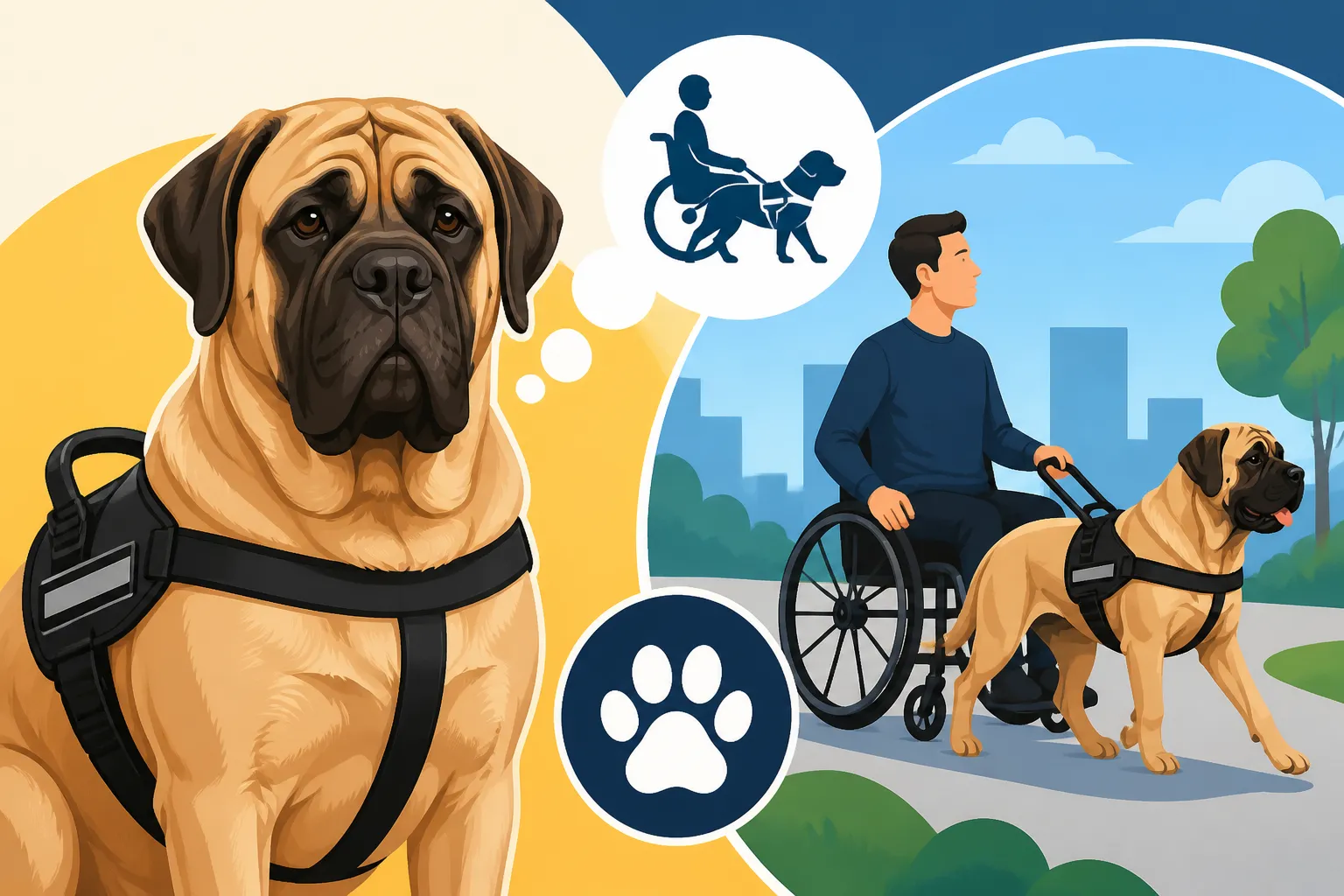
Beyond bracing and retrieving, mobility assistance can involve tasks like opening doors, pulling a lightweight wheelchair, or helping a person navigate uneven terrain. A Mastiff's strength is a clear advantage for tasks requiring leverage or pulling power. They can easily nudge open a door or tug on a rope to retrieve an item that's out of reach.
However, the idea of a Mastiff pulling a wheelchair, while theoretically possible due to their strength, comes with significant caveats. First, Mastiffs are not built for sustained endurance or speed. Their substantial bulk means they can overheat easily, especially in warmer climates, and prolonged exertion can put undue strain on their joints. This is a breed known for its Six to Ten Years Is What a Mastiff Gets, and preserving their joint health is paramount. Asking a Mastiff to consistently pull a heavy load over long distances could significantly shorten their active working life and lead to early onset arthritis or other orthopedic issues. This is especially true given that Why a Mastiff's Hips Fail Under Its Own Weight is already a concern for the breed.
Secondly, their stride is powerful but not particularly nimble. Navigating tight spaces, crowded areas, or quickly changing directions can be cumbersome for such a large animal. This means a Mastiff might excel in an open home environment but struggle in a busy urban setting. For many, a dedicated wheeled mobility device might be more practical and less taxing on the dog.
Weight Considerations for Veterinary Care and Equipment
The sheer scale of a Mastiff doesn't just impact daily living; it profoundly affects their veterinary care and the equipment they need. Finding a vet clinic that has appropriate lifting tables, scales, and even examination rooms large enough to comfortably accommodate a two hundred pound dog is a real challenge. What a Mastiff's Weight Does to Every Line on the Vet Invoice is a serious consideration, as everything from anesthesia dosage to emergency procedures becomes more complex and costly due to their size.
Specialized equipment is also a must. Standard dog beds simply won't do; you'll need orthopedic beds designed for giant breeds, like those readily available on Amazon, to support their heavy joints and prevent conditions like elbow calluses. Harnesses, leashes, and even crates must be industrial strength. A durable mobility harness capable of distributing weight evenly and providing secure handles for human support is absolutely critical. For those needing help with vehicle entry, a sturdy ramp rated for hundreds of pounds is essential, also often found on platforms like Amazon. These are not minor expenses, and the longevity and usability of such items are paramount.
Temperament: The Heart of a Mastiff Service Dog
While physical capability is important, the true essence of a successful service dog lies in its temperament. Mastiffs are renowned for their gentle, loyal, and calm disposition, which makes them highly appealing. However, even these positive traits need to be finely tuned for the demanding role of a mobility assistance dog.
Calmness and Steadiness Under Pressure
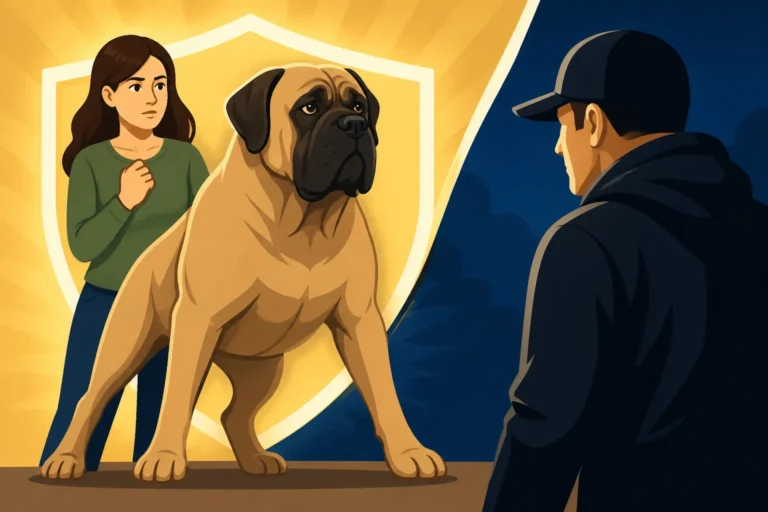
A Mastiff's natural inclination is often to be quite calm and composed, especially indoors. They are not typically a high-strung breed, preferring to observe and ponder rather than react impulsively. This inherent steadiness is a huge advantage for a service dog, as they need to remain unflappable in various environments, from a quiet home to a bustling supermarket or a busy medical office. How a Mastiff Judges a Stranger at the Door shows their discerning nature, which can be a double-edged sword: good for protection, but needing careful socialization to ensure they are welcoming to necessary strangers like medical professionals.
However, even the calmest Mastiff puppy needs extensive socialization to ensure they are bomb-proof in public. Exposure to different sights, sounds, smells, and people from a young age is non-negotiable. They must learn that novel experiences are not threats and that their job is to remain focused on their handler, regardless of distractions. A Mastiff’s sensitivity, a trait often underestimated in such a large dog, as discussed in The Sensitivity Nobody Expects in a Two Hundred Pound Mastiff, means harsh training methods are counterproductive and can shatter their confidence. Gentle, consistent, positive reinforcement is the only way to build a resilient and reliable service partner.
Loyalty and Focus on the Handler
Mastiffs are incredibly devoted to their families. This strong bond translates into a deep desire to please their primary handler, a crucial characteristic for any service dog. They thrive on companionship and partnership, making them naturally inclined to pay attention to their handler's cues and needs. This intense loyalty helps them stay focused on their tasks, even when intriguing distractions are present.
For a mobility assistance dog, this focus is paramount. The dog needs to be keenly aware of their handler's movements, intentions, and subtle signals. A Mastiff’s tendency to follow their person from room to room naturally reinforces this bond and readiness to assist. This connection is built over years of shared experiences and consistent training, establishing a communication flow that is almost intuitive.
Independent Thinking vs. Task Obedience
One common Mastiff trait that can be a challenge in service work is their thoughtful, sometimes stubborn, nature. They are not always eager to perform a command without first assessing its purpose, as explored in The Stubbornness That Is Actually a Mastiff Thinking. This isn't disobedience as much as it is deliberation. They process information, weigh their options, and then decide to act. While this independent thinking can be an asset in situations where a service dog needs to make a judgment call, it can also slow down immediate responses to commands.
For a service dog, particularly one performing critical mobility tasks, immediate and consistent obedience is often required. Training must be designed to build a strong desire to comply quickly, even when the Mastiff's inner philosopher is trying to analyze the situation. This means making tasks extremely rewarding and repetitive, ensuring the dog understands that swift compliance leads to positive outcomes. Building a strong foundation with obedience programs, perhaps even online, as offered by BAXTER & Bella, can instill this responsiveness from puppyhood.
The Commitment to Training: Shaping a Mastiff for Assistance
Training any service dog is an intensive undertaking, but training a Mastiff presents its own unique set of considerations due to their size, growth rate, and particular learning style. The commitment required from the handler, or a professional trainer, is immense and ongoing.
Early Socialization and Basic Obedience
The foundation of any successful service dog, especially a Mastiff, is laid during puppyhood. Early socialization is non-negotiable. A Mastiff puppy needs to be exposed to a vast array of people, places, sounds, and textures in a positive and controlled manner. This ensures they grow into confident, well-adjusted adults who are unfazed by public environments. The First Year With a Mastiff Puppy That Doubles in Size highlights how quickly these pups grow, making early training critical before they become too large to physically manage.
Basic obedience must also start immediately. Commands like "sit," "stay," "down," "come," and "leave it" are not just polite manners; they are critical safety cues for a service dog. Teaching a Mastiff before it outweighs you, as discussed in Teaching a Mastiff Before It Outweighs You, is paramount. Their strength means that even playful pulling can be dangerous if not managed properly. Online programs like BAXTER & Bella can be incredibly helpful for new owners, providing structured lessons and support for early obedience and socialization, which are vital steps for a future service dog.
Specialized Mobility Task Training
Once basic obedience is rock-solid, the real work of specialized task training begins. This involves breaking down complex behaviors into small, achievable steps and using positive reinforcement to shape the desired actions.
Bracing: Teaching a Mastiff to brace involves rewarding them for standing still, allowing the handler to lean on them, and maintaining their position. This is often taught by placing light pressure on them while giving a "brace" command and gradually increasing the pressure as they reliably hold their ground.
Retrieval: For retrieval, the dog learns to pick up specific items on command, bring them to the handler, and release them gently. This involves teaching a "take it," "bring it," and "drop it" command, often starting with high-value toys or soft objects before moving to real-world items.
Opening Doors: This might involve teaching the Mastiff to tug on a rope attached to a doorknob or push a release bar. Each step, from engaging with the door to fully opening it, is trained individually and then chained together.
Patience is key. Mastiffs are not known for rapid-fire learning; they are deliberate thinkers. How Many Repetitions a Mastiff Needs might be more than other breeds. Consistency, short and positive training sessions, and understanding what actually motivates a Mastiff are vital for success.
Working with Professional Trainers
While dedicated owners can achieve a great deal, the complexities of service dog training often necessitate professional guidance. This is particularly true for specialized mobility tasks and public access training. A professional service dog trainer can assess your Mastiff's aptitude, help structure a customized training plan, and ensure your dog meets the stringent standards required for public access.
Such trainers are experts in breaking down tasks, problem-solving behavioral issues, and navigating the legal and ethical aspects of service dog work. They can also help the owner fine-tune their handling skills and deepen the bond with their working partner. Why a Mastiff Needs a Professional Trainer becomes even more critical when considering the public safety aspect of having such a large service dog. Many organizations specialize in giant breed service dogs, or at least have experience with them, which is invaluable.
Living the Reality: Practicalities of a Mastiff Mobility Partner
Deciding to have a Mastiff as a mobility assistance dog is not just about training; it's about a complete lifestyle adjustment. Their size impacts nearly every aspect of daily life, from transportation to home modifications, and these practicalities must be thoroughly considered.
Public Access Challenges and Public Perception
While a Mastiff has the right to public access as a service dog, their sheer size can unfortunately lead to misunderstandings and prejudice. Some individuals and businesses may be unfamiliar with giant breed service dogs and might challenge their presence, despite federal laws protecting service animal access. This means the handler must be prepared to advocate for their dog and educate others, which can be emotionally and physically draining.
Furthermore, a Mastiff takes up significant space. Navigating narrow aisles in stores, crowded waiting rooms, or public transportation can be difficult. Their physical presence alone can sometimes intimidate others, even if the Mastiff is perfectly behaved. This is not the dog's fault, but a reality the handler must contend with. Extensive public access training, focusing on controlled manners and spatial awareness, is crucial to minimize these challenges. The goal is for the Mastiff to be seen as a professional working animal, not just a large pet.
Home and Vehicle Adaptations
Your home and vehicle will need to be ready for a Mastiff service dog. Inside the house, slippery floors can be dangerous for a heavy breed prone to joint issues. Why a Mastiff Cannot Live on Bare Hardwood is a serious consideration; runners or carpeted areas are essential for traction and comfort. Space is also a factor. While Mastiffs are not typically hyperactive, they still need room to move, lie down, and perform tasks without constantly bumping into furniture.
For transportation, a standard sedan simply won't cut it. A large SUV, van, or truck is often necessary to safely transport a Mastiff. Even with a suitable vehicle, a ramp will likely be needed to help them in and out, preserving their joints and preventing injury to both dog and handler. What a Ramp Rated for a Mastiff Costs is an investment that pays dividends in safety and long-term health. These are not optional upgrades but necessities for ensuring the well-being of a Mastiff mobility partner.
Long-Term Care and Financial Commitment
The financial commitment for a Mastiff, let alone a service Mastiff, is substantial. Their short lifespan, detailed in Why a Mastiff Only Gets Six to Ten Years, often means that significant health issues can arise relatively early compared to smaller breeds. They are prone to conditions like hip and elbow dysplasia, bloat, and certain cancers, all of which can incur massive veterinary bills. Even routine preventatives and specialized giant-breed food will cost significantly more due to their size.
Consider the ongoing costs for specialized veterinary care, high-quality giant breed food, joint supplements, and replacing heavy-duty equipment. A service dog's working life may also be shorter if health issues arise. Having a robust financial plan, whether through savings or comprehensive pet insurance, is absolutely essential. This is not a role for casual ownership; it requires a deep, long-term commitment of time, energy, and resources.
Here's a quick overview of key considerations:
| Aspect | Mastiff Suitability | Notes |
|---|---|---|
| Physical Strength | Excellent | Superb for bracing, counterbalance, heavy retrieval. |
| Endurance/Stamina | Low | Prone to overheating, not suitable for long-distance pulling or sustained high activity. |
| Size for Public Access | Challenging | Requires extensive public access training; can intimidate some, may be difficult in cramped spaces. |
| Temperament | Excellent (if well-bred) | Calm, loyal, focused, but can be deliberate thinkers; requires sensitive, positive reinforcement. |
| Trainability | Moderate to Good | Intelligent but can be stubborn; needs patience, consistency, and positive reinforcement; benefits from professional guidance. |
| Lifespan | Short | Average 6-10 years; health issues can arise sooner, potentially shortening working life. |
| Cost of Care | Very High | Increased veterinary costs, food, specialized equipment, home/vehicle modifications. |
| Socialization Needs | High | Crucial from puppyhood to ensure stability and acceptance in diverse environments. |
Ultimately, while a Mastiff can become a mobility assistance dog, it requires an exceptional individual dog, a highly dedicated handler, and a significant investment in specialized training and ongoing care. It's a journey not to be undertaken lightly, but for those who commit, the reward is an unparalleled partnership with a truly magnificent and devoted giant.
Disclaimer
This article is for general informational purposes only and does not constitute professional advice. Laws, prices and regulations vary by location and change over time. Consult a qualified professional for guidance on your specific situation.