The Mastiff as a Service Dog
The idea of a Mastiff as a service dog is incredibly appealing to many, especially given their calm demeanor and impressive size. Who wouldn't want such a gentle giant by their side, providing comfort and assistance? However, the reality of a Mastiff truly excelling in a service dog role comes with a unique set of challenges and considerations that go far beyond just their sweet disposition and imposing presence. This guide will delve deep into what it truly takes for any dog to be a service animal, and why the beloved Mastiff, while wonderfully suited for many things, might not be the ideal candidate for every service task.
Understanding the Role of a Service Dog
Before we even begin to consider a specific breed, it’s crucial to understand what a service dog actually is and the immense responsibility and training that come with the title. It's far more than just being a well-behaved pet.
Defining What a Service Dog Actually Does
A service dog is not merely a companion animal; it is a highly trained working animal that performs specific tasks directly related to a person's disability. This is a crucial distinction. For instance, an emotional support animal provides comfort simply by its presence, and a therapy dog offers affection to many people in various settings. Neither of these roles requires the rigorous, task-specific training and public access rights afforded to a service dog.
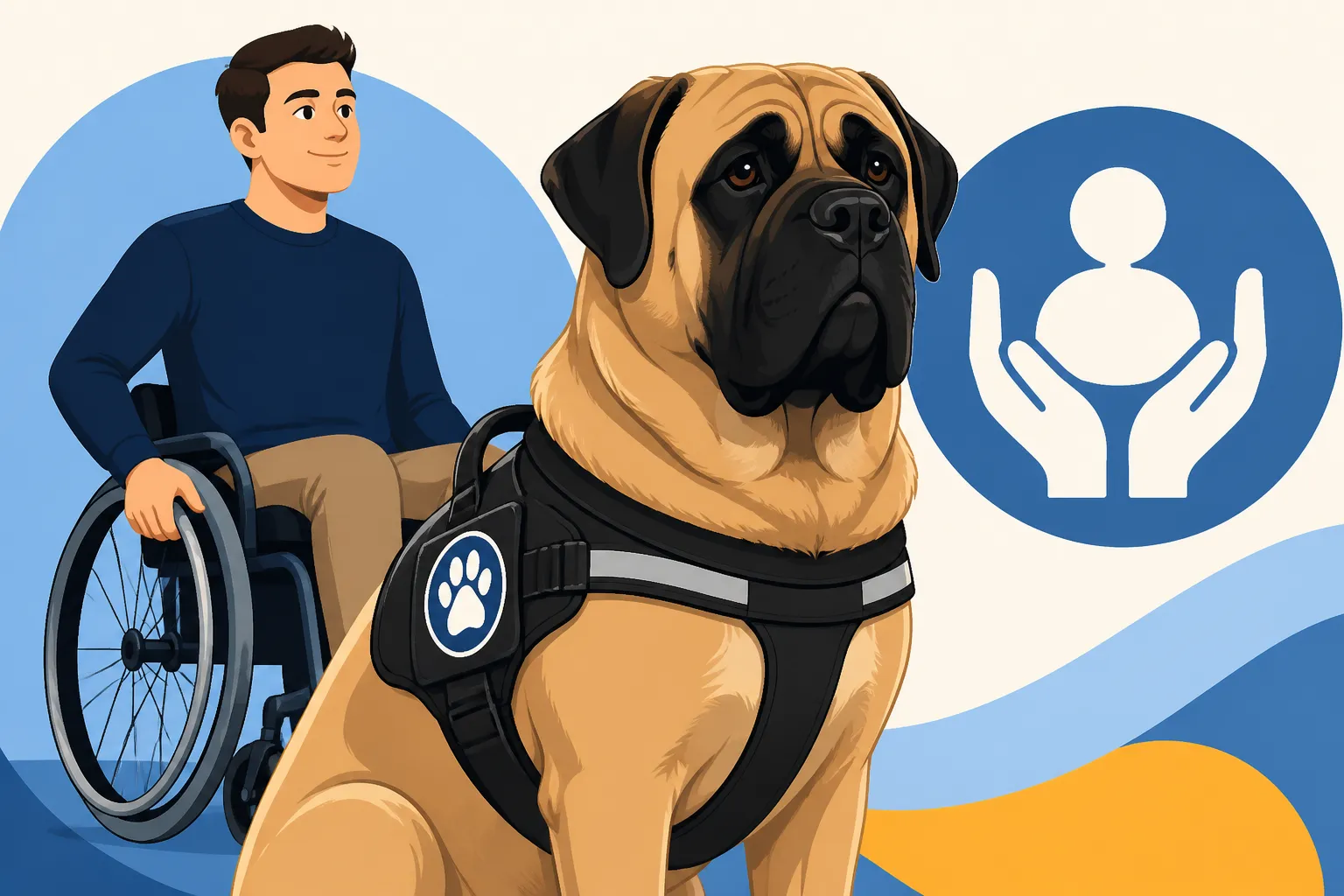
A service dog's tasks must be observable and directly mitigate the handler's disability. This could involve guiding a person who is blind, alerting a deaf individual to sounds, pulling a wheelchair, retrieving dropped items, or alerting to impending medical emergencies like seizures or changes in blood sugar. The training involved is extensive, often spanning years, and requires immense dedication from both the dog and its handler, or from a professional organization. The dog must be unflappable in all environments, completely focused on its handler, and ignore distractions that would easily derail a pet. Think of navigating a bustling airport, a crowded grocery store, or a quiet library – the service dog must perform its duties flawlessly in all of these vastly different scenarios.
Essential Traits for Service Work
For a dog to be truly effective and successful in service work, it needs a very specific combination of temperament, intelligence, and physical attributes. These traits aren't just desirable; they are non-negotiable foundations.
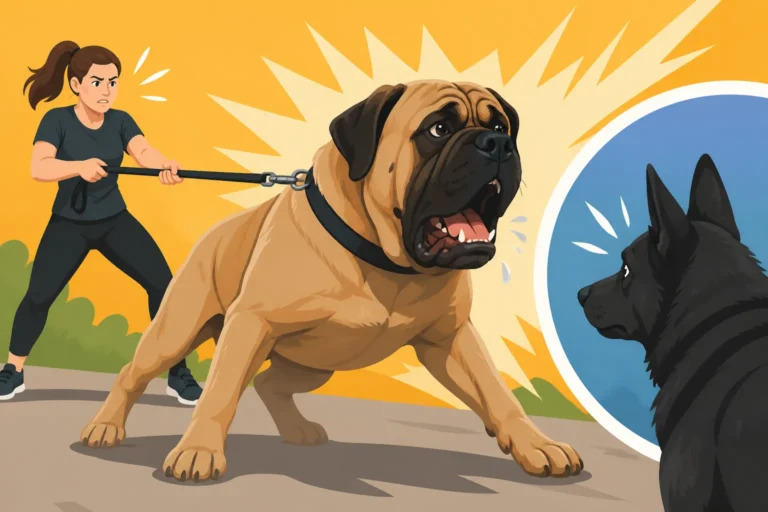
Firstly, an unwavering temperament is paramount. A service dog must be confident but not aggressive, calm but not sluggish, and endlessly patient. It needs to possess excellent impulse control, ignoring tempting smells, other animals, and the general hubbub of public life. Reactivity—barking at strangers, lunging at other dogs, or showing fear—is an absolute deal-breaker. A service dog also needs a strong desire to please and a high work ethic, meaning it genuinely enjoys learning and performing tasks for its handler. They need to be problem-solvers, capable of adapting to new situations, and maintaining focus even when feeling under the weather or tired.
Physically, the dog must be sound, healthy, and capable of performing its required tasks without causing itself harm or undue strain. For mobility tasks, this means robust joints and a suitable size and strength. For retrieving small items, dexterity and precise mouth control are key. Long-term health is also vital, as the investment in a service dog's training is significant, and a short working life due to health issues can be devastating. This is where researching a breed's common health predispositions, like Elbow Dysplasia Affects One Mastiff in Seven or Six to Ten Years Is What a Mastiff Gets, becomes critical.
Why Mastiffs Face Unique Challenges in Service Work
While the Mastiff is a magnificent breed, their unique characteristics, while endearing in a family pet, can present significant hurdles in the demanding world of service work. It's not about them being "bad" dogs, but about how their natural predispositions align with the job requirements.
Temperament and Drive Considerations
Mastiffs are renowned for their calm, gentle, and often reserved nature. They are truly devoted family members and generally excellent with children. These are fantastic traits for a companion animal. However, when it comes to service work, their natural inclinations often lean towards observation and deliberation rather than eager, quick-response task performance. They are thinkers, not necessarily high-drive workers. Many owners lovingly refer to their Mastiffs' "stubbornness," which is often just their way of processing information and deciding if a task is truly worth their effort at that moment. This deliberate pace, while charming at home, can be a major impediment when a rapid, precise response is needed in a critical service situation. You want a dog that leaps to action, not one that ponders the philosophical implications of retrieving your dropped keys. The Stubbornness That Is Actually a Mastiff Thinking really highlights this intrinsic characteristic.
Their generally low prey drive and placid temperament also mean that while they are unlikely to chase a squirrel and pull their handler off balance, they might also lack the intense focus and drive that motivates many traditional service breeds to perform repetitive, sometimes tedious, tasks with consistent enthusiasm. It's not that they can't learn; it's whether they want to perform those tasks with the unwavering reliability a service handler absolutely depends on.
Physical Limitations and Health Concerns
The sheer size of a Mastiff, while impressive, can be a double-edged sword for service work. Their immense weight and deep chests, while imposing, also come with particular physical challenges. Navigating tight spaces, crowded public transportation, or fitting comfortably under restaurant tables can become logistical nightmares. Imagine trying to maneuver a 200-pound dog onto a bus during rush hour. Their bulk can make them prone to overheating, especially in warmer climates or during sustained activity. Why Bulk Makes a Mastiff Overheat is a very real concern for these large dogs.
Furthermore, Mastiffs, like many giant breeds, are predisposed to a range of orthopedic issues such as hip and elbow dysplasia. The physical demands of mobility assistance, such as bracing or pulling, could put undue strain on their joints, potentially exacerbating existing conditions or leading to new ones. The significant financial and emotional investment in training a service dog means that a short working life due to debilitating health issues like [Hip Dysplasia in a Mastiff] or other serious concerns like Bloat in the Deepest Chest of Any Breed: the Mastiff is a major drawback. Their relatively shorter lifespan compared to many other breeds, often only Six to Ten Years Is What a Mastiff Gets, means the working life of a Mastiff service dog might be considerably shorter than that of a Golden Retriever or Labrador, making the extensive training period a less efficient investment in the long run.
Public Perception and Practicality
While Mastiffs are gentle giants, their sheer size can unfortunately evoke fear or apprehension in some members of the public. This can lead to unnecessary confrontations or difficulties in public access situations, despite their legal rights as service animals. A handler already managing a disability doesn't need the added stress of constantly justifying their dog's presence or dealing with people's unfounded fears.
Practical logistics are another major consideration. Not every public establishment is designed for a dog the size of a small pony. Seating might be too small, aisles too narrow, and even some veterinary clinics might struggle with equipment rated for their immense weight, like examination tables or specialized X-ray plates. Transport is a huge hurdle; Whether a Mastiff Fits in a Sedan is almost certainly a "no," often requiring a specialized vehicle or at least a larger SUV, and navigating air travel with a dog of this size is notoriously difficult, if not impossible for many airlines due to size restrictions for in-cabin travel. This means more logistical planning for the handler, which can be exhausting.
Specific Tasks a Mastiff Might Be Suited For (With Caveats)
Despite the challenges, certain tasks could theoretically align with a Mastiff's strengths, provided careful selection, impeccable health, and specialized training. However, these are always accompanied by significant caveats.
Mobility Assistance (Limited Scope)
For individuals needing minimal physical support, a very well-conditioned and healthy Mastiff might be trained for certain mobility tasks. Bracing, where the dog provides a steady anchor for a person to push up from a seated position, is one possibility. Their sheer mass could be an advantage here. Similarly, if they are free of orthopedic issues, they could offer counterbalance support. Retrieving dropped items, particularly larger ones, could also be within their capability, leveraging their reach and strength. Imagine them picking up a dropped set of keys or a mobility aid handle. Opening and closing doors with specific types of handles, using their muzzle or a rope attached to the handle, could also be a feasible task.
However, the risk of injury to the Mastiff's joints cannot be overstated. Activities that involve sudden stopping, sharp turns, or repeated impacts should be avoided. The training would need to be extremely gradual and focused on protecting their body. It's crucial to consult with a veterinarian and a specialist service dog trainer to assess the individual dog's physical capabilities and determine if these tasks are genuinely safe and sustainable for the dog over its working life. Whether a Mastiff Recovers From Elbow Surgery or hip surgery can be a long and difficult road, so prevention is key.
Alerting Tasks
Mastiffs possess a keen awareness of their environment and are often very tuned into their handlers' emotions and routines. This inherent attentiveness could be leveraged for certain alerting tasks. For a hearing-impaired individual, a Mastiff could be trained to alert to specific sounds, such as a smoke alarm, doorbell, or phone ringing, by nudging their handler. Their response would need to be distinctive and consistent, perhaps a gentle paw tap or a persistent nose nudge.
For medical alerts, such as alerting to an impending seizure or changes in blood sugar levels, success often relies on a dog's natural ability to detect subtle physiological changes in their handler. While some Mastiffs might instinctively pick up on these cues, formal training for this highly specialized and life-critical task can be challenging with any breed, and particularly with one that may not have the intense drive to "report" consistently. It's a nuanced area, and reliable performance is essential.
Providing Deep Pressure Therapy/Tactile Stimulation
This is perhaps where a Mastiff's natural attributes align most beautifully with a service dog task. Their imposing weight and tendency to lean or "flop" onto their favorite people can be incredibly effective for providing deep pressure therapy (DPT) or tactile stimulation. For individuals with anxiety, PTSD, or sensory processing disorders, the grounding sensation of a large, heavy dog lying across their lap or leaning against them can be profoundly calming and regulating. Why a Mastiff Leans Its Weight on People isn't just a quirky habit; it's a built-in therapeutic tool!
This task is less physically demanding on the dog and plays to their strengths as a calm, comforting presence. It requires less intense, precise motor skills than, say, picking up a credit card. A Mastiff naturally excels at simply "being there" in a substantial way. While DPT is a recognized service dog task, it's important to remember that this alone doesn't mean any Mastiff providing comfort is a service dog; it must be trained as a specific task to mitigate a disability.
The Training Journey for a Mastiff Service Dog
Embarking on the path to train a Mastiff as a service dog is a monumental undertaking, requiring a unique blend of patience, expertise, and unwavering commitment. It's a journey that starts very early and never truly ends.
Early Foundations and Socialization
The foundation for any successful service dog, especially a giant breed like a Mastiff, must be laid during puppyhood. Early and comprehensive socialization is non-negotiable. A Mastiff puppy needs to be exposed to a vast array of sights, sounds, people, places, and textures in a positive and controlled manner long before its size becomes intimidating. This ensures they grow into confident, unflappable adults. Think busy city streets, quiet offices, children playing, loud vehicles, and different floor surfaces. Socializing a Mastiff Puppy Before It Gets Heavy is critical, as once they hit 100+ pounds, it becomes exponentially harder.
Alongside socialization, basic obedience training is paramount. A Mastiff must master cues like sit, stay, down, come, and heel with absolute reliability, even amidst distractions. Positive reinforcement methods are key, as Mastiffs are incredibly sensitive and will shut down with harsh corrections. Many owners find value in structured puppy training programs, whether in-person or online. Resources like BAXTER & Bella offer comprehensive online puppy training programs that can guide new Mastiff owners through these crucial early stages, helping to instill good manners and build a strong communication bond. This early obedience and clear communication are the bedrock for all future specialized training. Teaching a Mastiff Before It Outweighs You is a concept to embrace from day one.
Specialized Task Training
Once the Mastiff has a solid foundation in public manners and basic obedience, the real work of specialized task training begins. This is not something a casual owner can typically undertake alone. It requires the guidance of a professional service dog trainer with experience in giant breeds and task-specific instruction. The trainer will help identify which tasks the individual Mastiff is physically and temperamentally suited for, given the caveats discussed earlier.
Each task must be broken down into tiny, achievable steps, and trained consistently with positive reinforcement. Because Mastiffs can be deliberate thinkers, they might require more repetitions or different motivators than other breeds. How Many Repetitions a Mastiff Needs can vary wildly, but patience is always key. Training might involve using specific tools or equipment tailored for large dogs, such as specialized harnesses with handles designed for bracing or retrieving, which can often be found on platforms like Amazon. The training environment will gradually increase in complexity, moving from quiet home settings to increasingly distracting public spaces, always ensuring the dog remains calm, focused, and happy in its work.
Ongoing Care and Ethical Considerations
The commitment to a service dog extends far beyond initial training and certification. Ongoing care, health monitoring, and maintenance training are essential throughout the dog's working life. Regular veterinary check-ups are crucial, especially given the Mastiff's size and predispositions to joint issues, to ensure they remain physically sound for their tasks. Their diet, exercise, and mental stimulation must be carefully managed to maintain optimal health and prevent weight gain, which can exacerbate orthopedic problems.
Ethically, handlers must continuously evaluate if their Mastiff is still happy and comfortable in its role. Is the dog showing signs of stress or discomfort? Are the tasks becoming too physically taxing? It’s vital to prioritize the dog's well-being above all else. This might mean adjusting tasks, reducing their working hours, or even considering early retirement if health or temperament issues arise. The question, "Is it fair to ask this particular Mastiff to do this work?" should always be at the forefront of a handler's mind. While a Mastiff's heart is huge, we must ensure its body can safely and happily keep up with the demands of service.
Here's a quick look at how Mastiffs might fare with different service tasks:
| Service Task | Mastiff Suitability (with caveats) | Key Considerations |
|---|---|---|
| Guide Work (for blind/low vision) | Low | Requires quick, agile navigation, constant awareness of obstacles, and swift decision-making. Mastiffs' slower pace and less agile build make them less suitable. |
| Hearing Alert | Moderate to High | Their attentiveness can be an asset. Can be trained to nudge/alert to specific sounds like doorbells, alarms. Requires consistent, clear communication. |
| Mobility Assistance (Bracing/Balance) | Moderate | Their size and strength can provide a solid anchor. Critical: Must have impeccable joint health, careful vet oversight, and specialized training to prevent injury. Less suitable for active pulling or quick movements. |
| Retrieving Items | Moderate (large items) | Good reach for larger dropped items. Less dexterous for small, precise retrievals (e.g., coins, pills). Training for gentle mouth use is essential. |
| Medical Alert (e.g., seizure, blood sugar) | Low to Moderate | Relies heavily on natural instinct and ability to detect subtle changes. Can be inconsistent or difficult to reliably train in some Mastiffs who lack intense "alerting" drive. Some individuals may develop this naturally, but it's hard to predict or guarantee. |
| Deep Pressure Therapy (DPT) | High | Their natural tendency to lean and considerable weight is highly effective for grounding and calming. Requires minimal physical strain from the dog and aligns well with their calm temperament. |
| Psychiatric Support (task-based) | Moderate | Can interrupt repetitive behaviors or provide DPT. Their calm presence can be very soothing. Less suited for tasks requiring quick interventions in high-stress environments if the dog itself becomes overstimulated or overwhelmed. |
| Wheelchair Pulling | Low | While strong, sustained pulling would place immense and potentially damaging strain on a Mastiff's joints over time, especially given their predispositions to orthopedic issues. Not recommended. |
Disclaimer
This article is for general informational purposes only and does not constitute professional advice. Laws, prices and regulations vary by location and change over time. Consult a qualified professional for guidance on your specific situation.