A Mastiff Does Not Pull You Over, It Simply Stops
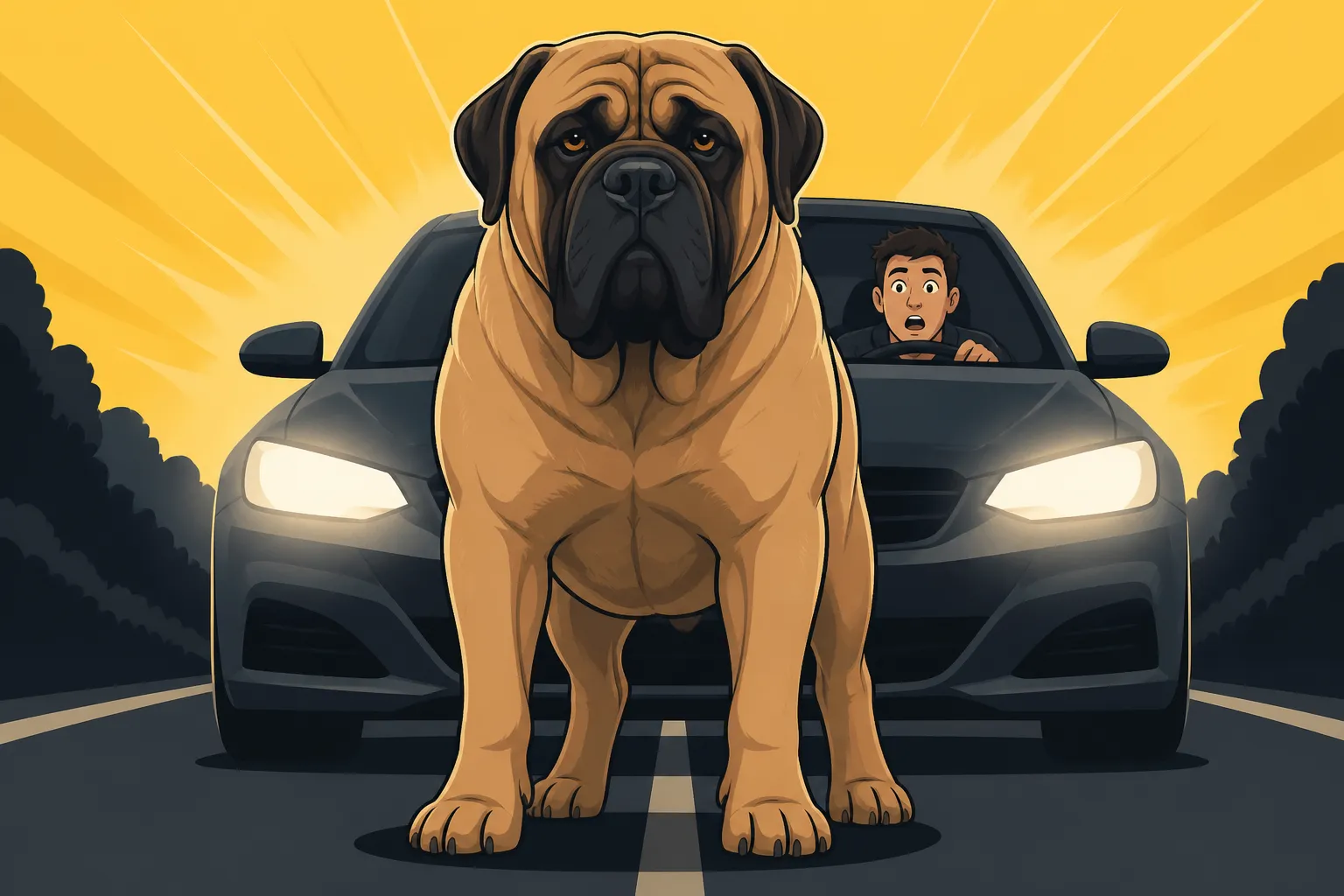
One of the most universally relatable — and often comical — frustrations for Mastiff owners is when your massive, otherwise gentle giant decides, mid-walk, that it's simply done. It's not pulling you forward with relentless energy like a Husky; it's planting its two hundred pounds firmly on the sidewalk, becoming an immovable, furry statue. This guide is all about navigating those moments, understanding why your Mastiff pulls this epic power move, and how to encourage a more cooperative and enjoyable leash experience for both of you.
Understanding the Mastiff's Unique Approach to Leash Walking
If you've ever owned a smaller, more sprightly dog, you might be familiar with the battle of wills that involves constant pulling and tugging. With a Mastiff, the challenge often takes a different form entirely. It's less about them charging ahead and more about them deciding that the current activity has concluded, or perhaps, was a bad idea to begin with.
Why "Stopping" is Different from "Pulling" for a Mastiff
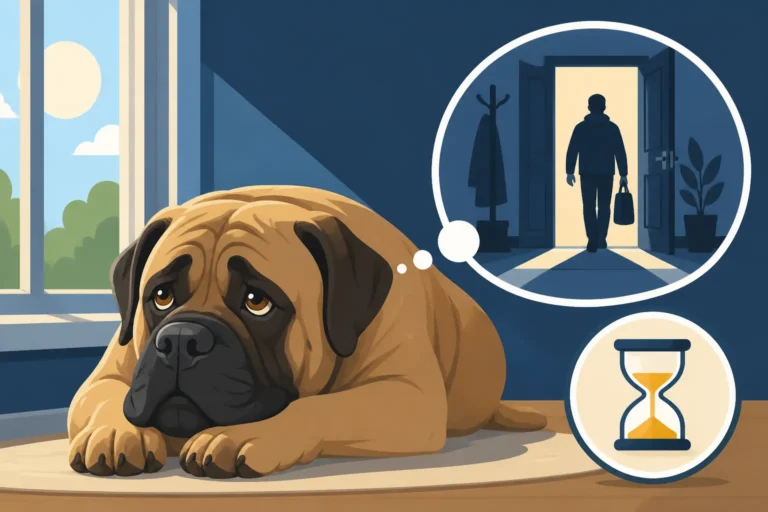
Let's be real, a Mastiff could pull you over if it wanted to, but often, that's not its instinct. Their pulling tends to be more of a slow, steady lean into the harness, a gentle but undeniable force that gradually shifts you off balance. The real unique Mastiff maneuver is the sudden, complete halt. Picture this: you're walking along, perhaps admiring the fall foliage, and suddenly, your leash goes taut, not because your Mastiff is forging ahead, but because it has simply decided to become a fixture of the landscape. It's like trying to move a very large, very furry boulder. This isn't usually an act of defiance, but rather a manifestation of their deliberative nature. They weigh a lot, and they know they weigh a lot. Moving them when they don't want to move takes immense effort, and they've perfected the art of passive resistance. Unlike a dog that pulls because it's overly excited or reactive, a Mastiff stopping often signals a different internal process. It could be surveying its surroundings, processing a new scent, or simply deciding it's had enough of the current direction or pace.
The Mental and Physical Factors Behind Their Inertia
There are several reasons why a Mastiff might perform the "sudden stop." Physically, their sheer bulk and deep chest mean they aren't built for sustained, high-energy movement. A short, slow stroll is often their preferred pace, and if you push them beyond that, they might decide a protest is in order. Think about a hot summer day; Whether a Mastiff Overheats on a Walk is a real concern, and planting their feet might be their way of saying, "I'm too hot, I need a break." They're also prone to joint issues, and while they might not show overt pain, a sudden stop could be a subtle sign of discomfort or fatigue.
Mentally, Mastiffs are known for being thoughtful and, yes, sometimes a bit stubborn. They're not always eager to please in the frantic way some breeds are. If a Mastiff perceives a walk as boring, too long, or leading somewhere they don't want to go (like back home when there's a fascinating smell nearby), they'll often just halt. They have a strong sense of self-preservation and aren't easily swayed if they've made up their mind. This isn't malicious; it's just a part of their charming, sometimes infuriating, personality. Their sensitive nature also plays a role; a sudden loud noise, an unfamiliar person, or an unexpected change in environment can cause them to freeze and assess the situation rather than forging ahead blindly. This pause is their way of processing the world around them, a world that can often feel overwhelming to a dog of their size and inherent caution.
The Core Challenge: Immovable Object Syndrome
When your Mastiff decides it's time for an unscheduled stop, you quickly realize the sheer physics involved. You might weigh a quarter of what they do, and suddenly you're attempting to move a creature that feels like it's fused to the pavement. It's a unique challenge that requires a unique approach.
When Your Mastiff Decides "No" Means No
This phenomenon is less about a power struggle and more about a Mastiff's inherent gravitational pull. They are masters of inertia. When a Mastiff decides it's not moving, it simply won't. You can pull, you can coax, you can even offer the most delectable treat, and often, you'll be met with a steadfast, unblinking stare that clearly communicates: "My answer is no." This isn't to be confused with being fearful, though fear can sometimes cause it. More often, it's a calm, deliberate choice. Perhaps they've caught a scent that demands closer investigation, or maybe they just heard a distant sound that requires their full, undivided attention to ascertain if it's a threat to their beloved family unit. They might simply decide they've reached their daily quota of steps. Trying to physically force a Mastiff to move is usually a losing battle and can even be dangerous, risking injury to both you and your dog. It's incredibly frustrating when you have a schedule to keep or simply want to finish your walk, but the Mastiff's steadfast refusal can truly bring things to a grinding halt.
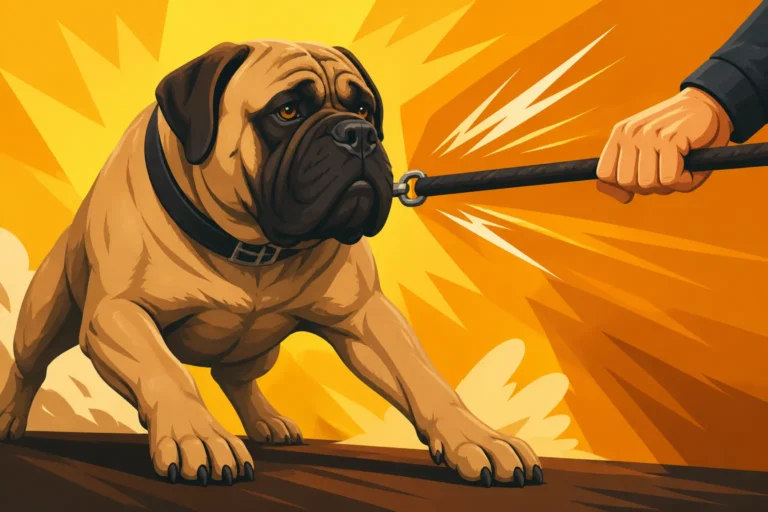
This particular brand of stubbornness highlights a core aspect of their temperament: they are independent thinkers. They don't just blindly follow; they evaluate. If their evaluation leads them to conclude that staying put is the best course of action, then staying put they will. This is where patience becomes not just a virtue, but a necessity. Yelling or yanking will likely only make them dig in further, as Why Harsh Correction Ruins a Mastiff is a well-known aspect of their sensitive disposition. They are much more likely to cooperate if they feel they are part of the decision-making process, or at least that their opinions are being respectfully considered.
The Frustration of Being Stuck in Place
Imagine being halfway through your walk, perhaps in a busy park or on a residential street, and your two-hundred-pound companion abruptly decides to lie down or simply become rooted to the spot. It's not just an inconvenience; it can be downright embarrassing and physically taxing. Cars might honk, other walkers might stare, and you, the human on the other end of the leash, are left trying to figure out how to gently, yet firmly, encourage a creature that outweighs you significantly to resume motion. It feels like everyone is looking at you, judging your inability to control your dog.
The sheer physical impossibility of moving them without proper cooperation is something many new Mastiff owners don't anticipate. You might try tugging, pushing, or even attempting to lift a paw, only to realize the futility of your efforts. This can lead to moments of genuine despair, where you question your training skills and wonder if you'll ever get home. It’s also important to remember that such an incident can quickly turn a pleasant outing into a stressful ordeal, impacting not just your mood but also your Mastiff's association with walks. If every walk ends in a tug-of-war or a lengthy standoff, your Mastiff might begin to resist leaving the house altogether, associating the leash with conflict rather than adventure. This is why developing effective, non-confrontational strategies is absolutely crucial.
Preparing for Success: Gear and Environment
Setting yourself up for a successful walk with a Mastiff starts long before you even step out the door. The right equipment and a thoughtful approach to your walking environment can make all the difference when dealing with their unique walking style.
Choosing the Right Leash and Collar for a Giant
When it comes to walking a Mastiff, standard gear simply won't cut it. You need equipment built for strength, durability, and most importantly, your Mastiff's comfort and safety. A flimsy leash or collar is not only ineffective but potentially dangerous should your Mastiff suddenly bolt, or more likely, suddenly stop with great force.
For leashes, opt for heavy-duty nylon or leather with solid brass or steel hardware. A six-foot length is generally ideal, offering enough slack for sniffing and exploration while keeping your Mastiff close. Avoid retractable leashes entirely; they offer no control over a dog of this size and can cause serious injury if they snap or if your Mastiff suddenly decides to stop short. Imagine the whiplash! You need something you can grip securely even when wet or when a powerful "plant" occurs. Brands like those found on Amazon offer a wide variety of heavy-duty options designed for large and giant breeds, ensuring the hardware won't buckle under pressure.
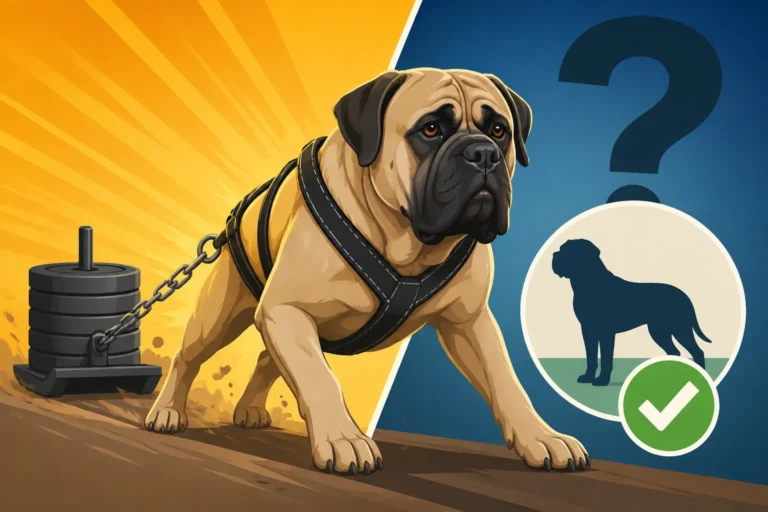
For collars, a wide, flat buckle collar made of strong nylon or leather is a good starting point for identification and basic leash attachment. However, for active walking, many Mastiff owners find a well-fitting, sturdy harness to be invaluable. Harnesses distribute pressure across the chest and shoulders, rather than concentrating it on the neck, which is especially important for deep-chested breeds like the Mastiff. A front-clip harness can be particularly effective in redirecting their momentum should they try to pull or, in this case, to gently guide them forward when they decide to stop. It turns their body towards you, making it harder for them to dig in. Whether a Mastiff Should Wear a Harness or a Collar is a question many giant breed owners grapple with, and for safety and control, a harness often wins. Ensure any harness fits snugly but allows full range of motion, with no rubbing or chafing in the armpit area. Checking size guides and reviews, especially on platforms like Amazon, for other giant breed owners can provide a good starting point.
Navigating Different Surfaces and Distractions
The environment where you walk your Mastiff greatly influences their behavior and propensity to stop. A busy, noisy street can be overwhelming, while a quiet trail might encourage more consistent movement. Consider your Mastiff's personality and level of socialization. Socializing a Mastiff Puppy Before It Gets Heavy is critical for them to feel confident in various environments.
Hard, slippery surfaces like polished concrete or tiled sidewalks can be uncomfortable and even precarious for a heavy Mastiff, especially if they have any underlying joint issues. A Mastiff's nails can also affect their traction; keeping them trimmed short helps with grip on all surfaces. Walks on grassy paths, dirt trails, or even well-maintained gravel roads often provide better traction and a more natural feel, which can encourage steady walking.
Distractions are another major factor. A Mastiff's keen sense of smell can lead them to plant their feet to investigate a particularly interesting scent. Other dogs, people, or unexpected noises can also trigger a freeze response. When planning your route, try to choose times and locations where these distractions are minimized, especially during early training phases. If you know a certain area is particularly noisy or prone to off-leash dogs, it might be best to avoid it until your Mastiff's leash manners are rock solid. Gradually introduce them to more stimulating environments as their confidence and training progress. Always carry high-value treats to help redirect their attention from overwhelming stimuli or to reward them for moving past a "sticky" spot.
Training Strategies for a Smooth Stroll
Teaching a Mastiff to walk politely on a leash requires patience, consistency, and a deep understanding of their unique motivations. It's less about force and more about persuasion, building a strong, positive association with moving forward.
Building a Solid "Let's Go" Cue from Puppyhood
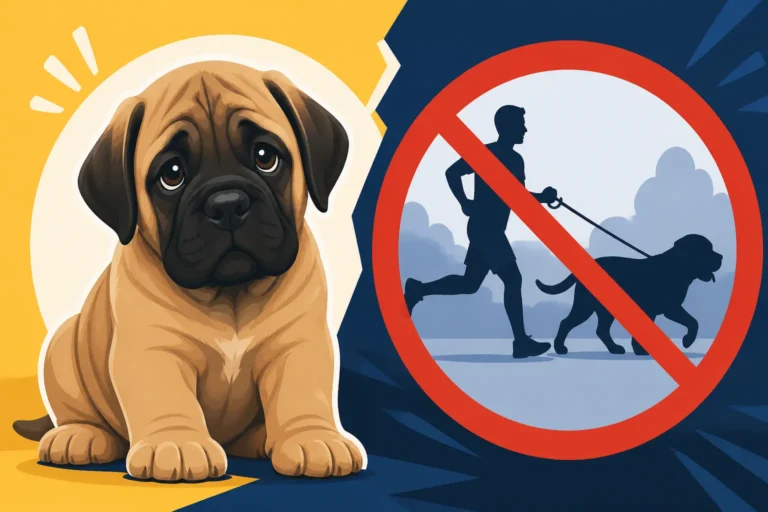
The foundation for a great leash walk starts when your Mastiff is a tiny, adorable lump of a puppy. Even though The Mastiff Puppy You Are Not Allowed to Exercise vigorously, you can still start teaching leash manners with short, controlled sessions. The "let's go" cue should be introduced in a positive, low-distraction environment, like your living room or backyard.
Start by simply clipping on the leash and letting them drag it around for a few minutes while supervised, getting used to the feel. Then, with leash in hand, take a step or two, say "let's go!" in a cheerful voice, and immediately reward any forward movement, even just a tiny step, with a high-value treat and praise. Repeat this many times, gradually increasing the number of steps before the reward. The goal is to create an immediate positive association: "When my human says 'let's go,' and I move, good things happen!"
Consistency is absolutely paramount. Everyone in the household needs to use the same cue and the same method. As your Mastiff puppy grows and begins to test boundaries, they'll inevitably try to plant their feet. At this early stage, don't engage in a tug-of-war. Instead, try to be more interesting than whatever has captured their attention. Crouch down, offer a treat, and use your cheerful "let's go!" cue. If they move, reward instantly. If they still refuse, calmly walk a few steps away from them (but not so far that the leash pulls taut and drags them), and see if their curiosity or desire for a treat motivates them to follow. This teaches them that you are the source of good things, and that moving with you is rewarding.
Positive Reinforcement for Forward Motion
Mastiffs respond beautifully to positive reinforcement. They thrive on praise, attention, and delicious treats. What Actually Motivates a Mastiff is often a combination of these things, especially food, but also genuine connection with their human. When your Mastiff is walking nicely, with a loose leash, make sure to mark that behavior. A verbal marker like "yes!" or a clicker, immediately followed by a treat, helps them understand exactly what they're being rewarded for.
Focus on rewarding forward momentum, especially after a brief pause or when navigating a tricky spot. For example, if your Mastiff stops to sniff something interesting, wait a moment, then give your "let's go!" cue. The instant they lift their head and take a step forward, reward them generously. This teaches them that it's okay to investigate, but that you ultimately decide when it's time to move on, and doing so willingly brings rewards.
You can also use a technique called "lure and reward." Hold a high-value treat near your Mastiff's nose and use it to lure them forward a few steps while saying "let's go." As they move, give them the treat. Gradually fade the lure, so they respond to the verbal cue alone. For more structured online training programs that emphasize positive reinforcement, you might find resources from BAXTER & Bella helpful, as they often provide step-by-step video tutorials that can be followed at your own pace, which is ideal for a thoughtful Mastiff.
What to Do When the Mastiff Plants Its Feet
This is the moment of truth. Your Mastiff has become an immovable object. The key is to remain calm and avoid physical confrontation. Stopping a Mastiff That Plants Itself and Will Not Move gracefully is a skill born of practice and patience.
- Stop, Don't Pull: The absolute worst thing you can do is pull harder. It creates opposition reflex, meaning they'll just pull back or dig in further. Instead, stop, stand still, and wait. Take a deep breath.
- Become Interesting: Crouch down, use a cheerful, inviting tone, and offer a high-value treat. Wiggle it enticingly. Say your "let's go!" cue. The goal is to make you more appealing than the ground they're glued to.
- Change Direction (Slightly): Sometimes, a Mastiff is just stubborn about a particular direction. Try turning 90 degrees and giving your "let's go" cue. Even moving a few steps in a new direction can break the spell.
- Wait it Out: If your Mastiff truly won't budge, sometimes the best strategy is to simply wait. Stand silently, loose leash, and ignore them. Don't stare. Eventually, boredom or curiosity might prompt them to move. The moment they take a step, even a small one, mark it and reward immediately.
- Use a "Touch" Cue: If you've taught your Mastiff a "touch" cue (where they touch their nose to your hand), this can be incredibly useful. Place your hand a few steps ahead and ask for "touch." This gives them a clear, actionable task that moves them forward.
- Avoid Rewarding the Stop: Only reward when they start moving, not for stopping. If you offer a treat the moment they plant, you're inadvertently reinforcing the stopping behavior.
Remember, a Mastiff is thinking, not just being difficult. Respect their deliberation, but guide them firmly and positively towards the desired behavior.
Addressing Underlying Behavioral Roots
Sometimes, a Mastiff's sudden stops aren't just about stubbornness or scent exploration. There can be deeper behavioral or even physical reasons for their reluctance to move forward. Understanding these roots is key to addressing the behavior effectively.
Fear, Anxiety, or Simple Stubbornness
It's easy to dismiss a Mastiff's refusal to move as pure stubbornness, and sometimes, it absolutely is The Stubbornness That Is Actually a Mastiff Thinking. But it's crucial to differentiate this from fear or anxiety. A Mastiff might suddenly stop because something in their environment genuinely frightens them—a loud truck, a strange object, or an unfamiliar person. In these cases, their body language might be different: ears back, tail tucked (if visible), wide eyes, or even a slight tremor. If you suspect fear, your approach needs to be incredibly gentle and reassuring. Retreat from the scary stimulus if possible, or give them space and time to observe and process from a safe distance. Never force a fearful Mastiff into a situation they are clearly uncomfortable with, as this can escalate their anxiety and damage your trust bond.
Anxiety can also manifest as reluctance to move. This might be generalized anxiety about being outside, or specific anxiety related to separation if they're particularly bonded to someone at home. If you notice other signs of anxiety—like excessive panting, drooling, lip-licking, or avoidance—it might be worth consulting with a veterinarian or a certified professional dog trainer to explore these deeper issues. They can help you develop a desensitization and counter-conditioning plan to help your Mastiff feel more secure.
When it is simple stubbornness, it's often more about their deliberate nature. They've weighed their options (move forward vs. stand still and sniff/rest) and chosen the latter. In these cases, persistent positive reinforcement and making yourself more engaging than the distraction are your best tools. Understanding What Actually Motivates a Mastiff – usually food, praise, and gentle interaction – will give you the edge in these gentle battles of will.
The Role of Socialization in Leash Confidence
Proper socialization is a non-negotiable for any Mastiff, especially one that will be out and about in the world. A well-socialized Mastiff puppy is more likely to grow into an adult who is confident and adaptable in various environments, and less likely to freeze up when encountering new sights, sounds, or people. How Many People a Mastiff Puppy Should Meet and How Many People a Mastiff Puppy Should Meet are critical questions that breeders and owners must address early on.
From a young age, expose your Mastiff puppy to a wide variety of positive experiences:
- Different people: Young, old, different genders, people in hats, people with umbrellas.
- Different environments: Quiet streets, bustling sidewalks (from a distance), parks, pet-friendly stores, vet clinics (for happy visits).
- Different sounds: Traffic, construction noises, children playing, sirens.
- Different surfaces: Grass, pavement, gravel, stairs (with caution due to joint development).
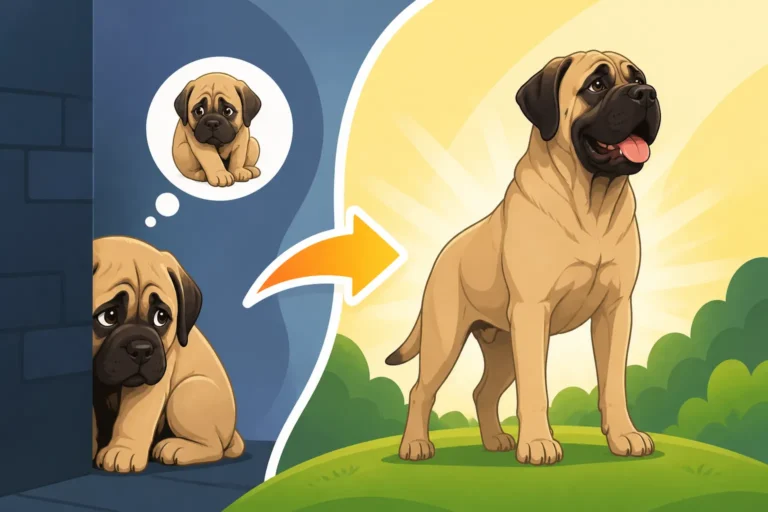
The key is to keep these exposures positive and brief, always ending on a good note. If your Mastiff shows signs of being overwhelmed, gently remove them from the situation. The goal is not to force them to love everything, but to teach them that the world is generally a safe and interesting place, and that you are their reliable guide. A Mastiff that feels secure in its surroundings and trusts its handler is far less likely to become an immovable object out of fear or uncertainty. Lack of early socialization can lead to an adult Mastiff that is wary of strangers or new situations, leading to those frustrating sudden stops.
Managing Expectations and Embracing the Pace
Walking a Mastiff is a unique experience. It's not a brisk jog or a high-energy trek. It's often a meandering, deliberate journey that requires a shift in your own expectations. Embracing their natural pace and setting realistic goals will make walks more enjoyable for everyone.
Realistic Walk Lengths and Frequencies
Forget about marathon training with your Mastiff. These majestic giants are not built for endurance. Their large size and substantial weight put considerable strain on their joints, and excessive exercise, especially on hard surfaces, can exacerbate conditions like Elbow Dysplasia Affects One Mastiff in Seven or hip dysplasia. Even as puppies, The Mastiff Puppy You Are Not Allowed to Exercise vigorously because their bones and joints are still developing.
For adult Mastiffs, short, frequent walks are generally preferable to one long, exhaustive outing. Aim for two or three 20-30 minute strolls per day rather than a single hour-long hike. The actual length will depend on your individual Mastiff's age, fitness level, and the weather. On hot days, walks should be even shorter and occur during the coolest parts of the day, as Why Bulk Makes a Mastiff Overheat is a serious concern.
Think of walks less as a cardio workout for you and more as an opportunity for mental stimulation and controlled exploration for your Mastiff. Allowing them time to sniff and investigate their surroundings is just as important as covering distance. These sniffing opportunities provide immense mental enrichment, helping to tire them out mentally even if they haven't run miles. Remember, Why One Hour a Day Is Enough for a Mastiff isn't just a suggestion; it's often a necessity for their long-term health and well-being.
The Importance of Patience and Consistency
If there's one trait you need in spades when owning a Mastiff, it's patience. Their deliberate nature means everything takes a little longer, including training. You won't see instant results, and there will be days when you feel like you're taking two steps forward and one step back. But consistency is your superpower.
Every walk, every training session, needs to follow the same rules and cues. If you're inconsistent, sometimes allowing them to stop indefinitely and other times trying to force them, your Mastiff will get confused. They are smart, but they thrive on routine and clear expectations. If "let's go" always means "move forward for a treat," they will learn it. If it sometimes means "I guess we'll just stand here," the lesson becomes muddled.
Patience also means not getting frustrated when they stop. Your Mastiff can sense your mood, and if you become agitated, they are more likely to dig in their heels. A calm, consistent, and positive demeanor from you will encourage a more cooperative response from them. It means celebrating the small victories – the one time they moved on after only a few seconds, or the day they voluntarily walked past a distracting squirrel. Over time, these small successes build into reliable behavior. Remember that Whether a Mastiff Forgives a Correction or a bad experience can take time, reinforcing the need for gentle, consistent handling.
| Challenge | Ineffective Approach | Effective Approach | Benefits |
|---|---|---|---|
| Sudden Stop | Pulling, yanking, yelling | Stop, use "let's go," lure with treat, wait it out | Reduces stress, builds trust, encourages cooperation |
| Leash Pulling (gentle) | Constant tugging | Front-clip harness, redirection, rewarding loose leash | Prevents opposition reflex, better control, less strain |
| Distractions | Forcing past, punishing attention | High-value treats for redirection, gradually increase exposure | Builds confidence, positive associations, better focus |
| Lack of Motivation | Giving up, making walks shorter | Make yourself interesting, vary routes, sniff breaks | Mental enrichment, sustained interest in walks |
| Overheating/Fatigue | Pushing onward | Shorten walks, walk during cool times, provide water | Prevents health issues, teaches self-advocacy (stopping) |
Advanced Tips and Troubleshooting
Even with the best preparation and consistent training, there will be days when your Mastiff tests your limits. For those moments, or when you feel truly stuck, knowing when and how to seek additional help can be invaluable.
Working with a Professional Trainer
If you've consistently applied positive reinforcement techniques and still find yourself battling the "immovable object" syndrome, it might be time to call in a professional. Whether a Mastiff Needs a Professional Trainer is often yes, especially for first-time giant breed owners. A qualified trainer specializing in large breeds can offer an objective perspective and tailor a plan specifically for your Mastiff's unique personality and challenges. They can identify subtle cues you might be missing, or suggest alternative strategies that resonate better with your dog.
Look for a trainer who uses positive reinforcement methods and has experience with giant breeds. Avoid anyone who suggests harsh corrections, punitive tools like prong collars or e-collars for stopping behavior, as Why Harsh Correction Ruins a Mastiff is well-documented. A good trainer will help you understand why your Mastiff is stopping and work with you to build confidence and motivation, rather than simply suppressing the behavior through fear. They can also help with leash skills in general, such as Whether a Mastiff Pulls on a Leash which might contribute to a general reluctance to move forward. Sometimes, just a few sessions can provide breakthroughs and give you the confidence and tools you need to continue training effectively on your own.
Dealing with Environmental Triggers
Sometimes, your Mastiff's stopping behavior is directly linked to specific environmental triggers. This could be anything from the neighbor's yappy Chihuahua to the loud recycling truck, or even just a particularly strong gust of wind. Identifying these triggers is the first step in addressing them.
Keep a mental note, or even a literal log, of when and where your Mastiff tends to stop. Is it always at the same busy intersection? Only when they see another dog? Just when a certain type of vehicle passes? Once you identify patterns, you can develop a strategy.
- Avoidance (initially): When first working on this, try to avoid known triggers. This allows you to build confidence in less stressful environments.
- Gradual Exposure & Desensitization: Once your Mastiff is doing well in controlled settings, slowly introduce them to triggers from a distance. If the trigger is other dogs, for instance, start by walking far enough away that your Mastiff notices the other dog but doesn't react strongly by stopping. Reward calm observation. As they remain calm, gradually decrease the distance over many sessions.
- Counter-Conditioning: Pair the trigger with something highly positive. For example, every time the noisy recycling truck comes by (from a safe distance), immediately start feeding your Mastiff high-value treats. The goal is to change their emotional response from "scary truck = stop" to "scary truck = delicious food!"
- Change Route: If a particular route is consistently problematic due to an unavoidable trigger, consider finding an alternative. Sometimes, a change of scenery is all it takes to reset the walking routine.
- Gear for Focus: A comfortable, well-fitting harness with a front clip can help you gently redirect attention. For high-distraction environments, having a pouch full of super enticing treats from brands like those available on Amazon can be a lifesaver for grabbing attention.
Remember, every Mastiff is an individual, and what works for one might not work for another. Stay patient, stay positive, and celebrate every tiny step forward – literally!
Disclaimer
This article is for general informational purposes only and does not constitute professional advice. Laws, prices and regulations vary by location and change over time. Consult a qualified professional for guidance on your specific situation.