Whether a Mastiff Costs More Than a Newfoundland
Bringing a magnificent giant into your home is a dream for many, but the practicalities, especially the financial ones, can quickly become a concern. If you've found yourself caught between the majestic Mastiff and the gentle, shaggy Newfoundland, you're likely wrestling with the big question: which one will truly impact your budget more over their lifetime? This guide will dive deep into the various expenses you can expect, helping you understand the real costs behind these two incredible, but very different, large breeds.
The Initial Investment: Puppy Price, Adoption, and Breeder Quality
When you first start looking for a Mastiff or a Newfoundland, the initial price tag for a puppy from a reputable breeder might seem substantial for both, and for good reason. Responsible breeding involves significant investment in health testing, quality care, and proper socialization, all of which contribute to the puppy's well-being and, consequently, its price.
Breeder Costs and Health Clearances
Reputable Mastiff breeders invest heavily in health clearances for their breeding stock, including hip and elbow evaluations, cardiac exams, and eye certifications. They also often perform DNA tests for conditions like progressive retinal atrophy and cystinuria type III. These tests are essential to minimize the risk of passing on genetic health issues, but they add to the cost of each puppy. A similar commitment to health testing is seen in responsible Newfoundland breeders, who screen for hip and elbow dysplasia, cardiac issues like subvalvular aortic stenosis, and cystinuria. These proactive measures mean that while the initial price might be higher, you're potentially saving on significant veterinary bills down the line. It’s not just about the cost of the puppy, but the investment in its future health. You can learn more about these initial costs by considering The CHIC Four Plus the DNA Stack Behind a Mastiff's Price.
Deciding Between a Breeder and Rescue
Of course, the breeder route isn't the only way to find your giant companion. Adopting a Mastiff or a Newfoundland from a rescue organization can sometimes be a more budget-friendly option initially, with adoption fees typically covering spay/neuter, vaccinations, and microchipping. However, rescue dogs, especially large breeds, may come with unknown histories or pre-existing conditions that could lead to unexpected expenses. Rescues do their best to provide thorough health evaluations, but you might still face a learning curve regarding any specific needs your adopted giant might have. While the upfront fee is often lower, you should still prepare for potential future health needs, especially with giant breeds.
Ongoing Daily Care: Food, Supplies, and Grooming Needs
Once your gentle giant is home, the daily costs really start to add up. Both Mastiffs and Newfoundlands are enormous dogs, and their sheer size means everything from food to bedding comes with a "giant breed" price tag. This is where you'll see some of the most consistent differences in your monthly budget.
Fueling a Giant Appetite
Both breeds are big eaters, but the sheer bulk of a Mastiff, often reaching well over 200 pounds, means they can sometimes out-eat even a large Newfoundland, though Newfies are no slouches in the food department either. Feeding a giant breed isn't just about quantity; it's about quality. A high-quality large-breed formula is crucial for their bone and joint health, especially during their rapid growth phase as puppies. Skipping on quality to save a few dollars can lead to expensive health problems later. You might find yourself ordering giant bags of kibble from online retailers like Chewy, or exploring fresh food options like Ollie, particularly if your dog develops sensitivities. What Feeding a Two Hundred Pound Mastiff Costs a Month is a number that can surprise many new owners.
Consider this: A 40-pound bag of premium giant breed kibble might last a smaller dog for months, but for a full-grown Mastiff, it could be gone in two to three weeks, sometimes even less. Newfoundlands, with their thick coats and active dispositions (though Mastiffs are generally more laid back), also require substantial caloric intake. When comparing the two, a Mastiff might have a slightly higher food bill purely due to its potential for greater lean muscle mass and overall weight.
Essential Supplies: Beds, Bowls, and Beyond
Everyday items need to be supersized for these breeds. A standard dog bed will be quickly overwhelmed by a Mastiff or a Newfoundland. You'll need durable, orthopedic beds designed to support their massive joints, and let's be realistic, you'll likely go through a few over their lifetime. A bed that holds a Mastiff can be a significant investment. Similarly, indestructible food and water bowls, heavy-duty leashes, and collars are essential. Even toys need to be robust enough to withstand the jaws of a Mastiff or a playful Newfoundland. You'll also need a large crate if you choose to crate train, which will need to be sturdy and spacious.
Grooming: A Tale of Two Coats
This is where the breeds diverge significantly in terms of ongoing cost and effort.
- Mastiff Grooming: A Mastiff's short, dense coat is often perceived as low-maintenance, and in many ways, it is. They don't require professional grooming for haircuts or de-shedding treatments. Regular brushing with a rubber curry comb helps manage shedding and keeps their coat healthy. However, Mastiffs have characteristic wrinkles and folds that need regular cleaning to prevent skin infections. Their drool is also legendary, requiring constant cleanup of floors, furniture, and walls. While you might save on professional grooming, you'll spend more on cleaning supplies and time. The Wrinkles and Folds a Mastiff Owner Cleans Every Week are a significant care point.
- Newfoundland Grooming: The Newfoundland, with its thick, double coat, is a different story entirely. They shed extensively, require regular, thorough brushing to prevent mats, and benefit immensely from professional grooming. Their coat is designed to protect them in cold water, but it needs consistent care to stay healthy and clean. Many Newfoundland owners opt for professional grooming every 6-8 weeks, which can be a substantial expense. While Newfoundlands drool less than Mastiffs, they still produce their share of slobber and can track in mud and water with their dense fur.
Table: Comparative Daily Care Costs (Estimates based on breed needs)
| Cost Category | Mastiff (Approximate Monthly Impact) | Newfoundland (Approximate Monthly Impact) | Notes |
|---|---|---|---|
| Food | High | High | Mastiffs may consume slightly more due to larger average size. Both need high-quality giant breed formulas. |
| Supplies | High | High | Orthopedic beds, large crates, durable toys, leashes for both. |
| Grooming (DIY) | Moderate (wrinkle cleaning, brushing) | High (extensive brushing, de-shedding) | Mastiffs: Wipes/solutions for folds. Newfoundlands: High-quality brushes, de-shedding tools. |
| Grooming (Pro) | Low (occasional nail trims) | High (regular professional cuts/deshedding) | Newfoundlands often require professional services to maintain their coat. |
| Cleaning Supplies | High (drool cleanup) | Moderate (some drool, mud/water) | Mastiffs are notorious for drool, requiring frequent cleaning. |
| Joint Supplements | Moderate to High | Moderate to High | Both breeds benefit from proactive joint care due to size and predisposition to joint issues, potentially from a young age. |
Veterinary and Health Costs: When Size Magnifies Everything
This is perhaps the most significant area where the costs for giant breeds, including both Mastiffs and Newfoundlands, can truly skyrocket. Their size, combined with breed-specific health predispositions, means veterinary care often comes with a higher price tag.
General Vet Visits and Preventative Care
For routine check-ups, vaccinations, and parasite preventatives, both breeds will typically sit in the highest weight bands, meaning larger doses of medication and thus higher costs. Why a Mastiff Sits in the Top Weight Band for Every Preventive is a reality you'll face from the start. A simple heartworm preventative for a 200-pound dog is going to cost more than for a 20-pound dog. This applies to flea and tick treatments, deworming, and even certain antibiotics.
Breed-Specific Health Concerns
Both breeds have a list of potential health issues that can be incredibly costly to manage.
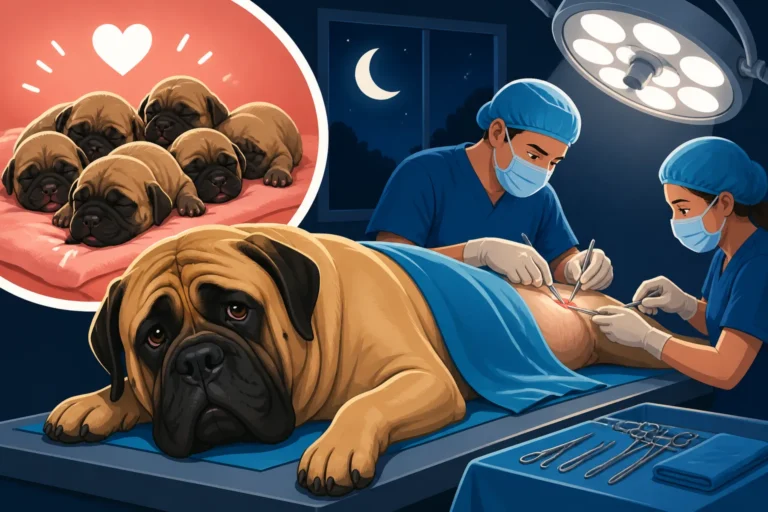
- Mastiffs: They are prone to hip and elbow dysplasia, eye conditions like progressive retinal atrophy, certain cancers (osteosarcoma and lymphoma are unfortunately common), and bloat (gastric dilatation-volvulus), which is a life-threatening emergency requiring immediate surgery. Bloat in the Deepest Chest of Any Breed: the Mastiff is a constant concern for many Mastiff owners. Prophylactic gastropexy surgery, often done at the time of spay or neuter, can prevent the stomach from twisting, but it's an added expense. They also can be prone to eyelid issues like entropion and ectropion.
- Newfoundlands: Similarly, Newfoundlands face hip and elbow dysplasia, a severe heart condition called subvalvular aortic stenosis (SAS), cystinuria (a kidney stone condition), and also bloat. Their thick coats can also lead to skin issues if not properly groomed. Cardiac evaluations are paramount for Newfies, and ongoing monitoring if SAS is detected can be expensive.
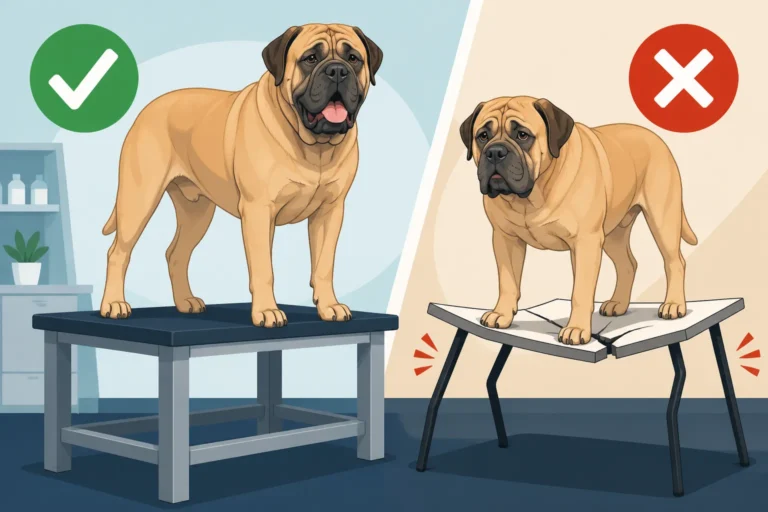
When these conditions arise, the cost of treatment is magnified by their size. More anesthesia is needed for surgery (How Much Anesthetic a Two Hundred Pound Mastiff Takes), larger doses of medication are prescribed, and specialized equipment might be required for diagnostics and treatment. Imaging, such as X-rays or MRIs, can be more complex due to their sheer mass. What a Mastiff's Weight Does to Every Line on the Vet Invoice is a harsh reality.
The Lifespan Factor
Mastiffs generally have a shorter lifespan compared to many breeds, often living only 6 to 10 years, which means you might face end-of-life care expenses sooner. Newfoundlands typically live slightly longer, around 8 to 10 years, though still shorter than many smaller breeds. A shorter lifespan can feel like you're compressing more expenses into fewer years, making the annual cost seem higher. Consider Why a Mastiff Only Gets Six to Ten Years.
Pet Insurance: A Giant Breed Necessity
Given the potential for significant health issues and the high cost of veterinary care for large dogs, pet insurance becomes less of a luxury and more of a necessity for both Mastiff and Newfoundland owners. Providers like Healthy Paws offer policies that can help offset unexpected costs, but even premiums for giant breeds will be higher. You’ll need to research coverage carefully, looking at deductibles, reimbursement percentages, and annual limits, as some policies may not cover certain hereditary conditions if not purchased early. It's truly an investment in peace of mind. What Insuring a Mastiff for Its Six to Ten Years Costs can be substantial but often proves invaluable.
Hidden Costs and Lifestyle Adjustments
Beyond the obvious expenses, owning a giant breed like a Mastiff or a Newfoundland often comes with a host of less apparent costs and lifestyle adjustments that can impact your finances.
Space Requirements and Home Modifications
Both breeds need space, not just inside your home, but often in your vehicle. A Mastiff or a Newfoundland simply won't fit comfortably in a compact car. You might find yourself needing a larger SUV or truck, or at least a vehicle with ample cargo space for transport. Whether a Mastiff Fits in a Sedan is a common question with an obvious answer. Ramps for vehicles are often necessary to protect their joints when entering and exiting, an added expense that protects a much larger expense later. Inside the home, larger dog beds, bigger crates, and durable flooring are often requirements. Bare hardwood floors can be detrimental to their joints, leading to a need for runners or area rugs throughout the house.
Travel and Boarding
Traveling with a giant breed is complicated and often expensive. Many airlines have restrictions or outright refuse to transport very large dogs, especially brachycephalic (short-nosed) breeds like some Mastiffs, due to health risks. This means road trips are often the only option, which can add wear and tear to your vehicle and increase gas costs. Finding boarding kennels that can accommodate a Mastiff or a Newfoundland's size and specific needs can also be a challenge, and daily rates for giants are typically higher. If you opt for a pet sitter, ensure they are physically capable of handling a dog of this magnitude.
Training and Socialization
While not strictly a "cost" in the same vein as food or vet bills, investing in early training and socialization is paramount for these powerful breeds. A well-trained Mastiff or Newfoundland is a joy; an untrained one can be a liability. Puppy classes, private trainers, and continuous positive reinforcement are critical, especially when dealing with a dog that can easily outweigh an adult human. This investment in time and potential professional help can save money and heartache in the long run by preventing behavioral issues that could require even more expensive interventions or, worse, lead to rehoming. Teaching a Mastiff Before It Outweighs You is a vital concept for new owners.
Drool, Shedding, and General Wear and Tear
While Mastiffs are infamous for their drool, Newfoundlands also contribute their share of slobber, especially after drinking. This means more cleaning, more laundry (bibs, towels, bedding), and potentially accelerated wear on furniture and walls. Their sheer presence, even when well-behaved, can lead to scuffs, scratches, and general wear on your home that might not occur with a smaller, lighter dog. These aren't line items on a vet bill, but they certainly add to the overall cost of ownership over time.
Ultimately, while both the Mastiff and the Newfoundland represent a significant financial commitment due to their size and needs, the difference in total cost over their lifetime is often negligible. Both will demand a substantial investment in high-quality food, comprehensive veterinary care, and robust supplies. The main divergence comes down to specific ongoing care: Mastiffs demand more attention to wrinkle cleaning and drool management, while Newfoundlands require more intensive and potentially professional grooming for their dense coats. For either majestic breed, preparing for the financial realities is just as important as preparing your heart.
Disclaimer
This article is for general informational purposes only and does not constitute professional advice. Laws, prices and regulations vary by location and change over time. Consult a qualified professional for guidance on your specific situation.