How Far Ahead a Mastiff Litter Is Spoken For
Bringing a Mastiff puppy into your home is an incredibly exciting prospect, but many prospective owners are surprised by the reality of finding one. It’s not like walking into a pet store and picking one out on a whim. The truth is, reputable Mastiff litters are often spoken for long before the puppies are even conceived, let alone born. This guide will walk you through just how far in advance you might need to plan, and what goes into securing your place for one of these magnificent giants.
The Reality of Waiting Lists for Mastiff Puppies
The idea of a waiting list might seem daunting, especially if you're eager to welcome a furry giant into your family as soon as possible. However, for anyone seeking a healthy, well-tempered Mastiff from a responsible breeder, understanding and embracing these waiting lists is absolutely essential. They exist for very good reasons and are often a sign that you're dealing with a breeder who truly prioritizes the well-being of their dogs.
The Lowdown on Ethical Mastiff Breeding
Ethical Mastiff breeders aren't running puppy mills; they are dedicated individuals who invest immense time, effort, and resources into their breeding programs. This isn't just about mating two dogs; it involves extensive health testing for both parents, meticulous pedigree research, careful temperament assessment, and often, showing their dogs to ensure they meet breed standards. They typically breed only a few litters a year, sometimes less, ensuring each litter receives maximum attention and proper socialization from day one. This limited, intentional approach means that puppies are a precious commodity, not a mass-produced product.
Consider the commitment required: breeders are testing for things like hip and elbow dysplasia, cardiac health, and eye conditions, which are all vital for a giant breed. They'll also run specific DNA tests for conditions like Progressive Retinal Atrophy (PRA) and Cystinuria Type III. If you're wondering about the full suite of health checks, take a look at The CHIC Four Plus the DNA Stack Behind a Mastiff's Price and The CHIC Tests Both Mastiff Parents Must Clear. This comprehensive health screening is costly and time-consuming, but it’s crucial for reducing the risk of devastating health issues in your future puppy. It’s a huge part of what differentiates a reputable breeder from a backyard breeder.
The High Demand for Healthy Lines
Because of the relatively small number of truly ethical Mastiff breeders and the extensive work they put into each litter, the demand for their puppies far outstrips the supply. People who are educated about the breed understand the importance of health clearances and good genetics, knowing that a healthy start can prevent heartache and astronomical vet bills down the line. This understanding creates a robust demand for puppies from proven lines. Families often seek specific temperaments too – a gentle giant that will be a loving family companion, not one prone to anxiety or aggression.
When a breeder announces a planned litter, especially one from a well-regarded pairing, word spreads quickly among the Mastiff community. Many potential buyers are already known to the breeder, having established a relationship over months, or even years, prior to a breeding even taking place. They might have met the parent dogs at shows, attended open days, or had extensive phone conversations. This pre-existing connection often means that most, if not all, of the puppies are reserved before their paws even touch the ground. This demand underscores why buying an untested or "cheap" Mastiff puppy is a gamble that rarely pays off in the long run. If you find a breeder with no waiting list, or who can offer you a puppy immediately, it should raise a significant red flag. You might want to ask yourself Whether an Untested Mastiff Litter Is Worth Buying.
Factors Influencing Wait Times
So, how long is "far ahead"? The answer isn't a simple one, as several key factors play into how long you might wait to bring home your Mastiff puppy. It could be anywhere from a few months to over a year.
The Impact of Health Testing and Pedigree
The most significant factor influencing wait times is the breeder's commitment to health testing and the overall quality of their breeding program. Breeders who perform all recommended health clearances through organizations like the Orthopedic Foundation for Animals (OFA) and conduct genetic testing for breed-specific diseases are few and far between. These extensive tests, combined with carefully selected pedigrees, lead to puppies with a higher likelihood of long-term health and sound temperament. Naturally, these litters are in high demand, and the breeders typically have long lists of pre-approved homes.
Imagine a breeder who ensures both parents have excellent hip and elbow scores, clear cardiac exams, and current eye certifications, and have been DNA tested for relevant genetic conditions. They are essentially offering you a much stronger guarantee of a healthy companion. This meticulous approach means less frequent breeding, as suitable, fully-tested breeding pairs aren't always available at a moment's notice. The wait time for such a puppy is a direct reflection of the breeder's dedication and the value they place on each puppy's future. It's an investment in your peace of mind and your future dog's quality of life.
Specific Preferences and Limited Litters
Another major factor is how specific you are about your preferences. If you're set on a particular gender, color (like a fawn or apricot, or a brindle), or even a specific temperament profile, your wait could be considerably longer. Breeders strive to match puppies to homes based on temperament and lifestyle, but they can't control how many males or females, or what specific colors, a litter will produce. A litter might have a majority of one sex or color, leaving fewer options for those with very specific requests. If you're open to either sex and any standard color, your chances of getting a puppy sooner might increase.
Furthermore, a breeder might only have one or two breeding females, and these females might only have a litter every 18-24 months to allow for proper recovery and ensure their health. This natural biological limit means a finite number of puppies are produced each year by responsible breeders. If you're looking for a puppy from a breeder with a specific bloodline or a track record of producing dogs with traits you admire, be prepared that their breeding schedule might be infrequent. Some breeders also have strong relationships with other reputable breeders and might recommend you to a colleague if their own lists are too long, or if they don't anticipate a suitable puppy for you in the near future.
Navigating the Reservation Process
Once you've found a reputable breeder whose philosophy aligns with yours, the next step is typically to get on their waiting list. This isn't just a casual "put my name down" scenario; it usually involves a formal application and a financial commitment.
Understanding Deposits and Contracts
Most reputable Mastiff breeders require a non-refundable deposit to secure your place on a waiting list or to reserve a specific puppy once a litter is born. This deposit serves a few purposes: it shows serious commitment from you, helps the breeder cover some of the initial costs of breeding (which are substantial), and helps them gauge genuine interest. The amount can vary, but it's typically a portion of the total purchase price of the puppy. You can learn more about this in What a Mastiff Breeder Asks to Hold a Puppy.
Along with the deposit, you will almost certainly be asked to sign a comprehensive contract. This document is incredibly important for both you and the breeder. It outlines the health guarantees for the puppy, what happens if the puppy cannot be placed with you (e.g., if there aren't enough puppies or the temperament isn't a match), expectations for future care, and often, a spay/neuter clause for pet-quality puppies. It's a legally binding agreement that protects everyone involved. Make sure you read and understand every clause. It’s also wise to check what the contract says about common Mastiff health issues, such as those related to eyes or elbows. For instance, How Long a Mastiff Health Guarantee Actually Runs can vary widely, and it's essential to know what to expect.
Maintaining Communication with Your Breeder
Being on a waiting list isn't a passive activity where you just wait for a phone call one day. It's an opportunity to build a relationship with your breeder. Regular, respectful communication is key. They'll appreciate updates on your living situation, any changes in your family, or questions you might have as you prepare for your new arrival. They might even invite you to visit their facility (if local and practical) to meet their adult dogs and see their setup. This helps them get to know you better, which is crucial when they are trying to determine How a Mastiff Breeder Matches a Puppy to a Home.
Conversely, expect your breeder to keep you informed. They should provide updates on planned breedings, confirmed pregnancies, and eventually, the birth of the litter. They might send photos and videos as the puppies grow, and discuss individual puppy temperaments to help you make an informed choice when it's time to pick your specific puppy. This ongoing dialogue ensures transparency and helps you feel more connected to the process, making the waiting period a part of the exciting journey rather than a frustrating delay.
What to Do While You Wait
Waiting for your Mastiff puppy can feel like an eternity, but it's actually a golden opportunity to prepare thoroughly for their arrival. This preparation is especially vital for a giant breed like the Mastiff, which has unique needs and costs.
Preparing Your Home and Heart
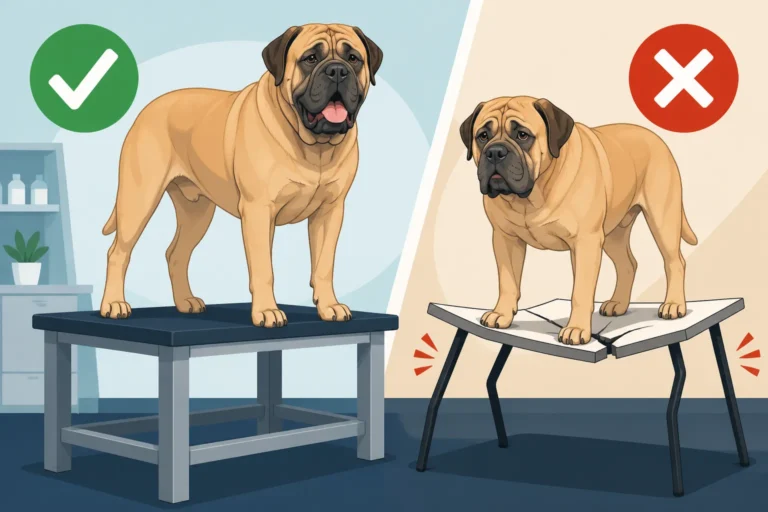
While you wait, take the time to truly puppy-proof your home. Think big: a Mastiff puppy will quickly grow into a giant, so anything within reach will be fair game. Secure cabinets, move valuable items, and consider safe zones for your puppy. This also includes thinking about your flooring; Mastiffs, especially puppies, can struggle with traction on slippery surfaces. You might want to invest in runners or rugs to provide grip and protect their developing joints.
Beyond the physical space, prepare your heart and your family. Educate everyone about the breed's specific temperament – their gentle nature, but also their independent streak and potential for stubbornness. Understand that a Mastiff puppy will require consistent, positive reinforcement training from day one, not just to teach commands, but to instill good manners before they outweigh you. If you're curious about a Mastiff's unique growth and training needs, consider reading The First Year With a Mastiff Puppy That Doubles in Size or The Mastiff Puppy You Are Not Allowed to Exercise. This waiting period is a fantastic time to absorb all the knowledge you can, from reputable books and online resources.
Essential Puppy Supplies and Early Care Planning
This is where planning truly pays off. Start researching and budgeting for the specialized items a giant breed requires. A crate for a Mastiff isn't just a standard dog crate; it needs to be enormous and sturdy, capable of holding a dog that will easily reach 150-200+ pounds. Similarly, beds, bowls, and collars will need to be XL or custom-sized. Sites like Chewy can be excellent resources for finding these giant-breed-specific items, often at competitive prices, and they'll deliver right to your door, which is a huge bonus when dealing with bulky items.
| Item Type | Standard Dog (e.g., Labrador) | Mastiff Puppy (Early Stage) | Adult Mastiff (Full Size) |
|---|---|---|---|
| Crate Size (Length) | 36-42 inches | 42-48 inches | 54 inches or custom |
| Food Bowl (Capacity) | 2-4 cups | 6-8 cups | 10-12+ cups |
| Bed Size | Medium to Large | Large to X-Large | Giant (Orthopedic Recommended) |
| Collar (Neck Size) | 16-22 inches | 20-28 inches | 26-34+ inches |
| Leash (Strength) | Standard nylon/leather | Heavy-duty nylon/leather | Heavy-duty, industrial strength |
| Toys | Durable, standard size | Large, nearly indestructible | Extra-large, extremely durable |
Don't forget the food! Mastiff puppies have very specific dietary needs to support their rapid, yet controlled, growth. You'll need to understand How Much a Mastiff Puppy Should Eat and why a slow growth rate is paramount for their skeletal development. Giant breed puppy food is often recommended, formulated to have specific protein and calcium levels. While some owners explore options like fresh food delivery services, keep in mind that the sheer volume required for a Mastiff can make this cost-prohibitive. For instance, brands like Ollie offer fresh food, but for a Mastiff, the monthly subscription would be substantial due to their caloric needs.
Lastly, and critically, think about the long-term health costs. Mastiffs, despite careful breeding, are prone to certain health conditions, and vet bills for a dog of their size can be staggering. This is a great time to research pet insurance providers, such as Healthy Paws, to understand coverage options and costs. Getting coverage in place before any issues arise is vital. Proactive planning for health, nutrition, and essential supplies will make the transition much smoother for both you and your new gentle giant.
Disclaimer
This article is for general informational purposes only and does not constitute professional advice. Laws, prices and regulations vary by location and change over time. Consult a qualified professional for guidance on your specific situation.