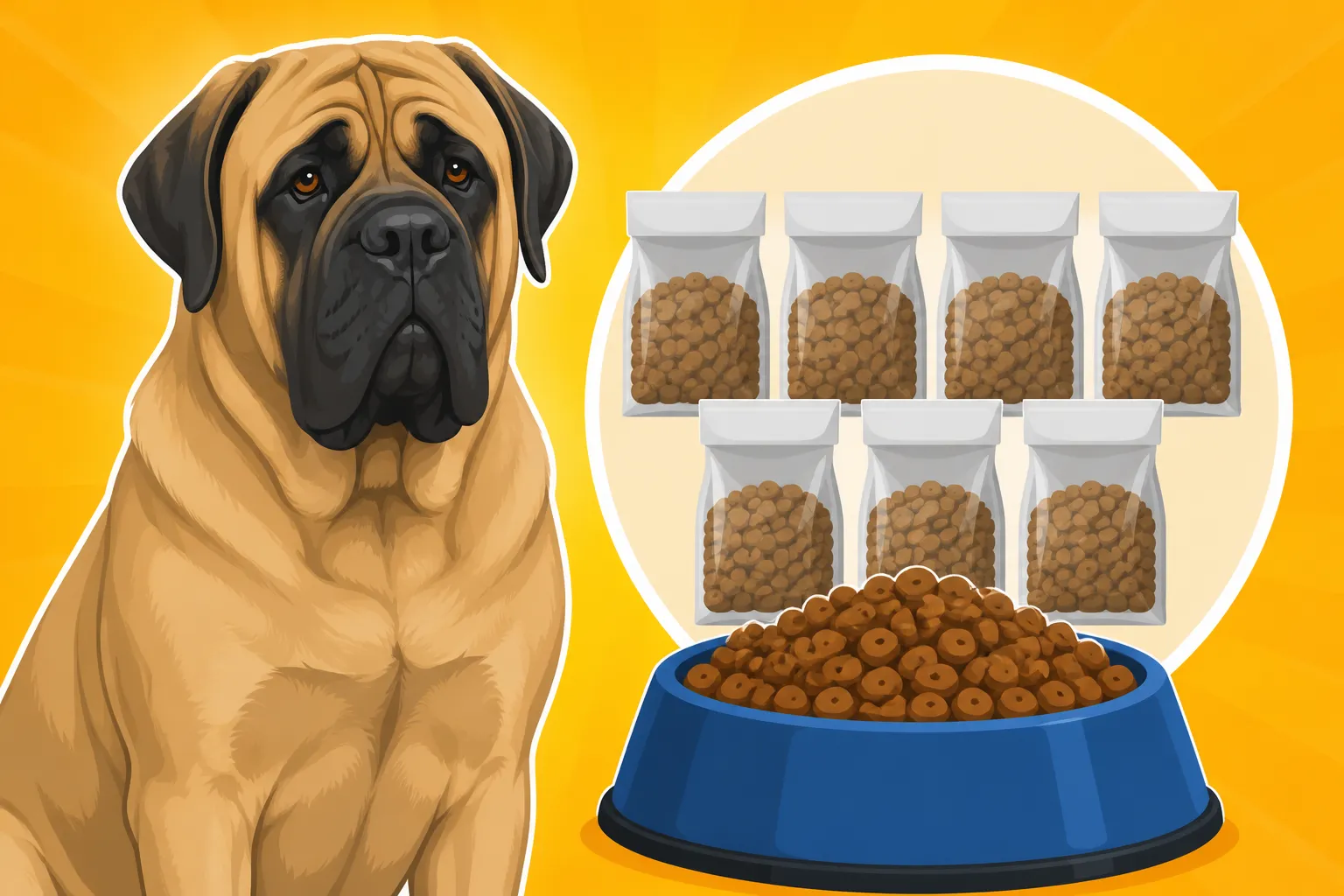
How Many Pounds of Kibble a Mastiff Eats in a Week
One of the biggest eye-openers for new Mastiff owners, or those just dreaming of welcoming one of these magnificent giants into their home, is the sheer volume of food they consume. It's not just about filling a bowl; it's about understanding that feeding a Mastiff is a significant commitment, both in terms of daily logistics and ongoing budget. This guide will walk you through the realistic expectations for how much kibble your Mastiff will need each week, delving into the factors that influence their appetite and how to manage this substantial aspect of their care.
Understanding Your Mastiff's Caloric Needs
Before we dive into specific poundage, it’s crucial to understand that a Mastiff’s food intake isn't a one-size-fits-all equation. Just like people, every Mastiff is an individual, and their caloric needs can vary significantly based on several key factors. Ignoring these can lead to either an underweight, undernourished dog or, more commonly, an overweight one, which can exacerbate the breed's already predisposed joint issues and shorten their already too-brief lifespan.
Age and Growth Stages
A Mastiff puppy, despite being smaller than an adult, has incredibly high caloric and nutritional demands because they are growing at an astonishing rate. Imagine a creature doubling and tripling in size in a matter of months! This intense growth period, which often spans well into their second year, requires a carefully balanced diet designed for large and giant breed puppies. These specialized formulas aim to support steady, controlled growth, which is absolutely vital to prevent developmental orthopedic diseases. Feeding too much, or food with an imbalanced calcium-to-phosphorus ratio, can be incredibly detrimental. You might think more food means faster growth and a bigger dog, but with Mastiffs, it often leads to disaster, putting immense strain on rapidly developing bones and joints. Remember, Why a Mastiff Puppy Must Grow Slowly.
Once they transition to adulthood, typically around 18-24 months of age, their growth plateaus, and their caloric needs shift. They still require a substantial amount of food to maintain their enormous body mass, but the focus moves from rapid growth to maintenance. Senior Mastiffs, often considered "old" by age five or six, might see a slight reduction in activity levels and metabolism, leading to a need for fewer calories, or a formula designed for aging giants. It’s a delicate balance to keep them lean and comfortable in their golden years.
Activity Levels and Metabolism
While Mastiffs are giant, they aren't generally known for being high-energy dogs. They're more often described as "couch potatoes" or "gentle giants," content with moderate exercise. A leisurely walk or a romp in the yard is usually sufficient. However, even within the breed, there are variations. A Mastiff who enjoys more active play, participates in dog sports, or has a higher natural energy level will burn more calories and consequently need more food than a particularly sedentary individual. Think about the difference between a Mastiff that spends most of its day napping and one that has a couple of energetic play sessions with other dogs; their energy expenditure will differ.
Metabolism also plays a role. Some Mastiffs are simply more efficient at utilizing nutrients, while others might burn through calories faster. This is often where you’ll hear owners say, "My Mastiff eats like a horse but stays lean," or "My Mastiff just looks at food and gains weight." It's important to observe your own dog's body condition closely – you should be able to feel their ribs without seeing them prominently, and they should have a discernible waist when viewed from above. Keeping a Mastiff lean is paramount for their long-term joint health, as extra weight puts undue stress on their massive frames. For more on this, you might find Keeping a Mastiff Lean on Purpose helpful.
The Weekly Kibble Haul: What to Expect
Let's get down to the numbers, keeping in mind these are estimates. The actual amount will depend heavily on the factors we just discussed, and the specific caloric density of the kibble you choose. Different brands and formulas have different calorie counts per cup or per pound. Always check the feeding guidelines on your chosen food bag, and then adjust based on your Mastiff's individual needs.
General Guidelines for Adult Mastiffs
For an adult Mastiff weighing anywhere from 120 to 230 pounds or more, a common guideline suggests approximately 6 to 10 cups of dry kibble per day. However, cups are variable based on density. When we talk about pounds, it becomes clearer.
A good quality giant breed kibble generally weighs around 3.5 to 4.5 ounces per cup. This means:
- Minimum daily: 6 cups x 4 ounces/cup = 24 ounces = 1.5 pounds
- Maximum daily: 10 cups x 4 ounces/cup = 40 ounces = 2.5 pounds
Translating this to a weekly total:
- Minimum weekly: 1.5 pounds/day x 7 days/week = 10.5 pounds of kibble
- Maximum weekly: 2.5 pounds/day x 7 days/week = 17.5 pounds of kibble
This means you could easily go through a large 30-pound bag of kibble in less than two weeks for one adult Mastiff. Some Mastiffs, especially those on the higher end of the weight spectrum or with slightly higher activity levels, might even push towards 20 pounds of kibble a week. It's a lot, isn't it? How Much an Adult Mastiff Eats by Weight Each Day dives deeper into daily measurements.
Puppy and Senior Mastiff Variations
Puppies: Mastiff puppies, especially during their most rapid growth phases (from 3 to 12 months), might consume an amount comparable to or even exceeding adult dogs for a period. A 6-month-old Mastiff puppy could easily be eating 8-12 cups of large breed puppy food a day, which could translate to roughly 14 to 21 pounds of kibble per week. The critical point for puppies isn't just quantity, but quality and controlled growth. The Feeding Chart a Mastiff Puppy Should Follow is essential reading here.
Seniors: An older Mastiff, typically over five or six years old, might experience a natural slowdown in metabolism and activity. If this happens, their caloric needs may decrease. Continuing to feed them the same volume of food they ate in their prime can lead to unhealthy weight gain, which is particularly hard on aging joints. You might find yourself reducing their weekly intake by a few pounds, shifting them to a senior-specific formula, or focusing on What Changes in an Old Mastiff's Bowl to ensure they're getting appropriate nutrition. Pay attention to changes in their appetite, as How a Mastiff's Appetite Changes After Neutering can also impact this.
Here's a simple estimated weekly kibble intake table:
| Mastiff Age/Weight Range | Estimated Daily Kibble (Cups) | Estimated Daily Kibble (Pounds) | Estimated Weekly Kibble (Pounds) |
|---|---|---|---|
| Puppy (3-12 months) | 8 – 12 cups | 2.0 – 3.0 lbs | 14 – 21 lbs |
| Adult (120-180 lbs) | 6 – 8 cups | 1.5 – 2.0 lbs | 10.5 – 14 lbs |
| Adult (180-230+ lbs) | 8 – 10 cups | 2.0 – 2.5 lbs | 14 – 17.5 lbs |
| Senior (Reduced Activity) | 5 – 7 cups | 1.25 – 1.75 lbs | 8.75 – 12.25 lbs |
Note: These are approximations. Always adjust based on your individual Mastiff's body condition, activity level, and the specific caloric density of their food.
Factors That Influence Kibble Consumption
It’s not just age and activity; several other elements contribute to how much kibble ends up in your Mastiff’s bowl each week. Being aware of these can help you fine-tune their diet and ensure they’re getting exactly what they need.
Quality and Caloric Density of Kibble
This is a big one. Not all kibble is created equal. A high-quality, nutrient-dense kibble designed for giant breeds often means your Mastiff might need less of it by volume or weight compared to a lower-quality food that contains more fillers. Think of it like human food: you'd eat a much larger volume of lettuce to get the same caloric and nutritional value as a smaller portion of a hearty stew.
A premium kibble, while potentially costing more per pound, might actually be more economical in the long run because your Mastiff needs less of it to feel full and meet their nutritional requirements. These foods are usually formulated to be easily digestible, meaning more nutrients are absorbed and less goes to waste. When considering Whether Giant Breed Kibble Is Worth Its Premium for a Mastiff, caloric density is a key factor. Brands like Purina Pro Plan, Royal Canin, or even some of the higher-end formulas available through retailers like Chewy often provide excellent giant breed specific nutrition.
Health and Individual Metabolism
A Mastiff with an underlying health condition might have altered caloric needs. For example, a dog recovering from surgery or illness might temporarily need more calories to aid healing, while one with a thyroid issue might need fewer to prevent weight gain. Always consult your veterinarian if you notice sudden changes in appetite or weight.
Beyond specific health conditions, each Mastiff has an individual metabolism. Some are naturally lean, burning through calories efficiently, while others are prone to putting on weight. This is where truly observing your dog and adjusting their food intake based on their body condition score becomes critical. Don't just follow the bag's recommendations blindly; use them as a starting point. Your vet can also help you assess your Mastiff's ideal weight range – something crucial, given that even a few extra pounds on a Mastiff can be significant for their joints and overall health. For males, The Weight Range a Male Mastiff Should Hold and for females, The Weight Range a Female Mastiff Should Hold are good benchmarks.
Treats and Supplementary Feeding
Remember that any treats, dental chews, or table scraps (though generally discouraged for Mastiffs due to their sensitive stomachs and bloat risk) contribute to their overall caloric intake. If you're giving a lot of treats, you might need to slightly reduce their kibble portions to prevent overfeeding. Training treats, especially, can add up quickly with a Mastiff puppy. It's easy to forget these "little" additions when calculating their main meal. Why a Mastiff Puppy Is Never Free Fed touches on the importance of controlled portions.
Consider the role of fresh food toppers or meal services. While this article focuses on kibble, some owners might supplement with fresh ingredients. If you're using a fresh food service like Ollie, for instance, you'd need to adjust their kibble portion accordingly to ensure a balanced diet and avoid overfeeding. It's all about total caloric intake, not just the kibble alone.
Managing the Kibble Mountain: Practical Tips
Now that you have a clearer picture of the sheer volume of food your Mastiff consumes, let's talk about the practicalities of managing this "kibble mountain." It's not just about the cost, but also about storage, sourcing, and making sure feeding time is smooth and safe for your gentle giant.
Bulk Buying and Sourcing Strategies
Given that a Mastiff can go through 10-20 pounds of kibble a week, purchasing small bags simply isn't feasible or economical. You’ll quickly find yourself making weekly trips to the pet store, which can be a real hassle when dealing with 30-40 pound bags. The best strategy is to buy in bulk. Look for the largest bags available, often 30-40 pounds, or even larger if your preferred brand offers them.
Many online retailers like Chewy offer auto-ship services and bulk discounts, delivering heavy bags right to your door. This not only saves you money but also your back. Setting up an auto-ship schedule ensures you never run out of food unexpectedly, a scenario no Mastiff owner wants to face with a hungry giant staring at them. Buying in bulk also ties into What Feeding a Two Hundred Pound Mastiff Costs a Month, helping you save where you can.
Storage Solutions for Large Quantities
Storing 30-40 pounds of kibble (or more if you buy multiple bags at once) requires proper planning. Simply leaving it in the original bag is usually not enough to keep it fresh and protected from pests. Airtight, food-grade storage containers are essential. Look for large plastic or metal bins with secure, locking lids. These containers help to:
- Maintain Freshness: Keep air and moisture out, preventing the kibble from going stale, losing nutrients, or developing mold.
- Prevent Pests: Deter rodents and insects from accessing the food.
- Contain Odors: Keep strong kibble smells from permeating your home.
You might need more than one container, especially if you buy two bags at a time to last a month. Consider dedicated pantry space or a corner of the garage, as long as it's a cool, dry area away from direct sunlight. Where a Mastiff Owner Stores a Month of Food offers more specific advice on this.
Budgeting for the Constant Demand
Let's be realistic: feeding a Mastiff is expensive. It's often one of the largest ongoing costs of ownership. Those 10-20 pounds a week translate to 40-80 pounds a month, easily consuming multiple large bags of food. Depending on the brand and quality, this can quickly add up.
It’s crucial to factor this into your overall budget before you bring a Mastiff home. Don't just budget for the initial puppy purchase; think about the long-term, ongoing expenses. Over their lifetime, the cost of food alone for a Mastiff is substantial. Being prepared for this constant demand means you can choose a quality food without stressing about the financial strain, ensuring your Mastiff gets the best possible nutrition. While not directly about kibble, understanding the broader financial picture, like The Full Cost of Eight Years With a Mastiff, helps put this expense into perspective.
Feeding a Mastiff is a significant undertaking, but it’s also one of the most fundamental ways we show love and care for these incredible dogs. By understanding their needs, preparing for the volume, and sourcing wisely, you can ensure your gentle giant remains happy, healthy, and well-fed for their precious Six to Ten Years Is What a Mastiff Gets.
Disclaimer
This article is for general informational purposes only and does not constitute professional advice. Laws, prices and regulations vary by location and change over time. Consult a qualified professional for guidance on your specific situation.