What Eyelid Surgery Costs on a Mastiff
It's heartbreaking to see your gentle giant uncomfortable, especially when it comes to something as vital and expressive as their eyes. Eyelid issues in a Mastiff aren't just cosmetic; they can cause significant pain, irritation, and even threaten their vision, leaving you searching desperately for solutions. This guide is here to walk you through what to expect when faced with the prospect of eyelid surgery for your beloved Mastiff, focusing on the various factors that contribute to the overall cost.
Understanding the Common Eyelid Conditions in Mastiffs Requiring Surgery
Mastiffs, with their wonderfully distinctive facial features and often abundant skin, are unfortunately prone to several specific eyelid conditions that often necessitate surgical intervention. These aren't just minor irritations; they can be incredibly uncomfortable and, if left untreated, lead to more severe problems.
Entropion and Ectropion: The Inward and Outward Rolls
Imagine having an eyelash constantly scratching your eye, or your eyelid drooping so much that it can't protect your eye from dust and debris. That's essentially what entropion and ectropion feel like for a Mastiff.
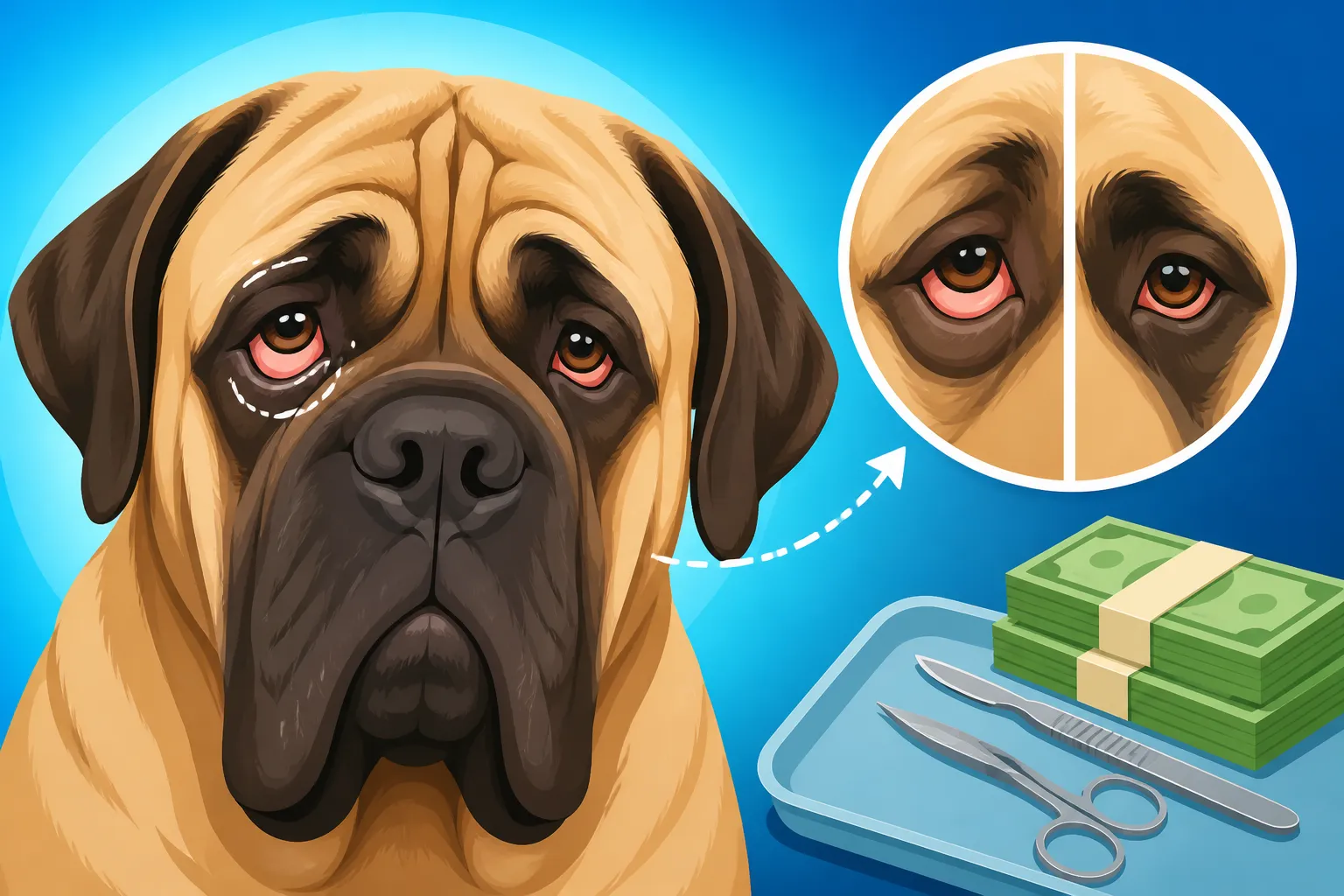
Entropion is when the eyelid, typically the lower one, rolls inward, causing the eyelashes and surrounding hair to rub against the cornea. This constant friction is excruciating and can lead to corneal ulcers, infections, and even vision impairment over time. You might notice your Mastiff blinking excessively, tearing up, or holding one eye partially closed. It's a condition that demands attention, as their comfort and eye health are severely compromised. Sometimes, a puppy might have a mild case that resolves as they grow, but more often, it requires surgery to correct the eyelid's position. You can learn more about this specific issue in Entropion and Ectropion in a Mastiff.
Ectropion, on the other hand, is when the eyelid sags or rolls outward, exposing the delicate conjunctiva (the pink tissue lining the inner eyelid) to the environment. While perhaps less immediately painful than entropion, an exposed conjunctiva is much more susceptible to irritation, dryness, and bacterial infections. It can give your Mastiff a perpetually sad or tired look, and you might notice chronic discharge or redness. Both conditions alter the protective function of the eyelids, which are crucial for maintaining eye health. The surgery for both aims to re-position the eyelids to a normal, functional state, often involving removing a small wedge of tissue or tightening the surrounding skin.
Cherry Eye: The Prolapsed Gland
Another common, albeit visually startling, eyelid issue in Mastiffs is "cherry eye." This occurs when the gland of the third eyelid (nictitating membrane), which is usually tucked neatly in the corner of the eye, prolapses or "pops out." It appears as a distinct red, cherry-like mass in the inner corner of your Mastiff's eye.
While it might look alarming, it's typically not painful in the way entropion is, but it does cause irritation and can obstruct vision. More importantly, this gland is vital for tear production, contributing a significant portion of the eye's lubricating tears. If left exposed, it can become inflamed, dry, and even damage the gland's ability to produce tears, leading to chronic dry eye later on. The traditional surgery for cherry eye involves tucking the gland back into its normal position, rather than removing it, to preserve its essential function. This is a common and usually successful procedure, and you can delve deeper into it with Cherry Eye in a Mastiff.
These conditions highlight why regular veterinary check-ups and paying close attention to your Mastiff's eyes are so important. Catching these issues early can sometimes lead to less invasive treatments or prevent further complications. For more general information about eye health, check out Eye and Eyelid Disease in a Mastiff.
Deconstructing the Cost: What Eyelid Surgery Bills Include
When your Mastiff needs eyelid surgery, it's not just a single "surgery fee." The total bill will be a compilation of several services, each contributing to the overall cost, reflecting the comprehensive care required for a successful outcome. Understanding these components can help you prepare financially.
Pre-operative Assessments and Diagnostics
Before any surgical procedure, especially on a large breed like a Mastiff, a thorough pre-operative assessment is paramount. This typically starts with a comprehensive physical exam by your veterinarian. They'll assess your Mastiff's overall health, specific eye condition, and discuss the surgical plan. This initial consultation fee is standard.
Beyond the physical exam, diagnostic tests are crucial. This usually includes blood work to ensure your Mastiff is healthy enough for anesthesia and to identify any underlying conditions that could complicate surgery or recovery. For Mastiffs, given their size and unique physiology, vets often run more extensive panels than for smaller breeds. In some cases, a specialist ophthalmologist might be consulted, adding another layer of consultation fees. If the eye itself has been affected by the eyelid condition, such as corneal ulcers from entropion, additional eye-specific diagnostics like fluorescein staining or Schirmer tear tests might be performed. These diagnostic steps are essential for safety and planning, but they do add to the initial financial outlay.
Anesthesia and the Surgical Procedure Itself
The cost of anesthesia for a Mastiff is a significant component of the total bill. Given their immense size and unique breed considerations, administering anesthesia to a Mastiff is more complex and requires more resources than for smaller dogs. Their deep chests and sheer body mass mean they need larger doses of medication, and precise monitoring is crucial throughout the procedure. How Much Anesthetic a Two Hundred Pound Mastiff Takes explains some of these challenges.
The surgical procedure itself will vary in cost depending on the specific condition being corrected and its severity. A simple cherry eye tuck might be less complex than a bilateral entropion correction involving significant tissue reshaping. Procedures can range from a quick tuck to more intricate wedge resections or lid tightening. Here’s a general overview of factors:
- Complexity: Is it a straightforward fix or does it require intricate reshaping?
- Unilateral vs. Bilateral: Is only one eye affected, or both? Operating on both eyes simultaneously will naturally incur higher costs.
- Surgeon's Expertise: A board-certified veterinary ophthalmologist will typically charge more than a general practitioner, but their specialized skill can lead to better outcomes, especially for complex cases.
- Time Under Anesthesia: Longer surgeries mean more anesthetic gas, more monitoring time, and therefore higher costs.
The actual surgical fee covers the surgeon's time, the use of the sterile operating room, and the specialized equipment required.
Post-operative Care and Medications
After the surgery, your Mastiff will need careful post-operative care, which also contributes to the cost. This includes:
- Medications: Your vet will prescribe pain relievers, anti-inflammatory drugs, and often antibiotics (oral or topical eye drops) to prevent infection and manage discomfort. The sheer size of a Mastiff means these prescriptions will be larger and therefore often more expensive than for a toy breed.
- E-collar (Cone of Shame): Essential to prevent your Mastiff from rubbing or scratching their surgical site, which could cause dehiscence (the wound opening up) or infection. While some are provided, you might opt for a softer, more comfortable version which adds to the cost. Chewy offers a wide variety of these, from traditional cones to inflatable collars, allowing you to find one that might make your Mastiff a bit more comfortable during recovery.
- Follow-up Appointments: Usually, one or more post-operative recheck exams are needed to monitor healing, remove sutures (if applicable), and ensure there are no complications. These visits are crucial for ensuring the success of the surgery and managing any issues that arise.
- Potential Complications: While rare, complications like infection, wound dehiscence, or the initial problem recurring can happen, leading to additional vet visits, medications, or even a second surgery. This is always a possibility to factor into your financial planning.
| Cost Component | Typical Inclusion | Impact on Mastiff Costs |
|---|---|---|
| Initial Consultation | Exam, diagnosis, treatment plan | Standard, but specialist consults add more. |
| Pre-Op Bloodwork | CBC, Chemistry panel | Higher medication doses for large breeds; more comprehensive panels for safety. |
| Anesthesia | Medications, monitoring, staff time | Significantly higher due to size, increased drug volume, specialized monitoring, and extended recovery time. See Why Anesthesia Is Riskier in a Mastiff. |
| Surgical Procedure | Surgeon's fee, operating room, equipment | Varies by condition (entropion, ectropion, cherry eye), complexity, and unilateral/bilateral. |
| Post-Op Medications | Pain relief, antibiotics, anti-inflammatories | Larger quantities needed due to body mass, leading to higher prescription costs. |
| E-collar | Prevention of self-trauma | Essential, costs vary by type and size. |
| Follow-up Exams | Rechecks, suture removal | Standard visits to ensure proper healing. |
| Specialized Food/Supplements | If needed for recovery/inflammation | Optional, but could be a factor for sensitive Mastiffs; platforms like Ollie or Chewy can supply. |
Factors That Inflate or Mitigate Eyelid Surgery Expenses
The sticker shock of a vet bill for a Mastiff can be substantial, and eyelid surgery is no exception. Several variables can significantly swing the final cost, so being aware of them helps you understand why prices might differ.
Geographical Location and Veterinary Practice Type
Just like human healthcare, veterinary costs are heavily influenced by where you live. Veterinary clinics in major metropolitan areas or affluent suburbs typically have higher overheads – rent, staff salaries, specialized equipment – which translate into higher service fees. A surgery performed in, say, downtown Los Angeles or Manhattan is likely to cost more than the same procedure in a rural town in Kansas.
Furthermore, the type of veterinary practice matters. A general practice veterinarian may charge less than a board-certified veterinary ophthalmologist. While a general vet can perform many common eyelid surgeries, a specialist brings advanced training, equipment, and experience, especially for complex or recurrent cases. For particularly intricate or delicate procedures on your Mastiff's eyes, a specialist's expertise might be invaluable, even if it comes with a higher price tag. Always consider the complexity of your Mastiff's issue and discuss the best course of action with your trusted general practitioner, who can often recommend a specialist if needed.
Severity of the Condition and Presence of Complications
The "how bad is it?" factor plays a huge role in the final bill. A mild case of entropion affecting only one eyelid, caught early, will generally be less expensive to correct than a severe, long-standing case affecting both eyes that has already led to corneal ulcers or chronic infections.
- Severity: Mild conditions may require less complex surgery, shorter anesthesia, and fewer follow-up appointments. Severe cases, however, might involve more intricate surgical techniques, longer operating times, and more intensive post-operative care, including specialized eye drops or ointments.
- Unilateral vs. Bilateral: If both eyelids require surgery (e.g., bilateral entropion), the costs will essentially double for the surgical time and materials, even if performed in the same session.
- Complications: Unfortunately, sometimes things don't go perfectly. Post-surgical complications like infection, wound dehiscence, or the recurrence of the condition can necessitate additional veterinary visits, medications, or even a revision surgery. This is why thorough post-operative care, diligent medication administration, and strict adherence to the vet's instructions are vital to minimize these risks and their associated costs.
Timing of Intervention and Preventative Care
Procrastination can be costly. Addressing eyelid issues promptly when they are first noticed can often lead to a less invasive, less complicated, and ultimately less expensive surgery. Waiting until the condition is advanced, your Mastiff is in constant pain, or secondary issues like corneal damage have developed will invariably increase the treatment cost and extend recovery time.
This underscores the importance of regular veterinary check-ups. A routine exam can spot these conditions early, often before they become severe. For Mastiffs, given their predisposition to certain eye conditions, discussing Whether a Mastiff Should Have a Yearly Eye Exam with your vet is a wise preventive measure. Early detection means less suffering for your Mastiff and potentially significant savings for your wallet.
Strategies for Managing the Financial Burden of Mastiff Eyelid Surgery
Let's be real, facing a significant vet bill for your beloved Mastiff can be incredibly stressful. These magnificent creatures bring so much joy, but their size also means that almost every veterinary procedure comes with a higher price tag than for a smaller dog. It’s part of The Mastiff's Short Life Buys the Biggest Bills. Thankfully, there are several ways to make these necessary treatments more manageable.
Pet Insurance: A Lifeline for Unexpected Costs
Pet insurance can be an absolute game-changer when it comes to covering unexpected medical expenses like eyelid surgery. Policies typically work by reimbursing you a percentage of your vet bill after you've met your deductible. The key, however, is to enroll your Mastiff before any symptoms of the condition appear. Pre-existing conditions are almost universally excluded by pet insurance providers.
Many providers offer plans that cover accidents and illnesses, which would include conditions like entropion, ectropion, or cherry eye. Companies like Healthy Paws are popular choices among pet owners for their comprehensive coverage, but it's crucial to research and compare different plans to find one that fits your budget and your Mastiff's potential needs. Read the fine print, understand deductibles, reimbursement percentages, and annual limits. Even with insurance, you'll still have out-of-pocket expenses, but a good policy can drastically reduce the financial impact of a major surgery.
Veterinary Payment Plans and Credit Options
If pet insurance isn't an option or doesn't cover the full cost, many veterinary clinics understand the financial strain and offer solutions.
- In-house Payment Plans: Some larger veterinary hospitals or specialty clinics may have their own payment plans, allowing you to pay the bill in installments over a set period. These are typically arranged directly with the clinic's financial department. Don't be shy about asking if this is available.
- Veterinary Credit Cards: Services like CareCredit are specifically designed for healthcare expenses, including veterinary care. These often offer promotional periods with 0% interest if the balance is paid within a certain timeframe. It's essentially a line of credit for your pet's medical needs, but like any credit, it requires careful management to avoid accumulating interest.
- Emergency Funds or Savings: Building an emergency fund specifically for your pet is perhaps the most proactive approach. Setting aside a dedicated amount each month, even a small one, can accumulate into a substantial cushion for unforeseen medical expenses. Considering What a Mastiff's Weight Does to Every Line on the Vet Invoice, having a robust emergency fund is highly recommended for Mastiff owners.
Smart Shopping for Post-Operative Supplies and Preventative Care
While the surgery itself is non-negotiable, you can often save money on post-operative supplies. Your vet will provide initial medications, but sometimes you can fill prescriptions at a human pharmacy if feasible, which might be cheaper. For items like additional Elizabethan collars (cones), softer alternatives, or specialized recovery diets, online retailers can be a more affordable option.
Websites like Chewy are excellent for purchasing extra-large E-collars that will fit your Mastiff comfortably, or for ordering any specific recovery food your vet might recommend. Sometimes, a post-surgery diet might need to be extra palatable, and companies like Ollie, known for fresh, customized pet food, could be an option if your Mastiff is a finicky eater during recovery – though be mindful of the cost implications for a dog of Mastiff size.
Finally, consistent preventative care is your best long-term cost-saving strategy. Regular vet check-ups can catch minor issues before they escalate into major, expensive problems. Keeping your Mastiff at a healthy weight, providing appropriate nutrition, and maintaining overall good health can reduce the likelihood of complications during any procedure. It's all part of What a Mastiff Needs Every Day to stay healthy and happy.
Disclaimer
This article is for general informational purposes only and does not constitute professional advice. Laws, prices and regulations vary by location and change over time. Consult a qualified professional for guidance on your specific situation.