Whether Cruciate Surgery Is Worth It on a Mastiff
Finding out your beloved Mastiff has torn their cranial cruciate ligament is absolutely heartbreaking. It’s not just a limp; it’s a sudden, profound inability to move freely, and for a dog of their immense size, it means an immediate, drastic reduction in their quality of life. Owners are often left grappling with a complex, emotional, and incredibly expensive decision about how best to help their gentle giant. This guide aims to help you navigate the daunting question of whether cruciate surgery is truly worth it for your Mastiff, exploring the realities of the injury, surgical options, and the demanding path to recovery.
Understanding the Mastiff's Cruciate Ligament Injury
When a Mastiff injures its cranial cruciate ligament (often called the ACL or CCL), it's a significant event. This isn't a small tear in a small dog; it's a massive structure failing under immense strain, and the consequences are immediate and profound.
What a Cruciate Ligament Tear Means for a Giant Breed
The cranial cruciate ligament is a vital band of tissue inside your Mastiff’s knee (stifle) joint, connecting the femur (thigh bone) to the tibia (shin bone). Its job is to stabilize the knee, preventing the tibia from sliding forward relative to the femur and limiting excessive internal rotation. When this ligament tears, that stability is gone, leading to instability and pain. In a dog as heavy and powerful as a Mastiff, the forces exerted on this ligament are incredible. Imagine a two-hundred-pound dog pushing off, turning, or even just standing up – all that weight and momentum funnel directly through those knee joints.
Unlike humans, where ACL tears often occur due to acute trauma (like a sudden sports injury), in dogs, especially large breeds like Mastiffs, tears are frequently degenerative. This means the ligament weakens over time, fraying bit by bit until a seemingly minor activity, like stepping awkwardly or even just getting out of bed, can cause it to completely rupture. The sheer size and weight of a Mastiff exacerbate this degenerative process, making them unfortunately susceptible to this debilitating injury. When the ligament gives way, it's not just discomfort; it's often a total inability to bear weight on the affected leg.
The Devastating Impact on a Mastiff's Mobility and Quality of Life
A torn cruciate ligament in a Mastiff isn't just an inconvenience; it's a profound assault on their very existence. Suddenly, this magnificent, powerful creature can barely put weight on one of its massive legs. The immediate result is severe lameness, often holding the leg up entirely. The pain is intense, and watching your gentle giant struggle to stand, walk even a few steps, or navigate stairs is truly heartbreaking. Their entire posture shifts, putting undue strain on their other limbs and spine.
Over time, if left unaddressed, the affected leg will quickly develop significant muscle atrophy. This loss of muscle mass further compromises stability and makes future recovery even more challenging. What's more, the instability in the knee joint leads to rapid progression of osteoarthritis, a chronic and painful condition that will plague your Mastiff for the rest of their life. Imagine your Mastiff, known for their calm demeanor and lumbering gait, now hesitant to move, unable to enjoy even a short walk, and struggling with the simplest acts like lying down or getting up. Their world shrinks considerably, and their joyful spirit can dim under the constant burden of pain and immobility. This is the grim reality of an untreated cruciate tear for a Mastiff.
Surgical Options and Their Realities for a Mastiff
When facing a torn cruciate ligament in a Mastiff, surgery often comes to the forefront of discussion with your vet. Given their size, surgical intervention is generally recommended as it offers the best chance for restoring stability and improving long-term quality of life. However, it's a path laden with considerations, both medical and financial.
Common Surgical Techniques for Cruciate Repair in Large Dogs
For a giant breed like a Mastiff, traditional lateral suture techniques, which essentially mimic the ligament's function with an artificial suture, are often considered less robust due to the immense forces they must withstand. While they might be an option for smaller dogs, a Mastiff's sheer weight often demands a more biomechanically sound solution. This is why Tibial Plateau Leveling Osteotomy (TPLO) and Tibial Tuberosity Advancement (TTA) are frequently recommended for these big dogs.
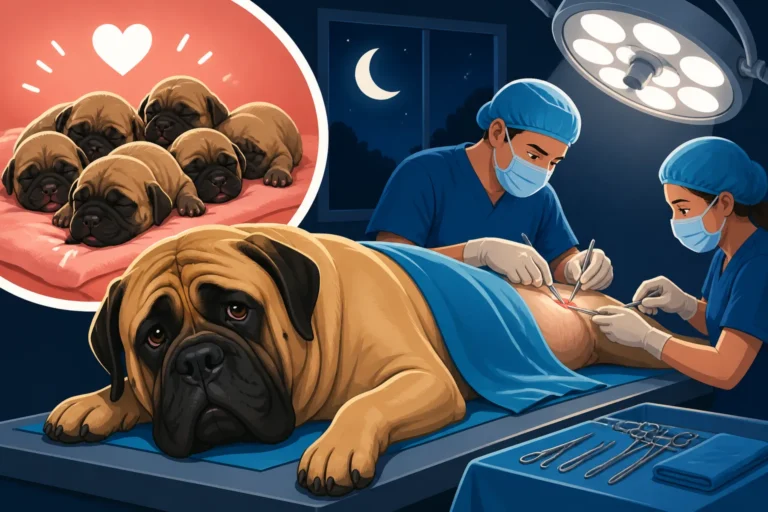
TPLO surgery is a revolutionary procedure where the surgeon cuts and rotates the top part of the tibia (the tibial plateau) to change the angle of the joint. This eliminates the need for the cranial cruciate ligament entirely, creating a stable knee joint dynamically, meaning it's stable when the dog is bearing weight. This procedure is generally highly successful in large and giant breeds because it addresses the biomechanics of the joint rather than relying on a repair of the damaged ligament itself. Many veterinary orthopedic specialists recommend TPLO for Mastiffs, and it is widely accepted that TPLO Surgery Suits a Two Hundred Pound Mastiff better than most other options. TTA is another bone-cutting procedure, similar in its goal of altering joint mechanics to achieve stability, and can also be considered. Choosing between these often depends on the individual dog, the surgeon's preference, and the specifics of the tear.
The Financial and Physical Demands of Post-Operative Care
Let's be blunt: cruciate surgery for a Mastiff is a significant financial undertaking. We're talking about a specialized orthopedic procedure performed on a massive animal, requiring skilled surgeons, specialized equipment, and extensive follow-up. The costs are substantial and will involve the surgery itself, multiple post-operative check-ups, X-rays, medications, and crucially, weeks, if not months, of physical rehabilitation. It's not uncommon for these bills to reach many thousands of dollars, making it one of the most expensive non-emergency procedures a Mastiff owner might face. This is where having pet insurance can be a literal lifesaver. Many owners find policies from providers like Healthy Paws invaluable in helping to offset these steep veterinary bills, transforming a financially impossible situation into a manageable one.
Beyond the financial strain, the physical demands of post-operative care on the owner cannot be overstated. Your Mastiff will need strict rest for weeks, often confined to a crate or a small, secure area. Controlled, short leash walks for bathroom breaks will be the norm, and you'll need to physically support your dog with a sling or harness, especially going up or down steps, or helping them stand. Imagine lifting a two-hundred-pound, often reluctant, Mastiff into and out of a car for vet visits, or supporting them while they relieve themselves. Physical therapy, whether at home with specific exercises or through professional hydrotherapy and massage, is crucial for optimal recovery and adds to the time commitment. Furthermore, you'll need to carefully monitor for complications like infection or swelling, and manage pain medication. Understanding What Post Surgical Monitoring Costs on a Mastiff is essential as it's a long-term commitment.
Potential Complications and Long-Term Outlook
While cruciate surgery offers the best prognosis for a Mastiff, it's not without its risks and potential complications. Anesthesia is always a concern, especially for giant breeds. Mastiffs metabolize drugs differently due to their sheer bulk and slower metabolic rates, and they are also more prone to certain cardiac issues, making careful pre-anesthetic screening vital. It's why Why Anesthesia Is Riskier in a Mastiff is a common concern among owners and vets alike. Post-operatively, infection at the surgical site is a possibility, requiring vigilant monitoring and potentially antibiotics. Hardware failure, though rare with modern techniques, can also occur, necessitating further surgery.
Perhaps the most common long-term complication, even with successful surgery, is the development or progression of arthritis. While surgery stabilizes the joint, some degree of arthritic change is almost inevitable given the initial trauma and inflammation. This will require ongoing management, potentially with Joint Supplements for a Mastiff, anti-inflammatory medications, and continued weight management. Another frustrating reality is that dogs who tear one cruciate ligament have a significant chance (around 30-50%) of tearing the other one within a year or two. This can lead to the daunting prospect of a second surgery and recovery period. Despite these challenges, the long-term outlook for a Mastiff with a successfully repaired cruciate ligament is generally good. Many dogs regain excellent function, return to comfortable daily activity, and avoid chronic, debilitating pain. However, it's crucial to have realistic expectations and understand that while surgery improves quality of life, it may not restore the leg to its pre-injury state entirely. You might still need to consider Arthritis in a Mastiff at Four earlier than expected.
Non-Surgical Management: Is It an Option for Your Mastiff?
For some Mastiff owners, surgical repair of a torn cruciate ligament might not be feasible due to various reasons – financial constraints, the dog's age or other health conditions, or simply personal choice. In these cases, conservative, non-surgical management becomes the only path forward. However, it's essential to understand that this approach has significant limitations for a dog of a Mastiff's size.
Conservative Management Strategies
The cornerstone of conservative management for a cruciate tear involves strict rest and rehabilitation, aimed at reducing pain, managing inflammation, and allowing scar tissue to form around the joint to provide some degree of stability. This typically means an initial period of very limited activity – strict crate rest for several weeks, followed by a gradual increase in controlled leash walks. Anti-inflammatory medications and pain relievers are crucial to manage discomfort and swelling, particularly in the initial stages. Many owners discuss options with their vet, and sometimes custom-made knee braces are used to provide external support, though their efficacy in giant breeds is often debated.
Weight management is paramount for any Mastiff dealing with orthopedic issues. Every extra pound puts immense stress on already compromised joints. Vets will often emphasize the importance of keeping a Mastiff lean, as detailed in Keeping a Mastiff Lean on Purpose. This often means a carefully controlled diet, and some owners opt for specialized dog food deliveries or subscriptions, such as those offered by Ollie, to ensure precise nutritional intake. Beyond rest and medication, physical therapy exercises, guided by a professional, are vital to rebuild muscle mass and improve range of motion without putting excessive strain on the healing joint.
Pros and Cons of Avoiding Surgery for a Mastiff
Deciding against surgery for a Mastiff with a torn cruciate ligament comes with a unique set of pros and cons, heavily influenced by their sheer size.
Pros of Non-Surgical Management:
- No Surgical Risk: This is perhaps the most significant advantage. You avoid the risks associated with anesthesia, infection, and potential surgical complications. For an older Mastiff or one with pre-existing health conditions, avoiding surgery might be seen as a safer route.
- Lower Upfront Cost: While long-term care can still be expensive, the initial financial outlay for conservative management is significantly less than for surgery.
- Less Intense Immediate Recovery: While strict rest is required, the recovery from surgery itself is avoided, which can be less physically demanding on the owner in the very short term.
Cons of Non-Surgical Management:
- Less Predictable Outcome: For Mastiffs, conservative management is often less successful in restoring full function compared to surgery. The sheer weight and force exerted on the joint make it difficult for scar tissue alone to provide adequate, lasting stability.
- Slower and Potentially Incomplete Recovery: While some small dogs can do well with conservative management, a Mastiff often struggles to regain a functional, pain-free gait. The process is typically much longer and the outcome less robust.
- Increased Risk of Contralateral Tear: Without proper stabilization of the injured knee, the sound leg takes on increased compensatory strain. This dramatically raises the risk of the other cruciate ligament tearing, leading to a much more complex and debilitating bilateral injury.
- Advanced Osteoarthritis: The persistent instability in the knee accelerates the development and progression of painful osteoarthritis, potentially leading to a lifetime of chronic pain and mobility issues.
- Reduced Quality of Life: Without full stability, a Mastiff's activity will be severely curtailed long-term, impacting their ability to move comfortably and enjoy life.
Ultimately, while conservative management may be an option, its effectiveness for a two-hundred-pound Mastiff is often limited, making surgery the more recommended path for restoring optimal function.
Supporting a Mastiff with Mobility Issues Long-Term
Whether your Mastiff undergoes surgery or you opt for conservative management, supporting a giant breed with mobility issues is a long-term commitment that requires thoughtful adaptation of your home environment. One of the biggest challenges for a Mastiff with compromised mobility is navigating slippery surfaces. Traction: Why a Mastiff Cannot Live on Bare Hardwood is a critical concern, as slipping can cause further injury or make it nearly impossible for them to get up. Runners, non-slip mats, or even area rugs in high-traffic areas are essential.
Orthopedic support is also paramount. A Mastiff’s immense weight puts constant pressure on their joints, and they need proper cushioning when resting. Investing in What an Orthopedic Bed for a Mastiff Costs is not a luxury, but a necessity. Look for high-density foam beds that won't flatten under their weight. Additionally, assistive devices like lifting harnesses or slings can be incredibly helpful for getting your Mastiff up, aiding them on stairs, or assisting with getting into a vehicle. Many pet supply retailers, like Chewy, offer a wide range of these specialized mobility aids, from full-body harnesses to rear-end support slings. Even if your Mastiff recovers well, these tools can provide valuable assistance as they age, especially since Lifting an Old Mastiff That Cannot Get Up becomes a real challenge for many owners. The goal is to maximize their comfort and independence, allowing them to participate in family life as much as possible, despite their physical limitations.
Making the Decision: When is Surgery "Worth It"?
Deciding whether to proceed with cruciate surgery for your Mastiff is never easy. It's a deeply personal choice, weighing the potential benefits against the significant financial, emotional, and physical investment. There's no single "right" answer, but rather a constellation of factors to consider.
Factors to Weigh: Age, Health, and Temperament
The age of your Mastiff is a crucial consideration. A younger, otherwise healthy Mastiff (say, under four or five years old) generally has better healing potential and more years to benefit from the improved mobility that surgery can offer. For an older Mastiff, especially one entering their senior years (around Why a Mastiff Is Old at Five), the longer recovery time, increased anesthetic risk, and presence of other age-related health issues might make surgery a less appealing or even unadvisable option. The question of Why a Mastiff Is Dosed by Lean Weight and Not Scale Weight becomes critical for older, larger dogs, as accurate drug dosing for anesthesia is vital.
Your Mastiff's overall health also plays a significant role. Do they have other concurrent orthopedic issues, cardiac problems (Whether a Mastiff Needs a Cardiac Exam), or conditions that might complicate anesthesia or recovery? A dog with multiple health challenges may not be a good surgical candidate. Lastly, consider your Mastiff's temperament. The post-operative period requires strict confinement and limited activity. A calm, easygoing Mastiff might cope well, but a highly anxious or energetic Mastiff could find the restriction incredibly stressful, potentially leading to frustration or even injury if they try to be too active too soon. Their ability to tolerate physical therapy and handling is also a factor.
Financial Realities and Emotional Capacity
Let's be candid about the financial aspect: cruciate surgery, especially a TPLO for a Mastiff, is expensive. Beyond the initial surgery fee, there are costs for post-operative medications, follow-up X-rays, and potentially months of professional physical rehabilitation. We’re often talking about thousands of dollars. It’s absolutely essential to have a frank discussion with your veterinary team about the total estimated cost, including all potential follow-ups, so you can budget realistically. As mentioned earlier, pet insurance, such as a policy from Healthy Paws, can be a game-changer here, significantly reducing your out-of-pocket expenses. If you don't have insurance, you'll need to consider how you will fund this extensive treatment.
Equally important, but often overlooked, is your emotional and physical capacity as an owner. Caring for a recovering Mastiff is demanding. It requires constant supervision, often involves physically supporting a very heavy dog, administering medications, managing wound care, and dedicating time to rehabilitation exercises. It's a marathon, not a sprint. You need to assess if you have the time, the physical strength (or help), and the emotional resilience to commit fully to this intensive care for several months. It's perfectly okay to acknowledge these limitations; it's a responsible part of the decision-making process.
Consulting with Your Veterinary Team
The most important step in deciding if cruciate surgery is worth it for your Mastiff is to have in-depth, honest conversations with your veterinary team. Start with your primary veterinarian, who knows your dog's history best. They can provide initial insights, discuss conservative management, and typically refer you to a board-certified veterinary orthopedic specialist. Many Mastiff surgeries, particularly TPLO, are best performed by a specialist due to the complexity and the critical nature of the repair for such a large dog. Understanding Which Surgeries a Mastiff Needs a Specialist For is key to a successful outcome.
A specialist will provide a comprehensive evaluation, including orthopedic exams, X-rays, and potentially other diagnostics, to give you the most accurate prognosis for both surgical and non-surgical approaches. Don't be afraid to ask questions: about the specific surgical technique recommended, the expected recovery timeline, potential complications, and what life will look like for your Mastiff post-surgery. Consider asking about the experience of the clinic in handling large and giant breeds for surgery and recovery, including how they manage patients like How a Clinic Moves a Collapsed Mastiff. Gathering all this information will empower you to make an informed decision that prioritizes your Mastiff's well-being and aligns with your capabilities as an owner.
| Factor | Surgical Approach (e.g., TPLO) | Non-Surgical Approach (Conservative Management) |
|---|---|---|
| Initial Cost | Very High (tens of thousands of dollars often) | Lower (medication, brace, therapy initial costs) |
| Long-Term Cost | Post-op rehab, potential arthritis management | Ongoing pain management, increased arthritis, potential contralateral tear surgery |
| Recovery Time | 3-6 months intensive, 6-12 months for full function | 6-12 months, often less complete recovery |
| Mobility Outcome | Generally Excellent, stable joint, good function | Variable, often persistent lameness, increased arthritis |
| Risk of Other CCL Tear | Reduced risk compared to non-surgical (but still present) | High risk (30-50% for Mastiffs) |
| Anesthetic Risk | Present, higher for Mastiffs | None |
| Owner Commitment | Very High (strict rest, rehab, physical assistance) | High (long-term pain management, lifestyle modifications) |
| Quality of Life | Significantly improved, less chronic pain | Often compromised, persistent discomfort |
Disclaimer
This article is for general informational purposes only and does not constitute professional advice. Laws, prices and regulations vary by location and change over time. Consult a qualified professional for guidance on your specific situation.