Whether a Mastiff’s Neck Pain Means Wobblers
When your majestic Mastiff starts showing signs of discomfort, especially around their neck, it's natural for your heart to sink. The sheer size of these magnificent dogs means any pain or mobility issue is amplified, and the worry about something serious like Wobblers syndrome can be overwhelming. This guide is here to walk you through what neck pain might mean for your Mastiff, dispelling myths, explaining the realities, and outlining the crucial steps to take to ensure your beloved companion gets the best possible care.
Understanding Wobblers Syndrome in Mastiffs
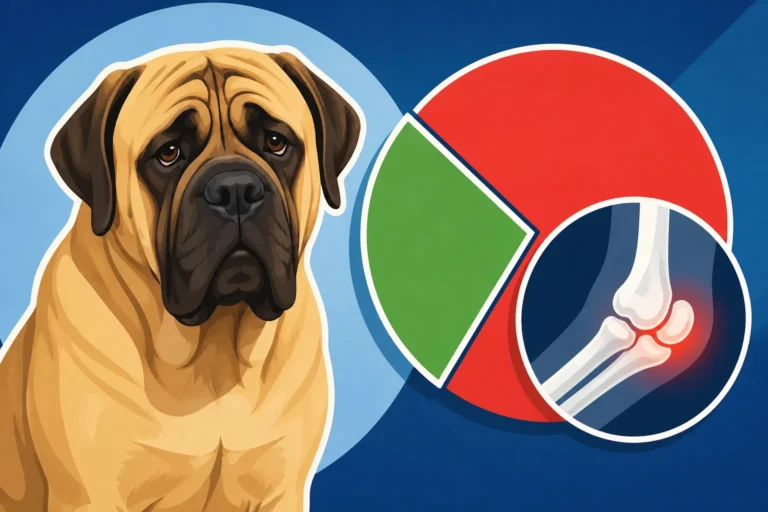
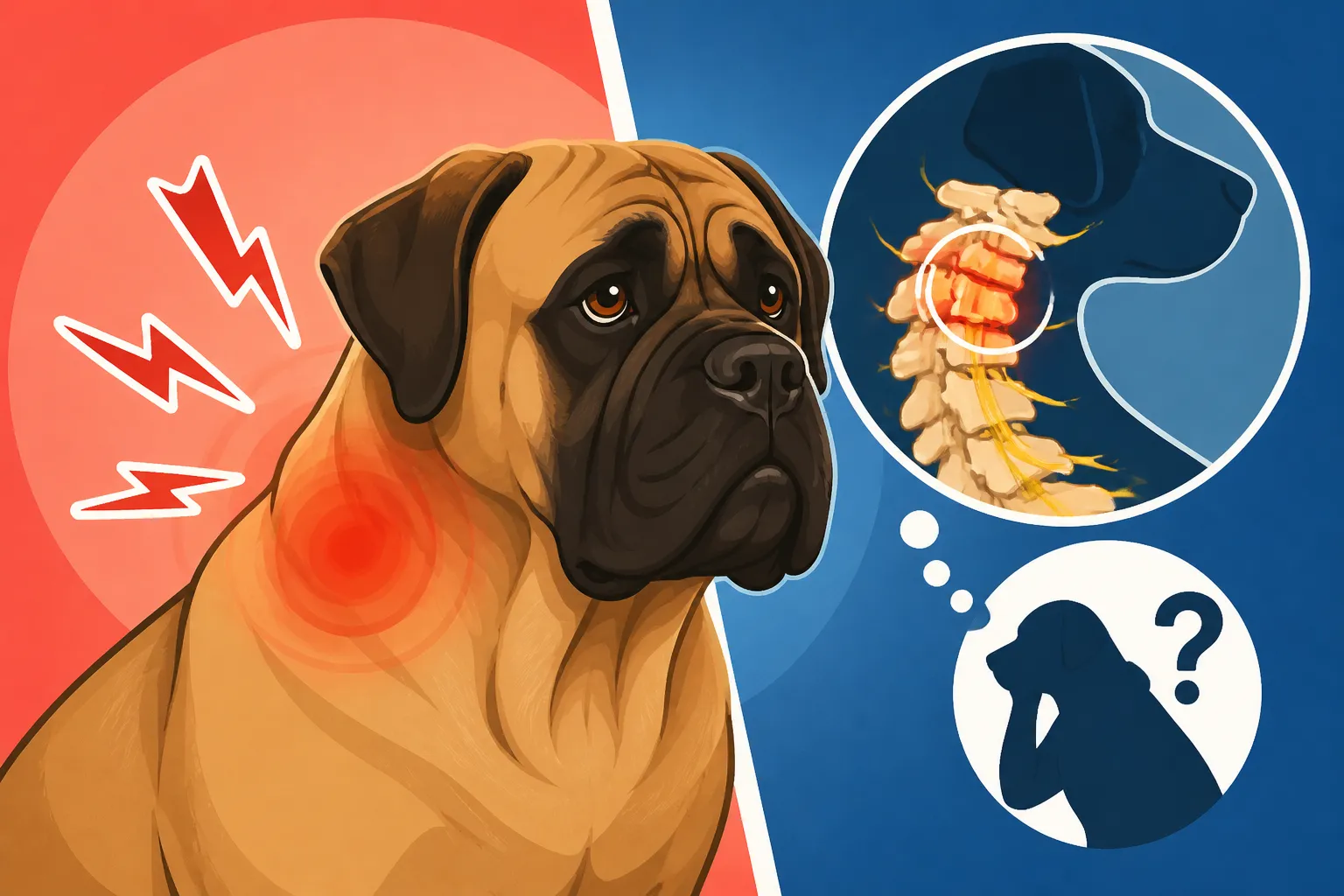
The term "Wobblers syndrome" can send shivers down any giant breed owner's spine, and for good reason. It's a debilitating condition, but it's important to understand exactly what it entails. Wobblers syndrome, clinically known as Cervical Spondylomyelopathy (CSM), is a neurological disease that affects the spinal cord in the neck region. Essentially, there's a compression of the spinal cord or its nerve roots, leading to a host of unpleasant symptoms, primarily instability and incoordination, which gives the "wobbly" appearance.
This condition is particularly prevalent in large and giant breed dogs, and unfortunately, Mastiffs are among those predisposed. The rapid growth rate characteristic of our massive friends can contribute to developmental abnormalities in the vertebrae of the neck. These abnormalities, whether they are malformed vertebrae, misaligned bones, or disc protrusions, can narrow the spinal canal, putting pressure on the delicate spinal cord. It's a complex interplay of genetics, growth, and even nutrition during puppyhood that can set the stage for this challenge. Recognizing the early signs and understanding the underlying mechanics is absolutely vital for advocating for your dog's health.
The symptoms of Wobblers syndrome can vary quite a bit, but typically include signs directly related to neurological dysfunction. You might notice your Mastiff developing an uncoordinated, "drunken sailor" gait, particularly in their hindquarters. They might take short, choppy steps in the front and exaggerated, wobbly steps in the back, often crossing their legs. Neck pain, stiffness, or a reluctance to move their head and neck are also common, making them hesitant to lower their head to eat or drink. Sometimes, they might even seem weak or drag their paws, leading to excessive nail wear on the tops of their digits. In severe cases, they might struggle to stand up or even collapse. It's a progressive disease, meaning these signs can worsen over time if left unaddressed. If you’re concerned your Mastiff is exhibiting these classic signs, it's imperative to consult with a veterinarian who has experience with giant breeds and neurological conditions. For more detailed information, you can always look into resources like Whether a Mastiff Gets Wobbler Syndrome.
Other Causes of Neck Pain in Your Gentle Giant
While Wobblers is a scary possibility, it's crucial to remember that neck pain in a Mastiff doesn't automatically mean the worst. There are numerous other conditions that can cause similar discomfort, ranging from relatively minor to equally serious. Pinpointing the exact cause requires thorough veterinary investigation, but understanding the possibilities can help you provide your vet with a clearer picture of what you've observed.
One of the most common culprits, especially as our big dogs age, is arthritis. Just like humans, Mastiffs can develop degenerative joint disease in their cervical spine, leading to chronic pain and stiffness. Imagine waking up every day with a stiff, aching neck – that's what arthritis can feel like. This can make them reluctant to turn their head, jump, or even climb stairs. You might notice them moving more slowly, or grunting when they try to adjust their position. This is often an insidious process, slowly creeping up on them over months or even years. For many Mastiffs, signs of aging and discomfort, including joint issues, can begin surprisingly early, with some showing Arthritis in a Mastiff at Four. Supportive care and appropriate pain management become paramount as they age, helping you with Caring for a Mastiff Past Five.
Soft tissue injuries are another frequent cause of neck pain. Despite their impressive bulk, Mastiffs can be surprisingly clumsy or prone to accidental injury. A sudden twist during play, an awkward landing, or even a slip on a slick floor can strain muscles, sprain ligaments, or cause bruising in the neck area. Think of it like a human "crick in the neck" but on a much larger scale. These injuries might present as acute, sudden pain, often accompanied by yelping or a reluctance to move. Sometimes, a Mastiff might wake up with a stiff neck after sleeping in an unusual position. The good news is that many soft tissue injuries can resolve with rest, anti-inflammatory medication, and sometimes physical therapy, but ruling out more serious issues is always the first step.
Less common but still possible in giant breeds are intervertebral disc diseases (IVDD) and even certain types of spinal infections or tumors. While IVDD is more famously associated with long-backed breeds like Dachshunds, a disc bulge or herniation can occur in any dog, potentially compressing the spinal cord and causing pain. Infections or tumors, though rare, can also manifest as neck pain, often accompanied by other systemic signs like fever or lethargy. It’s also important to consider the impact of rapid growth phases on their developing skeletal structure, which can sometimes present as pain or lameness that might be mistaken for other conditions, similar to The Shifting Lameness of a Growing Mastiff. When navigating these diagnostic pathways, many Mastiff owners find great relief in having a comprehensive pet insurance plan from a provider like Healthy Paws, which can help cover the costs of these often expensive investigations and treatments.
| Symptom Category | Wobblers Syndrome (CSM) | Arthritis / Soft Tissue Injury |
|---|---|---|
| Gait/Movement | Uncoordinated, "wobbly" gait, especially hind limbs; short front steps, long hind steps; hind limb weakness; difficulty rising. | Stiff, guarded movement; reluctance to turn head or lower head; generalized stiffness; lameness if a limb nerve is pinched. |
| Pain Level | Can be mild to severe; often chronic and progressive. | Can be acute (injury) or chronic (arthritis); variable severity. |
| Neurological | Present: ataxia, proprioceptive deficits (knuckling), weakness, muscle atrophy. | Absent or minimal, unless nerve root compression occurs. |
| Onset | Often gradual, worsening over time; can be exacerbated by activity. | Acute (injury) or gradual (arthritis); can fluctuate. |
| Body Posture | Neck held rigid, head down; sometimes hunched posture. | Neck held stiffly; head down (if painful to lift). |
| Response to Touch | Pain upon palpation of neck; may yelp or flinch. | Pain upon palpation of affected area. |
The Path to Diagnosis and Treatment for Mastiff Neck Pain
When your Mastiff is showing signs of neck pain, the very first, and most critical, step is an immediate visit to your veterinarian. Self-diagnosing based on internet searches, no matter how well-intentioned, can delay crucial treatment and potentially worsen your dog's condition. Remember, these are enormous animals, and any severe pain or neurological deficit can quickly become an emergency.
Upon arrival, your vet will perform a thorough physical and neurological examination. This isn't just a quick look-over; they'll carefully palpate your Mastiff's neck, check for pain responses, assess their range of motion, and conduct a detailed neurological assessment. This includes checking reflexes, proprioception (their awareness of where their limbs are in space), and muscle tone. Observing their gait and how they move (or don't move) is also a key part of this initial evaluation. This initial exam provides vital clues that help narrow down the potential causes of the pain. If you're seeing signs that suggest a serious underlying condition, don't hesitate to seek emergency veterinary care, especially given that Why Anesthesia Is Riskier in a Mastiff and other treatment considerations are unique to giant breeds.
To get a definitive diagnosis, advanced imaging is almost always necessary. Plain X-rays are a good starting point to rule out obvious bone abnormalities or severe arthritis, but they often don't provide enough detail for soft tissue issues or spinal cord compression. For conditions like Wobblers syndrome or disc disease, a Magnetic Resonance Imaging (MRI) scan is the gold standard. This sophisticated imaging technique allows veterinarians to visualize the spinal cord, discs, and surrounding soft tissues in incredible detail, revealing any compression or lesions. However, an MRI requires general anesthesia, which, as any Mastiff owner knows, comes with its own set of considerations due to their size and potential health issues. Knowing Whether a Mastiff Needs an MRI can help you prepare for these steps. Other diagnostic tests might include a CT scan, or in some cases, a cerebrospinal fluid tap to check for inflammatory or infectious diseases. These procedures can be costly, highlighting why many prudent Mastiff owners invest in robust pet insurance from companies like Healthy Paws.
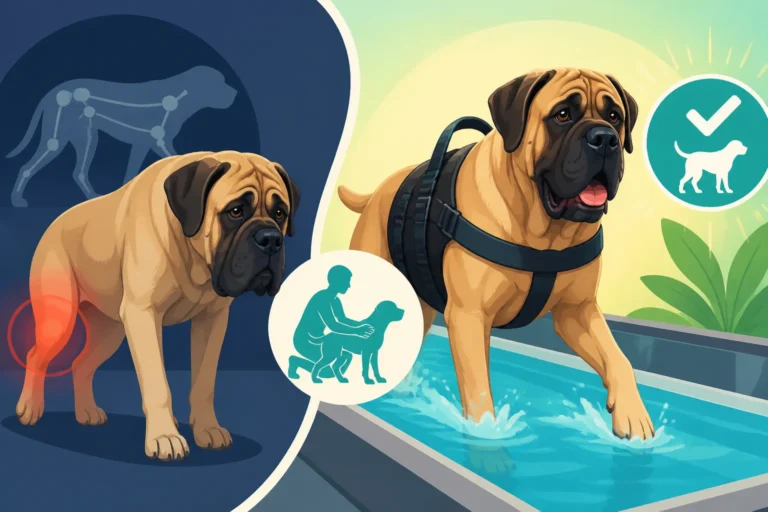
Once a diagnosis is made, treatment options will be discussed. For less severe cases of arthritis or soft tissue injury, conservative management might be recommended. This often involves strict rest, anti-inflammatory medications (NSAIDs), pain relievers, and sometimes muscle relaxants. Physical therapy, including hydrotherapy or controlled exercises, can also be incredibly beneficial for rehabilitation and strengthening once the acute pain subsides. For chronic conditions like arthritis, ongoing management with joint supplements – you can learn more about Joint Supplements for a Mastiff – weight management, and possibly other supportive therapies becomes a way of life.
For conditions like Wobblers syndrome or severe disc herniations, surgery might be the best, or even only, option. The goal of surgery is to decompress the spinal cord and stabilize the affected vertebrae. While surgical outcomes can be very positive, it's a major undertaking for a Mastiff. The recovery period is extensive, requiring dedicated nursing care, restricted activity, and often intensive physical therapy. The financial commitment can be substantial, with the overall expenses for owning a Mastiff often making The Mastiff's Short Life Buys the Biggest Bills a harsh reality. Understanding What a Mastiff's Weight Does to Every Line on the Vet Invoice can help you prepare for these expenses. When considering surgery, it’s not just about the procedure itself but the long road to recovery, similar to the considerations for Whether a Mastiff Recovers From Elbow Surgery or other major orthopedic procedures. Having a trusted veterinarian and, ideally, a referral to a veterinary neurologist or orthopedic specialist, will be invaluable in navigating these complex decisions. These advanced treatment options are exactly why many owners rely on comprehensive insurance plans, with reputable providers like Healthy Paws helping to mitigate the financial impact of such specialized care.
Living with and Preventing Neck Issues in Mastiffs
Living with a Mastiff prone to neck issues, or taking proactive steps to prevent them, requires diligence and thoughtful care. Our giant companions need specific considerations that smaller breeds might not, particularly when it comes to their skeletal health and overall well-being.
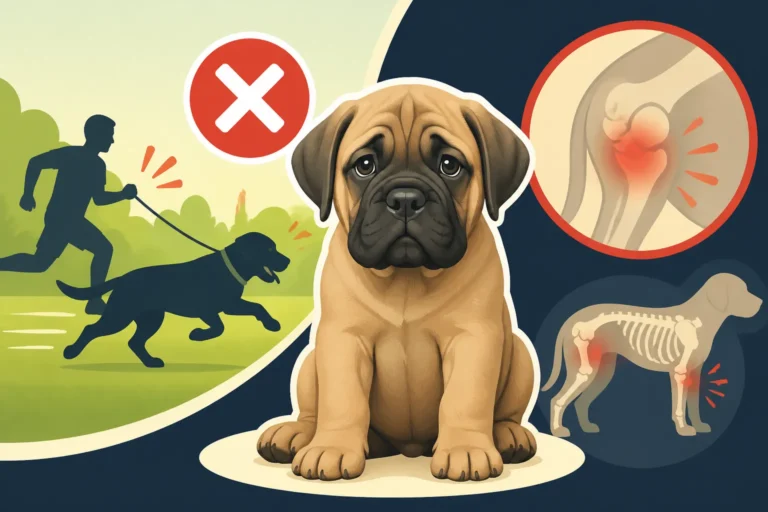
One of the most important preventative measures starts from puppyhood: controlled growth. Overfeeding a Mastiff puppy or allowing them to grow too quickly can put undue stress on their developing joints and spine, potentially predisposing them to conditions like Wobblers or hip and elbow dysplasia. Work closely with your breeder and vet to ensure your Mastiff puppy is on a giant breed-specific diet that supports slow, steady growth. Avoid excessive, high-impact exercise during their formative years; gentle walks and supervised playtime are usually sufficient. As they mature, maintaining a lean body condition throughout their life is critical. Every extra pound puts more strain on their joints, accelerating degenerative changes. While your Mastiff might look like a huge, solid dog, their joints can be surprisingly vulnerable.
For adult Mastiffs, ensuring they have appropriate soft bedding is non-negotiable. A hard floor offers no support and can exacerbate joint pain, especially in their elbows, hips, and spine. Invest in high-quality orthopedic beds that provide ample cushioning and support. Consider placing multiple beds throughout your home so they always have a comfortable spot to rest. Traction is also key; bare hardwood or tile floors can be incredibly challenging for a large, heavy dog, leading to slips, falls, and potential injuries. Lay down rugs or runners, especially in high-traffic areas, to provide better grip and stability. For senior Mastiffs, or those with existing mobility challenges, ramps can be a lifesaver for getting into vehicles or navigating stairs, preventing painful jumps and twists. As our Mastiffs age, we need to be particularly vigilant about their comfort and mobility, especially as conditions like The Age Degenerative Myelopathy Starts in a Mastiff or other neurological issues can begin to manifest.
Routine veterinary check-ups are also crucial for early detection and management of any emerging neck or joint issues. Your vet can assess their mobility, check for subtle signs of pain, and recommend preventative measures or early interventions. Don't wait until your Mastiff is visibly limping or crying out in pain. Regular wellness exams, especially as they enter their senior years, can catch problems when they are more manageable. Furthermore, consider incorporating joint supplements into your Mastiff's daily routine, even before signs of arthritis appear. Glucosamine, chondroitin, and omega-3 fatty acids are commonly recommended for large breeds and can support joint health. Always discuss any supplements with your veterinarian to ensure they are appropriate for your individual dog. Many pet parents find the financial commitment for preventative care and early treatment much more manageable when they have a comprehensive pet insurance policy, like those offered by Healthy Paws.
Disclaimer
This article is intended for informational purposes only and does not constitute veterinary advice. Always consult with a qualified veterinarian for any health concerns or before making any decisions about your Mastiff's medical care.