What Triggers Bloat in a Mastiff
The sudden, terrifying onset of bloat, or Gastric Dilatation-Volvulus (GDV), is arguably one of the most feared emergencies for any Mastiff owner. One moment your gentle giant is happily munching its dinner, the next it could be in a life-threatening battle against a rapidly twisting stomach. Understanding what can trigger this devastating condition is not just helpful—it’s absolutely critical for potentially saving your beloved Mastiff's life. This guide aims to shed light on the common culprits behind bloat in Mastiffs, helping you take proactive steps to mitigate the risks.
Understanding Gastric Dilatation-Volvulus (GDV) in Mastiffs
Bloat isn't just an upset stomach; it's a critical medical emergency where the stomach first fills with gas and then, in the most severe cases, twists on itself. This twisting, known as volvulus, traps the gas, cuts off blood supply to the stomach and other organs, and can quickly lead to shock and death. For Mastiffs, with their unique physiology, the risk is significantly higher.
The Anatomy That Makes Mastiffs Susceptible
Mastiffs, along with other giant and deep-chested breeds like Great Danes, Saint Bernards, and Weimaraners, are inherently predisposed to bloat. This isn't just bad luck; it's rooted in their physical structure. Their chests are incredibly deep and narrow, allowing for more "swing" in the abdominal cavity. Imagine a long, cylindrical balloon (the stomach) suspended in a large, empty box. There's ample room for that balloon to move and rotate, especially when it becomes distended.
This deep-chested conformation means the ligaments that hold the stomach in place can sometimes be looser or longer than in other breeds, offering less stability. When the stomach fills rapidly with gas, it can easily spin, cutting off both the entrance and exit, trapping everything inside. It’s a cruel irony that the very feature that makes our Mastiffs so majestic – that impressive, barrel chest – also puts them at such grave risk. If you're curious about this specific trait, we've gone into more detail on Why the Mastiff Has the Deepest Chest of Any Breed.
The Terrifying Speed of Bloat Progression
What makes bloat so terrifying is how quickly it can escalate from seemingly minor discomfort to a life-or-death situation. It’s not uncommon for a Mastiff to appear fine one minute and then show severe signs of distress just an hour or two later. The initial gas distention can feel like indigestion, but once the stomach twists, every minute counts.
When the stomach rotates, it chokes off the blood vessels, leading to tissue death, and impacts the spleen and other organs. The dog goes into shock incredibly rapidly. You might notice your Mastiff pacing restlessly, attempting to vomit but bringing nothing up (often called "non-productive retching"), drooling excessively, or showing clear signs of abdominal pain, like looking at their side or whining. Their abdomen might appear swollen and feel tight, like a drum. Recognizing The First Sign a Mastiff Is Bloating is absolutely paramount, because delay can be fatal. This isn't a condition you can "wait and see" with; it demands immediate veterinary attention.
Common Dietary and Feeding Triggers
While genetics and anatomy play a huge role, many common triggers for bloat are related to how and what our Mastiffs eat. As owners, these are the areas where we have the most direct control to try and reduce risk.
Eating Too Much, Too Fast
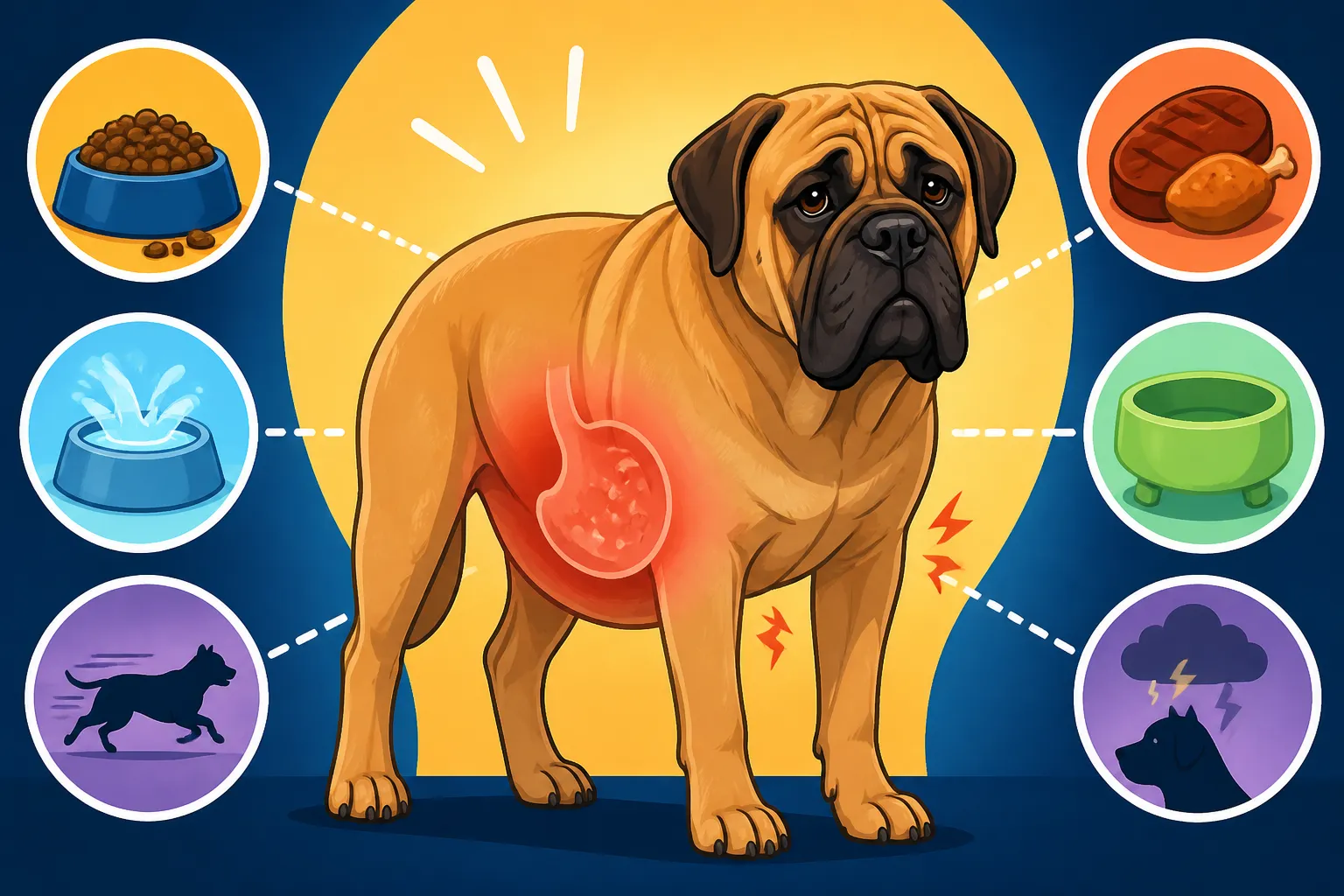
One of the most frequently cited triggers for bloat is the rapid consumption of food or water. Think about it: a Mastiff, especially a hungry one, can inhale a meal in minutes. When they eat quickly, they're not just swallowing food; they're swallowing a significant amount of air along with it. This ingested air can contribute to the initial gas build-up in the stomach.
Similarly, gulping down large quantities of water too quickly, particularly after exercise or on a hot day, can also introduce excess air and put sudden pressure on the stomach. This is why many vets and experienced Mastiff owners recommend measures to slow down eating. Slow-feeder bowls, for example, have raised ridges or patterns that force your Mastiff to take smaller mouthfuls, significantly reducing the speed of ingestion and the amount of air swallowed. It's a simple change that can make a profound difference, and it's worth exploring Whether a Slow Feeder Reduces a Mastiff's Bloat Risk.
The Impact of Food Type and Ingredients
There's a lot of ongoing debate and research about specific food types and ingredients that might trigger bloat. While no definitive "bloat-proof" diet exists, some trends have been observed:
- Dry Kibble: Some studies suggest that diets consisting solely of dry kibble may be associated with a higher risk of bloat compared to those incorporating canned food. The theory is that dry kibble expands in the stomach when it absorbs fluids, and its texture might encourage faster eating. However, this is not universally agreed upon, and many Mastiffs thrive on high-quality dry food.
- Ingredients: Historically, ingredients like soy or certain highly fermentable carbohydrates were thought to contribute to gas production, thus increasing bloat risk. However, current research is still evolving, and it's less about a single ingredient and more about the overall digestibility and how the food reacts in an individual dog's system.
- Elevated Bowls: For years, it was commonly believed that elevated feeding bowls reduced the risk of bloat by making swallowing easier and preventing air gulping. However, surprisingly, some studies have indicated that elevated bowls might actually increase the risk of bloat in large and giant breeds. The exact reasons aren't fully understood, but it's a point of contention among experts. It's a complex topic, and you might want to delve deeper into Whether Bowl Height Changes a Mastiff's Bloat Risk to make an informed decision for your own dog.
Ultimately, consistency is often key. Sudden changes in diet can upset a Mastiff's sensitive digestive system, leading to gas and discomfort. If you need to switch foods, do so gradually over several days.
Exercise Before or After Meals
A common piece of advice for giant breed owners, passed down through generations, is to restrict vigorous activity around meal times. This isn't an old wives' tale; there's a strong logical basis for it. Intense exercise immediately before a meal can cause a dog to gulp food and water more quickly due to hunger and thirst, thereby increasing air intake.
Even more critically, heavy exercise directly after a meal can cause the stomach, now full and heavy, to swing and jostle within the abdominal cavity, increasing the likelihood of it twisting. Imagine trying to run a marathon right after a huge Thanksgiving dinner – your stomach wouldn't be happy. For a Mastiff, this "unhappiness" can turn deadly. Most veterinarians and Mastiff breeders recommend a quiet period of at least one hour before and two to three hours after meals. This allows the food to settle and begin its journey through the digestive tract before any strenuous activity is introduced. Understanding How Long a Mastiff Must Rest After a Meal is a crucial part of your daily routine with your Mastiff.
Environmental and Stress-Related Factors
Beyond diet and feeding habits, other aspects of a Mastiff's environment and temperament can play a role in triggering bloat. These are often less obvious but no less important to consider.
Stress and Anxiety as Contributors
Just like in humans, stress and anxiety can wreak havoc on a dog's digestive system. When a Mastiff experiences stress, its body releases hormones that can affect gut motility, blood flow to the digestive organs, and overall digestive function. This can lead to increased gas production and a sluggish digestive process, creating an environment ripe for bloat.
Stressors might include:
- Changes in routine: A sudden shift in feeding times, exercise schedule, or even daily interactions.
- New environments: Moving to a new home, staying at a boarding kennel, or even just visiting an unfamiliar place.
- Separation anxiety: A Mastiff left alone for prolonged periods, especially if they are prone to anxiety.
- Loud noises or storms: Fireworks, thunderstorms, or other sudden, startling sounds.
While you can't eliminate all stressors, being mindful of your Mastiff's emotional state and providing a calm, consistent environment can help. For instance, if you know your dog gets anxious during thunderstorms, offering a safe, quiet space and perhaps a calming treat or supplement might not only soothe their nerves but also support their digestive health.
Other Less Common Triggers
While less frequently highlighted than feeding practices, other factors are believed to increase a Mastiff's bloat risk:
- Age: Older dogs tend to have a higher incidence of bloat. As dogs age, their gastric ligaments may weaken, making the stomach more prone to twisting.
- Temperament: Some anecdotal evidence suggests that dogs with anxious or highly excitable temperaments might be more prone to bloat, possibly due to increased air gulping when stressed, as discussed earlier.
- Genetics: While not a "trigger" in the same sense as fast eating, genetic predisposition is undeniable. If a Mastiff's close relatives (parents, siblings) have experienced bloat, their own risk is significantly higher. This is why responsible breeders strive to understand their lines' health history.
These factors highlight that bloat is often a multifactorial condition, meaning it rarely has a single cause but rather a combination of predisposing elements and triggering events.
Proactive Measures and Emergency Preparedness
Given the serious nature of bloat, proactive prevention and knowing exactly what to do in an emergency are the two most powerful tools Mastiff owners have.
Strategies to Reduce Risk at Home
Taking simple, consistent steps in your daily routine can significantly reduce your Mastiff's risk of bloat:
- Smaller, More Frequent Meals: Instead of one large meal a day, break your Mastiff's food into two or even three smaller meals. This reduces the amount of food in the stomach at any one time, lessening the distension. Many owners find that Whether Two Meals a Day Lower a Mastiff's Bloat Risk is a strategy that makes sense for their routine and their dog's health.
- Slow Down Eating: As mentioned, investing in a slow-feeder bowl or using puzzle feeders can make a huge difference in preventing rapid food consumption and air gulping. You can even place a large, heavy object (like a clean, non-toxic rock or a specially designed bowl insert) in the food bowl to make your Mastiff eat around it.
- Restrict Activity Around Meals: Always enforce a quiet period before and after eating. This means no vigorous play, running, or exciting walks for at least an hour before meals and two to three hours afterward.
- Monitor Water Intake: While adequate hydration is vital, try to prevent your Mastiff from gulping huge amounts of water all at once, especially after exercise. Offer smaller, more frequent drinks if they are very thirsty.
- Consider a Gastropexy: For Mastiffs, especially those from lines with a history of bloat or those exhibiting any predisposing factors, a prophylactic gastropexy is often recommended. This surgical procedure permanently tacks the stomach to the abdominal wall, preventing it from twisting. While it doesn't prevent the stomach from bloating with gas, it dramatically reduces the life-threatening volvulus aspect. This can be done as a stand-alone procedure or often at the same time as neutering. It’s a serious consideration, and you should talk to your vet about When a Mastiff's Gastropexy Should Be Done. Even with a gastropexy, knowing Whether a Gastropexied Mastiff Can Still Bloat is important; the risk is reduced, but not entirely eliminated.
- Manage Stress: Be aware of your Mastiff’s stress triggers and work to minimize them. A calm environment contributes to a calm gut.
Recognizing the Signs and Acting Fast
Despite all preventative measures, bloat can still happen. Being prepared for an emergency is non-negotiable for a Mastiff owner.
- Know the Signs:
- Restlessness, pacing, anxiety.
- Non-productive retching (trying to vomit but nothing comes up or only frothy saliva).
- Excessive drooling.
- Swollen, hard, or distended abdomen (especially on the left side).
- Pain, whining, or looking at their side.
- Weakness, collapse, rapid shallow breathing, pale gums (signs of shock).
- Have an Emergency Plan:
- Know the location and phone number of the nearest 24-hour emergency veterinary clinic. Keep it on your fridge, in your phone, and even in your car.
- Have a way to transport your Mastiff quickly. This means an SUV or truck, and potentially help to lift a large, distressed dog.
- Don't wait. If you suspect bloat, even vaguely, get to the vet immediately. Time is of the essence. We know How Long a Bloating Mastiff Has Before Surgery is often measured in just a few precious hours, if that.
The costs associated with emergency bloat surgery can be substantial, often running into several thousands of dollars. Having pet insurance, like a comprehensive policy from Healthy Paws, can provide immense peace of mind, allowing you to focus on your Mastiff's care rather than the overwhelming financial burden. They often cover emergency treatments for accidents and illnesses, including GDV. Even if you've done everything right, having a plan for unexpected health crises with a company like Healthy Paws can truly make a difference in critical moments, potentially covering much of the expense if Whether a Mastiff Survives Bloat Surgery is dependent on immediate, costly intervention. Remember that anesthesia itself can carry additional risks for our giant friends, something to consider when you think about Why Anesthesia Is Riskier in a Mastiff.
Caring for a Mastiff is a unique journey, filled with immense love and sometimes, immense worry. While bloat is a terrifying prospect, understanding its triggers and being prepared can empower you to give your gentle giant the best chance at a long, healthy life.
Disclaimer
Please remember that the information provided in this article is for educational purposes only and should not be considered a substitute for professional veterinary advice. Always consult with a qualified veterinarian regarding your Mastiff's health and any medical concerns you may have.