The Shifting Lameness of a Growing Mastiff
It’s a sight that can send a jolt of panic through any Mastiff owner: your big, beautiful puppy, full of potential, suddenly favoring a leg, then perhaps another one a few days later. This "shifting lameness" is a frustratingly common and often bewildering experience during the rapid growth phase of a giant breed. You worry endlessly, wondering if it's a minor bruise, a serious orthopedic issue, or just "growing pains." This guide is here to walk you through what causes this unsettling phenomenon, what you can do about it, and how to ease your anxieties.
Understanding What "Shifting Lameness" Really Means in a Mastiff Puppy
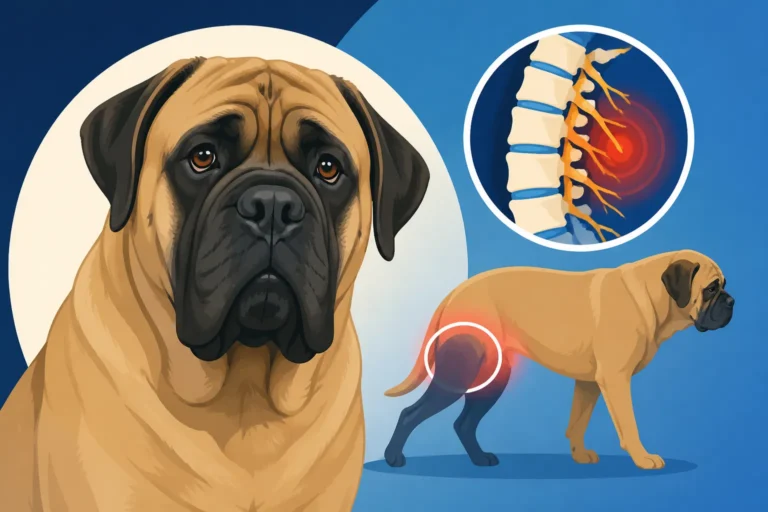
When you first notice your Mastiff puppy limping, your heart probably sinks. Is it broken? Did they twist something? But then, perhaps a few days later, the limp seems to have switched to another leg, or even disappeared entirely, only to reappear weeks later. This is the classic presentation of "shifting lameness," a term that describes a lameness that migrates from one limb to another, often without a clear cause or history of injury. It’s incredibly unsettling to witness because it defies the typical "injury = one bad leg" scenario.
The Vague Nature of the Symptoms
Unlike a clear sprain or a fractured bone where the pain is localized and consistent, shifting lameness can be incredibly elusive. One day, your Mastiff might be hesitant to put weight on their front left paw, leading you to inspect every pad and joint. The next day, they’re perfectly fine on that leg, but now they're holding up their back right leg. Or maybe they just seem stiff and reluctant to play as vigorously, without a distinct limp at all.
This ambiguity is precisely what makes it so stressful for owners. You want to help, but you can’t pinpoint the source of the discomfort. It’s not always a sudden, dramatic event, but often a subtle change in gait, a reluctance to use stairs, or a general air of discomfort that comes and goes. The inconsistency can make you second-guess yourself, wondering if you're overreacting or if your puppy is just being a bit dramatic. But with a breed as massive and rapidly growing as the Mastiff, it's never wise to ignore lameness, no matter how subtle or fleeting.
How Growth Plates and Rapid Development Play a Role
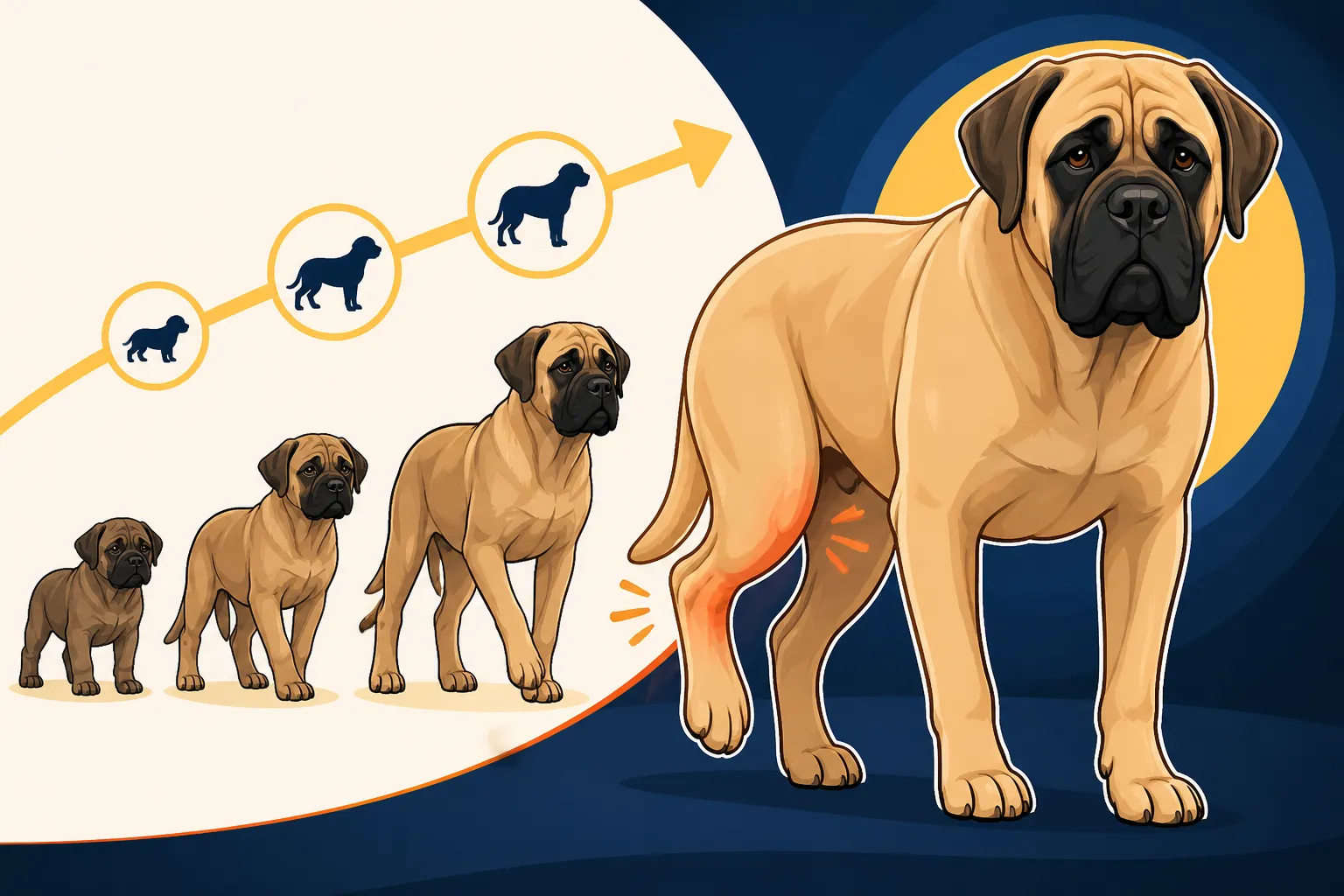
Mastiffs are truly giant dogs, and their growth is nothing short of astronomical. A Mastiff puppy can go from a tiny bundle of wrinkles to over 100 pounds in their first year alone. This rapid increase in size and weight puts immense stress on their developing bones, joints, and soft tissues. Their bodies are literally racing against time to lay down bone and cartilage, and sometimes, this process isn't perfectly smooth.
Crucially, puppies have "growth plates" at the ends of their long bones. These are areas of cartilage where new bone is formed, allowing the bones to lengthen. Growth plates are softer than mature bone and are particularly vulnerable to injury and inflammation during periods of rapid growth. Imagine a construction site that's constantly adding new floors while also trying to keep everything stable under increasing load – that’s essentially what a growing Mastiff's skeleton is dealing with.
The hormones regulating growth, the speed at which tissues expand, and even the genetics influencing bone density all contribute to the unique orthopedic challenges faced by these gentle giants. This rapid development makes Mastiff puppies particularly susceptible to conditions that manifest as shifting lameness, distinguishing them from smaller breeds whose growth is less dramatic and often less prone to these specific issues.
When to Worry vs. When to Observe
It’s a fine line to walk, isn't it? On one hand, you don’t want to rush to the vet for every little stumble. On the other, you certainly don’t want to miss something serious. For a Mastiff puppy, it's always better to err on the side of caution.
When to Observe (and still be diligent):
If the lameness is very mild, lasts for only a few hours, and your puppy is otherwise bright, eating, and playing (albeit perhaps a bit more carefully), you might observe for a day or two. Keep a close eye on their behavior, appetite, and how they bear weight. Note which leg is affected and when. Make sure they have a soft, supportive bed and avoid strenuous activity. This short observation period helps gather information for the vet if the issue persists.
When to Worry (and call the vet immediately):
- Severe lameness: Your puppy is clearly in pain, crying, refusing to put any weight on a limb, or struggling to stand up.
- Persistent lameness: The limp doesn't resolve within 24-48 hours, even if it's mild.
- Swelling or heat: You feel warmth or see swelling around a joint or bone.
- Fever or lethargy: Your puppy seems unwell, has a decreased appetite, or is unusually tired.
- Any lameness that appears after a known trauma: Even if it seems minor, a Mastiff puppy's size can amplify the impact of even a small fall.
Remember, early intervention is often key, especially with conditions affecting rapidly growing bones. Don't hesitate to reach out to your veterinarian. They are your best resource for navigating these concerns.
Common Causes of Shifting Lameness in Young Mastiffs
The good news is that not all shifting lameness is catastrophic. Many cases are due to conditions that are treatable or self-limiting, though they definitely require veterinary guidance. Understanding the potential culprits can help you communicate more effectively with your vet and feel more prepared.
Panosteitis (Growing Pains) – The Most Frequent Culprit
Often affectionately, or perhaps exasperatedly, referred to as "growing pains," panosteitis is by far one of the most common causes of shifting lameness in large and giant breed puppies like Mastiffs. It’s an inflammatory condition affecting the outer surface (periosteum) and marrow cavity of the long bones, typically in the legs.
What it feels like: Imagine your bones aching from the inside out, then that ache moving to a different spot. That's essentially what panosteitis is for your puppy. It usually affects puppies between 5 to 18 months of age, precisely during their most rapid growth spurts. The lameness can appear suddenly, be mild to severe, and then completely resolve, only to pop up in a different leg a week or month later. Sometimes, a puppy will have multiple affected limbs at once.
Why it happens: The exact cause isn't fully understood, but it's believed to be related to the rapid growth of the long bones. Genetics likely play a role, and certain factors like high-protein diets or excessive calcium intake during puppyhood might exacerbate it. While it sounds scary, panosteitis is usually self-limiting, meaning it resolves on its own once the puppy's growth plates close.
Management: The primary goal is pain management. Your vet might prescribe anti-inflammatory medications to keep your puppy comfortable. Rest and limiting strenuous exercise are also crucial. You might find that reducing the intensity of playtime and walks, as advised in articles like The Walk Length That Damages a Mastiff Puppy, can make a significant difference. It's a condition you often manage symptomatically until your puppy outgrows it, typically by 2 years of age.
Osteochondritis Dissecans (OCD) – A More Serious Concern
While panosteitis is inflammatory and usually self-resolving, Osteochondritis Dissecans (OCD) is a more serious developmental orthopedic disease that results from a disturbance in the growth of cartilage. In OCD, a piece of cartilage, or cartilage and underlying bone, detaches from the joint surface. This loose flap or fragment causes pain, inflammation, and can interfere with joint movement.
Common locations: In Mastiffs, OCD most commonly affects the shoulder, elbow, stifle (knee), and hock (ankle) joints. Unlike panosteitis, the lameness from OCD tends to be more consistent in the affected joint, though a puppy could theoretically have OCD in multiple joints, leading to a shifting-like presentation.
Why it happens: OCD is a multifactorial disease, meaning several things contribute. Genetics play a strong role, but rapid growth, high-calorie or high-calcium diets, and even trauma to the joint can be contributing factors. For a Mastiff, managing their growth rate is absolutely critical. For instance, knowing Why a Mastiff Puppy Must Grow Slowly and being mindful of What Excess Calcium Does to a Mastiff's Elbows can help mitigate risk.
Management: Depending on the severity, OCD might be managed with rest and anti-inflammatory medications in mild cases, especially if caught early. However, many cases require surgery to remove the loose cartilage flap and sometimes to stimulate new cartilage growth. Ignoring OCD can lead to chronic pain and debilitating arthritis later in life. This is where pet insurance, like a plan from Healthy Paws, can be a lifesaver, as surgical costs can be substantial.
Nutritional Imbalances and Rapid Growth
We all want our Mastiff puppies to grow big and strong, but for giant breeds, slow and steady wins the race. Overfeeding a Mastiff puppy, especially with foods that are too high in calories or have imbalanced calcium-to-phosphorus ratios, can accelerate growth to an unhealthy rate. This rapid growth puts excessive strain on their developing skeletal system, contributing to conditions like OCD and elbow dysplasia.
The dangers of too much: It might seem counterintuitive, but feeding a Mastiff puppy an adult formula or a regular puppy food not specifically designed for large breeds can be detrimental. These often have higher protein, calorie, and calcium levels than a large breed puppy needs. An article discussing How Much a Mastiff Puppy Should Eat is essential reading for new owners. The goal is not to maximize growth, but to optimize it, allowing bones and joints to develop at a healthy pace.
Why it leads to lameness: When a puppy grows too quickly, their bones and cartilage may not mineralize properly or may develop at different rates, leading to structural weaknesses and abnormalities. This can manifest as intermittent or shifting lameness, as different joints struggle under the increased weight and imperfect development. Knowing Whether a Mastiff Puppy Grows Too Fast on Rich Food highlights a common pitfall in Mastiff puppy raising.
Corrective measures: Work with your veterinarian or a veterinary nutritionist to ensure your Mastiff puppy is on a diet formulated specifically for large or giant breed puppies. These diets are carefully balanced to promote slower, more controlled growth. Monitoring your puppy's weight gain and ensuring they remain lean during puppyhood is crucial.
Trauma and Soft Tissue Injuries
Even though Mastiffs are generally gentle giants, puppies are still clumsy, boisterous, and sometimes prone to minor accidents. A simple slip on a bare floor can lead to a strain or sprain. Falls, rough play with other dogs (especially larger ones), or even just jumping off furniture can cause soft tissue injuries to muscles, ligaments, or tendons.
The impact of size: What might be a minor bump for a smaller dog can be more significant for a Mastiff puppy due to their sheer weight and momentum. A seemingly innocuous hop off a couch can put immense strain on their joints, especially their hips and elbows, which are already vulnerable in a breed like the Mastiff. This is why paying attention to articles like What Bare Floors Do to a Growing Mastiff can prevent unnecessary strain and injury.
Symptoms and diagnosis: These injuries typically cause acute lameness in the affected limb. The "shifting" aspect might come if they injure one leg, recover, and then injure another, or if their compensation for one injury puts strain on other limbs, causing secondary lameness. A thorough physical exam by your vet can often pinpoint the source of the pain. X-rays might be necessary to rule out fractures or underlying bone issues.
Healing: Rest is paramount for soft tissue injuries. Depending on the severity, your vet might recommend anti-inflammatory medications and restricted activity for several weeks. Physiotherapy or controlled exercise might be introduced as they heal to regain strength and flexibility.
Diagnosing and Managing Shifting Lameness
Navigating shifting lameness in a Mastiff puppy can feel like detective work, but with your vet as your partner, you can uncover the cause and develop an effective management plan. The journey often involves a thorough examination and diagnostic tests to get a clear picture of what's happening beneath all that adorable puppy fluff.
The Importance of a Thorough Veterinary Examination
When you bring your Mastiff puppy to the vet for lameness, be prepared for a comprehensive workup. Your vet won't just glance at the limping leg; they'll perform a full physical and orthopedic examination.
What the vet looks for:
- Gait analysis: The vet will observe your puppy walking, trotting, and sometimes even turning in circles to assess their natural movement and pinpoint which leg is most affected, and how.
- Palpation: They will systematically feel every bone, joint, and muscle in all four limbs, as well as the spine and neck. They’ll be checking for signs of pain, swelling, heat, crepitus (a crackling sound or feeling in the joint), and range of motion. For instance, gently flexing and extending a joint can reveal discomfort or instability.
- History is key: You'll be asked a lot of questions. When did the lameness start? Has it shifted? Is it worse after rest or exercise? What have they been eating? Have there been any recent falls or rough play incidents? Being able to accurately describe the "shifting" nature of the lameness, including which legs were affected and when, is incredibly helpful. Keeping a small journal can be useful for this.
A skilled veterinarian can often get a very strong indication of the underlying problem just from this hands-on examination, especially when dealing with common issues like panosteitis or early signs of joint disease.
Diagnostic Tools: X-rays and Beyond
While a physical exam provides crucial clues, diagnostic imaging is often necessary to confirm a diagnosis, especially when bone or joint issues are suspected.
- Radiographs (X-rays): These are the most common and often first line of defense. For shifting lameness, your vet might recommend X-rays of multiple joints, or even all four limbs, to look for specific changes indicative of conditions like panosteitis (which can show characteristic patchy densities in the bone marrow) or OCD (where cartilage flaps or joint incongruity might be visible). Remember, growth plates are still open in young Mastiffs, which can sometimes make interpreting X-rays tricky, so your vet might consult with a veterinary radiologist. It’s important to understand that early stages of conditions like Elbow Dysplasia Affects One Mastiff in Seven might not show up clearly on X-rays until later. The Age a Mastiff Puppy's Elbows Are First Filmed is often around 4-6 months, but definitive OFA certification happens much later.
- Advanced Imaging (CT, MRI): In more complex cases, or if X-rays are inconclusive, your vet might recommend a CT scan or MRI. These provide much more detailed images of soft tissues (like ligaments and tendons) and intricate joint structures, which can be invaluable for diagnosing conditions that X-rays might miss. However, these are more expensive and often require referral to a specialist clinic.
- Joint Fluid Analysis: If a joint infection or inflammatory arthritis is suspected, your vet might perform an arthrocentesis, where a small amount of fluid is drawn from the joint for analysis.
- Blood Tests: Blood work can rule out systemic illnesses, infections, or nutritional deficiencies that might contribute to lameness or general malaise.
It's worth noting that the cost of these diagnostics can add up, especially for a giant breed. This is where having pet insurance from a provider like Healthy Paws can truly alleviate some of the financial burden, allowing you to make diagnostic decisions based on your puppy's health, not your wallet.
Treatment and Management Strategies
Once a diagnosis is made, your vet will outline a treatment plan tailored to your Mastiff puppy's specific condition.
- For Panosteitis: The primary treatment is pain and inflammation control. Non-steroidal anti-inflammatory drugs (NSAIDs) are commonly prescribed. Strict rest, meaning no running, jumping, or rough play, is essential. Short, leashed walks for potty breaks only might be allowed. The good news is most puppies recover fully from panosteitis as they mature.
- For OCD: Depending on the severity, conservative management (rest, anti-inflammatories) might be attempted first. However, many cases require surgery to remove the cartilage flap and potentially smooth the joint surface. Post-operative care often involves strict rest, pain management, and physical rehabilitation.
- For Nutritional Imbalances: This involves adjusting your puppy's diet to a high-quality, large-breed specific formula that promotes controlled growth. Your vet will advise on appropriate feeding amounts to ensure they aren't growing too quickly. Monitoring their weight closely is key.
- For Trauma/Soft Tissue Injuries: Rest is crucial, often with confinement to a crate or small area. Pain relief and anti-inflammatory medications will be prescribed. In some cases, bandages or braces might be used. Physical therapy can aid recovery and strengthen the injured area.
Always follow your vet's instructions carefully. Administer medications as directed, even if your puppy seems better. Prematurely resuming activity can set back healing or worsen the condition.
Proactive Care: Diet, Exercise, and Environment
Prevention and proactive management are paramount for a growing Mastiff, even if they haven't shown signs of lameness yet. Their sheer size and growth rate make them susceptible to orthopedic issues.
- Controlled Growth Diet: This is non-negotiable for Mastiffs. Feed a high-quality, large-breed puppy food formulated to promote slow, steady growth. Avoid free-feeding; stick to measured meals. An article like The Feeding Chart a Mastiff Puppy Should Follow provides invaluable guidelines. The goal is to keep your puppy lean, allowing their skeleton to mature without excessive strain.
- Appropriate Exercise: While Mastiff puppies need exercise for mental and physical development, it must be carefully controlled. Avoid forced exercise, long walks, excessive running, or jumping activities during their first year, and ideally until their growth plates have closed (around 18-24 months). Short, frequent play sessions on soft surfaces are ideal. Check out Why a Mastiff Puppy Must Not Be Exercised Hard for more insights.
- Supportive Environment:
- Flooring: Ensure your home has carpeting or rugs on slick surfaces like hardwood or tile. Slipping and sliding puts tremendous strain on their joints. Consider floor runners in high-traffic areas.
- Beds: Invest in high-quality, orthopedic beds for your Mastiff. They spend a lot of time resting, and proper support is essential for their heavy joints.
- Stairs and Jumping: Limit stair climbing and discourage jumping off furniture or out of cars. Why Stairs Are Worse for a Mastiff Than Any Breed emphasizes the danger, and ramps can be a great investment for vehicle access.
- Weight Management: Keep your Mastiff puppy on the lean side. You should be able to easily feel their ribs without seeing them prominently. Excess weight, even a few pounds, significantly increases stress on developing joints and can contribute to conditions like hip dysplasia and elbow dysplasia.
- Supplements: While diet is primary, some vets might recommend joint supplements for a Mastiff, especially one with a predisposition to orthopedic issues. Products containing glucosamine, chondroitin, and omega-3 fatty acids are common, but always discuss these with your vet before adding them to your puppy's regimen. Joint Supplements for a Mastiff can provide further context.
- Regular Vet Check-ups: Consistent veterinary care is critical. Your vet can monitor your Mastiff's growth, check for early signs of orthopedic issues, and provide guidance on diet and exercise as they mature.
By being diligent with these proactive measures, you give your Mastiff puppy the best possible chance for healthy bone and joint development, minimizing the risk and severity of conditions like shifting lameness.
Disclaimer
This article is intended for informational purposes only and does not constitute medical advice. Always consult with a qualified veterinarian for any health concerns or before making any decisions about your Mastiff's care.