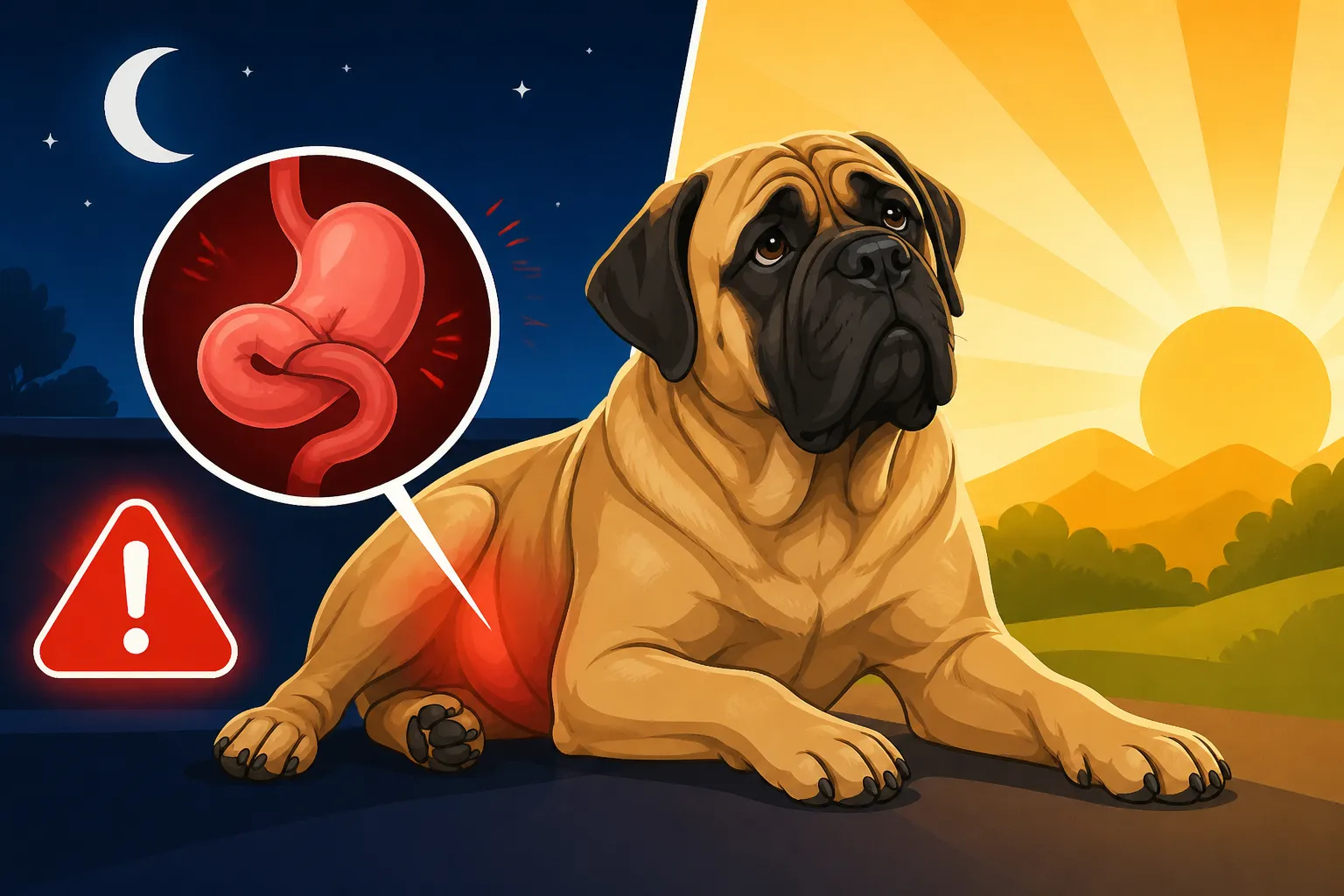
Why a Blocked Mastiff Cannot Wait Until Morning
Finding your majestic Mastiff struggling to urinate, pacing restlessly, or showing signs of pain is one of the most terrifying experiences a dog owner can face. When a Mastiff is blocked, meaning it cannot pass urine, it's not just uncomfortable—it's a critical, life-threatening emergency that absolutely cannot wait until morning. This guide will walk you through why immediate veterinary intervention is paramount and what to expect during such a crisis.
Understanding the Urgency of a Blocked Mastiff
A urethral obstruction in a Mastiff, particularly an intact male, is a ticking time bomb. The sheer size and rapid metabolic rate of these magnificent dogs mean that complications escalate at an alarming pace, far quicker than in smaller breeds. Every minute counts when urine flow is compromised, directly impacting your dog's kidneys and overall systemic health.
What is a Urethral Obstruction?
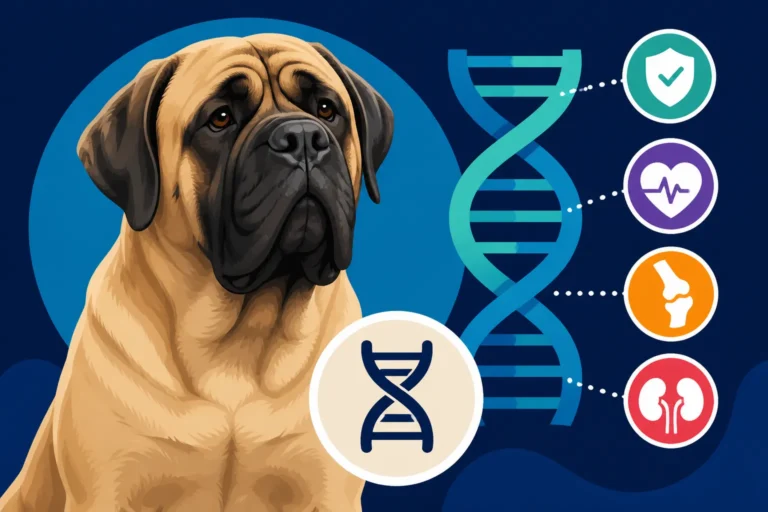
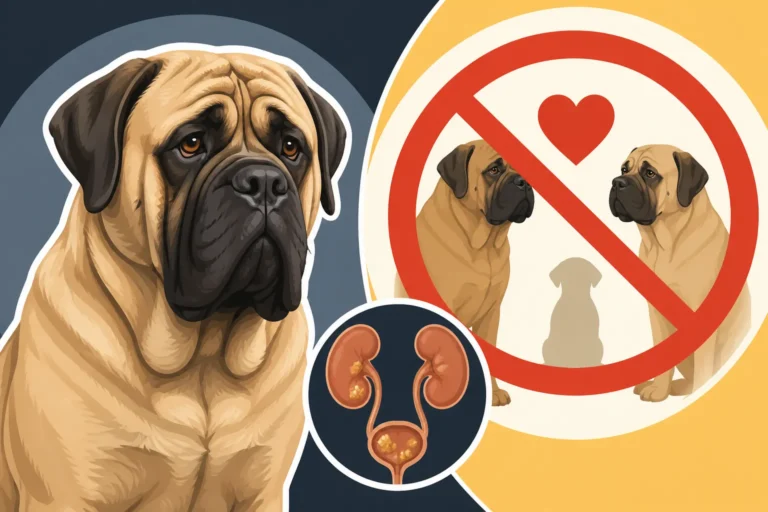
A urethral obstruction occurs when something blocks the flow of urine from the bladder, through the urethra, and out of the body. In male Mastiffs, this is most commonly caused by urinary stones, often related to a condition called Cystinuria Type III. These stones, or uroliths, can vary in size and composition, but cystine stones are particularly prevalent in Mastiffs due to a genetic predisposition. Imagine a pipe suddenly becoming clogged; if the blockage isn't cleared, pressure builds up, and the entire system can fail. This is precisely what happens inside your Mastiff. The bladder becomes distended and painful, and without a clear pathway, the kidneys can no longer filter waste products from the blood and excrete them.
The anatomical structure of male dogs, with their long, narrow urethra and a bone called the os penis that encircles part of it, makes them particularly susceptible to blockages. Even small stones can get wedged in this narrower passage, especially at the tip of the penis. It's a cruel irony that such a minor physical obstruction can lead to such a massive medical emergency. This is why understanding What Cystinuria Type III Does to a Mastiff is so crucial, as it provides insight into the underlying cause of many of these heartbreaking blockages.
The Rapid Escalation of Kidney Damage
When your Mastiff can't urinate, toxins and waste products that would normally be flushed out accumulate in the bloodstream. This rapid build-up of metabolic waste, particularly urea and creatinine, quickly overwhelms the kidneys. Kidneys are incredibly resilient organs, but they have their limits. The pressure back-up into the kidneys can cause significant, irreversible damage within a matter of hours. This process, known as post-renal azotemia, leads to kidney failure if not addressed swiftly.
The consequences of this kidney damage are severe and can include electrolyte imbalances that affect heart function, leading to dangerous arrhythmias. The potassium levels can skyrocket, which directly impacts the heart's electrical rhythm, potentially causing it to stop. This isn't a gradual decline over days; it's a precipitous drop that can occur in less than 24 hours. Waiting "until morning" can mean waiting too long for your Mastiff's kidneys to recover, even if the blockage is eventually cleared. The metabolic acidosis that develops from retained waste further complicates the situation, creating a cascade of systemic failures.
The Pain and Distress Your Mastiff Faces
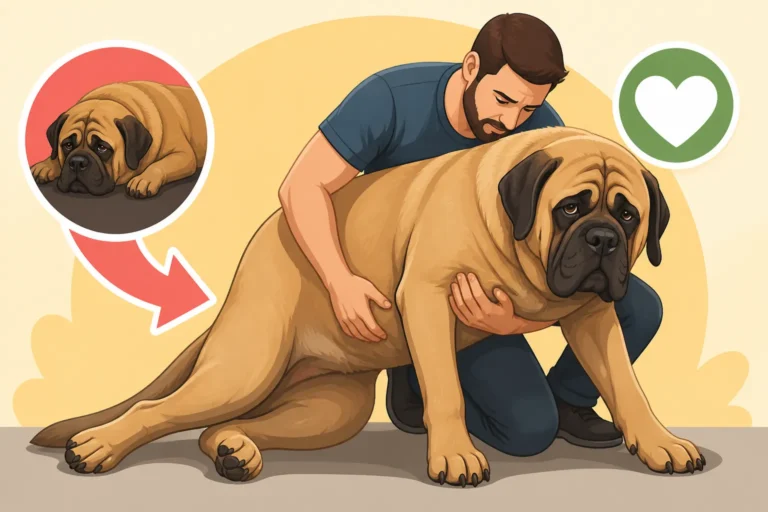
A blocked Mastiff is experiencing excruciating pain. Imagine the intense pressure of a full bladder with no relief, coupled with the systemic effects of toxins building up in the body. They may whine, cry out, pace, strain, or constantly try to urinate with no success. This isn't just discomfort; it's a severe level of distress. Their demeanor will change dramatically – they might become withdrawn, restless, or even aggressive due to the pain. You might notice them hunching their back or pressing their abdomen to the floor in an attempt to alleviate the pressure.
As the condition progresses, they may become lethargic, weak, and start vomiting as the toxins affect their gastrointestinal system. The rapid decline from an active dog to one in immense suffering is heartbreaking to witness. This severe pain and stress also have physiological impacts, further complicating their health crisis by increasing cortisol levels and potentially causing shock. Recognizing this suffering, and knowing that it worsens with every passing hour, is a powerful motivator for seeking immediate emergency care. If you have pet insurance like Healthy Paws, knowing that such emergencies are covered can alleviate some financial stress during this critical time, allowing you to focus purely on your Mastiff's well-being.
Recognizing the Critical Signs of a Blockage
Identifying the signs of a urethral blockage early is paramount. As Mastiffs are often stoic, their initial indications of discomfort might be subtle, but they will quickly escalate. Owners need to be acutely aware of any changes in their dog's urination habits or general behavior.
Behavioral Clues That Demand Immediate Attention
One of the first and most obvious signs is a Mastiff repeatedly attempting to urinate but producing little to no urine. You might see them squatting or lifting their leg more frequently than usual, yet the ground remains dry, or only a few drops appear. They may strain intensely, almost as if constipated, but the issue is urinary. Sometimes, they might even adopt unusual positions, attempting to find a comfortable way to relieve the pressure. Whining, crying, or even growling when touched around the abdomen or hindquarters are huge red flags.
Beyond urination, a blocked Mastiff will often show generalized signs of illness. They might become restless, unable to settle down, constantly shifting positions. Conversely, as toxins build, they can become lethargic, losing interest in food, water, or their usual activities. Vomiting and a loss of appetite are common as the kidneys struggle and the body's systems become poisoned. Changes in their overall demeanor, such as becoming withdrawn, clingy, or unusually anxious, should never be ignored, especially when combined with straining to urinate. This is particularly relevant when considering The Age a Mastiff First Blocks, as some conditions might manifest earlier in life.
Physical Indicators of a Developing Crisis
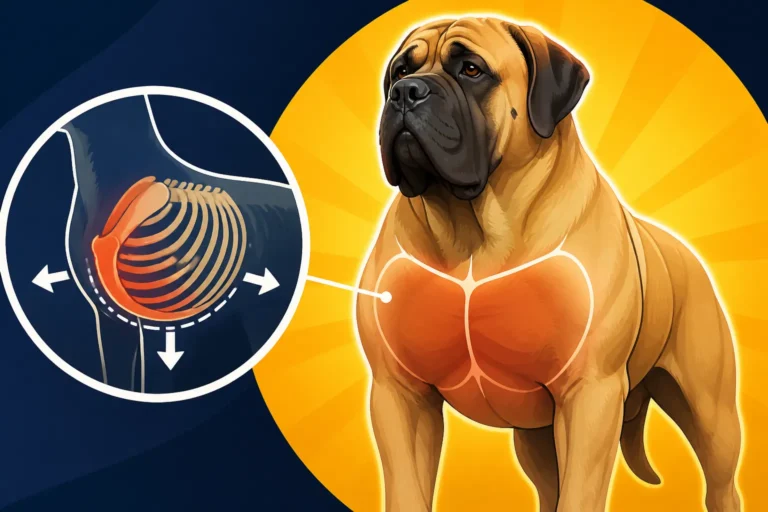
Beyond behavior, there are several physical signs that point to a urethral obstruction. Your Mastiff's abdomen might appear distended or feel firm and painful to the touch, particularly around the bladder area. If you gently press on their lower abdomen, they might react with extreme sensitivity or aggression due to the pain. Their gums might appear pale or even bluish as their circulation is compromised.
You might also notice blood in the urine, or urine that is discolored (darker than usual) or cloudy, if any urine is passed at all. The presence of frequent licking at the penis is another common indicator of irritation or pain. In severe cases, you might observe weakness, stumbling, or even collapse as the metabolic toxins affect their neurological and muscular systems. Rapid breathing or panting, even when at rest, can also signal distress. These physical changes indicate a severe systemic problem and are not symptoms that will simply "wait until morning." A veterinarian needs to assess them immediately. For any responsible Mastiff owner, maintaining regular vet checks and having appropriate insurance like Healthy Paws can make all the difference in managing these sudden, critical situations.
The Veterinary Emergency Response for a Blocked Mastiff
When you suspect your Mastiff is blocked, heading directly to an emergency veterinary clinic is the only correct course of action. There's no time for a "wait and see" approach. The veterinary team will prioritize your Mastiff's condition as a critical emergency.
Initial Diagnostic Steps and Stabilizing Your Mastiff
Upon arrival at the emergency vet, the team will immediately assess your Mastiff's vital signs and level of distress. A veterinarian will perform a thorough physical examination, often palpating the abdomen to feel the bladder, which will be painfully distended if blocked. Diagnostics will swiftly follow. This typically includes blood work to assess kidney function (looking at BUN and creatinine levels), electrolyte balance (especially potassium), and a complete blood count to check for infection or inflammation. A urinalysis, if any urine can be obtained, might give clues about crystal type or infection.
Imaging, such as X-rays or ultrasound, is crucial to identify the location and nature of the obstruction (e.g., stones, tumor, stricture). These tests help the veterinary team formulate the most effective treatment plan. While diagnostics are underway, stabilization measures will be initiated. This often involves placing an intravenous (IV) catheter to administer fluids, which helps support kidney function and correct electrolyte imbalances, and providing pain medication to ease your Mastiff's suffering. If a Mastiff requires sedation or anesthesia for procedures, it's vital to remember Why Anesthesia Is Riskier in a Mastiff due to their size and unique physiology.
Treatment Options: From Catheters to Surgery
The immediate goal is to relieve the obstruction and allow urine to flow freely. For many blockages caused by stones, this involves attempting to pass a urinary catheter. Under sedation or general anesthesia, a catheter is carefully guided into the urethra to bypass or flush the obstruction back into the bladder. Once the catheter is in place, the bladder can be drained, providing immediate relief from pressure and allowing the kidneys to begin recovery. The catheter may be left in place for a few days to ensure the urethra remains open and to flush the bladder.
If a catheter cannot be passed, or if the obstruction is too large or persistent, surgical intervention becomes necessary. This might involve a cystotomy, where the bladder is surgically opened to remove stones. In some rare cases of recurrent or irreparable urethral obstructions, a perineal urethrostomy (PU) may be recommended, creating a wider opening for urine passage, although this is more common in cats and usually a last resort for dogs. After the immediate crisis is averted, the vet will focus on long-term management, which may include special diets, medication, and regular monitoring to prevent recurrence. Understanding What Stone Surgery Costs on a Mastiff can prepare owners for the financial aspect of this emergency, highlighting the value of pet insurance from providers like Healthy Paws.
Preventing Future Blockages in Susceptible Mastiffs
While dealing with a blocked Mastiff is incredibly stressful, the good news is that many causes, particularly those related to cystine stones, can be managed with proactive care. Prevention is always better than emergency intervention, especially with a dog as large and sensitive as a Mastiff.
Dietary Management and Hydration Strategies
For Mastiffs prone to cystine stones, dietary management is a cornerstone of prevention. Specialty prescription diets are designed to alter urine pH and reduce the concentration of stone-forming components. These diets are typically lower in protein and may have specific mineral balances. It's not about cutting out all protein, but providing high-quality, digestible protein in appropriate amounts to avoid excess cystine precursors. Your veterinarian will guide you to the correct diet, often from brands like Hill's Prescription Diet or Royal Canin Urinary S/O, which are specifically formulated for this purpose.
Hydration is equally critical. Encouraging your Mastiff to drink more water helps dilute the urine, making it less concentrated with crystal-forming substances. You can achieve this by adding water to their kibble, offering multiple fresh water bowls throughout the house, using a pet water fountain, or even feeding wet food. A highly diluted urine is less likely to form stones. Discuss with your vet How Much Water a Cystinuric Mastiff Needs daily, as their size means they require significant intake. This proactive approach to diet and hydration can significantly reduce the risk of future blockages, saving both your Mastiff from distress and you from emergency vet bills.
The Role of Regular Monitoring and Early Intervention
Beyond diet, regular veterinary check-ups are essential for Mastiffs with a history or predisposition to urinary stones. This includes routine urinalysis to check urine pH, specific gravity (to assess dilution), and to look for the presence of crystals or signs of infection. Some vets recommend periodic urine checks for intact male Mastiffs known to carry the gene, even if they haven't blocked before, as part of preventative care. Understanding How Often an Intact Male Mastiff's Urine Is Checked can help you set up a monitoring schedule with your vet.
Early intervention means addressing any subtle signs of urinary discomfort—even minor straining or increased frequency—immediately. Don't wait to see if it improves on its own. The moment you suspect something is amiss, contact your veterinarian. They might recommend medications that help dissolve certain types of stones, such as thiola for cystine stones, or even simple changes like adding specific supplements. Regular communication with your vet, adherence to their advice, and being prepared for potential issues, perhaps by setting aside an emergency fund or ensuring your Healthy Paws policy is up-to-date, are your best defenses against future blockages.
Management Options for Cystinuria
| Intervention Type | Description | Primary Goal | Key Considerations |
|---|---|---|---|
| Emergency Catheterization | Manual insertion of a catheter to relieve acute obstruction and drain the bladder. | Immediate relief of pressure and restoration of urine flow. | Requires sedation/anesthesia; may not clear large or persistent stones. |
| Cystotomy | Surgical removal of stones directly from the bladder. | Definitive removal of stones. | Invasive surgery; recovery time; prevention of recurrence still needed. |
| Prescription Diet | Specially formulated low-protein, low-sodium diets to modify urine pH and reduce stone formation. | Prevent new stone formation and potentially dissolve existing non-obstructing ones. | Lifelong commitment; requires veterinary prescription. |
| Increased Water Intake | Encouraging more drinking through wet food, fountains, or added water to kibble. | Dilute urine to reduce concentration of stone-forming minerals. | Simple, effective; important alongside diet. |
| Medication (e.g., Thiola) | Specific drugs that target the formation or dissolution of cystine stones. | Prevent cystine stone formation or aid in dissolving them. | Requires consistent administration; potential side effects; expensive. |
| Neutering | Surgical removal of testicles, reducing androgen levels which influence cystine stone formation. | Prevent recurrence, particularly for Type III Cystinuria. | Elective surgery; timing considerations, as discussed in Why Neutering Ends the Cycle in a Cystinuric Mastiff. |
| Regular Urinalysis | Periodic testing of urine to monitor pH, specific gravity, and presence of crystals or infection. | Early detection of changes that could lead to stone formation. | Non-invasive; crucial for ongoing management. |
Disclaimer: This article is intended for informational purposes only and does not constitute medical advice. Always consult with a qualified veterinarian for any health concerns or before making any decisions about your Mastiff's care.