When a Mastiff’s Gastropexy Should Be Done
The fear of bloat, or Gastric Dilatation-Volvulus (GDV), is a constant, looming shadow for any Mastiff owner. It’s a terrifying, often fatal condition that can strike with alarming speed, turning a perfectly healthy day into an emergency nightmare. Understanding how to best protect our gentle giants from this silent threat is paramount, and for many, a prophylactic gastropexy offers a significant layer of defense. This guide aims to thoroughly explore when and why a gastropexy should be considered for your Mastiff, helping you navigate this critical decision with confidence and clarity.
Understanding Bloat and Its Threat to Mastiffs
Before we delve into the prevention, it's crucial to grasp exactly what bloat entails and why it's such a disproportionate danger to our beloved Mastiffs. This isn't just an upset stomach; it's a rapidly progressing, life-threatening emergency.
What is Gastric Dilatation-Volvulus GDV?
Gastric Dilatation-Volvulus, or GDV, is a condition where a dog’s stomach fills with gas, food, or fluid, causing it to expand (dilatation). In many cases, especially in large, deep-chested breeds like the Mastiff, the distended stomach then twists on its axis (volvulus). This twisting cuts off blood supply to the stomach and often the spleen, trapping gas and fluid inside. Without blood flow, the stomach tissue begins to die, toxins build up, and pressure on other organs can quickly lead to shock, organ failure, and death. It's a truly horrific scenario, and the speed at which it can progress is terrifying. One moment your Mastiff might seem a little restless, the next they could be in severe distress, their abdomen visibly distended, trying to vomit without success.
Why Mastiffs Are Particularly Susceptible to Bloat
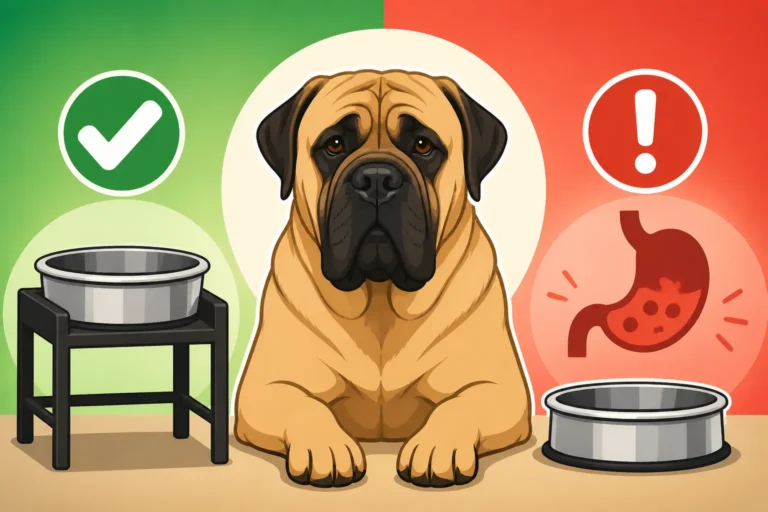
Mastiffs, with their impressive size and distinctive deep chests, are unfortunately among the breeds at highest risk for GDV. The deep chest cavity, which gives them their majestic appearance, allows the stomach more room to swing and twist when it becomes distended. While the exact causes are still being researched, common theories point to genetics, eating habits (eating too fast, eating one large meal, drinking too much water after eating), stress, and certain types of exercise too close to meal times.
Statistics show that the lifetime risk of bloat for a large or giant breed can be as high as 20-25%, and for breeds like the Mastiff, it might be even higher. This isn't a rare occurrence; it's a significant health concern that every Mastiff owner needs to be aware of and actively work to prevent. The unique anatomy that defines the breed's impressive physique also poses a serious vulnerability, making preventative measures all the more important. If you’ve ever wondered, "Why the Mastiff Has the Deepest Chest of Any Breed", it's this very characteristic that contributes to their elevated bloat risk.
What is a Gastropexy and How Does It Work?
Given the dire threat of GDV, many Mastiff owners opt for a preventative surgical procedure called a gastropexy. It's not a cure-all, but it's a powerful tool in mitigating the most dangerous aspect of bloat.
The Mechanics of a Gastropexy Procedure
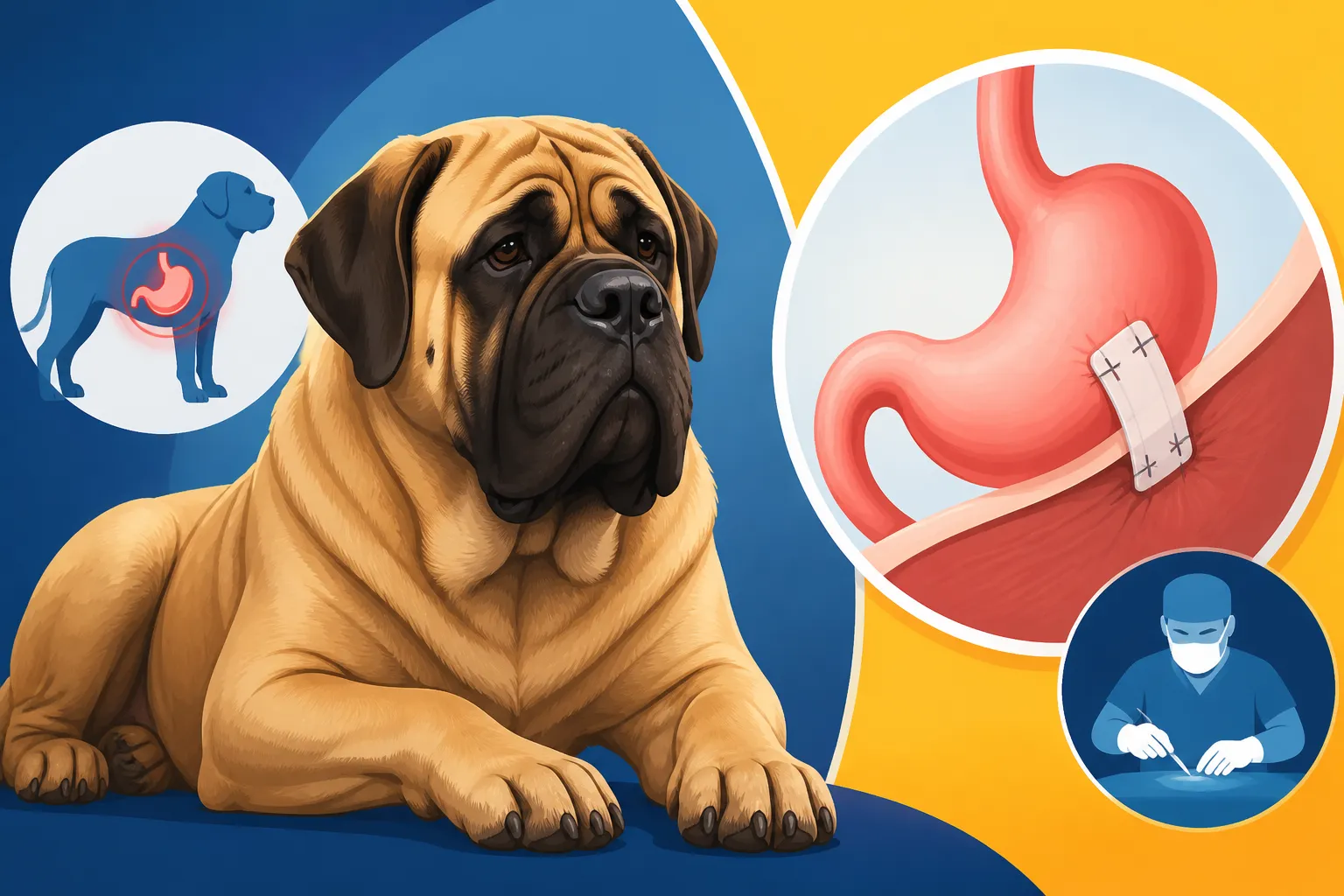
A gastropexy is a surgical procedure that permanently attaches the stomach to the abdominal wall. Imagine securing a loose sack to the inside of a box so it can't flop around and get twisted. That’s essentially what a gastropexy does for your Mastiff’s stomach. There are several techniques, including an open incision where the surgeon manually attaches a section of the stomach wall to the abdominal wall using sutures, or a laparoscopic (keyhole) procedure, which is minimally invasive. Both methods achieve the same goal: they create a permanent adhesion that prevents the stomach from twisting (volvulus).
It’s important to understand that a gastropexy does not prevent the stomach from dilating – it can still fill with gas or fluid. However, by preventing the twist, it removes the most immediate and life-threatening component of GDV. If a gastropexied dog still experiences stomach distension, it will still need veterinary attention, but the critical time window is usually much larger, and the emergency is less dire. This significantly increases the chances of survival and provides immense peace of mind.
Benefits and Limitations of Prophylactic Gastropexy
The primary and most significant benefit of a prophylactic (preventative) gastropexy is the drastic reduction in the risk of fatal gastric torsion. While your Mastiff could still experience gastric dilatation, the twisting of the stomach, which leads to organ damage and shock, is virtually eliminated. This means that if they do bloat, you'll have more time to get them to a vet, and the treatment will likely be less invasive and have a much higher success rate. It's a proactive step that can literally save your dog's life and spare you the heartbreak of losing them to this rapid, cruel condition. "Whether a Gastropexied Mastiff Can Still Bloat" is a common question, and the answer is yes, but the critical, life-threatening torsion is prevented.
However, a gastropexy isn't a magical shield against all gastric issues. As mentioned, it doesn't prevent the stomach from distending. Your dog could still feel uncomfortable, try to vomit, and need veterinary intervention if their stomach fills with gas. This is why vigilance for "The First Sign a Mastiff Is Bloating" remains essential, even after a gastropexy. Additionally, like any surgery, it comes with potential risks, including those associated with anesthesia, infection, and surgical complications, though these are generally low with experienced veterinary teams. The long-term benefits of preventing a fatal bloat episode far outweigh these relatively minor, manageable risks for most Mastiff owners.
Ideal Timing for a Mastiff's Gastropexy
Deciding when to perform a gastropexy is just as important as deciding to do it at all. The timing often depends on other planned procedures and your Mastiff's developmental stage.
Performing Gastropexy During Spay or Neuter
For many Mastiff owners, the ideal time to perform a prophylactic gastropexy is concurrently with their dog's spay or neuter surgery. This approach offers several distinct advantages. Primarily, it means your Mastiff only undergoes anesthesia once and only has to endure a single recovery period. Large breed dogs, including Mastiffs, carry a higher anesthetic risk due to their size, unique physiology, and sometimes underlying conditions. Consolidating two procedures into one surgical event minimizes this risk. If you've ever researched "Why Anesthesia Is Riskier in a Mastiff", you'll appreciate the benefit of reducing exposure.
The typical age for spaying or neutering a Mastiff is often delayed compared to smaller breeds, usually between 12-18 months, or even later for males, to allow for proper skeletal development. This timing often aligns well with when a gastropexy is recommended. By this age, most Mastiffs have closed or nearly closed growth plates, reducing concerns about surgical interference with bone development. Discussing the precise timing for both procedures with your veterinarian is crucial to ensure it aligns with your individual Mastiff's growth and health needs. Choosing to neuter your male Mastiff later, which some suggest can reduce certain cancer risks, also provides an opportune window for the gastropexy. If you're considering "Whether Neutering a Mastiff Early Saves Money Later" or "Why Neutering Age Matters More in a Male Mastiff", remember to factor in the gastropexy timing with those discussions.
Considerations for Elective Stand-Alone Gastropexy
While performing a gastropexy during a spay or neuter is ideal for many, it's not always feasible or desired. Some owners may choose not to spay or neuter their Mastiff, or they may opt for a later age that doesn't align with the best time for gastropexy. In these cases, an elective stand-alone gastropexy is an option. This means your Mastiff would undergo a separate surgery specifically for the gastropexy.
The main consideration here is the necessity of a second round of anesthesia and a separate recovery period. Each surgical event carries its own set of risks, so this decision should be carefully weighed with your veterinarian. However, if the risk of bloat is high (e.g., strong family history, anxious temperament, fast eater), and a combined surgery isn't an option, a stand-alone gastropexy is still a highly recommended preventative measure. It's a proactive step to protect your Mastiff from a potentially fatal condition, even if it means an additional procedure. For some owners, the peace of mind knowing their dog is protected is worth the extra surgery.
Factors Influencing the Decision and Timing
The decision to perform a gastropexy and determining the optimal timing for your Mastiff is a multifaceted one, influenced by several factors beyond just their age.
Age and Growth Plate Considerations
For giant breeds like Mastiffs, the timing of any surgery that involves the abdomen or could potentially impact growth is a significant discussion point. While smaller breeds might be spayed or neutered as early as six months, it's often recommended to wait longer for Mastiffs. This is primarily due to the importance of allowing their growth plates to fully close before major surgeries. Growth plates are areas of cartilage at the ends of long bones that continue to produce new bone until the dog reaches skeletal maturity. Early spay/neuter, or other surgeries involving anesthesia, before these plates close, has been linked in some studies to an increased risk of orthopedic issues, such as hip and elbow dysplasia, later in life.
For Mastiffs, growth plates typically close between 12 to 18 months, though some can take a bit longer. Therefore, performing a gastropexy concurrently with a spay or neuter at this later age (12-18 months) often allows for both skeletal maturity and optimal timing for bloat prevention. Your veterinarian can assess your Mastiff’s growth plates with X-rays if there are concerns about their maturity. It's an important conversation to have, as ensuring proper bone development is just as critical as preventing bloat in these majestic, heavy-boned dogs. This also aligns with when a Mastiff might be evaluated for certifications like "The Age a Mastiff Is Certified by OFA".
Health Status and Breed-Specific Risks
Beyond age, your Mastiff's overall health and specific breed characteristics play a huge role in the gastropexy decision. Before any elective surgery, a thorough veterinary examination, including blood work, is essential to ensure your Mastiff is healthy enough for anesthesia and the procedure. Any pre-existing conditions, even seemingly minor ones, need to be discussed with your vet.
Furthermore, consider your Mastiff's individual risk factors for bloat. Does your dog have a family history of GDV? Are they a nervous or anxious eater? Do they gulp their food or water? Do they engage in strenuous exercise close to meal times? While a gastropexy helps prevent torsion, addressing these lifestyle factors is still important for overall gastric health. Some veterinarians might recommend it even earlier if a Mastiff puppy has an extremely high genetic predisposition, though this is less common.
Financial and Practical Aspects
Let's be realistic: owning a Mastiff comes with significant financial responsibilities, and veterinary care is a major component of that. A prophylactic gastropexy is an elective procedure, and as such, it comes with a cost. This cost can vary widely depending on your location, the veterinary clinic, the surgical technique (laparoscopic procedures are often more expensive upfront), and whether it's combined with a spay/neuter.
However, it's vital to compare this cost to the potential financial burden of an emergency bloat surgery. Emergency GDV surgery is one of the most expensive veterinary procedures, often costing thousands of dollars, especially if it happens after hours or requires extensive post-operative care. It also carries a much higher risk of mortality. Many pet insurance providers, like Healthy Paws, offer coverage for prophylactic procedures if purchased before a diagnosis or suspicion of a condition, which can significantly offset these costs.
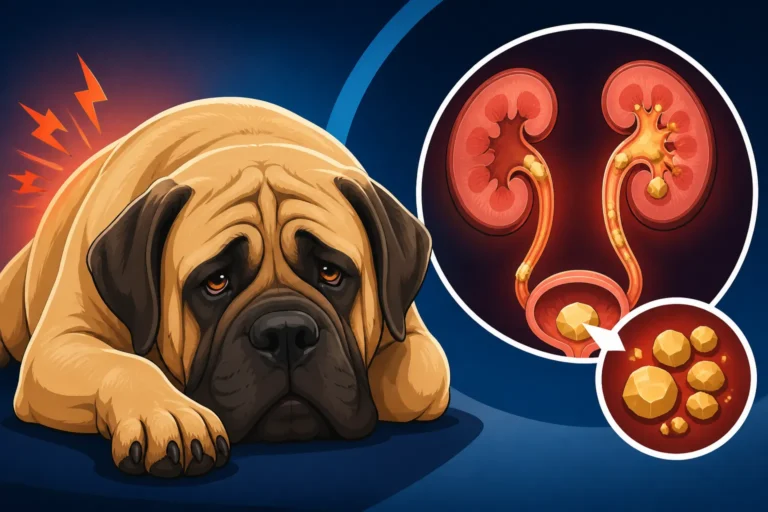
Consider this: "What Stone Surgery Costs on a Mastiff" (a general example of major surgery) gives you an idea of emergency costs. A gastropexy is an investment in your Mastiff's future health and your peace of mind. Practically, you'll also need to consider the recovery time. While typically not as long or intense as an emergency bloat surgery, your Mastiff will need restricted activity for a couple of weeks, and you'll need to monitor their incision site. Ensure you have the time and resources to provide proper post-operative care.
The Surgical Process and Post-Operative Care
Knowing what to expect before, during, and after a gastropexy can help alleviate anxiety and prepare you for your Mastiff's recovery.
What to Expect on Surgery Day
On the day of surgery, your Mastiff will typically be admitted to the veterinary clinic in the morning. A crucial first step will be pre-anesthetic bloodwork, which helps ensure your dog’s organs are functioning properly and that they can safely metabolize the anesthetic drugs. If you've wondered "Whether a Mastiff Needs Pre Anesthetic Bloodwork", the answer is a resounding yes for any elective surgery. Once cleared, your Mastiff will receive sedatives, and an IV catheter will be placed for fluids and medication.
The surgical procedure itself can take anywhere from 30 minutes to a couple of hours, depending on the technique used (open vs. laparoscopic) and whether it's combined with a spay or neuter. Laparoscopic gastropexy involves small incisions and a camera, offering a quicker recovery for some, while a traditional open approach gives the surgeon direct visualization. After the surgery, your Mastiff will be closely monitored in recovery, often with pain medication to ensure comfort. Most Mastiffs will stay overnight for observation, ensuring they are stable and comfortable before discharge.
Home Recovery and Long-Term Management
Once your Mastiff is home, the real work of recovery begins, though it's typically straightforward. You'll receive detailed instructions from your vet regarding pain management, incision care, and activity restrictions. It's vital to administer all prescribed medications as directed and to prevent your Mastiff from licking or chewing at the incision site, often requiring an Elizabethan collar (cone of shame).
Activity restriction is key for the first 10-14 days. This means no running, jumping, stairs, or strenuous play. Leashed potty breaks only are usually recommended. You might notice some lethargy or a decreased appetite for a day or two, which is normal after surgery. Long-term, while the gastropexy significantly reduces bloat risk, it's still wise to continue good preventative habits. This includes feeding smaller, more frequent meals (e.g., two meals a day instead of one large one), ensuring your Mastiff isn't exercising vigorously right after eating, and monitoring for any signs of discomfort. Remember "How Long a Mastiff Must Rest After a Meal" even after gastropexy, as the stomach can still dilate.
Making an Informed Decision for Your Mastiff
The decision for a gastropexy is a significant one, but with the right information and professional guidance, you can make the best choice for your Mastiff's health and well-being.
Consulting with Your Veterinarian
The absolute most important step in deciding on a gastropexy is an in-depth conversation with your primary veterinarian. They know your Mastiff's individual health history, temperament, and specific risk factors better than anyone. Your vet can provide tailored advice based on their clinical experience and the latest veterinary guidelines. Don't hesitate to ask every question that comes to mind – about the procedure itself, the ideal timing, potential risks, cost estimates, and post-operative care.
Some veterinary practices may even offer risk assessment tools to help you understand your Mastiff's individual susceptibility to bloat. They can also discuss whether a laparoscopic procedure is available and suitable for your dog, which often boasts faster recovery times due to its minimally invasive nature. Remember, your vet is your partner in your Mastiff's health journey, and open communication is vital for making such a crucial decision.
Weighing the Pros and Cons
To help solidify your decision, it can be useful to visually weigh the pros and cons of a prophylactic gastropexy for your Mastiff. This procedure is a significant commitment, but for many, the benefits far outweigh the drawbacks.
| Aspect | Prophylactic Gastropexy (Combined with Spay/Neuter) | Prophylactic Gastropexy (Stand-Alone) | Emergency GDV Surgery (No Gastropexy) |
|---|---|---|---|
| Risk of Fatal Torsion | Drastically reduced | Drastically reduced | High (up to 30-50% mortality even with surgery) |
| Anesthesia Exposure | One anesthetic event for two procedures | One additional anesthetic event | Urgent, high-risk anesthetic event in a compromised animal |
| Recovery Period | One combined recovery period | Two separate recovery periods | Prolonged, often complicated recovery in a severely ill dog |
| Cost | Generally lower, as it's combined with another surgery. Potentially covered by pet insurance like Healthy Paws if acquired early. | Moderate to high. Potentially covered by pet insurance like Healthy Paws if acquired early. | Very high (emergency fees, extensive treatment, potential complications). Often not fully covered if pre-existing. |
| Peace of Mind | Significant peace of mind knowing the biggest threat is largely averted | Significant peace of mind knowing the biggest threat is largely averted | Constant anxiety, knowing the risk is ever-present |
| Potential Complications | Standard surgical risks (infection, anesthetic reaction), but generally low in healthy dogs. | Standard surgical risks, similar to combined, but an additional exposure. | High risk of complications (organ damage, shock, infection, recurrence) |
| Impact on Lifestyle | Temporary activity restriction during recovery. Long-term, ability to live life with less worry about bloat. | Temporary activity restriction during recovery, twice. Long-term, ability to live life with less worry about bloat. | Can lead to long-term health issues or loss of life, profoundly impacting the owner's life. |
| Long-Term Gastric Health | Still requires good feeding habits to prevent distension, but torsion risk is removed. | Still requires good feeding habits to prevent distension, but torsion risk is removed. | Lifelong management of risk and potentially ongoing health issues from organ damage. |
For most Mastiff owners, the proactive choice of a gastropexy offers invaluable protection against a devastating condition. It’s an investment in your gentle giant’s longevity and quality of life, allowing you both to enjoy your years together with one less overwhelming worry.
Disclaimer
The information provided in this article is for general informational purposes only and does not constitute veterinary medical advice. Always consult with a qualified veterinarian for any health concerns or before making any decisions about your Mastiff's care, diet, or treatment.