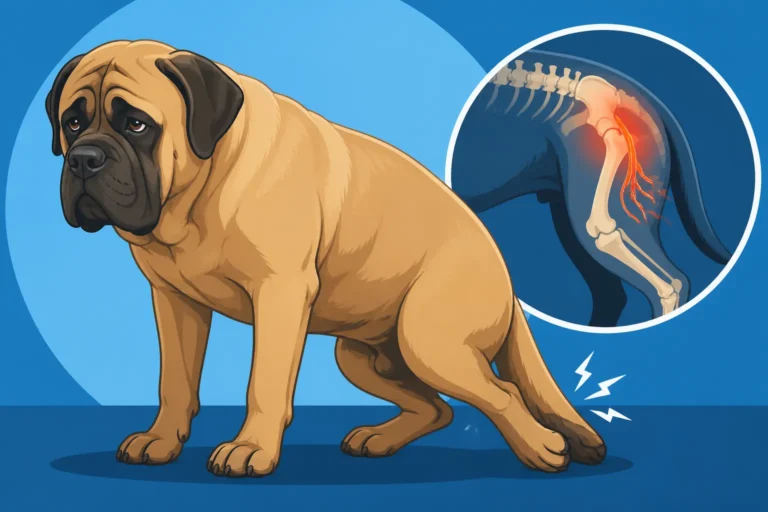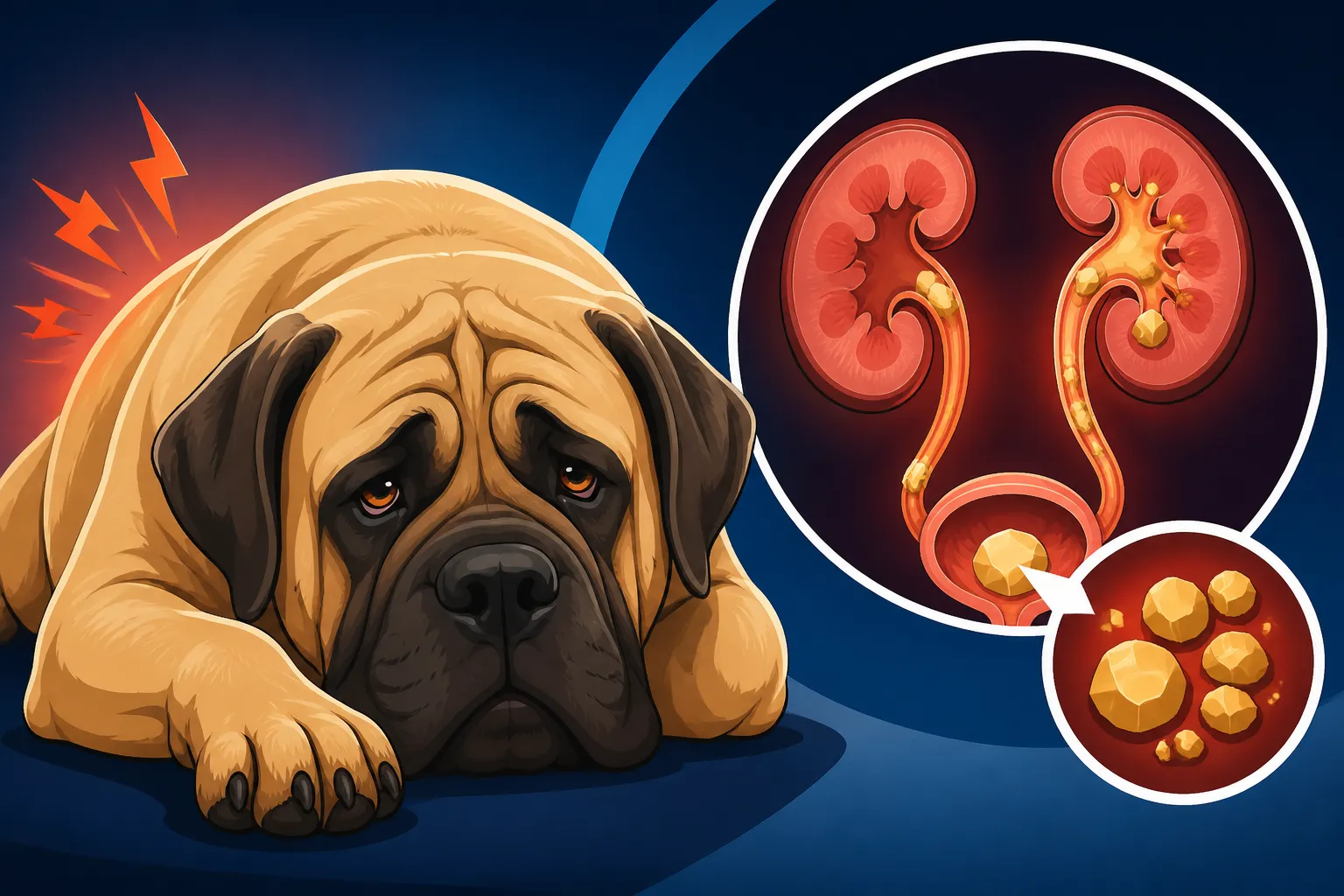
What Cystinuria Type III Does to a Mastiff
It's an utterly terrifying moment for any Mastiff owner: you see your beloved giant straining to urinate, or worse, unable to pass anything at all. The panic sets in, knowing that a urinary blockage is a life-threatening emergency, especially in our deep-chested, massive companions. For many male Mastiffs, this harrowing experience is a direct consequence of Cystinuria Type III, a genetic condition that quietly and insidiously leads to the formation of painful stones. This guide will walk you through what Cystinuria Type III does to a Mastiff, helping you understand its mechanisms, recognize its signs, and navigate the complex world of treatment and prevention.
Understanding Cystinuria Type III in Mastiffs
Cystinuria Type III is a heavy, silent burden carried by certain Mastiffs. It's a genetic metabolic disorder that specifically disrupts the transport of certain amino acids, including cystine, in the kidneys. When these amino acids aren't properly reabsorbed back into the bloodstream, they accumulate in the urine at high concentrations, leading to the formation of cystine crystals and eventually, stones. Imagine tiny, sharp grains of sand slowly coalescing into jagged rocks within your dog's bladder and urethra – that's the painful reality of cystinuria.
What Exactly is Cystinuria Type III?
At its core, Cystinuria Type III is a defect in the kidney's ability to process and reabsorb specific amino acids – particularly cystine, ornithine, lysine, and arginine (often remembered by the acronym COLA). Unlike some other forms of cystinuria, Type III is often considered "androgen-dependent," meaning its expression is heavily influenced by male hormones. This is why it predominantly, almost exclusively, affects intact male Mastiffs. The kidneys, usually efficient filters, fail to do their job correctly, and the excess cystine combines to form these troublesome crystals. Over time, these crystals can agglomerate into stones ranging from tiny specks to sizes large enough to completely obstruct the urinary tract. For a Mastiff, these stones can become incredibly large before they even cause noticeable issues, making their sudden onset even more alarming.
Why it Primarily Affects Male Mastiffs
This is one of the most distinctive and frustrating aspects of Cystinuria Type III: its strong bias towards males. The key culprit here is testosterone, the male sex hormone. Research has shown a clear link between the presence of intact male hormones and the active manifestation of Type III cystinuria. Essentially, while both male and female Mastiffs can carry the genetic mutation, it’s the male hormonal environment that acts as a trigger, allowing the condition to fully express itself and lead to stone formation.
Think of it this way: the genetic predisposition is like having a blueprint for a house, but the testosterone is the construction crew that actually builds it. Without the crew, the house (the stones) rarely gets built, even if the blueprint is present. This is a critical piece of information for breeders and owners alike, as it directly impacts management and prevention strategies. A female Mastiff might carry the gene, making her a potential silent carrier, but she is highly unlikely to ever form cystine stones herself due to the absence of high levels of androgens. This androgen-dependent nature is also why castration often plays such a significant role in managing the condition in affected males, as it removes the hormonal trigger. If you're wondering more about this specific mechanism, understanding Why Mastiff Cystinuria Is Androgen Dependent can provide even more clarity.
The Genetic Basis of the Disease
Cystinuria Type III in Mastiffs is understood to be a genetic condition, often inherited in an autosomal recessive or sometimes complex manner. This means that a dog typically needs to inherit two copies of the faulty gene (one from each parent) to be affected and show clinical signs, or one copy to be a carrier. However, the "Type III" classification sometimes implies a more complex inheritance pattern than a simple recessive gene, and ongoing research continues to refine our understanding. What’s clear is that specific genes involved in amino acid transport in the renal tubules are implicated. When these genes don't function correctly, the reabsorption process goes awry, leading to the buildup of cystine.
For responsible breeders, understanding this genetic foundation is paramount. Genetic testing has become an invaluable tool, allowing breeders to identify carriers and affected dogs before they are bred, thus preventing the heartbreaking birth of puppies destined to suffer from this condition. While there are several important genetic tests a Mastiff breeder should consider, having a reliable test for cystinuria allows for informed breeding decisions. This proactive approach is crucial in reducing the prevalence of the disease within the breed, ensuring future generations of Mastiffs can live healthier lives free from this painful condition. Testing also offers peace of mind for prospective puppy owners, allowing them to verify the health clearances of a puppy's parents.
The Silent Threat: Symptoms and Early Detection
The insidious nature of Cystinuria Type III often means that by the time you notice overt symptoms, the condition may already be quite advanced. Many Mastiff owners have shared stories of how quickly things can escalate, turning a seemingly minor issue into a full-blown emergency. Early detection is key, but the signs can be subtle and easily dismissed as something less serious.
Subtle Early Signs You Might Miss
Initially, the signs of cystinuria can be deceptively mild, making them easy to overlook, especially in a dog as stoic as a Mastiff. You might notice your dog trying to urinate more frequently, or perhaps straining a little when they do. Sometimes, the urine might appear cloudy or have a faint pinkish tint, indicating the presence of blood. These symptoms are often mistaken for a common urinary tract infection (UTI), and many dogs are treated with antibiotics without a definitive diagnosis of cystine stones.
However, antibiotics won't dissolve cystine stones, and the underlying problem persists, silently worsening. Your Mastiff might seem a bit more lethargic than usual, or perhaps less enthusiastic about their morning walk. They might lick their genital area more often. These are all subtle cues that their urinary system is in distress. Because our Mastiffs are so large, they might also struggle to position themselves comfortably to urinate, or take longer than usual to void their bladder. It’s vital not to ignore these slight changes, as they could be the first whispers of a serious issue. If you’re ever concerned, a quick trip to the vet for a urinalysis is always warranted to investigate these early signs. Knowing How a Mastiff's Cystine Stones Are Found is often a critical first step.
The Urgency of a Urinary Blockage
This is where things take a terrifying turn. As cystine crystals grow into stones, they can travel down the urethra and become lodged, completely blocking the flow of urine. This is a true medical emergency that requires immediate veterinary intervention. A complete urinary blockage means your Mastiff cannot excrete toxins, leading to a rapid buildup that can cause kidney failure, rupture of the bladder, and even death if not addressed within hours.
The signs of a full blockage are more dramatic and impossible to ignore:
- Repeated, unsuccessful attempts to urinate: Your Mastiff will strain intensely, often crying out, but produce little to no urine.
- Severe pain and discomfort: They might hunch their back, moan, or become restless. The abdomen might feel taut or distended.
- Lethargy and weakness: As toxins build up, your dog will become increasingly weak, depressed, and unresponsive.
- Vomiting and loss of appetite: These are signs of systemic illness due to the body's inability to eliminate waste.
Time is absolutely critical when a Mastiff is blocked. You might only have The Hours a Blocked Male Mastiff Has before irreversible damage occurs. Never wait to see if things improve on their own; this is a situation where every minute counts. If you suspect a blockage, get to an emergency veterinary clinic immediately. As a Mastiff owner, you know their size makes everything more challenging, including emergency transport and handling, which is why immediate action is even more paramount. Why a Blocked Mastiff Cannot Wait Until Morning cannot be stressed enough – this is not a situation that can wait.
Diagnostic Procedures for Cystinuria
Diagnosing cystinuria involves a combination of tests that help identify the presence of stones and confirm the underlying condition. When your Mastiff presents with urinary symptoms, your veterinarian will typically start with a thorough physical examination.
Here’s a breakdown of common diagnostic steps:
- Urinalysis: This is usually the first line of investigation. A urine sample is checked for pH (cystine stones tend to form in acidic urine), specific gravity, and the presence of blood, protein, and, most importantly, cystine crystals. The characteristic hexagonal shape of cystine crystals under a microscope is a strong indicator of cystinuria.
- Urine Culture and Sensitivity: While not directly diagnosing cystinuria, this test is often performed concurrently to rule out or treat any secondary bacterial urinary tract infections that can occur with stones.
- Imaging (X-rays and Ultrasound):
- X-rays: Cystine stones are usually radiolucent, meaning they don't show up clearly on standard X-rays unless they have a mineralized component. However, X-rays can sometimes reveal their presence as faint shadows or show changes in the bladder wall.
- Ultrasound: This is often more effective for identifying cystine stones. An abdominal ultrasound allows the vet to visualize the bladder, kidneys, and urethra, assessing the size, number, and location of stones, as well as checking for any associated inflammation or blockages. It can also help assess the overall health of the kidneys.
- Genetic Testing: Once stones are identified, a genetic test is often recommended to confirm the diagnosis of Cystinuria Type III. This involves a simple cheek swab or blood sample that is sent to a specialized lab. This test identifies the specific genetic mutation responsible for the condition, providing a definitive diagnosis and helping inform long-term management and breeding decisions. This is an essential step to truly understand what you're dealing with.
Together, these diagnostic tools paint a complete picture, allowing your vet to formulate the most effective treatment plan for your Mastiff.
Navigating Treatment and Emergency Care
Once Cystinuria Type III is diagnosed in your Mastiff, the focus shifts to managing the condition and preventing future stone formation or blockages. This can involve a multi-pronged approach, and the path taken often depends on the severity of the current situation.
Dissolving Stones Versus Surgical Removal
When cystine stones are present, your vet will discuss the best course of action. Generally, there are two primary routes: medical dissolution or surgical removal.
- Medical Dissolution: This involves using specialized diets and medications to try and dissolve the stones. The goal is to make the urine less acidic (more alkaline), which helps prevent cystine from crystallizing and can sometimes even break down existing stones. Medications like Thiola (tiopronin) are often prescribed. These drugs work by binding with cystine, forming a more soluble compound that can be excreted more easily. The process of dissolving stones medically can be very slow, sometimes taking several weeks to months, and requires strict adherence to medication and diet protocols. Regular re-checks with urinalysis and imaging are crucial to monitor progress. While non-invasive, it's not always successful, especially with large or stubborn stones, and can be a significant commitment. Understanding Which Drug Dissolves a Mastiff's Cystine Stones is key to exploring this option.
- Surgical Removal (Cystotomy): For Mastiffs experiencing a complete urinary blockage, or for those with large stones that aren't responding to medical dissolution, surgery is often the fastest and most definitive solution. A cystotomy involves surgically opening the bladder to physically remove the stones. This immediately relieves the obstruction and removes the source of the problem. However, surgery comes with its own risks, including anesthesia for a large breed like a Mastiff, potential for infection, and recovery time. The cost can also be considerable, and it's important to be prepared for the financial aspect; What Stone Surgery Costs on a Mastiff can be a significant concern for many owners. After surgery, ongoing medical and dietary management is still essential to prevent new stone formation.
Your veterinarian will consider the size and location of the stones, your Mastiff's overall health, and the urgency of the situation when recommending the best approach.
Emergency Management of a Blocked Mastiff
A urinary blockage is a true emergency, and for a Mastiff, the sheer size of the dog adds another layer of complexity to emergency care. When your Mastiff arrives at the emergency clinic with a blockage, the veterinary team will act quickly to stabilize them and restore urine flow.
Immediate steps typically include:
- Stabilization: Your Mastiff will be assessed for shock, dehydration, and electrolyte imbalances caused by the buildup of toxins. Intravenous fluids will be administered to help flush the kidneys and support circulation. Pain relief will also be given, as a blockage is incredibly uncomfortable.
- Unblocking: The primary goal is to relieve the obstruction. This usually involves attempting to pass a urinary catheter. For male Mastiffs, this can be particularly challenging due to the length and narrowness of the urethra and the size of the stones. Sometimes, a "retrograde urohydropulsion" technique is used, where saline is flushed through the catheter from the outside to push the stone back into the bladder, making it easier to remove later (either surgically or through dissolution).
- Monitoring: Once the blockage is cleared, your Mastiff will need close monitoring, often requiring overnight hospitalization. Urine output will be carefully tracked, and blood tests will be repeated to ensure kidney function is returning to normal and electrolyte levels are stabilizing.
The immense size and weight of a Mastiff can make these procedures more resource-intensive, requiring larger doses of medication, specialized equipment, and potentially more staff to handle them safely. The sooner you seek help, the better the prognosis for your Mastiff. Having pet insurance, such as through Healthy Paws, can be an absolute lifesaver in these unexpected, high-cost emergency situations, allowing you to focus on your dog's care rather than worrying about the bill.
The Role of Neutering in Managing Type III
For male Mastiffs diagnosed with Cystinuria Type III, neutering (castration) is often a highly recommended, if not critical, part of the long-term management strategy. This is because, as we discussed, Type III cystinuria is androgen-dependent.
By removing the testes, the primary source of testosterone, you effectively eliminate the hormonal trigger that drives cystine stone formation. Without these male hormones, the kidneys' ability to reabsorb cystine improves significantly, drastically reducing the likelihood of new stones forming. It's not a guarantee that existing stones will dissolve, but it almost always prevents the recurrence of stones once they've been cleared.
Many owners understandably grapple with the decision to neuter, especially with giant breeds where the timing of neutering can impact skeletal development. However, in cases of confirmed Type III cystinuria, the health benefits often far outweigh other considerations. For an affected male Mastiff, neutering can transform a life of chronic urinary issues and potential emergencies into one of much greater comfort and safety. It's a powerful tool in breaking the cycle of stone formation. If you're weighing this decision, exploring Why Neutering Ends the Cycle in a Cystinuric Mastiff and Whether Neutering Resolves a Mastiff's Cystinuria will give you a deeper insight into the profound positive impact it can have.
Long-Term Management and Prevention
Living with a Mastiff prone to cystine stones, or trying to prevent them in the first place, requires dedication and a proactive approach. It's not just about addressing the immediate crisis but establishing a lifestyle that minimizes risk and supports urinary health.
Dietary Modifications and Hydration
Diet plays a pivotal role in preventing the recurrence of cystine stones and can even aid in their dissolution. The goal of dietary management is two-fold: to reduce the amount of cystine available for stone formation and to create a urinary environment that is less conducive to crystallization.
- Low Protein Diet: Cystine is an amino acid, a building block of protein. Reducing the overall protein content in the diet can lower the amount of cystine that needs to be processed by the kidneys. However, it's crucial that any low-protein diet still provides adequate high-quality protein to meet the nutritional needs of a large breed like a Mastiff. Your vet might recommend a prescription urinary diet specifically formulated for stone prevention, such as Royal Canin Urinary SO or Hill's Prescription Diet c/d Multicare, or guide you on appropriate home-cooked options.
- Alkalinizing the Urine: Cystine stones form more readily in acidic urine. Therefore, a diet that helps alkalinize the urine (raise its pH) is essential. These prescription diets are typically formulated to achieve this. Sometimes, your vet might also prescribe a urine alkalinizer as a supplement.
- Increased Water Intake: This is perhaps one of the simplest yet most effective strategies. Diluted urine means that any cystine present is less concentrated, making it harder for crystals to form. Encouraging your Mastiff to drink more water is key.
- Multiple Water Bowls: Place bowls in various locations around the house.
- Wet Food: Incorporating wet food into their diet adds moisture.
- Water Fountains: Some dogs are enticed by the flowing water of a pet fountain.
- Adding Water to Kibble: Soaking kibble with water or low-sodium broth can significantly increase their fluid intake.
- You might be surprised by How Much Water a Cystinuric Mastiff Needs to truly make a difference.
Remember that any significant dietary changes should always be made under the guidance of your veterinarian to ensure your Mastiff's nutritional needs are met while effectively managing their cystinuria. It's a careful balance, particularly with a growing Mastiff, where their massive skeletal growth also needs support.
Ongoing Monitoring and Proactive Care
Managing Cystinuria Type III is a lifelong commitment, even after successful treatment or neutering. Regular monitoring is crucial to catch any potential issues early and prevent severe complications.
- Regular Urinalysis: Your vet will likely recommend routine urinalysis appointments, perhaps every 3-6 months, to check urine pH and look for cystine crystals. This early warning system can indicate if the dietary or medicinal management needs adjustment. How Often an Intact Male Mastiff's Urine Is Checked might be more frequent initially, gradually spacing out as the condition stabilizes.
- Imaging: Periodic X-rays or ultrasounds may be recommended to check for the presence of new stones before they become problematic or cause a blockage.
- Medication Adherence: If your Mastiff is on a medication like Thiola, strict adherence to the prescribed dosage and schedule is vital for its effectiveness.
- Observant Ownership: As the primary caregiver, you are your Mastiff's first line of defense. Pay close attention to any changes in urination habits, water intake, or overall demeanor. Report anything unusual to your vet promptly.
The ongoing nature of this condition means frequent vet visits, specialized foods, and potentially long-term medication, all of which can add up financially. This is precisely where having comprehensive pet insurance can make a huge difference. Companies like Healthy Paws offer plans that can help alleviate the financial burden of managing chronic conditions, allowing you to prioritize your Mastiff's health without constant stress over costs. Being prepared for these eventualities is a hallmark of responsible Mastiff ownership.
Breeder Responsibility and Genetic Screening
Ultimately, the best way to combat Cystinuria Type III is through responsible breeding practices that aim to eliminate the condition from the Mastiff gene pool. This places a significant ethical responsibility on breeders.
- Genetic Testing of Breeding Stock: Any Mastiff intended for breeding should be genetically screened for Cystinuria Type III. Identifying carriers (dogs with one copy of the faulty gene who don't show symptoms themselves but can pass it on) is just as important as identifying affected dogs. By understanding the genetic status of their breeding animals, breeders can make informed pairing decisions to avoid producing affected puppies.
- Avoiding Affected Animals in Breeding Programs: It should go without saying that a Mastiff diagnosed with Cystinuria Type III, whether symptomatic or not, should be removed from any breeding program. Their health and quality of life are paramount, and passing on this debilitating condition is irresponsible. This is why Why a Cystinuric Mastiff Is Removed From Breeding is a non-negotiable standard for ethical breeders.
- Transparency with Buyers: Reputable breeders will be transparent about the health testing of their breeding dogs, including cystinuria status. They should be able to provide documentation of genetic tests for both parents. This transparency allows prospective owners to make informed decisions and contributes to a healthier future for the breed. When you are looking for a Mastiff puppy, always ask about the parents' health clearances, including the specific genetic tests beyond the basic CHIC requirements. The comprehensive The CHIC Four Plus the DNA Stack Behind a Mastiff's Price gives a clear overview of the critical tests to look for.
By prioritizing genetic health, breeders play a crucial role in reducing the incidence of Cystinuria Type III, ensuring that fewer Mastiff families have to face the challenges and heartache this condition brings.
Comparison of Cystinuria Treatment Options
Here's a quick overview of the main treatment and management options for Mastiffs with Cystinuria Type III:
| Feature | Medical Dissolution & Prevention | Surgical Removal (Cystotomy) | Neutering (for Males) |
|---|---|---|---|
| Primary Goal | Dissolve existing stones, prevent new formation | Immediate removal of existing stones/blockage | Eliminate hormonal trigger, prevent recurrence |
| Invasiveness | Non-invasive | Highly invasive (surgery) | Moderately invasive (routine surgery) |
| Time to Effect | Weeks to months (dissolution), ongoing (prevention) | Immediate (stone removal) | Permanent (prevents new stone formation) |
| Cost | Ongoing: specialized diet, medications, vet visits | High (surgery, hospitalization, aftercare) | Moderate (initial surgery) |
| Risks | Slow progress, not always effective, recurrence if protocol not followed | Anesthesia, infection, complications, recovery | Anesthesia, potential long-term health considerations (discuss with vet) |
| Recurrence Rate | High if not diligently managed with diet/meds | High without ongoing medical/dietary management | Significantly reduced/eliminated (if done early) |
| Best For | Small, non-obstructing stones, long-term prevention | Blockages, large stones, rapid relief | Affected intact males for long-term prevention |
This table highlights that often, a combination of these approaches is used for the best long-term outcome for your Mastiff. For instance, surgery might clear a blockage, followed by neutering and medical management to prevent new stones.
Disclaimer
The information provided in this article is intended for general informational purposes only and does not constitute veterinary medical advice. Always consult with a qualified veterinarian for any health concerns or before making any decisions related to your Mastiff's health or treatment plan.