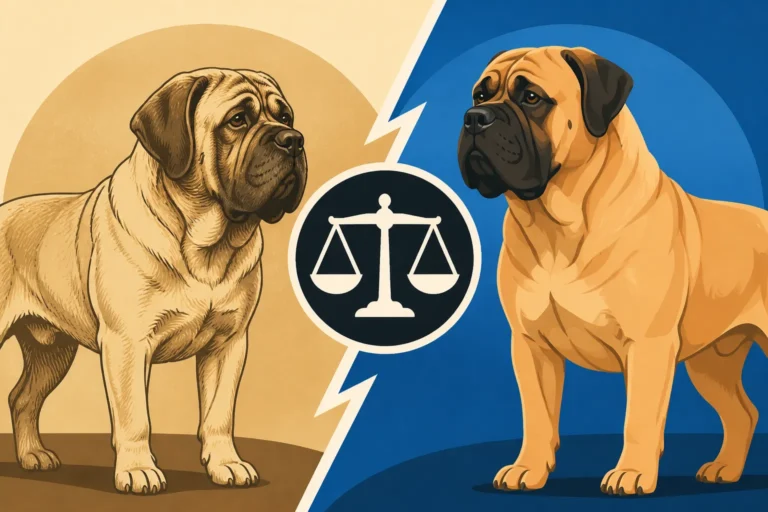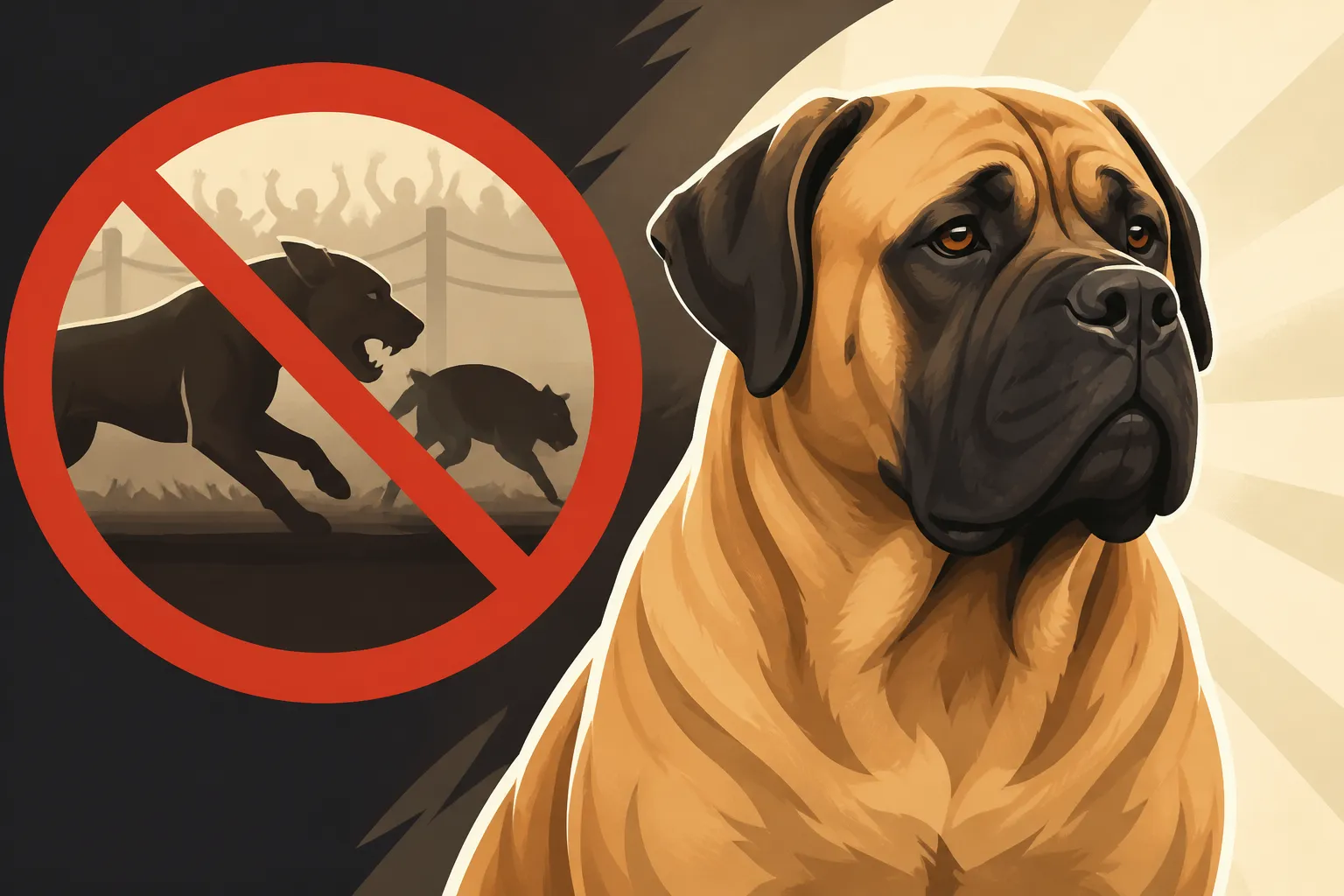
The Year Britain Banned the Baiting Mastiffs Were Used For
It’s truly a sobering thought to consider the origins of many of our beloved dog breeds, especially one as magnificent and gentle as the Mastiff. While today we cherish them as loyal family companions, their history is intertwined with some genuinely brutal practices that are hard for us to imagine. Understanding the precise moment when the tide turned against these cruel spectacles in Britain is essential to appreciating the journey our Mastiffs have taken, and how far societal views on animal welfare have come. This guide will delve into the historical context, the critical legislation, and the lasting impact this pivotal year had on the Mastiff breed.
The Brutal History of Baiting Sports in Britain
For centuries, before the advent of modern entertainment, public spectacles involving animals were a common, if barbaric, form of amusement across Britain. These events, often held in dedicated arenas or town squares, were deeply ingrained in the culture, drawing crowds from all walks of life. The Mastiff, or its formidable ancestors, were unfortunately central figures in some of the most brutal of these "sports." It's hard to reconcile the gentle giant we know today with the images of its forebears being pitted against other animals, but this historical context is crucial to understanding the breed's journey.
Bull-Baiting: The Mastiff's Gruesome Role
Of all the baiting sports, bull-baiting was arguably the most prominent and the one most associated with the Mastiff-type dogs. Imagine a bull, tethered by a rope, often enraged, facing a pack of powerful dogs specifically bred for their strength, tenacity, and ability to hold a large, dangerous animal. The goal of the dogs was to grab the bull by the nose and pin it to the ground, a feat requiring immense courage, stamina, and brute force. This wasn't merely a game; it was a bloody, drawn-out contest that often ended in severe injury or death for both the dogs and the bull. The dogs used were often large, heavy-boned, and incredibly strong, bearing a striking resemblance to what we recognize as Mastiff ancestors. They were selected for their sheer size and jaw strength, traits that would become foundational to the Mastiff breed. Mastiffs in Bull Baiting were not just participants; they were designed for the role.
The audiences for these events were vast and enthusiastic, with baiting often being a local highlight. People would place bets, cheer on the dogs, and relish the visceral drama unfolding before them. The practice was even justified by some as a way to "tenderize" the bull's meat, making it more palatable, though this was largely a convenient excuse for a deeply ingrained form of entertainment. The brutality was a feature, not a bug, and the dogs were seen as tools in this cruel sport, valued solely for their ability to perform their dangerous task. This period highlights a stark contrast in human-animal relationships compared to what we strive for today.
Bear-Baiting and Other Cruelties
While bull-baiting held a significant place, bear-baiting was another equally horrifying spectacle where Mastiff-type dogs were heavily utilized. Here, a bear, often declawed and with its teeth blunted or removed, would be chained to a stake, forced to defend itself against multiple dogs. These contests were designed to last, to provide maximum entertainment value as the bear would swat and maul the dogs, and the dogs would attempt to latch onto the bear. The sheer physical power of the Mastiff's ancestors made them ideal for such a brutal encounter. It wasn't uncommon for many dogs to be injured or killed in a single session, and the bears themselves lived lives of torment. Mastiffs in Bear Baiting were prized for their ferocity and grip.
Beyond these major events, smaller, equally cruel forms of baiting and fighting persisted. Dog fighting, rat-baiting, and badger-baiting were also common, though perhaps less public, forms of "sport" that tested the gameness and aggression of various dog breeds. The genetic legacy of these fighting dogs, including elements of their physical build and underlying temperament, still echoes in the Mastiff breed today, though centuries of selective breeding have aimed to suppress aggression and enhance their gentle, protective nature. Understanding this past helps us appreciate the deliberate efforts breeders have made to transform the Mastiff into the calm, dignified companion we know.
The Rise of Humane Sentiment and Early Attempts at Reform
As the 18th century drew to a close and the 19th century dawned, a significant shift in public consciousness began to take hold in Britain. The Enlightenment's emphasis on reason and compassion, coupled with burgeoning social reform movements, started to challenge long-accepted cruelties, including those inflicted upon animals. This wasn't an overnight change, but a gradual awakening of empathy and a re-evaluation of what constituted acceptable entertainment or practice. People began to question the morality of deriving pleasure from the suffering of sentient beings, paving the way for legislative change.
The Growing Discomfort with Public Spectacles
Initially, the discomfort with public baiting spectacles wasn't universally shared, but it began to gain traction among influential circles. Intellectuals, writers, and religious leaders started voicing strong objections to the barbarity of bull and bear baiting. They argued that such spectacles debased not only the animals but also the human participants and spectators, fostering a culture of insensitivity and violence. The idea that cruelty to animals could lead to cruelty to humans began to circulate, forming a moral foundation for the burgeoning animal welfare movement. The Year Britain Banned the Baiting Mastiffs Were Used For truly represents a shift in moral conscience.
This growing ethical stance was reinforced by changing social norms. As urban centers expanded and industrialization progressed, there was a greater desire for more "civilized" forms of entertainment. The rough and tumble, often drunken, crowds associated with baiting began to seem out of place in an increasingly ordered society. While some clung fiercely to these traditions, others saw them as relics of a less enlightened age, eager for them to be relegated to history. This internal conflict within British society laid the groundwork for the eventual legal action.
Early Animal Protection Societies and Advocacy
Crucial to this paradigm shift was the formation of organized groups dedicated to animal welfare. One of the most significant was the Society for the Prevention of Cruelty to Animals (SPCA), founded in 1824 by a group of prominent humanitarians, including Richard Martin, who became known as "Humanity Dick" for his passionate advocacy. These early societies were instrumental in raising public awareness, documenting instances of cruelty, and lobbying Parliament for legal protections for animals. They faced considerable opposition, with many viewing their efforts as meddling in traditional pastimes or trivializing human concerns.
Despite the resistance, these groups steadily gained influence. They published pamphlets, organized public meetings, and brought individual cases of cruelty to public attention. Their tireless work highlighted the need for formal legal intervention, demonstrating that the issue wasn't going to simply fade away. Their persistence meant that the plight of animals, including the Mastiff-type dogs used in baiting, could no longer be ignored by the lawmakers. It was a true grassroots movement that transformed cultural norms into legal obligations, setting the stage for more comprehensive animal welfare laws in the future.
The Crucial Year: When Baiting Was Finally Outlawed
The journey from widespread acceptance of animal baiting to its prohibition was long and arduous, marked by repeated legislative attempts and fervent debates. For years, bills proposing bans on these cruel sports were introduced in Parliament, only to be defeated by those who defended "traditional" British pastimes or feared infringing on personal liberties. However, the momentum of the burgeoning animal welfare movement eventually became too powerful to resist, culminating in a landmark piece of legislation that changed the course of animal rights in Britain.
The Cruelty to Animals Act of 1835
The pivotal moment arrived with the passage of the Cruelty to Animals Act of 1835. This Act, often referred to as "Martin's Act" after its earlier precursor championed by Richard Martin, explicitly outlawed the practices of bull-baiting, bear-baiting, dog fighting, and other forms of animal combat. It was a momentous achievement, a clear statement from Parliament that such brutal spectacles had no place in modern British society. The language of the Act was specific, criminalizing anyone who "shall keep or use any House, Room, Pit, Ground, or other Place for the Purpose of fighting or baiting any Bull, Bear, Badger, Dog, Cock, or other Animal." This meant that not only the direct participants but also those who provided the venues could be prosecuted.
While this Act was a monumental step forward, it wasn't a perfect solution. Enforcement was often challenging, particularly in rural areas or in places where these traditions were deeply entrenched. Furthermore, while overt public baiting was largely eradicated, underground dog fighting continued to persist for many decades, morphing into a more clandestine activity rather than disappearing entirely. It took further legislation and sustained efforts from animal protection agencies to truly stamp out these practices. Nevertheless, the 1835 Act fundamentally changed the legal landscape, providing a framework for future animal welfare laws and signaling a new era of protection for domestic animals.
The Immediate Impact on Mastiff-Type Dogs
The outlawing of baiting had an immediate and profound impact on the Mastiff-type dogs that had been bred for these brutal sports. Suddenly, their primary "job" was gone. This meant that the intense selective pressure for extreme aggression, tenacity, and a powerful bite specifically aimed at large animals began to lessen. Breeders who had previously focused on these traits now had to consider new roles for their impressive dogs. Many Mastiff ancestors, no longer needed for fighting pits, began to be repurposed for guarding estates and property, a role they had also historically filled but which now became their predominant purpose.
This shift initiated a slow but steady evolution in the breed's characteristics. While their formidable size and imposing presence remained highly valued for deterrence, breeders increasingly prioritized temperament traits like loyalty, calm demeanor, and a protective instinct rather than outright aggression. This era saw the Mastiff begin its transformation from a fighting dog to a dignified guardian. The emphasis moved away from breeding for a cruel spectacle and towards cultivating a dog that could live alongside humans, guarding their homes and families with a watchful eye, yet remaining tractable. It truly marked the beginning of How the Mastiff Was Bred Away From Fighting.
The Lasting Legacy and the Modern Mastiff
The outlawing of baiting sports in 1835 was not just a legal formality; it was a cultural pivot point that profoundly shaped the future of breeds like the Mastiff. It set in motion a centuries-long process of refinement, where the formidable physical attributes were retained, but the temperament was gradually molded into the gentle giant we adore today. This historical turning point is a testament to how societal values can influence animal breeding and, ultimately, the very nature of a breed.
From Arena to Hearth: The Mastiff's Transformation
With the cessation of baiting, Mastiff breeders were able to focus on cultivating the protective yet calm nature that characterizes the breed today. Their immense size, once an asset in the bull-ring, became an advantage for deterring intruders on large estates. The Mastiff developed a reputation as a magnificent, loyal guardian, watchful but rarely aggressive unless truly provoked. This transformation wasn't instant; it took many generations of careful breeding, selecting for dogs with stable temperaments and an innate desire to protect their human families without undue ferocity. The dignified presence and steady gaze we recognize in a modern Mastiff are direct results of this intentional shift away from their combative past.
This period also saw Mastiffs become symbols of status and strength, valued for their imposing appearance and calm demeanor within the household. They transitioned from being working animals in brutal contests to beloved companions and stately protectors. You can see this reflected in historical art and literature, where Mastiffs are often depicted alongside their aristocratic owners, embodying strength and fidelity. The emphasis shifted entirely: no longer were breeders selecting for dogs that would attack and hold, but for those that would stand quietly, observing, and acting as a physical deterrent. The Molossus in the Mastiff's Ancestry points to a long history, but this period truly shaped the breed we know today.
Understanding the Past for the Future
For modern Mastiff owners, understanding this history isn't just an interesting anecdote; it’s a crucial part of responsible ownership. While centuries of breeding have smoothed out much of their ancient aggression, the Mastiff's inherent power and protective instincts remain. Their gentle nature is a cultivated trait, not an absence of power. This means that consistent, positive training and early socialization are absolutely vital for a Mastiff puppy. They need to learn how to interact appropriately with the world around them, guided by a confident and calm owner. If a Mastiff puppy isn't properly socialized, or if they're taught to be aggressive, their sheer size makes them a significant challenge, something no responsible owner wants.
Knowing this history also helps us appreciate the breed's sensitivity. Despite their formidable appearance, Mastiffs are known for being quite sensitive and responsive to their owner's moods. Harsh training methods can be detrimental, potentially leading to fear or resentment rather than obedience. Positive reinforcement, patience, and consistency are the keys to raising a well-adjusted Mastiff. When choosing a Mastiff puppy, it's also important to seek out reputable breeders who prioritize health and temperament above all else. They should be able to provide clear evidence of health testing and a detailed understanding of their breeding lines' temperaments. Sometimes, finding reliable products for these gentle giants can be a challenge, but online retailers like Chewy often stock a wide range of large-breed specific items, from durable toys to orthopedic beds, that cater to their unique needs.
The Ongoing Evolution of Breed Standards
The formal recognition of the Mastiff breed through organizations like the Kennel Club (founded in Britain in 1873) and the American Kennel Club (AKC) further solidified the breed's transformation. Breed standards were developed that described the ideal physical characteristics and, importantly, emphasized the desired temperament: dignified, good-natured, and courageous. These standards consciously moved away from any traits that would suggest a fighting heritage, focusing instead on the impressive guardian. This ongoing work, even today, aims to ensure that the Mastiff remains true to its current ideal: a powerful yet gentle companion.
Even in modern times, breeders continue to make choices that impact the future of the breed. We've come so far from the days of baiting, but the responsibility to uphold ethical breeding practices and ensure the health and excellent temperament of Mastiffs remains paramount. When considering adding a Mastiff to your home, remember that you are bringing in a descendant of truly ancient and powerful dogs, whose journey from the arena to the hearth is a testament to both their resilience and humanity's evolving understanding of animal welfare. How the Modern Mastiff Differs From the Prewar Type is a fascinating look at this evolution. Reputable breeders understand the nuances of this history and often utilize genetic testing, which can be easily sourced from specialist labs or through convenient pet supply platforms like Chewy, to make informed decisions about pairings that promote robust health and stable temperaments.
| Baiting Activity Banned | Year of Major Legislation | Key Provisions | Impact on Mastiff-Type Dogs |
|---|---|---|---|
| Bull-baiting | 1835 (Cruelty to Animals Act) | Outlawed keeping or using premises for baiting bulls, bears, dogs, cocks, etc. | Reduced demand for aggressive fighting dogs; shifted breeding towards guardianship and companionship. |
| Bear-baiting | 1835 (Cruelty to Animals Act) | Included in the general ban on animal combat spectacles. | Similar to bull-baiting, encouraged selection for temperament over sheer gameness. |
| Dog fighting | 1835 (Cruelty to Animals Act) | Explicitly forbidden, though continued covertly for decades. | Removed public legitimacy and legal avenues for dog fighting, pushing it underground and reducing prevalence. |
It's clear that the 1835 Act was a watershed moment, not just for animal welfare, but for the Mastiff breed specifically. It allowed the Mastiff to shed its cruel past and begin its journey to becoming the beloved, gentle giant that so many of us cherish today. For more information on the history and care of these magnificent dogs, you might also find topics like The Mastiffs That Fought in the Arena or How Old the Mastiff Is as a British Breed quite illuminating. It’s a powerful reminder that while our dogs carry echoes of their history, it is our responsibility to ensure their future is one of kindness, respect, and companionship.
Disclaimer
This article is for general informational purposes only and does not constitute professional advice. Laws, prices and regulations vary by location and change over time. Consult a qualified professional for guidance on your specific situation.