The Mastiffs That Fought in the Arena
When people picture ancient Rome, they often imagine epic battles, gladiators, and fierce beasts locked in combat within the Colosseum. And for many, the image of a powerful, colossal dog, a "Mastiff-type" animal, standing against wild animals or even warriors, springs to mind. It's a captivating, albeit brutal, slice of history that has deeply influenced our perception of this magnificent breed, sometimes leading to misunderstandings about the truly gentle and loyal companions they are today. This guide will delve into the historical accounts of these early mastiff-type dogs in the Roman arena, exploring their role and the stark contrast between those formidable ancestors and the beloved, soft-hearted giants that fill our homes today.
The Shadow of the Molossus: Ancient Origins of Fighting Dogs
To understand the dogs that fought in the Roman arena, we must first look to the ancient world, long before the modern Mastiff breed as we know it existed. The term "Molossus" is often tossed around when discussing these historical dogs, but it's important to clarify what that really means. It wasn't a specific breed with a pedigree in the way we understand breeds today. Instead, "Molossus" referred to a type of large, robust, muscular dog originating from the region of Molossia in ancient Epirus, a Greek kingdom. These were formidable canines, prized for their immense size, strength, and unwavering courage, characteristics that made them invaluable in various demanding roles.
These ancient mastiff-type dogs were primarily used for practical, often dangerous, purposes. They served as war dogs, protecting armies and terrifying enemies on the battlefield, their sheer presence a weapon in itself. They were also indispensable guardians, tasked with defending livestock from predators like wolves and bears, and protecting homes and property from intruders. Imagine the daily challenges these dogs faced – confronting dangerous animals and unknown threats, a far cry from the comfy sofas and treat dispensers of our modern Mastiffs. Their lives demanded an innate bravery and physical prowess that few other canines possessed.
The value placed on these powerful dogs was immense, and their lineage stretched back centuries. Tales of their ferocity and loyalty were widespread, making them legendary figures in the ancient world. While the specific genetic links to our modern Mastiff are complex and debated, it's clear that the foundational traits of immense size, protective instinct, and powerful build were passed down through generations. If you're curious about this ancient lineage, you can read more in The Molossus in the Mastiff's Ancestry, which delves deeper into their historical significance.
Roman Spectacle: Mastiff-Type Dogs in the Arena
The Roman Empire, renowned for its military might and elaborate spectacles, quickly recognized the potential of these powerful dogs. As their legions expanded across Europe, they encountered various local large dog types, many sharing similar mastiff-like characteristics. One significant point of contact was during the Roman conquest of Britain. The native British dogs, described by Roman chroniclers as large and fierce, captured the Romans' attention, leading to their acquisition and transportation back to Rome. This influx of impressive canines contributed to the existing pool of robust dogs already present in the empire.
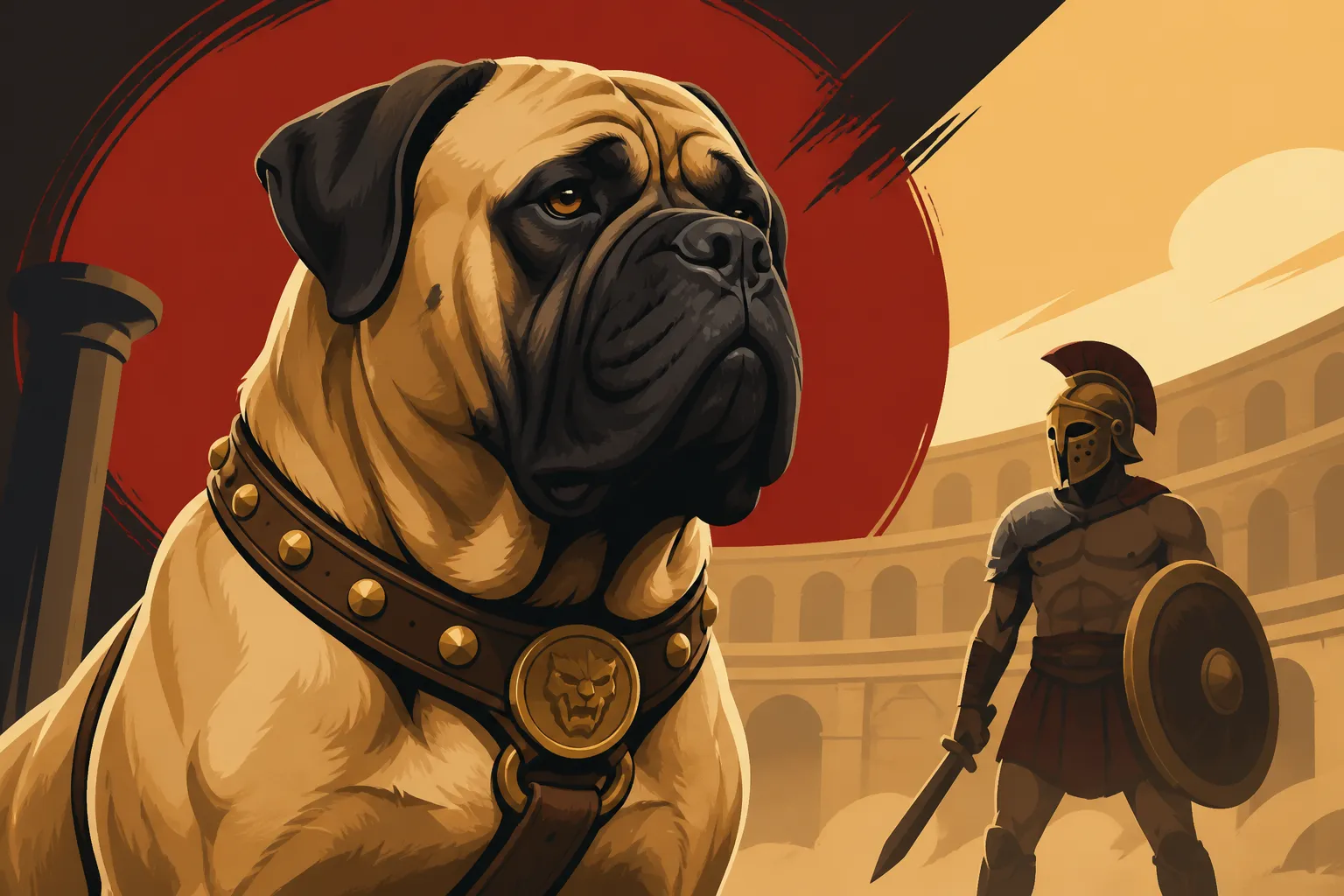
Once these formidable dogs arrived in Rome, their fate often led them to the grand amphitheaters, most famously the Colosseum. It's crucial to understand that these mastiff-type dogs weren't "gladiators" in the human sense, facing off against armed men. Instead, they were central to the venationes, elaborate animal hunts and fights staged for public entertainment. These spectacles were incredibly popular, designed to showcase the power of the empire, the exoticism of its conquests, and the sheer might of nature itself. The crowd roared for blood, and these dogs, alongside wild animals, were the tragic stars of the show. You can learn more about this period in How Roman Troops Brought Mastiffs to England.
The arena saw these mastiff-type dogs pitted against a horrifying array of creatures. Bears, often imported from distant lands, were common adversaries, their sheer bulk and claws making for a brutal contest. Lions, the king of beasts, also faced these courageous dogs, a testament to the Romans' desire for ultimate spectacles of power. And, perhaps most disturbingly, these dogs were also used in forms of "bull baiting," a cruel practice where dogs were set upon bulls, often chained, until one or the other succumbed. These were not sporting events; they were bloody displays of dominance and entertainment. The detailed article What Mastiffs Fought in the Colosseum paints a vivid picture of these brutal encounters, while Mastiffs in Bull Baiting and Mastiffs in Bear Baiting offer further specific insights into these ancient forms of cruelty.
From Arena to Estate: The Evolution of the English Mastiff
Thankfully, the era of arena combat for mastiff-type dogs eventually faded, and their roles began to evolve. In Britain, these large, powerful dogs found a new, more enduring purpose: guarding vast estates, castles, and the noble families who resided within them. The raw courage and imposing presence that made them formidable in the arena were perfectly suited to deterring poachers, protecting property, and acting as vigilant sentinels against any threat. This marked a significant shift, moving them away from being mere instruments of entertainment to respected, if still fierce, protectors.
Over centuries, through careful breeding and selection, the "Old English Mastiff" began to take shape. Breeders focused on refining their size and strength, but also on cultivating a loyal, stable temperament that could distinguish friend from foe and protect without unnecessary aggression. This wasn't an overnight change; it was a gradual process of molding a powerful guardian. The Mastiff became synonymous with the great houses of England, a symbol of status and security. We often read about their exploits, such as the famous Mastiff that stood guard over the fallen Sir Piers Legh at Agincourt in 1415, a testament to their unwavering loyalty even on the battlefield. You can delve into this fascinating historical anecdote in The Mastiff That Stood Over Sir Piers Legh at Agincourt.
The transition from brutal combatant to estate guardian fundamentally altered the breed's development. While their size and imposing stature remained, the emphasis shifted from inherent aggression to controlled protective instincts. Their primary "job" was no longer to fight to the death in an arena but to stand as a formidable deterrent, relying on their appearance and presence rather than engaging in direct combat unless absolutely necessary. The article The English Castles Mastiffs Guarded explores this protective role in more detail, and How the Mastiff Was Bred Away From Fighting explains the deliberate efforts that went into shaping their temperament.
The Modern Mastiff: Gentle Giant, Not Gladiator
Today, the modern English Mastiff is a world away from its ancient, arena-fighting ancestors. While they still carry the imposing stature and dignified presence that hints at their historical roots, their temperament is overwhelmingly characterized by gentleness, loyalty, and a calm, benevolent nature. This stark contrast is often a pleasant surprise to those who only know their historical reputation. Our Mastiffs are truly gentle giants, more likely to lean their two hundred pounds against your leg for affection than to confront an imagined foe. It’s vital to appreciate how much their breeding has emphasized these soft, companionable traits over centuries.
One of the biggest frustrations for modern Mastiff owners is the lingering misconception that their dogs are inherently aggressive or prone to violence because of their past. Nothing could be further from the truth. While they retain a protective instinct, it manifests as a quiet vigilance and a desire to keep their family safe, rather than a readiness to attack. They are superb judges of character, often reserving their deepest affection for their immediate family while remaining politely reserved, rather than overtly hostile, towards strangers. This intelligent, discerning approach to protection is a far cry from the indiscriminate fighting of the arena dogs. You can learn more about their unique guarding style in How a Mastiff Guards Without Being Taught.
Modern Mastiffs thrive as beloved family members. They are surprisingly sensitive souls, deeply attuned to their owners' moods and eager to please. They require careful socialization and positive reinforcement training, as their sheer size means that any behavioral issue can become a serious problem. Their protective instincts are now channeled into making them excellent, watchful companions for The Household a Mastiff Was Built For, where their presence alone is usually enough of a deterrent. The article The Sensitivity Nobody Expects in a Two Hundred Pound Mastiff offers a wonderful perspective on their true nature, highlighting how far they’ve come from their ancient, rough-and-tumble predecessors. The journey from the brutal arenas to our living rooms is a testament to dedicated breeders and owners who have nurtured the best qualities of this magnificent breed. These dogs are now cherished family members, and their needs reflect that shift, from specialized diets often sourced from reputable retailers like Chewy, to plush orthopedic beds that cradle their massive frames. They are no longer expected to fight for survival but to live long, comfortable, and loving lives. You can compare how much has changed in How the Modern Mastiff Differs From the Prewar Type.
The table below highlights some key differences between the ancient "mastiff-type" dogs in the Roman arena and the modern English Mastiff:
| Feature | Ancient "Mastiff-Type" in Arena | Modern English Mastiff |
|---|---|---|
| Primary Role | Combat, warfare, animal baiting | Family companion, estate guardian |
| Temperament | Fierce, aggressive, combat-ready | Gentle, loyal, protective, calm |
| Training Focus | Aggression, endurance in fight | Obedience, socialization, gentle deterrence |
| Diet | Whatever could be scavenged/provided | Carefully balanced giant breed formula |
| Health Concerns | Survival of combat injuries | Genetic predispositions, joint health, bloat |
| Socialization | Minimal, focused on aggression | Extensive, crucial for stability |
| Living Environment | Barracks, battlefields, arenas | Comfortable home, often with family |
Disclaimer
This article is for general informational purposes only and does not constitute professional advice. Laws, prices and regulations vary by location and change over time. Consult a qualified professional for guidance on your specific situation.