What a Mastiff Actually Weighs
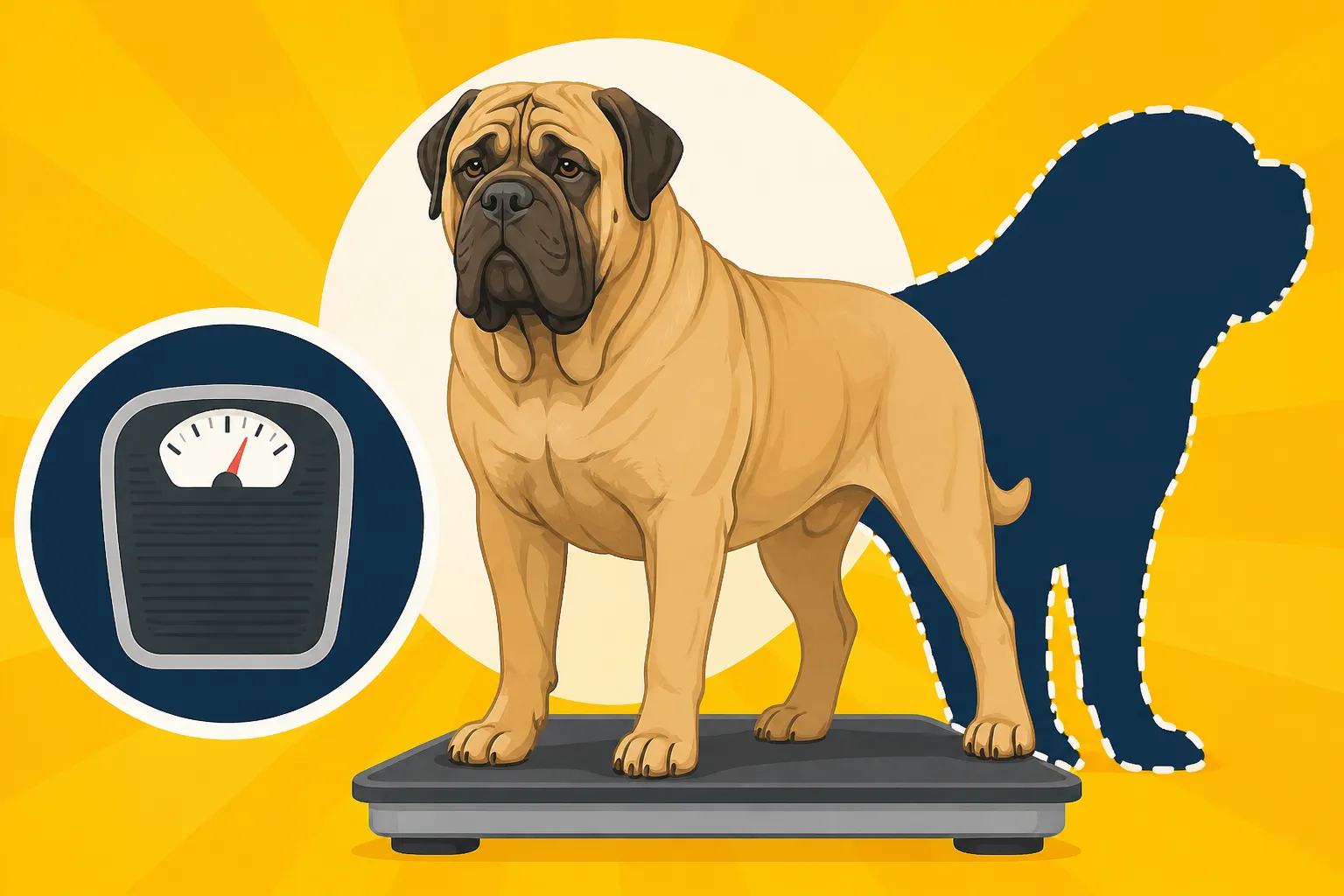
One of the biggest surprises for new Mastiff owners isn't just how big these magnificent dogs are, but how much that sheer mass truly impacts every single aspect of their lives and yours. It’s not just about a number on a scale; it's about understanding the specific realities of living with a giant, deeply wrinkled, drooling, loving behemoth. This comprehensive guide will explore the true weight of a Mastiff, delving into breed standards, growth patterns, health implications, and the day-to-day practicalities of sharing your home with a dog that quite literally changes your furniture, your vehicle, and your perception of "heavy."
Understanding the Official Breed Standard for Mastiff Weight
When you first start researching the Mastiff, you'll inevitably stumble upon breed standards. These documents, put forth by organizations like the American Kennel Club (AKC), offer a blueprint of the ideal Mastiff, covering everything from ear set to tail carriage, and of course, size and weight. It's easy to look at these numbers and think you have a clear picture, but the reality is often more nuanced than the guidelines suggest.
What the Standard Says About Weight and Height
The official breed standards for Mastiffs tend to focus more on minimums and a general impression of "massive, heavy, powerfully built" rather than strict upper limits on weight. For instance, many standards will suggest a minimum height at the shoulder, often around 30 inches for males and 27.5 inches for females. However, when it comes to weight, it's often described in less precise terms, emphasizing balance and proportion to the height rather than a definitive number. This lack of a hard upper limit can sometimes contribute to the misconception that "bigger is always better" among some enthusiasts.
It's important to remember that these standards describe an ideal, a picture of soundness and breed type. They are meant to guide breeders in producing healthy, functional dogs that conform to the historical essence of the breed. They aren't an encouragement to breed for extremes. A Mastiff's weight should always be in proportion to its height and bone structure, giving the impression of immense power without clumsiness or obesity. The goal is a dog that can still move with purpose and dignity, despite its monumental size.
Why the Standard Is a Guide, Not a Hard Rule
While breeders strive for animals that meet or exceed these standards in type and structure, the weight aspect can sometimes be a moving target. Genetics play a huge role, as does individual growth rate and overall build. Some Mastiffs, even from champion lines, might naturally lean toward the lower end of the weight spectrum for their height, while others will be denser and carry more mass. The standard provides a framework, but real-world Mastiffs are living, breathing individuals with their own unique compositions.
The ambiguity around specific weight maximums can also lead to challenges. Owners might compare their dog's weight to anecdotal accounts of the largest Mastiffs ever recorded, like Zorba, and feel their own dog isn't "big enough." This pushes some owners to overfeed, believing a heavier dog is a healthier or more impressive one, when in fact, excessive weight puts undue strain on joints and organs. The standard, while important for defining breed type, doesn't always translate directly to what a healthy weight range looks like for every single Mastiff, underscoring the need for a veterinarian's guidance.
The Reality of Mastiff Weight: Why Averages Can Be Misleading
When you talk to people about Mastiffs, the conversation inevitably turns to their colossal size. However, the reality of what a Mastiff actually weighs can often surprise people, and the averages you hear might not paint the full picture of what you'll encounter in your own home.
Average Weight Ranges for Male and Female Mastiffs
Generally speaking, fully grown male Mastiffs typically weigh between 160 to 230 pounds (72 to 104 kg), though some can certainly push past the 250-pound mark. Females are usually a bit lighter, ranging from about 120 to 180 pounds (54 to 81 kg). These are, as the name suggests, averages, and individual Mastiffs can fall outside these ranges. It's not uncommon to meet a male Mastiff weighing over 200 pounds or a particularly large female approaching that upper threshold.
The sheer volume of these dogs is also something to contend with. It's not just the number on the scale; it's the bulk, the broad chest, the heavy bone. A 200-pound Mastiff doesn't carry its weight like a 200-pound person. They are dense, solid, and incredibly powerful, which makes moving them, even gently, a significant undertaking. This is why when considering bringing one home, it's vital to truly appreciate the physical presence and scale these dogs command. You can read more about typical gender differences in size by looking into How Much a Male Mastiff Weighs and How Much a Female Mastiff Weighs.
The Difference Between "Heavy" and "Healthy"
This is perhaps the most critical distinction to make when discussing Mastiff weight. There's a persistent myth that a "good" Mastiff is necessarily a "heavy" Mastiff, often leading owners to allow their dogs to become overweight. A truly healthy Mastiff, while massive, should still have a discernible waist when viewed from above, and you should be able to feel their ribs with light pressure, even if they aren't visibly prominent. Their immense bone structure and muscle mass account for much of their weight, not excess fat.
Allowing a Mastiff to become excessively heavy is one of the most detrimental things an owner can do for their dog's long-term health. The extra pounds put immense strain on their already susceptible joints, like hips and elbows, accelerating conditions like arthritis and hip dysplasia. It also burdens their heart and other internal organs, potentially shortening their already brief Six to Ten Years Is What a Mastiff Gets. Prioritizing a healthy, lean weight over simply a "heavy" weight is paramount for their quality of life and longevity.
Factors Influencing a Mastiff's Weight: Genetics, Gender, and Growth
A Mastiff's weight isn't a static figure; it's a dynamic characteristic influenced by a complex interplay of genetic predispositions, their biological sex, and the stages of their growth and development. Understanding these factors is key to appreciating why your Mastiff might weigh what it does and how to best manage its size throughout its life.
Genetic Predisposition and Lineage
Just like in people, genetics play a foundational role in determining a Mastiff's potential adult weight. A puppy born to two large, heavily boned Mastiff parents is likely to inherit that same robust build and reach a substantial adult weight. Conversely, if the parents are on the lighter, rangier side of the breed standard, their offspring will probably follow suit. Responsible breeders carefully consider the size and structure of their breeding stock, aiming for healthy, well-proportioned dogs rather than simply the largest possible. They can often give you a good idea of what size to expect based on the puppy's pedigree.
Furthermore, different lines within the Mastiff breed might have a tendency towards certain builds. Some lines might be known for extreme mass, while others might emphasize athleticism and moderate size. When selecting a puppy, discussing the size and weight of the parent dogs, as well as previous generations, can offer valuable insight into your future Mastiff's potential mature weight. It's not an exact science, but it gives you a strong indicator of what to anticipate.
Male vs. Female Mastiff Size Differences
As is typical with many dog breeds, there is a noticeable size disparity between male and female Mastiffs. Males are consistently larger, both in height and weight. They tend to have more massive heads, thicker bone, and a generally more imposing presence. A mature male Mastiff can easily outweigh a female by 40 to 60 pounds or more. This difference isn't just aesthetic; it has practical implications for everything from the size of their crate to the amount of food they consume and the strength required to handle them on a leash.
For example, while a larger female might approach the lower end of a male's weight range, a male typically starts where a female's upper range ends. This means if you're looking for a slightly more manageable giant, a female might be a better fit, although even the smallest female Mastiff is still a truly enormous dog. It's crucial not to underestimate the strength and physical demands of even a "smaller" female. Their immense power and bulk are characteristic of the breed, regardless of gender.
The Stages of Mastiff Growth and Development
A Mastiff's weight journey is a marathon, not a sprint. They are among the slowest-maturing breeds, often not reaching their full size and bulk until they are two or even three years old. This protracted growth period is essential for their large frames to develop properly. During puppyhood, they experience rapid weight gain, but it's vital that this growth is controlled. Why a Mastiff Puppy Must Grow Slowly is a critical concept to grasp for preventing future orthopedic issues.
| Age (Approx.) | Male Mastiff Weight Range (lbs) | Female Mastiff Weight Range (lbs) | Growth Stage Observation |
|---|---|---|---|
| 8 weeks | 20-35 | 15-30 | Rapid initial growth, puppy fat |
| 4 months | 60-90 | 50-80 | Lanky, awkward, joint care critical |
| 8 months | 110-150 | 90-130 | Adolescent growth spurt, still filling out |
| 1 year | 140-190 | 110-160 | Reaching most of their height, still gaining bulk |
| 2-3 years | 160-230+ | 120-180+ | Full maturity, filling out chest and head |
As they transition from gangly adolescents to fully mature adults, their weight gain will slow, and they'll focus more on filling out their chest and developing their impressive musculature. It's during this adolescent phase, roughly from 6 months to 18 months, that they can seem a bit disproportionate, all legs and clumsy enthusiasm. Understanding these stages helps owners provide appropriate nutrition and exercise, ensuring healthy development without putting undue stress on their developing joints. Remember, patience is a virtue when raising a Mastiff; their immense size takes time to properly establish. The Age a Mastiff Stops Growing truly highlights this long developmental period.
The Critical Role of Diet and Exercise in Mastiff Weight Management
Managing a Mastiff's weight is a delicate balance, particularly given their enormous size and the rapid growth they experience as puppies. It’s not simply about quantity of food but about the right kind of nutrition and appropriate activity levels throughout their lives. Get this wrong, and you're setting the stage for a host of health problems.
Tailoring Nutrition for a Giant Breed
Feeding a Mastiff is a significant undertaking, both in terms of volume and nutritional content. Unlike smaller breeds, Mastiff puppies require a diet specifically formulated for large and giant breeds. These diets are designed to promote slower, more controlled growth, which is absolutely crucial for the healthy development of their bones and joints. Puppy foods too high in protein, calcium, or phosphorus can actually lead to developmental orthopedic diseases like osteochondrosis or worsen hip and elbow dysplasia. The key is balance and moderation, not enrichment. For more details on this, explore The Protein and Calcium Ceiling for a Mastiff Puppy.
As they mature into adults, their caloric needs change. While they still require high-quality food, it's often surprising How Little an Adult Mastiff Eats for Its Size compared to smaller, more active breeds. Many people assume a Mastiff needs to eat constantly, but often, maintaining a lean body condition means carefully measuring portions and being mindful of treats. Choosing a reputable brand that offers large breed formulas is important, and buying in bulk from retailers like Chewy can often be a cost-effective solution for managing their significant food consumption. Regularly assessing their body condition is far more important than just adhering strictly to bag recommendations, as every dog's metabolism is unique.
Appropriate Exercise Regimes for All Ages
Exercise for a Mastiff is less about intensity and more about consistency and appropriateness for their age. As puppies, over-exercising is a serious risk. Long walks, forced running, jumping, and excessive stair climbing can damage their developing joints and cartilage. A young Mastiff needs short, frequent play sessions and free play in a safe, soft area, allowing them to self-regulate their activity. Why a Mastiff Puppy Must Not Be Exercised Hard is a lesson many new owners learn too late.
Once they reach adulthood, Mastiffs are not typically high-energy dogs. They thrive on moderate, regular exercise. Daily walks, perhaps 30-60 minutes, are usually sufficient to keep them physically and mentally healthy without putting undue stress on their joints. Mental stimulation through puzzle toys or gentle training sessions is just as important as physical activity. The goal is to keep them fit and strong, not to turn them into endurance athletes. Swimming can be an excellent low-impact exercise option, but always supervise a Mastiff in water. Maintaining a healthy weight through diet and appropriate exercise is the best defense against joint issues and other weight-related health problems.
Health Implications of Being Underweight or Overweight
A Mastiff's weight has profound consequences for its overall health and lifespan. Striking the right balance – lean, muscular, and proportionate – is one of the most vital responsibilities of a Mastiff owner. Deviations to either extreme can lead to serious, often irreversible, health complications.
The Dangers of an Overweight Mastiff
An overweight Mastiff is at a significantly higher risk for numerous health problems, and sadly, their massive size only compounds these issues. Extra pounds place tremendous stress on their large, weight-bearing joints, accelerating the onset and severity of conditions like hip and elbow dysplasia, common ailments in the breed. This can lead to painful arthritis, reduced mobility, and a diminished quality of life. An obese Mastiff will often struggle to rise, move, and even breathe comfortably, especially in warmer weather. How Weight Shortens a Mastiff's Life is a stark reminder of the consequences of excessive weight.
Beyond orthopedic issues, obesity in Mastiffs contributes to a higher risk of heart disease, diabetes, certain types of cancer, and respiratory problems. Anesthesia becomes riskier, and surgical recovery can be more complicated. Moreover, skin fold infections can worsen due to increased fat deposits and limited air circulation in the folds. It's a cruel irony that owners who seek to make their Mastiff "bigger" or "more impressive" through overfeeding are often inadvertently contributing to a shorter, more painful life for their beloved companion. Regular body condition scoring, feeling for those ribs (even if you can't see them on a well-muscled dog), and working closely with your vet are essential for keeping your Mastiff at a healthy weight.
Risks Associated with an Underweight Mastiff
While obesity is the more common concern with Mastiffs, being significantly underweight also poses serious health risks. A Mastiff that is too thin might indicate an underlying medical condition, such as parasites, digestive issues, kidney disease, or even cancer. For growing puppies, malnourishment can lead to improper bone development, weak muscles, and a compromised immune system, hindering their ability to reach their full, healthy potential. How Ribby a Mastiff Puppy Should Look can be a difficult balance to judge.
An adult Mastiff who is underweight may lack the necessary muscle mass to support their large frame, making them more prone to injuries, weakness, and fatigue. They might also struggle to maintain body temperature, especially in colder climates. If your Mastiff is losing weight unintentionally, or if you're struggling to put weight on a dog that appears too lean, it's crucial to consult your veterinarian immediately. They can help diagnose any underlying medical issues and guide you on a proper nutritional plan to safely help your Mastiff gain healthy weight and muscle, rather than just fat.
The Practical Impact of a Mastiff's Weight on Your Home and Lifestyle
Living with a Mastiff means making certain concessions and adjustments to your home and daily routines. Their sheer weight and size aren't just statistics; they dictate everything from your furniture choices to your vehicle and even how you manage your daily chores. Embracing these changes is part of the Mastiff ownership experience.
Furniture, Flooring, and Vehicle Adjustments
When you bring a Mastiff into your home, prepare for impact. A 200-pound dog needs robust furniture. That delicate coffee table or slender armchair might not survive a casual lean or a sudden tail wag. Mastiffs love to lean, to flop, and to share your space, often sprawling across entire sofas. Investing in sturdy, heavy-duty furniture, or simply designating certain areas as "dog-friendly" with durable covers, becomes a necessity. This is further detailed in The Furniture, Vehicle and Doors a Mastiff Changes.
Flooring is another consideration. Hardwood or tile can be beautiful, but a heavy Mastiff can struggle with traction, especially as they age. They can slip, splay their legs, and potentially injure themselves. Runners, large area rugs, or even specialized floor coatings can provide much-needed grip. When it comes to vehicles, a sedan simply won't cut it for transporting an adult Mastiff. You'll need an SUV, a large crossover, or even a van to comfortably and safely accommodate them, especially for vet visits. You might even consider a ramp to help them get in and out, saving both your back and their joints.
Everyday Logistics: Supplies, Grooming, and Vet Visits
The practicalities extend to their daily needs. Basic supplies are super-sized. Dog beds aren't just beds; they're often orthopedic mattresses designed to support hundreds of pounds. Large, durable dog bowls are a must, as are extra-strength leashes and harnesses. Buying food from stores like Chewy means ordering giant bags of kibble that take up significant storage space and require considerable effort to lift.
Grooming, while seemingly simple for a short-haired dog, is a physical challenge. Bathing a 200-pound Mastiff requires a walk-in shower, a wash station designed for large dogs, or the assistance of a professional groomer with specialized equipment. Even nail trims can be a two-person job, especially if your Mastiff is reluctant. As for vet visits, many standard exam tables aren't rated for Mastiff weights, and it takes multiple staff members, or even a specialized gurney, to move a sedated or incapacitated Mastiff. These factors contribute significantly to What a Mastiff's Weight Does to Every Line on the Vet Invoice.
When to Be Concerned: Tracking Your Mastiff's Weight and Consulting a Vet
Given the critical link between weight and health in Mastiffs, actively monitoring their body condition and knowing when to seek professional advice is paramount. It's not about obsessing over every pound, but about being attuned to what a healthy weight looks and feels like for your individual dog.
Body Condition Scoring: More Than Just the Scale
While a scale provides a number, a body condition score (BCS) gives you a more accurate picture of your Mastiff's overall leanness or fatness. Veterinarians use a scale, often from 1 to 9 (with 5 being ideal), to assess fat deposits over the ribs, spine, and waist. For a Mastiff, an ideal BCS means you should be able to feel their ribs easily with light pressure, even if they aren't visibly prominent due to their muscle mass. You should also see a slight tuck-up at the waist when viewed from the side and an hourglass shape when viewed from above.
Regularly performing a hands-on check of your Mastiff's body condition is more valuable than fretting over a few pounds on the scale, especially since even well-calibrated home scales might struggle with such heavy animals. This tactile assessment helps you catch subtle changes over time. You might not see the changes in their thick coat, but you'll certainly feel them. If you're unsure how to properly assess your Mastiff's BCS, ask your veterinarian to demonstrate during your next visit.
Signs of Unhealthy Weight and When to Consult Your Vet
Keep a watchful eye for signs that your Mastiff's weight might be trending in an unhealthy direction. For overweight dogs, these signs include:
- Difficulty rising or moving, especially after rest
- Reluctance to exercise or play
- Heavy panting after minimal exertion
- Visible rolls of fat over the neck, back, or tail base
- Inability to feel ribs with light pressure
Conversely, for an underweight Mastiff, look for:
- Prominent ribs, spine, and hip bones that are easily visible or felt without any covering
- Lack of muscle mass
- Lethargy or weakness
- Dull coat or poor skin condition
Any significant or rapid change in your Mastiff's weight, whether gain or loss, warrants an immediate call to your veterinarian. Unexplained weight changes can be early indicators of serious underlying health conditions that require prompt diagnosis and treatment. Even if the change seems minor, their size means that "minor" can quickly become problematic. Don't hesitate to seek professional advice; it could be the difference between catching something early and facing a much more advanced problem later on.
Dispelling Myths: "Heavy" Versus "Healthy" Mastiffs
There's a pervasive culture in some circles that equates a Mastiff's worth with its size. The bigger, the heavier, the more imposing, the better, right? This mindset, while perhaps stemming from admiration for the breed's impressive physique, often does a disservice to the Mastiffs themselves, leading to unhealthy practices and misconceptions.
The Misconception of "The Biggest Mastiff"
The fascination with creating or owning "the biggest Mastiff" often leads to a dangerous obsession with pushing weight limits far beyond what is healthy or sustainable for the breed. While it's true that Mastiffs are giants, the pursuit of extreme weight often results in obesity rather than healthy mass. Dogs that are intentionally overfed to achieve record-breaking weights suffer immense strain on their joints, cardiovascular system, and overall vitality. Their immense bulk becomes a burden, rather than a testament to health. The Push to Breed Heavier Mastiffs discusses this trend.
This misguided pursuit also overlooks the fundamental aspects of the breed standard, which emphasizes soundness, balance, and the ability to move freely. A Mastiff that struggles to get up, walks with obvious discomfort, or pants excessively from minimal effort is not a healthy specimen, regardless of its number on the scale. The focus should always be on breeding and raising a Mastiff that is proportionate, well-muscled, and maintains a lean, healthy body condition that allows them to live their short lives to the fullest.
Why a Lean Mastiff is a Longer-Lived Mastiff
The evidence is overwhelming: maintaining a lean body condition is one of the most effective strategies for extending the lifespan and improving the quality of life for dogs, especially giant breeds like the Mastiff. A lean Mastiff experiences less stress on their joints, reducing the likelihood and severity of orthopedic issues. Their cardiovascular system operates more efficiently, and they are less prone to conditions like diabetes and certain cancers. While genetics play a role in their overall Why a Mastiff Only Gets Six to Ten Years, responsible weight management can truly make those years more comfortable and active.
Encouraging a lean body type from puppyhood, through controlled growth and appropriate exercise, lays the foundation for a healthier adult life. This means resisting the urge to free-feed or over-indulge them with treats, even when those pleading Mastiff eyes are looking up at you. It means working with your veterinarian to establish a proper feeding plan and regularly assessing their body condition. A Mastiff who is active, moves freely, and maintains a healthy weight is not only a happier dog but one that is more likely to be with you for as long as possible. So, let's redefine "impressive" not by the number of pounds, but by the vitality and health of these magnificent companions.
Disclaimer
This article is for general informational purposes only and does not constitute professional advice. Laws, prices and regulations vary by location and change over time. Consult a qualified professional for guidance on your specific situation.