Whether a Mastiff Tolerates Nail Trims
One of the most common struggles Mastiff owners face, often unexpectedly, is the monumental task of keeping their giant dog's nails trimmed. It might sound like a minor grooming detail, but when you're dealing with paws the size of your hand and nails as thick as a small twig, what's a simple chore for a smaller dog becomes a wrestling match that can quickly turn into a source of stress for both you and your beloved Mastiff. This guide will delve into why Mastiffs can be particularly sensitive to nail trims, how to approach this essential care routine with patience and the right tools, and when it’s best to call in professional help to ensure your gentle giant’s paw health.
Understanding the Mastiff's Temperament and Size in Relation to Grooming
It’s easy to look at a majestic Mastiff and assume their imposing presence means they’re impervious to minor discomforts. However, nothing could be further from the truth. These magnificent dogs are often far more sensitive than their size suggests, and this sensitivity, coupled with their sheer bulk, can make something as seemingly simple as a nail trim a significant hurdle.
The Gentle Giant's Reluctance: Why Mastiffs Might Resist Nail Trims
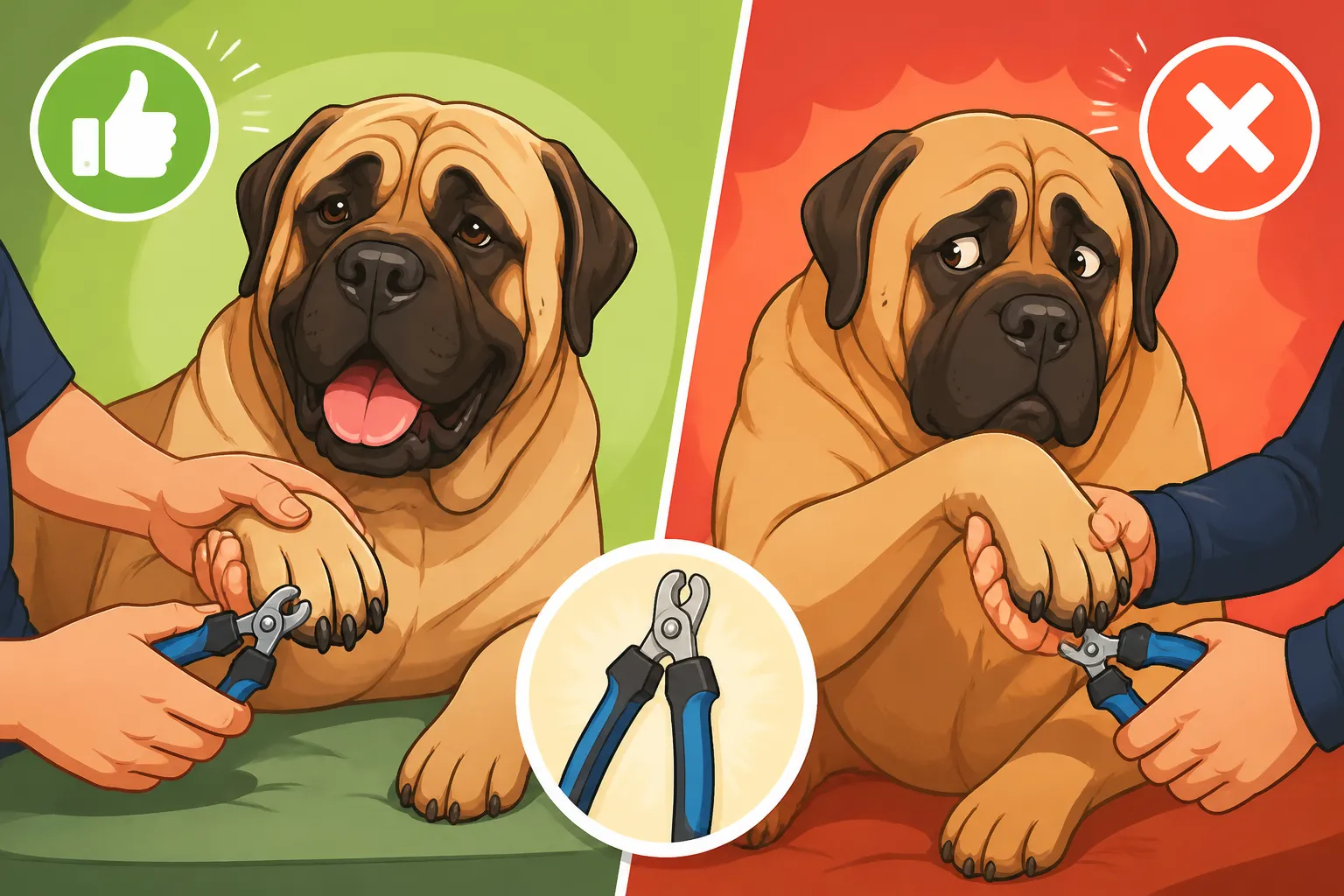
Mastiffs possess a unique blend of powerful physical presence and a surprisingly gentle, often cautious, temperament. They are not typically prone to aggression, but they are incredibly attuned to discomfort, fear, and anything that feels unfamiliar or threatening. Imagine a creature that weighs well over a hundred pounds, possibly two hundred or more, being asked to hold still while a strange, sharp object approaches its paws—a sensitive area. Their reluctance isn't usually an act of defiance, but rather a manifestation of fear, previous negative experiences, or simply an overwhelming sensation.
When a Mastiff resists a nail trim, it’s rarely about trying to be difficult. It’s often a deep-seated anxiety about the sensation, the sound of the clippers or grinder, or the feeling of being held in an awkward position. They might associate the process with pain if the quick has ever been cut, which is a common and painful mistake. Their large size means that when they decide they don't want to cooperate, it becomes physically challenging for an owner to enforce the trim, potentially exacerbating their fear and leading to more pronounced resistance next time. Owners sometimes find themselves in a standoff with a dog that simply "plants" itself, unmovable, a behavior you might recognize from other situations. This resistance isn't stubbornness in the human sense; it's a giant dog communicating "no, thank you" in the only way it knows how when feeling vulnerable. Understanding The Sensitivity Nobody Expects in a Two Hundred Pound Mastiff is key to approaching these situations with empathy.
The Physical Challenge: Managing a Large Dog for Nail Care
Beyond their emotional response, the sheer physicality of trimming a Mastiff's nails presents its own set of challenges. Getting a two hundred-pound dog into a comfortable, stable position where you can safely access their paws and nails requires forethought and sometimes a bit of creative maneuvering. Unlike a small terrier that can be scooped up and placed on a table, a Mastiff generally needs to remain on the floor, or on a specially designed grooming table if you're a professional.
Holding a Mastiff's paw firmly but gently, while trying to see the quick (the sensitive blood vessel and nerve within the nail), can be difficult. Their nails are often thick and dark, making the quick harder to spot. If your Mastiff is already nervous, they might pull their paw away suddenly, leading to accidental nicks or an incomplete trim. This is where the risk of injury comes in, not just to the dog, but also to the owner if the Mastiff shifts its weight abruptly or tries to get away. A flailing paw from a dog of this size can cause bruises, scrapes, or even more serious injuries. You're trying to perform a delicate task on a massive, sometimes unwilling, animal, and this practical reality is something many new Mastiff owners grapple with when they realize the implications of Nails, Teeth and Ears on a Mastiff That Will Not Be Lifted. The logistical nightmare of trying to pin down such a large dog often necessitates specialized tools and techniques, or even an extra set of hands.
Early Socialization and Positive Reinforcement for Nail Trims
The foundation for a Mastiff that tolerates nail trims, or any grooming for that matter, is laid early in their life. Building positive associations and gradually desensitizing them to the process can turn a dreaded chore into a routine event, or at least a manageable one.
Starting Young: Desensitization in Puppyhood
The absolute best time to introduce your Mastiff to nail care is when they are a tiny, adorable puppy. At this stage, they are more easily manipulated, their nails are smaller, and their capacity for accepting new experiences is higher. Even if you're not actually trimming, get them used to having their paws handled frequently. Gently touch their toes, rub their paws, and massage their individual nails. Make these sessions short, positive, and always follow them with lavish praise and high-value treats. Think of it as building a positive mental file for "paw touches."
As they grow, introduce the tools themselves. Let them see and sniff the clippers or the Dremel, even if you just let it vibrate nearby without touching their paw. The goal is to make the sight and sound of these objects mundane, not scary. During this critical growth period, you’re often following strict exercise guidelines like The Mastiff Puppy You Are Not Allowed to Exercise, so these quiet handling sessions are perfect for mental stimulation and bonding. By integrating these practices into your daily routine from the moment you bring your puppy home, you create a lifetime of easier grooming. This early exposure helps them learn that nail trims aren't a threat, but just another normal, albeit sometimes annoying, part of their life with you. Remember, small, consistent steps during The First Year With a Mastiff Puppy That Doubles in Size pay huge dividends later.
Positive Reinforcement Techniques for Adult Mastiffs
If you've adopted an adult Mastiff, or if puppyhood socialization was missed, don't despair! It’s never too late to start implementing positive reinforcement, though it might take more patience and time. The key is to break the process down into the tiniest possible steps and reward profusely for each small acceptance.
Start by simply touching a paw, then treating. Next, touch a nail, then treat. Gradually, introduce the clippers or Dremel without actually trimming, just showing it and rewarding calm behavior. Slowly progress to touching the tool to a nail, then making a mock clipping sound (or turning on the Dremel briefly nearby), and finally, actually trimming or grinding one nail. Always end on a positive note, even if you only manage one nail. Use treats that your Mastiff absolutely loves – cheese, boiled chicken, or even a dollop of a fresh food like Ollie can be incredibly motivating. The aim is to create an association where nail trimming equals delicious rewards. If your Mastiff becomes agitated, stop, calm them, and try again later, perhaps at an even smaller step. For very resistant dogs, sometimes applying a lick mat smeared with peanut butter to a nearby surface can distract them enough to get a few nails done. The goal isn't speed, but consistent, calm progress.
Tools and Techniques for a Less Stressful Experience
Having the right tools and knowing how to use them effectively can drastically reduce the stress of nail trimming for both you and your Mastiff. Their massive nails require durable, sharp equipment designed for their size.
Choosing the Right Nail Trimming Tools
For a Mastiff's thick, strong nails, flimsy clippers simply won't do. You’ll want heavy-duty, sharp clippers designed for large breeds. There are generally two types:
- Scissor-style clippers: These are robust and offer good leverage, making them suitable for powerful nails. Brands like Safari or Millers Forge offer models specifically for large breeds.
- Guillotine-style clippers: While popular for some dogs, they can sometimes crush rather than cut very thick Mastiff nails, potentially causing discomfort. For a Mastiff, scissor-style is often preferred for their strength and precision.
However, many Mastiff owners find immense relief by switching to a Dremel (or similar rotary tool with a sanding drum attachment). Grinding the nails down offers several advantages:
- Reduced risk of quicking: You grind layers slowly, making it easier to see when you're getting close to the quick. This significantly lowers the chance of pain, which is crucial for building trust.
- Smoother finish: Grinding leaves a smoother edge, less prone to snagging.
- Less intimidating feel: For some dogs, the vibration is less jarring than the sharp "snip" of clippers.
When choosing a Dremel, look for a cordless model for ease of use and one with adjustable speeds. Whether a Dremel Suits a Mastiff's Nails often comes down to individual dog preference and owner comfort. Regardless of your primary tool, always have styptic powder (like Kwik Stop, often available on Amazon or Chewy) on hand. This is a must-have for stopping bleeding quickly if you accidentally cut too far, which can happen even to the most experienced groomer. It helps prevent a painful experience from escalating into a full-blown phobia.
Safe and Effective Trimming Methods
Once you have your tools, the technique matters. For clippers, hold your Mastiff's paw firmly but gently. Identify the quick – it's often visible as a pinkish area in lighter nails, but in dark nails, it's an educated guess. You want to clip only the very tip, straight across, or at a slight angle. It's always better to take off too little than too much. For a Mastiff, this often means multiple small trims rather than one big snip, especially if their nails are overgrown.
If using a Dremel, hold the paw securely, making sure any long fur is out of the way to avoid getting tangled. Turn the Dremel on at a low speed first, allowing your dog to get used to the sound and vibration. Then, gently touch the grinding bit to the tip of the nail, moving it from side to side to shape and shorten the nail. Work in short bursts of a few seconds per nail to prevent heat buildup, which can be uncomfortable. Again, take off a little at a time, checking frequently. The goal is to get the nail short enough so it doesn't touch the ground when your Mastiff is standing naturally, which is vital for preventing joint strain and improving their traction on smooth floors. Keeping a Mastiff's nails short is not just cosmetic; it's fundamental to Keeping a Mastiff's Nails Short Enough for Traction and overall joint health. Long nails can splay their toes and put undue pressure on their joints, especially when they carry such immense weight.
For many Mastiffs, a second person is invaluable. One person can comfort, distract with treats, or gently hold the dog, while the other focuses on the trimming. This division of labor can make a huge difference, especially if your Mastiff is particularly wiggly or nervous. Consider if Whether Two People Are Needed to Trim a Mastiff's Nails applies to your situation. Remember to keep the sessions calm, positive, and never let frustration get the better of you.
When to Seek Professional Help
Despite your best efforts, sometimes, the task of nail trimming remains overwhelmingly difficult. This is not a failure on your part, but a realistic acknowledgment of the unique challenges of a giant breed.
Recognizing When You Need Assistance
There are clear signs that it might be time to enlist professional help. If your Mastiff shows significant fear or aggression during nail trims—growling, snapping, lunging, or trying to bite—it’s time to call in the experts. Pushing through this level of resistance can damage your bond and potentially lead to injury for either of you. Similarly, if you find yourself getting anxious or frustrated every time you approach the task, your dog will pick up on that energy, making the situation worse.
Another indicator is if you simply cannot get the job done effectively. If your Mastiff’s nails remain long, clicking on the floor, or you're consistently afraid of cutting the quick, professional intervention is wise. Overgrown nails can lead to a host of problems, including painful splayed toes, difficulty walking, and even permanent damage to their foot structure. This is particularly important for a heavy dog like a Mastiff, as long nails can impact their balance and contribute to problems like slipping on surfaces, which is why Traction: Why a Mastiff Cannot Live on Bare Hardwood is such an important consideration. Don’t let pride get in the way of your Mastiff’s comfort and health.
The Benefits of Professional Groomers or Veterinary Technicians
Professional groomers or veterinary technicians have a distinct advantage: experience with a wide variety of dogs, specialized tools, and often, a dedicated space equipped to handle large breeds. They also bring a neutral energy to the situation, which can sometimes calm a dog that is highly reactive to its owner's attempts.
Many groomers have large, sturdy grooming tables and specialized restraints (used humanely, of course) that allow them to safely position a Mastiff. They are also adept at quickly and efficiently trimming nails, minimizing the duration of the stressful experience. If your Mastiff is particularly anxious, a vet tech might be able to offer a "sedated groom," where a mild sedative is administered under veterinary supervision to make the process completely stress-free for your dog. While this isn't a long-term solution, it can be a lifesaver for dogs with extreme phobias, allowing them to get a fresh start with shorter nails and for positive associations to be built more easily afterward. Sometimes, a series of professional sessions can help reset your Mastiff's feelings about nail trims, making it easier for you to take over maintenance at home once the nails are at a manageable length. For persistent behavioral issues, a professional dog trainer specializing in positive reinforcement might even be needed, echoing the considerations of Whether a Mastiff Needs a Professional Trainer.
Here's a quick comparison of the main tools:
| Feature | Nail Clippers (Scissor Style) | Rotary Tool (Dremel) |
|---|---|---|
| Method | Snips off a section of the nail | Grinds the nail down gradually |
| Learning Curve | Requires visual identification of the quick; quicker to learn | Requires steady hand; takes more practice to achieve even results |
| Sound/Vibration | Sharp "snip" sound, no vibration | Humming sound, vibration |
| Risk of Quick | Higher if not careful or if nails are dark | Lower, as you remove small layers and can see progress |
| Finish | Can leave sharp edges; requires filing | Smooth finish; less filing needed |
| Best For | Quick trims for cooperative dogs | Nervous dogs, dark nails, maintaining short nails, precise shaping |
| Cost | Generally lower initial cost | Higher initial cost, requires replacement sanding bands |
| Maintenance | Keep blades sharp | Keep clean, ensure proper bit attachment |
Ultimately, keeping your Mastiff's nails in good condition is a non-negotiable part of their care. It impacts their comfort, their gait, and their long-term joint health. Whether you become a master nail technician yourself or rely on dedicated professionals, ensuring those impressive paws are well-maintained is an act of love for your loyal companion. With patience, persistence, and the right approach, even the most reluctant Mastiff can learn to tolerate, if not love, their nail trims.
Disclaimer
This article is for general informational purposes only and does not constitute professional advice. Laws, prices and regulations vary by location and change over time. Consult a qualified professional for guidance on your specific situation.