Why Swimming Is a Poor Cooling Plan for a Mastiff
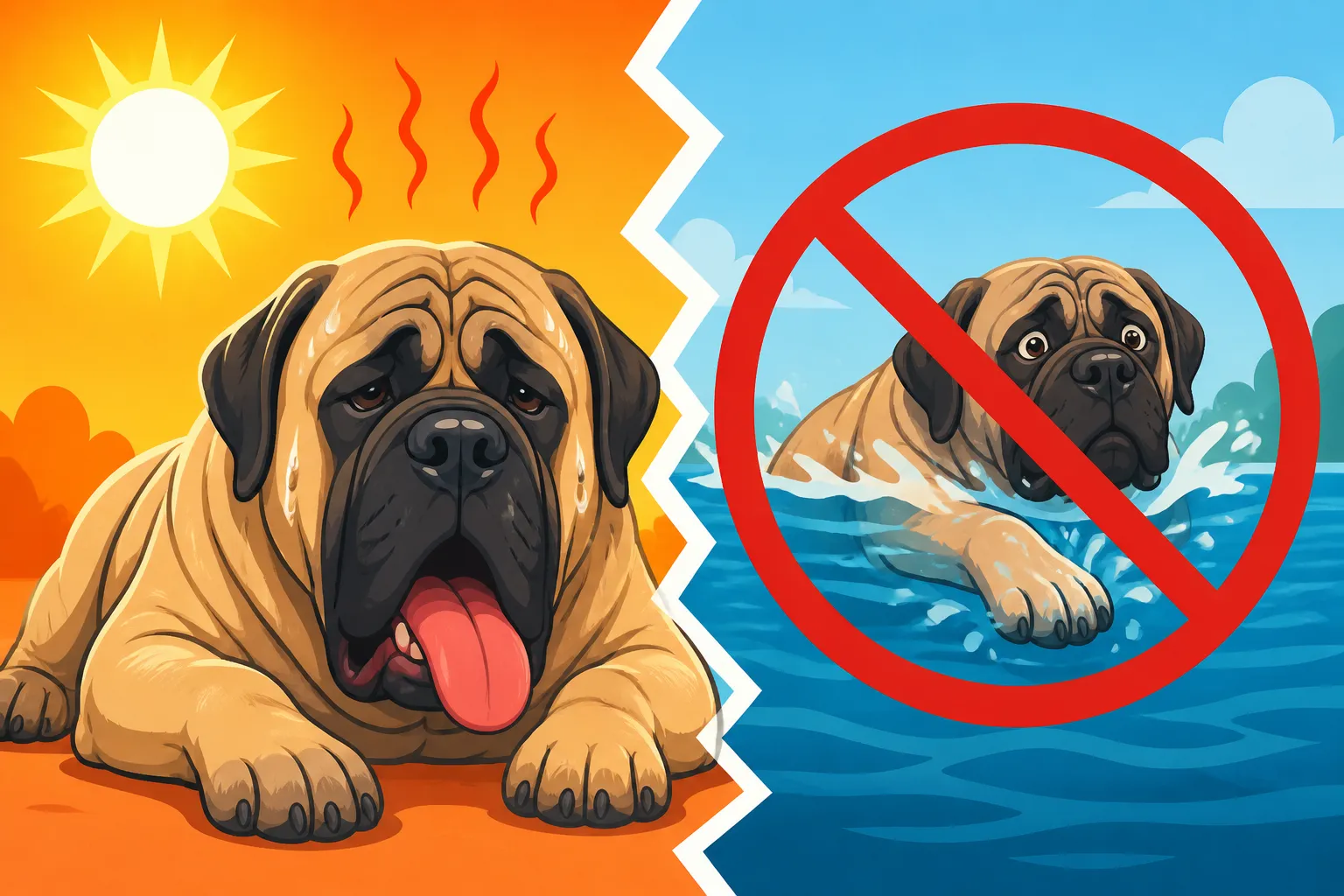
It's a hot summer day, your majestic Mastiff is panting, and you might think, "A swim will cool them right down!" It's a natural assumption, especially when you see other dogs happily splashing away. But for a Mastiff, a dip in the pool or a lake can actually be a surprisingly poor, and sometimes dangerous, cooling strategy. This guide will dive deep into why swimming isn't ideal for our massive companions and what truly effective cooling methods you should consider instead.
The Physical Realities of a Swimming Mastiff
When you look at a sleek Labrador or a powerful German Shepherd, they look like they were born to swim. Then you look at your Mastiff – a magnificent, heavy-boned, deep-chested creature – and while they might want to join the fun, their physiology often works against them in the water. It's not just about preference; it's about physics and inherent breed characteristics.
Their Unique Body Shape and Density
Mastiffs are, quite simply, dense. They are massive dogs, bred for strength and presence, not for aquatic agility. Their heavy bone structure and substantial muscle mass mean they don't have the natural buoyancy that lighter-boned breeds do. Imagine trying to float a brick versus a piece of driftwood; that's a bit of an exaggeration, but the principle holds. A Mastiff has to work incredibly hard just to stay afloat, let alone propel themselves through water. This intense physical exertion, even in cool water, can quickly lead to exhaustion, especially if they are not accustomed to swimming. They might look like they're enjoying themselves, but beneath the surface, their bodies are struggling in a way many owners don't realize. This effort is counterproductive to cooling.
Think about it: when you're exerting yourself, your body temperature rises, not falls. For a breed already prone to overheating due to their sheer bulk, forcing them to expend so much energy just to stay above water can put them at a higher risk of heat-related issues, even with water all around them. It's a cruel irony, but it's the reality for many of our giants.
Short Snouts and Breathing Challenges
Many Mastiffs have a somewhat brachycephalic (short-nosed) tendency, which means their airways are not as efficient as those of a longer-snouted breed. While not as pronounced as a Bulldog or Pug, their facial structure can still make breathing more challenging, especially during strenuous activity. In the water, where they might be holding their head at an awkward angle or occasionally getting water up their nose, this challenge is amplified. The effort to keep their head above water, combined with potentially restricted airways, can lead to heavy panting and increased respiratory effort.
Heavy panting is the primary way dogs cool themselves. If they are already struggling to breathe efficiently due to their facial structure and the demands of swimming, their ability to effectively dissipate heat through panting is compromised. This can make them overheat even faster. It's not just about staying cool; it's about making sure their respiratory system isn't under undue stress, which is a big concern for a breed like ours. You really have to consider Why Bulk Makes a Mastiff Overheat and how any strenuous activity impacts that.
Health Risks Associated with Mastiff Swimming
Beyond the physical challenge, there are several health risks that make swimming a less-than-ideal cooling method for Mastiffs. These aren't just minor inconveniences; they can lead to serious health complications that require veterinary intervention.
Overheating Despite Being in Water
This is perhaps the most counterintuitive point for many owners. How can a dog overheat in water? As mentioned, the sheer effort required for a Mastiff to swim can cause their internal body temperature to rise significantly. If the water itself isn't cold enough, or if the dog is swimming for an extended period, the water might not be able to dissipate their body heat as quickly as they are generating it. Imagine running a marathon in a swimming pool; you'd still get hot.
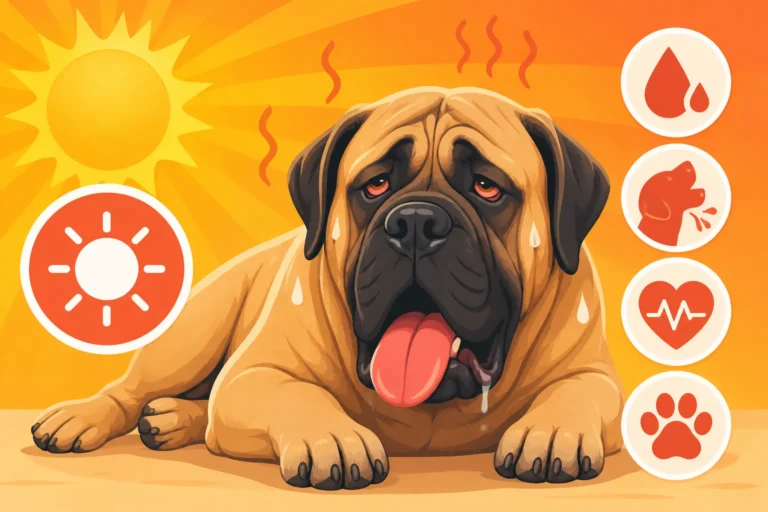
Furthermore, if the air temperature is very high, even stepping out of the water can cause their body to rapidly heat up again, especially if their thick coat holds moisture, creating a steamy sauna effect against their skin. The excitement and stress of the activity itself also contribute to a higher metabolic rate, generating more heat. It's easy to miss the Signs a Mastiff Is Overheating when you assume the water is doing its job, but a Mastiff can go from playful to dangerously hot very quickly. Always supervise closely and prioritize truly effective cooling.
Joint Strain and Musculoskeletal Issues
Mastiffs are prone to joint issues like hip and elbow dysplasia. While low-impact exercise like swimming is often recommended for dogs with joint problems, the way a Mastiff swims can sometimes negate these benefits or even exacerbate underlying conditions. The awkward, often frantic paddling required to keep their massive bodies afloat can put unnatural strain on their shoulders, hips, and spine. They might not have the graceful, efficient stroke of a water-retrieving breed. Why a Mastiff Puppy Must Not Be Exercised Hard is drilled into us for a reason, and even for an adult, sudden, intense, or uncoordinated activity can be detrimental.
The impact of getting in and out of water, especially if it involves jumping from a dock or climbing slippery steps, also poses a significant risk. A slip or awkward landing could lead to sprains, strains, or even more serious injuries in a dog of their size and weight. While hydrotherapy under controlled conditions with a therapist is beneficial, unsupervised recreational swimming is a different beast entirely. It's crucial to protect their precious joints throughout their lives.
Water Intoxication and Other Dangers
Believe it or not, dogs can suffer from water intoxication, also known as hyponatremia, if they ingest too much water. This is particularly a risk for dogs that play vigorously in the water, constantly retrieving toys or diving, taking in mouthfuls of water each time. While not unique to Mastiffs, their sheer size might make owners less vigilant about how much water they are swallowing. Symptoms can range from lethargy and bloating to staggering, vomiting, and in severe cases, seizures and coma.
Beyond water intoxication, there are other environmental risks. If swimming in natural bodies of water, there's the danger of harmful algae blooms, parasites like giardia, or hidden underwater hazards. Even in pools, the chemicals can be harsh on their skin and coat, potentially leading to irritation, especially in their deep wrinkles and folds. The Wrinkles and Folds a Mastiff Owner Cleans Every Week are already a commitment; adding chemical irritation or moisture-trapping issues from swimming can make them even more prone to infections.
Alternative Cooling Strategies for Your Mastiff
Given the challenges of swimming, what can you do to keep your gentle giant cool and comfortable when the mercury rises? There are many effective and safer methods that cater specifically to the Mastiff's unique needs.
Creating a Cool Environment Indoors
The best defense against heat for a Mastiff is often a well-managed indoor environment. This means ensuring your home stays cool, especially during the hottest parts of the day. Air conditioning is a Mastiff owner's best friend. If AC isn't an option, strategically placed fans, keeping curtains drawn on sunny windows, and using reflective window films can make a big difference. Remember, The Temperature at Which a Mastiff Should Stay Indoors should be comfortably cool for you, and likely a bit cooler for your Mastiff.
Consider cooling mats or beds. These can be gel-filled mats that absorb heat or elevated beds that allow for airflow underneath. Placing these in your Mastiff's favorite resting spots can provide direct relief. Even a simple wet towel spread out for them to lie on can offer temporary cooling, but be mindful that the towel itself will quickly warm up and lose its effectiveness. These are simple ways to keep them comfortable without any strenuous activity. How Much Cooling a Mastiff Household Needs might be more than you initially realize, so planning ahead is key.
Hydration and Frozen Treats
Keeping your Mastiff well-hydrated is paramount. Always ensure they have access to fresh, cool water. You might even consider adding ice cubes to their water bowl to keep it cooler for longer, or investing in a large, sturdy water fountain designed for giant breeds, which encourages drinking.
Frozen treats are a fantastic way to cool them down from the inside out and keep them entertained. You can freeze plain water in large ice blocks, make "pupsicles" from diluted broth, pureed fruit (like bananas or apples, check for dog-safe ingredients), or even plain yogurt. Kongs or other stuffable toys filled with wet food and then frozen are another great option. These provide a fun, engaging, and safe way to lower their body temperature without any physical exertion or risk of over-ingestion of water. You can find great options for stuffable toys or even specialized frozen treat molds on platforms like Amazon or Chewy.
Low-Impact Water Activities (Not Swimming!)
While full-on swimming might be out, careful, low-impact water play can still be enjoyable and provide some cooling benefit. A kiddie pool filled with just enough water for them to wade in, splash, and lie down can be a wonderful alternative. The water only comes up to their chest or belly, so there's no strenuous swimming involved. You can throw a few toys in there, let them bob for apples, or just lie down and soak.
Another option is a sprinkler or a gentle hose spray. Many Mastiffs enjoy standing or walking through a cool sprinkler, allowing the water to cool their coat and skin without the risk of over-exertion or accidental water ingestion. Always supervise these activities, and ensure they don't ingest too much water from the hose or sprinkler. These methods allow them to enjoy water in a controlled, safe, and truly cooling way. Which Cooling Gear Works on a Mastiff can include specialized pool ramps or sturdy, non-slip steps for even easier access to shallow water, often available from retailers like Chewy.
Safe and Enjoyable Water Interactions for Mastiffs
While "swimming" as a full-body, strenuous exercise is often a poor choice for Mastiffs, that doesn't mean all water is off-limits. There are ways to allow your Mastiff to enjoy water safely, focusing on controlled, low-exertion cooling rather than athletic feats.
Supervised Wading and Shallow Play
Instead of deep swimming, encourage wading in shallow areas. This could be a large, sturdy wading pool in your backyard, or a very shallow, calm section of a lake or river where they can stand with all four paws on the bottom. The water should be no higher than their chest when standing. This allows them to cool their core body temperature without having to actively swim. They can splash, dig their paws, and even lie down, getting their belly and legs wet, which is highly effective for cooling.
Always ensure the footing is stable and non-slippery. If you're using a natural body of water, check for currents, submerged obstacles, and water quality before letting your Mastiff in. The goal here is relaxation and cooling, not intense play. Think of it as a nice, cool foot bath that extends up to their chest, offering significant relief from the heat without the risks associated with true swimming.
The Role of Life Vests for Water Safety
If, despite all warnings, your Mastiff does end up in deeper water, or if you absolutely feel they must have some experience in a pool for very short, supervised durations, a properly fitted dog life vest is non-negotiable. These vests provide buoyancy, significantly reducing the effort required for them to stay afloat. This can help mitigate the risk of exhaustion and overheating due to over-exertion.
A good life vest will have handles on the back, allowing you to easily assist your Mastiff in and out of the water, or to guide them if they become disoriented or tired. When selecting a vest, ensure it fits snugly but comfortably, without chafing, and that it supports their body evenly. Even with a life vest, supervision is paramount. A vest is a safety aid, not an excuse to leave them unsupervised or to let them swim for extended periods. It merely reduces some of the risks associated with their natural lack of buoyancy.
Post-Water Care and Drying
After any water activity, even shallow wading, thorough post-water care is essential for a Mastiff. Their dense coats, skin folds, and often droopy ears are prime spots for moisture to get trapped, creating an ideal breeding ground for bacteria and yeast.
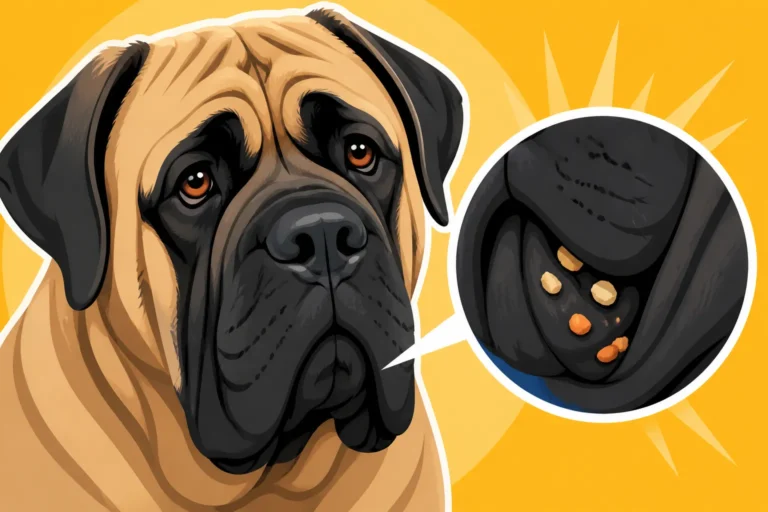
Immediately after they're done with water play, rinse them thoroughly with fresh water to remove any chlorine, salt, or lake debris. Then, dry them completely, paying special attention to their deep wrinkles around their face and neck, under their armpits, and between their toes. Use soft, absorbent towels, and you might even follow up with a low-heat blow dryer for those hard-to-reach areas, ensuring their skin is absolutely dry. You want to avoid any lingering dampness that can lead to skin infections or "hot spots" in their voluminous folds. This diligent drying routine is just as important as the activity itself to prevent secondary health issues. The Wrinkles and Folds a Mastiff Owner Cleans Every Week will certainly thank you for it!
| Cooling Method | Mastiff Suitability | Pros | Cons |
|---|---|---|---|
| Deep Water Swimming (Unsupervised) | Poor | Perceived quick cool-down (but often misleading) | High risk of overheating from exertion, joint strain, respiratory distress, water intoxication, ear/skin infections. |
| Shallow Wading/Kiddie Pool | Excellent | Low exertion, effective cooling of belly/paws, fun, safe. | Requires supervision, some cleanup. |
| Sprinkler/Gentle Hose Spray | Good | Low exertion, direct cooling, enjoyable. | Can lead to excessive water ingestion if not supervised, less effective for full body cooling compared to wading. |
| Air Conditioning/Fans | Excellent | Passive, consistent cooling, no physical exertion, ideal for indoor living. | Can be costly, requires a cool indoor space. |
| Cooling Mats/Elevated Beds | Excellent | Passive, direct contact cooling, comfortable, requires no effort from the dog. | Only cools specific contact points, effectiveness diminishes as ambient temperature rises, might be destroyed by chewers. |
| Frozen Treats/Ice Cubes | Excellent | Internal cooling, hydrating, entertaining, safe. | Can be messy, needs preparation, may not be sufficient as a sole cooling method. |
| Damp Towels | Good | Immediate, temporary relief, simple. | Quick to warm up, needs frequent re-wetting, limited cooling area. |
| Hydrotherapy (Therapist Assisted) | Excellent | Controlled environment, therapeutic for joints, safe. | Costly, requires professional facility and supervision, not for general cooling. |
Ultimately, keeping your Mastiff cool in warm weather is about smart choices that prioritize their unique anatomy and health needs. While the thought of a swimming Mastiff might paint a pretty picture, the reality is often less idyllic and potentially dangerous. Stick to the tried and true methods that offer effective, safe relief, ensuring your beloved giant enjoys a comfortable and healthy summer.
Disclaimer
This article is for general informational purposes only and does not constitute professional advice. Laws, prices and regulations vary by location and change over time. Consult a qualified professional for guidance on your specific situation.