Which Cooling Gear Works on a Mastiff
The sheer size and generous coat of a Mastiff can make warmer weather a real source of anxiety for their owners. It’s a constant worry, seeing your gentle giant panting heavily, searching for a cool spot that just doesn't seem to exist. This guide is dedicated to helping you navigate the challenge of keeping your beloved Mastiff comfortable and safe from overheating, exploring various cooling gear options and practical strategies to beat the heat.
Why Mastiffs Overheat So Easily
It’s easy to look at a Mastiff and think their short coat means they're fine in the heat, but that couldn't be further from the truth. Their massive bodies, immense muscle, and even their sheer volume work against them when temperatures rise. Understanding these fundamental physiological challenges is the first step to truly protecting them.
The Mastiff's Unique Physiology
Imagine carrying around an extra hundred pounds of muscle and bone on a hot day – that's a bit like what a Mastiff experiences. Their significant body mass means there's simply more of them to heat up, and correspondingly, more heat to dissipate. Unlike lighter, more agile breeds, a Mastiff doesn't have the surface area-to-volume ratio that helps with quick cooling. They are built for strength and presence, not for marathons in the sun.
This density extends to their bone structure as well. These are truly massive animals, and their skeletal system contributes to their overall thermal load. When you combine this with their deep chests and often substantial necks, you have a living, breathing heat sink that struggles to release warmth efficiently back into the environment. It's a fundamental aspect of their breed that we, as their caregivers, must always be mindful of, especially as they get older and their mobility might decrease, making it harder to seek out cooler spots. Why a Mastiff Is Old at Five is a good read to understand their aging process.
The Double-Edged Sword of Their Coat
While a Mastiff’s coat is certainly short, it often possesses a surprising density and can have a thick undercoat, especially if they haven't blown their winter coat effectively. This short, thick fur, while offering some protection from the sun, also acts as an insulator, trapping heat close to their body. It's not the same as the long, flowing coat of a Newfoundland that can be strategically trimmed, but it still presents a challenge.
Furthermore, Mastiffs aren't typically excessive shredders in the way some double-coated breeds are, meaning their natural shedding process isn't always efficient enough to quickly reduce their insulating layer when a heatwave hits. This insulation, designed to keep them warm in cooler climates, becomes a significant disadvantage when the mercury rises. It means that even a light breeze struggles to reach their skin and help with evaporative cooling, making them feel hotter than their short fur might suggest to the casual observer.
Their Respiration and Heat Exchange
While not typically classified as an extreme brachycephalic breed like a Bulldog or a Pug, Mastiffs do possess a shorter muzzle compared to many other working breeds, along with a deep, broad skull. This anatomical structure can slightly impact the efficiency of their primary cooling mechanism: panting. Dogs cool themselves primarily through evaporation from their tongues, nasal passages, and respiratory tract.
With a larger tongue, deeper oral cavity, and potentially a longer soft palate compared to a very lean, long-nosed breed, the airflow needed for rapid evaporation can be somewhat less efficient. This isn't to say a Mastiff can't pant effectively, but it means they have less margin for error in higher temperatures or during exertion. Combine this with their immense body heat, and you can see why they need all the help they can get to keep their internal temperature regulated.
Types of Cooling Gear for Mastiffs
When the summer sun hits, or even during an unexpected warm spell, having the right gear on hand can make a world of difference for your Mastiff. These aren't just gadgets; they're essential tools to help your big dog manage their body temperature.
Cooling Vests and Bandanas
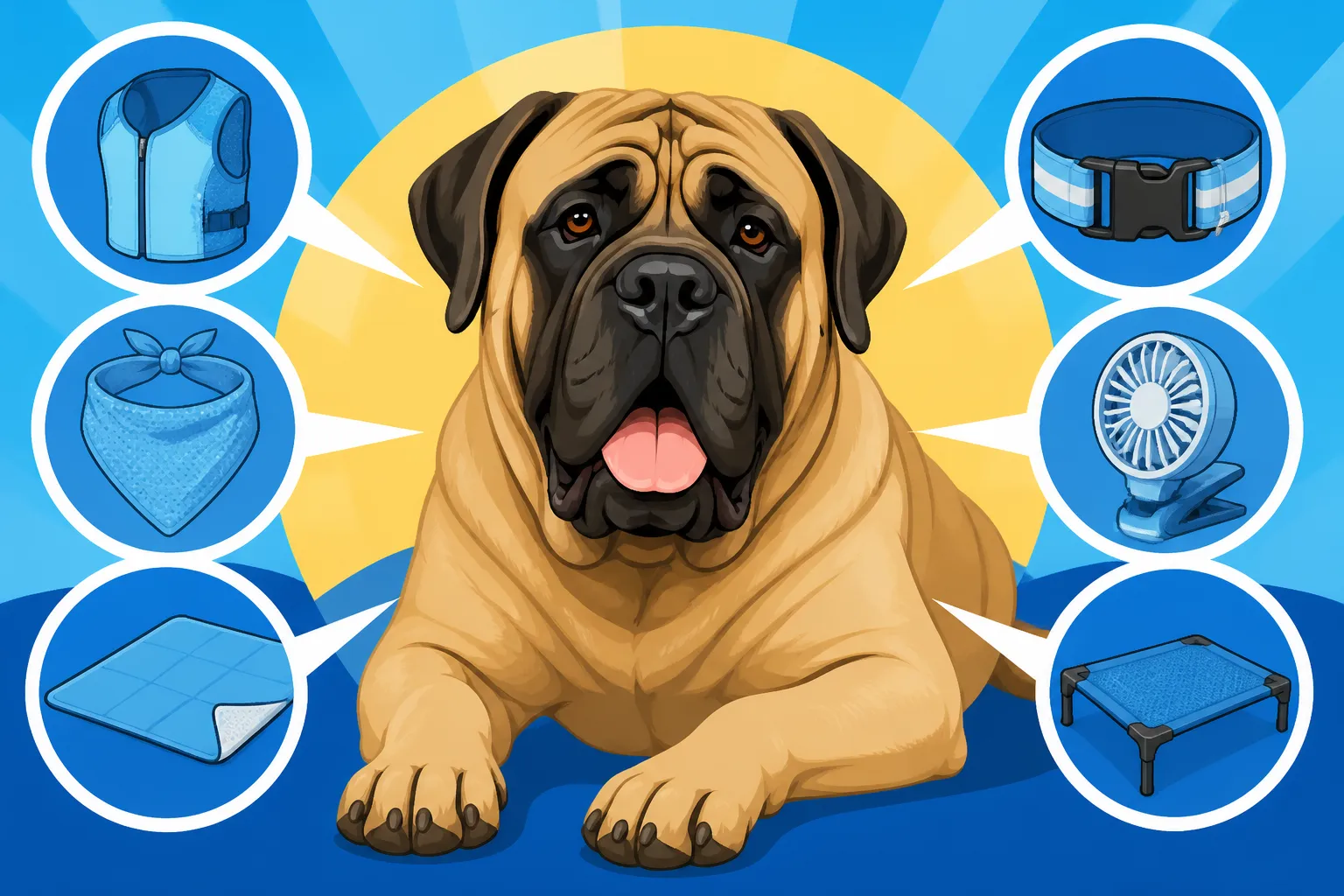
Cooling vests and bandanas work on the principle of evaporative cooling, much like sweat on human skin. You typically wet these items with cool water, wring them out, and then place them on your Mastiff. As the water evaporates from the fabric, it draws heat away from your dog's body, providing a noticeable cooling effect. Some advanced vests use phase-change materials that absorb heat and stay cool for longer periods, without needing to be soaking wet.
The pros of these items are clear: they are wearable, making them suitable for supervised outdoor time or even short, necessary walks during warmer parts of the day. They target key areas where blood vessels are close to the surface, like the chest and neck, helping to cool the blood circulating through these regions. However, a significant con for Mastiffs is that a standard bandana might not cover enough surface area to make a huge impact on such a large dog. You'll need an appropriately sized vest to truly be effective, and even then, these items often need frequent re-wetting to maintain their cooling power. Look for extra-large sizes on sites like Amazon or Chewy, making sure to read reviews about their efficacy on giant breeds.
Cooling Mats
Cooling mats are fantastic for providing a consistent cool spot for your Mastiff to lie on indoors or in shaded outdoor areas. There are two main types: gel-filled mats and water-filled mats. Gel mats usually activate when pressure is applied, drawing heat away from the dog and dissipating it. They don't require refrigeration or electricity, which is incredibly convenient. Water-filled mats, on the other hand, need to be filled with water, and sometimes you can add ice to them for extra cooling, but they can be heavier and potentially messier.
The biggest benefit of a cooling mat is that it's a passive solution, always there for your Mastiff when they need to cool down. They are perfect for dogs who love to sprawl and are excellent for use in crates, under shaded patios, or simply on the living room floor. However, Mastiffs, being large and sometimes prone to chewing as puppies or out of boredom, can puncture these mats. If the mat is gel-filled, the contents aren't always safe if ingested. Always supervise initial use and ensure you buy a mat robust enough to withstand a giant breed's weight and potential clumsy movements. You’ll definitely need an extra-large mat to accommodate their full body; standard sizes won't cut it. Brands often specify weight limits, so check those carefully when shopping on sites like Chewy or Amazon.
Elevated Beds with Breathable Fabric
An elevated dog bed might not seem like "cooling gear" in the same way a wet vest is, but it plays a crucial role in preventing overheating. These beds lift your Mastiff off the floor, allowing air to circulate freely underneath them. This simple act prevents heat from building up between their body and the floor surface, which is especially important on tile, carpet, or concrete which can retain heat.
The pros are numerous: they're durable, often made with mesh or other breathable fabrics that promote airflow, and they keep your Mastiff away from hot spots on the floor. They can also be easier for older Mastiffs to get on and off, reducing strain on their joints, which is always a bonus. Why an Old Mastiff Cannot Get Up highlights these mobility issues. While they don't actively cool your dog like a wet vest, they significantly improve passive cooling by optimizing air circulation around their entire body. The main "con" is that they rely on the ambient air temperature to be somewhat cool themselves; they won't help much in a stifling hot room without air conditioning. When selecting one, ensure it's rated for a giant breed's weight and offers ample space for sprawling.
How to Use Cooling Gear Effectively
Having the right cooling gear is only half the battle; knowing how to use it correctly for your Mastiff is just as important. These gentle giants require specific considerations to ensure their comfort and safety.
Sizing and Fit Are Crucial
This cannot be stressed enough: for a Mastiff, size truly matters. A cooling vest that’s too small will be ineffective, covering only a tiny fraction of their substantial body, and might even restrict their movement. Imagine trying to cool a large building with a small fan; it simply won't work. When you're looking at cooling vests, measure your Mastiff carefully around the chest and neck, and compare it to the brand's sizing chart. Don't assume an "XL" will be enough; many standard XLs are designed for breeds half the Mastiff's size. You’ll often need to seek out "Giant Breed" specific sizing.
The same goes for cooling mats and elevated beds. A small mat means your Mastiff can only get one part of their body cool at a time, forcing them to choose between their chest, belly, or hips. They need enough surface area to sprawl out completely and make full contact with the cooling element. For elevated beds, ensure it can support their full weight without sagging, which could defeat the purpose of elevation and become uncomfortable. Always check the weight ratings and dimensions thoroughly before purchasing, especially from online retailers like Amazon or Chewy, where user reviews about sizing for large dogs can be incredibly helpful.
Pre-cooling and Placement
To get the most out of certain cooling items, a little preparation goes a long way. For cooling vests and bandanas, pre-soaking them in cold water for a few minutes before use, or even chilling them briefly in the refrigerator (if they're a phase-change type), will maximize their immediate cooling effect when you put them on your Mastiff. Don't just dampen them; ensure they are thoroughly saturated if they rely on evaporative cooling.
For cooling mats, strategic placement is key. Put the mat in your Mastiff's favorite resting spot, away from direct sunlight, and in an area where they naturally seek comfort. If they have several go-to napping spots throughout the day, consider having a mat in each. This ensures they always have access to a cool surface without having to wander too far or exert extra energy to find it. Remember, the goal is to make cooling as effortless as possible for them. Similarly, position elevated beds in areas with good airflow, perhaps near an open window (if screened) or a fan.
Monitoring and Maintenance
Even with the best cooling gear, constant vigilance is paramount when you have a Mastiff in warm weather. Gear is a tool, not a guarantee. Regularly check your dog for signs of overheating: excessive panting, drooling, lethargy, bright red gums, or stumbling. Gently touch their ears and paw pads – if they feel excessively warm, it's a sign they're struggling. Don't assume the gear is doing its job perfectly without checking your dog.
Maintenance is also crucial for hygiene and effectiveness. Cooling vests and bandanas need to be washed regularly to prevent the buildup of bacteria, mold, or odors, especially since they're often wet. Always follow the manufacturer's washing instructions. Cooling mats should be wiped down frequently, and checked for any punctures or damage that could compromise their function or safety. Elevated beds can accumulate dirt and hair, so vacuuming and occasional washing of the fabric cover will keep them fresh and effective at promoting airflow. Good maintenance extends the life of your gear and ensures it's always ready to provide the best possible relief for your gentle giant.
Beyond Gear: Complementary Cooling Strategies
While specialized cooling gear is incredibly helpful, it's just one piece of the puzzle. A holistic approach to keeping your Mastiff cool involves managing their environment, ensuring proper hydration, and adjusting their daily routine.
Environmental Control
The first line of defense against overheating for a Mastiff is always their immediate environment. Air conditioning is a Mastiff owner's best friend. If you have it, use it generously during warmer months. Remember that a Mastiff's comfort zone is often significantly cooler than a human's, especially given How Much Cooling a Mastiff Household Needs. If central AC isn't an option, consider portable units for their main living areas or strategically placed fans. Just ensure fans are positioned safely, so they can't be knocked over or accessed inappropriately.
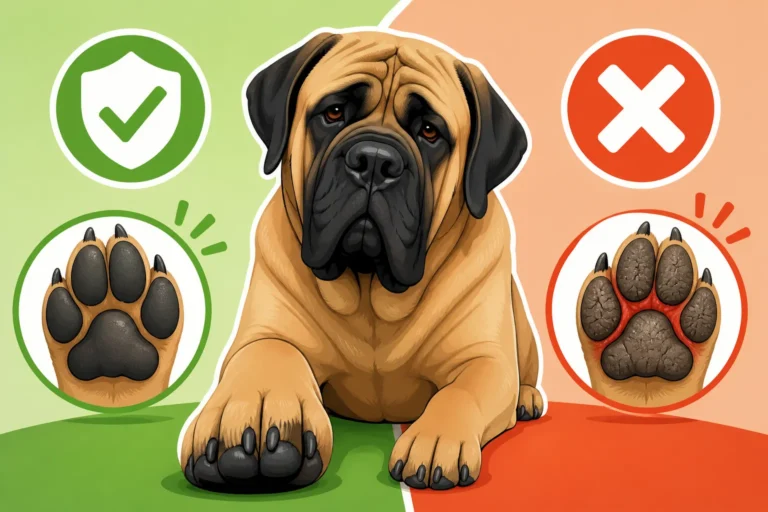
Shade, whether from trees, awnings, or sun sails, is absolutely non-negotiable for any outdoor time. Never leave a Mastiff in direct sunlight for extended periods, even on a seemingly mild day. Keeping blinds and curtains closed during the hottest parts of the day can also dramatically reduce the indoor temperature by blocking radiant heat from the sun. Think about the surfaces your Mastiff walks and rests on. Concrete and asphalt can get scorching hot, potentially burning paws and radiating heat back up to their body. The Temperature at Which a Mastiff Should Stay Indoors is vital to understand, as internal ambient temperatures matter significantly for their well-being.
Hydration and Water Access
Proper hydration is critical for all dogs, but for a Mastiff, it’s a constant battle against their sheer size and tendency to overheat. Always ensure your Mastiff has access to multiple large, fresh water bowls throughout your home and yard. These bowls should be heavy enough that they can't be easily tipped over. Consider adding ice cubes to their water to encourage drinking and provide a slight internal cooling effect.
For outdoor relief, a sturdy kiddie pool filled with a few inches of cool water can be a lifesaver. Many Mastiffs love to wade or even lie down in a shallow pool, which cools their belly and paws, two key areas for heat exchange. This is especially true after a short walk or during an afternoon in the yard. Just make sure the water isn't too cold (which can be a shock) and that they are supervised to prevent accidental ingestion of too much water or slippery exits. Making sure they have constant access to cool, fresh water is one of the most basic yet effective ways to help them regulate their temperature, especially when combined with their cooling gear. How Much Water a Cystinuric Mastiff Needs gives important context on the volume of water these dogs require.
Timing and Activity Adjustment
One of the simplest yet most effective ways to prevent your Mastiff from overheating is to completely rethink their daily schedule when temperatures climb. Avoid all strenuous activity during the hottest parts of the day, typically between 10 AM and 4 PM. This means no walks, no yard play, and certainly no car rides during these hours if your vehicle isn't adequately air-conditioned. Whether a Mastiff Should Walk at Midday offers more insight into this crucial timing.
Instead, shift walks and outdoor potty breaks to the very early morning or late evening when the sun is low, and temperatures are significantly cooler. Even then, keep walks short and focused. A short walk around the block is often enough for a Mastiff in warm weather; they are not endurance athletes. Pay attention to the pavement temperature – if it's too hot for your bare hand, it's too hot for their paws. During these cooler periods, if your Mastiff is usually very active, try to engage them with indoor, low-impact activities like puzzle toys or scent work to keep their minds stimulated without raising their body temperature too much. Remember, preventing overheating is always easier and safer than trying to reverse it.
| Cooling Gear Type | How It Works | Pros for a Mastiff | Cons for a Mastiff | Best Use Case |
|---|---|---|---|---|
| Cooling Vests/Bandanas | Evaporative cooling (wet fabric draws heat away) | Targeted cooling on chest/neck, wearable for activity | May need frequent re-wetting, can be too small for full effect | Supervised outdoor time, short walks, post-activity cool-down |
| Cooling Mats | Gel or water-filled, absorbs body heat | Passive, always available, great for resting and sprawling | Can be punctured, need robust giant-breed sizing, initial cost | Indoor cool spots, crates, shaded patios |
| Elevated Beds | Lifts dog off floor, allows air circulation | Durable, prevents heat buildup from floor, joint-friendly | No active cooling, relies on ambient air, can be bulky | Everyday sleeping/resting, indoor and outdoor (shade) |
| Kiddie Pools | Shallow water immersion (paws & belly cooling) | Quick, effective full-body cool-down, fun for many Mastiffs | Can be messy, requires supervision, only for outdoor use | Outdoor play, after walks, extreme heat relief |
| Fans / Air Conditioning | Moves air, lowers ambient temperature | Most effective for overall environmental cooling | Requires electricity, less portable, can be costly | Indoor living spaces, main resting areas |
Disclaimer
This article is for general informational purposes only and does not constitute professional advice. Laws, prices and regulations vary by location and change over time. Consult a qualified professional for guidance on your specific situation.