Whether a Mastiff Sheds More Than Expected
So, you're bringing a majestic Mastiff into your life, or maybe you already have one, and you've heard whispers, or perhaps experienced the reality, that their shedding might be a bit more… substantial than you initially anticipated. It’s a common misconception that a short-coated dog means less hair around the house. Many people assume that if the hair isn't long and flowing, it won't be everywhere. Oh, if only that were true for our beloved Mastiffs! The truth is, these gentle giants do shed, and often more than people expect. This guide will help you understand the nuances of Mastiff shedding, equip you with practical management strategies, and help you set realistic expectations for living with a two hundred pound shedding machine.
The Reality of the Mastiff Coat and Its Shedding Cycles
When you first look at a Mastiff's short, sleek coat, you might think it's easy breezy, low maintenance, and won't leave a furry trail. But the reality can be quite a different story. These dogs might not have long, flowing locks, but their density and the sheer volume of their bodies mean there's still plenty of hair to go around.
Understanding the Mastiff's Short, Dense Coat
A Mastiff's coat, while short, is incredibly dense. It's not a single layer like some breeds; rather, it often has a softer, thicker undercoat beneath a coarser outer layer. This combination is designed to protect them from various elements, but it also means there's a lot of hair packed into that massive frame. Think of it less like a sleek greyhound and more like a compacted, short-haired sheepdog, just without the visible fluff. Every single hair follicle on that enormous body is doing its job, growing and eventually releasing.
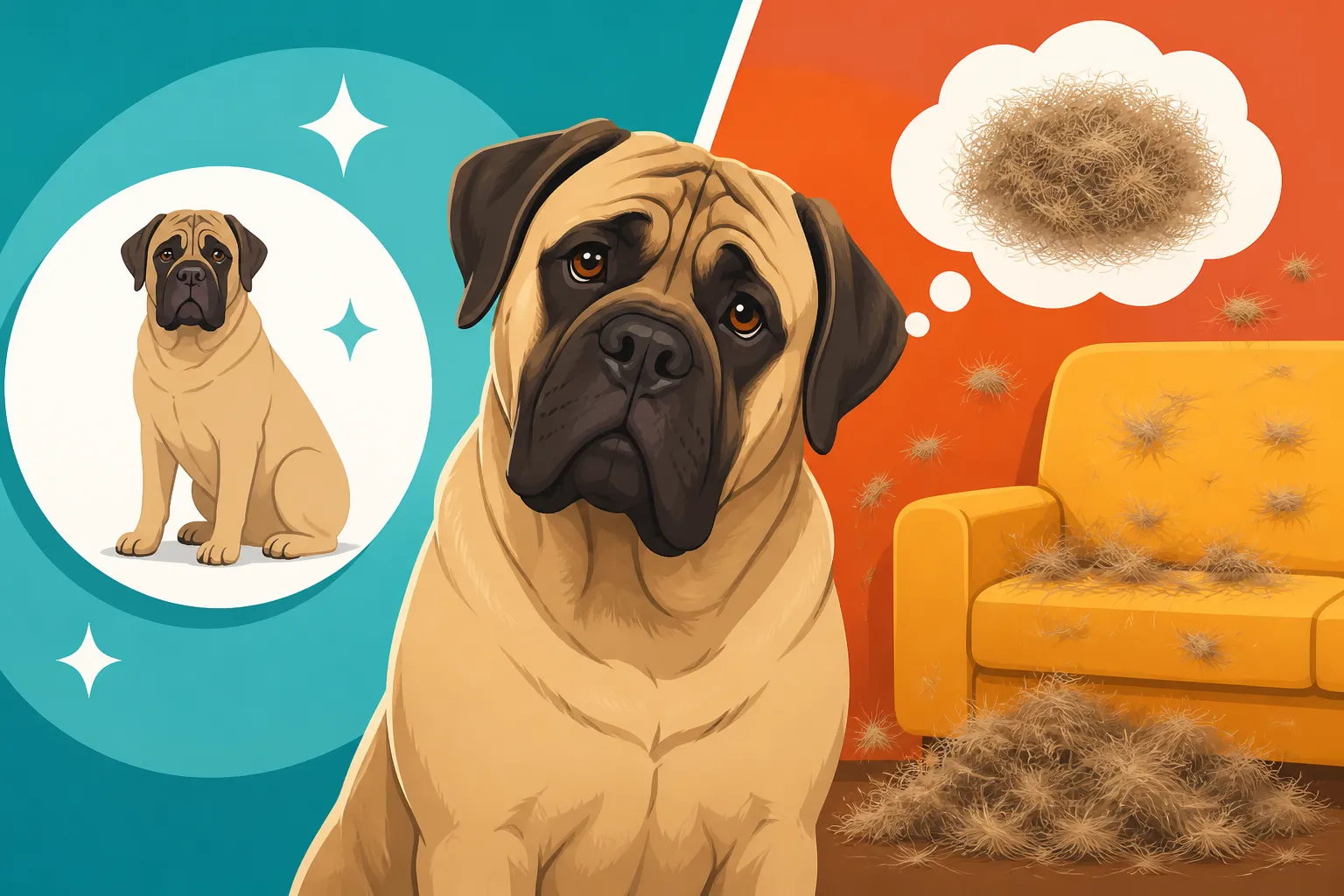
Because the individual hairs are short, they don't always clump together or weave themselves into fabrics like longer hairs might. Instead, they tend to sprinkle themselves over every surface, becoming embedded in carpets, furniture, and even floating through the air. You might not see large tumbleweeds of fur, but you'll certainly notice a fine coating on everything, almost like a dusting of canine glitter. This can be particularly frustrating because it's omnipresent and less obvious to simply pick up.
Compared to other short-coated breeds, a Mastiff’s size multiplies the issue exponentially. A Jack Russell Terrier, for instance, has a similar coat type, but there's simply less dog to shed. A Mastiff, easily weighing upwards of 150-200 pounds, has a vast surface area from which to release hair. This means that while the individual shedding process might be similar to other short-haired dogs, the sheer quantity of hair shed is dramatically higher. It's the volume that catches most new Mastiff owners by surprise.
Seasonal Shedding vs. Year-Round Hair Loss
Like many breeds, Mastiffs experience seasonal shedding, often referred to as "blowing coat." This typically happens twice a year, in spring and fall, as their bodies adjust to temperature changes. In spring, they shed their thicker winter undercoat to prepare for warmer weather, and in fall, they shed their lighter summer coat to make way for a denser winter one. During these periods, you can expect an intensified level of shedding, where the amount of hair coming off your dog will increase noticeably.
However, the shedding isn't confined to just these two major events. Mastiffs also shed year-round, as a natural part of their hair growth cycle. Just like humans lose hair daily, so do dogs. Old hairs die and fall out to be replaced by new ones. This constant, albeit lighter, shedding contributes to the perpetual layer of dog hair found in a Mastiff-owning household. It's less dramatic than the seasonal blow-out, but it's an ongoing, subtle release that adds up quickly.
Several factors can influence the amount and pattern of your Mastiff's shedding. Diet plays a huge role; a dog on a poor-quality diet might shed more due to nutritional deficiencies affecting coat health. Stress, allergies, parasites, and underlying health conditions can also contribute to excessive or abnormal hair loss, which we'll discuss later. Even environmental factors like indoor heating in winter can dry out skin and hair, potentially leading to more shedding. It's a complex interplay of natural processes and external influences.
Managing Mastiff Shedding: Practical Strategies for Your Home
While you can't stop a Mastiff from shedding entirely – it's a natural biological process – you can certainly manage it effectively to keep your home tidier and your dog's coat healthier. It’s all about consistency and using the right tools for the job.
Brushing Routines and Tools for a Mastiff
The most crucial tool in your shedding management arsenal is a good brush and a consistent brushing routine. For a Mastiff, "little" brushing isn't really an option if you want to minimize hair around the house. Aim for at least 3-4 times a week, and daily during those heavy seasonal shedding periods. Regular brushing helps remove loose, dead hair before it has a chance to settle on your furniture and floors. It also distributes natural oils, which promotes a healthier, shinier coat and can reduce dryness.
When it comes to tools, a rubber curry brush, often called a ZoomGroom or similar, is fantastic for Mastiffs. Its soft rubber nubs gently massage the skin, stimulating blood flow, while effectively grabbing loose hair from their dense, short coat. You’ll be amazed at the amount of hair these seemingly simple brushes pull off. Another excellent option is a de-shedding tool designed for short coats, which can reach deeper into the undercoat. While effective, use these with care to avoid irritating the skin. Follow up with a softer bristle brush to smooth the coat and remove any remaining loose hairs. You can find a wide array of these tools readily available on sites like Chewy or Amazon. Remember, the goal is to remove the hair from the dog, not the couch. To learn more about specific options, check out Which Brush Suits a Mastiff's Coat.
Making brushing a positive experience for your giant friend is key. Start early with puppies, even if they're not shedding much, so they associate brushing with positive reinforcement like treats and praise. Keep sessions short and sweet, gradually increasing the duration as your Mastiff becomes more comfortable. A two hundred pound dog that doesn't like being brushed can be a formidable challenge, so building a good foundation is essential. You might be surprised at How Little Brushing a Mastiff's Coat Needs to be effective when done regularly.
Bathing and Environmental Control
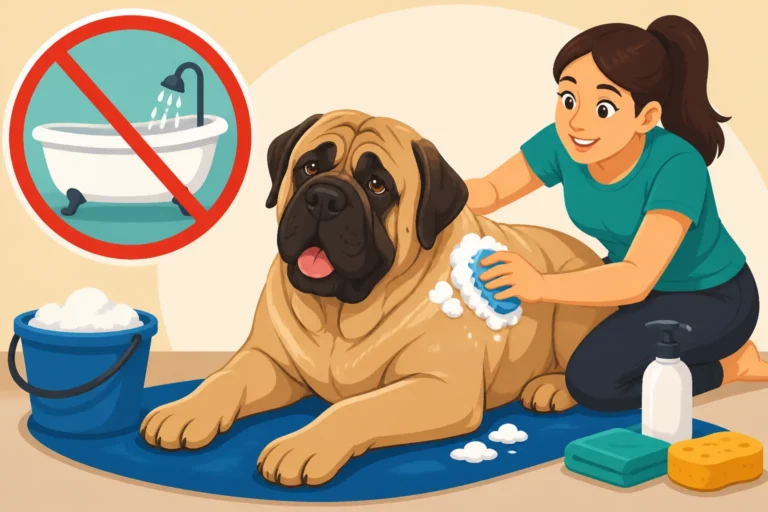
Bathing can also be a powerful tool in your shedding management strategy. A good bath helps loosen and rinse away dead hair, especially if you follow up with a thorough brushing session while the coat is still damp or after it's dried. However, bathing a Mastiff is no small feat. They are massive, and getting them into a tub, let alone keeping them there, can be a wrestling match. For practical advice on this challenging task, see How Rarely a Mastiff Needs a Bath. Professional groomers often have specialized tubs and drying equipment that make this process much easier for both you and your dog.
Beyond brushing and bathing, environmental control plays a subtle but important role. Keeping your home at a comfortable, consistent temperature can prevent extreme coat changes that sometimes trigger excessive shedding. In dry climates or during winter when indoor heating is on full blast, a humidifier can help prevent dry skin and a brittle coat, which can also contribute to hair loss. Remember that a dog's coat is a reflection of its overall health and environment, so minimizing stressors and ensuring comfort can help. Regularly cleaning their bedding, which you can find great options for on Amazon, also helps remove trapped hair and dander, reducing its spread around the house.
When Shedding Might Signal a Deeper Issue
While some shedding is entirely normal and expected for a Mastiff, there are times when hair loss can be a red flag, indicating an underlying health problem. Learning to distinguish between normal shedding and something more concerning is a vital part of responsible Mastiff ownership.
Recognizing Abnormal Hair Loss Patterns
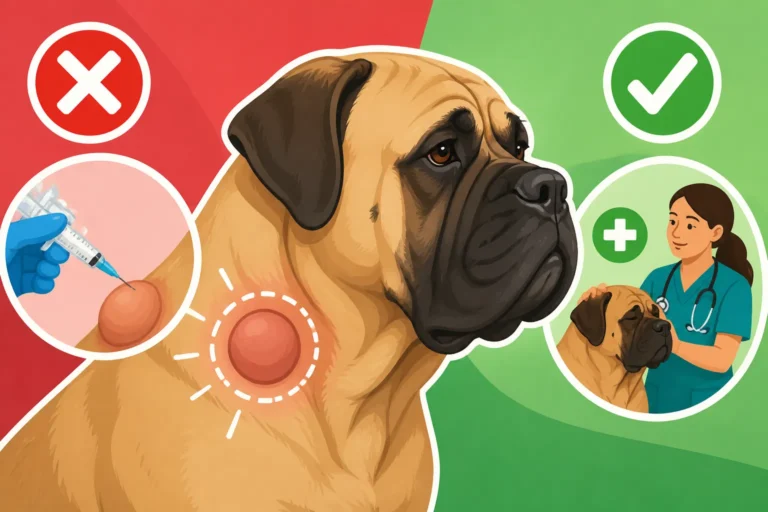
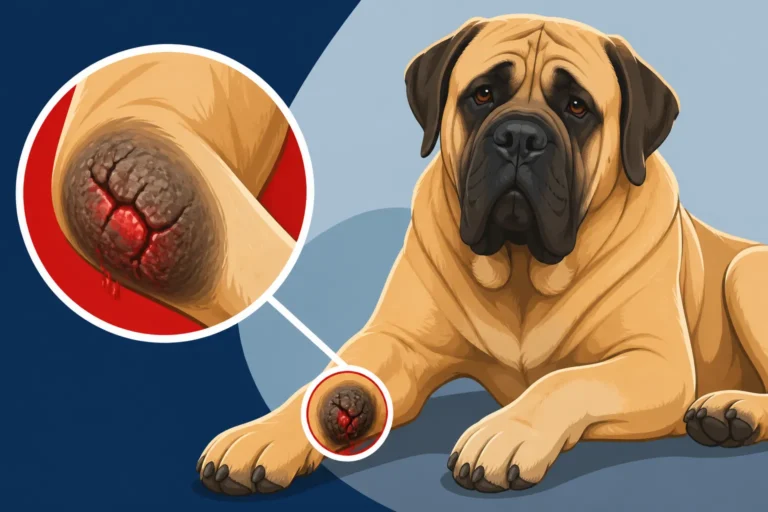
Normal shedding usually involves a consistent, even distribution of hair loss across the dog's body, without significant changes to the skin underneath. Abnormal hair loss, on the other hand, might manifest as patchy hair loss, bald spots, thinning areas, or a dull, brittle, or greasy coat texture. You might also notice redness, inflammation, flaking, or scabbing on the skin where hair is missing. These symptoms should prompt a visit to your veterinarian.
There's a whole host of conditions that can lead to abnormal shedding or hair loss. Allergies are a common culprit, whether environmental, food-related, or contact allergies. A Mastiff might chew or scratch excessively, leading to hair loss in those areas and potentially skin infections like hot spots. For more on skin issues, you might want to read Whether a Mastiff Gets Hot Spots or Whether a Mastiff Gets Skin Allergies. Parasites like fleas, mites, or ringworm can also cause intense itching and subsequent hair loss. Endocrine disorders, such as hypothyroidism, are another frequent cause of symmetrical hair loss and a poor coat quality. Nutritional deficiencies, severe stress, or even certain medications can contribute. If you observe any concerning changes, it's always best to consult your vet.
The Role of Diet and Supplements
A healthy coat starts from the inside out. Providing your Mastiff with a high-quality, balanced diet is fundamental to managing shedding and ensuring overall skin and coat health. Look for dog foods where a named meat source is the first ingredient, and avoid fillers and artificial additives. Some owners find that switching to a fresh food diet, like those offered by Ollie, or premium kibbles available on Chewy, significantly improves coat quality and reduces shedding. These diets often contain better quality ingredients and more bioavailable nutrients.
Supplements, particularly omega-3 and omega-6 fatty acids, can also work wonders for skin and coat health. Fish oil, flaxseed oil, or specific dermatological supplements can help keep the skin moisturized and the hair follicles strong, leading to less shedding and a shinier coat. Just be sure to discuss any supplements with your veterinarian before adding them to your Mastiff's regimen, as dosages for such a large dog need to be precise. For more information on supplements for your Mastiff, consider reading What Fish Oil Costs a Mastiff Owner and Joint Supplements for a Mastiff. Ensuring your Mastiff is receiving What a Mastiff Needs Every Day in terms of nutrition is paramount. Also, Keeping a Mastiff Lean on Purpose contributes not just to joint health but also overall vitality and coat quality.
Living with Mastiff Shedding: Setting Realistic Expectations
Let's be real: owning a Mastiff means living with dog hair. It's an unavoidable part of the package, and while you can manage it, you'll never eliminate it completely. Setting realistic expectations and embracing strategies for household management will make your life much more peaceful.
Household Management and Cleanup
Accepting that hair will be a permanent fixture in your home is the first step. The next is investing in the right cleaning tools. A powerful vacuum cleaner, preferably one designed for pet hair, is non-negotiable. You'll be using it frequently. Washable couch covers, throws, and dog beds are also lifesavers, allowing you to easily toss them in the laundry and remove accumulated hair. For an extra layer of protection, especially where your Mastiff likes to nap, consider purchasing additional covers through retailers like Amazon.
Beyond the hair, Mastiffs are also champion droolers, and sometimes that drool can pick up loose hair, creating an even bigger mess. You'll find yourself wiping down walls and furniture more often than you ever thought possible. For tips on dealing with this, you might find What Cleaning Mastiff Drool Off Walls Costs or The Puddle a Mastiff Leaves After Drinking quite illuminating. Keep lint rollers handy for clothing and quick furniture touch-ups. Regular sweeping or vacuuming of hard floors will help keep the hair from gathering into small dust bunnies that float into every corner. It's an ongoing battle, but with the right tools and mindset, it becomes just another part of your routine.
Acceptance and Love for Your Furry Giant
Ultimately, the shedding is a small price to pay for the immense love, companionship, and joy that a Mastiff brings into your life. Their gentle nature, unwavering loyalty, and impressive presence far outweigh the inconvenience of a bit of dog hair. You'll learn to love them despite the shedding, maybe even finding humor in the furry "decor" that becomes part of your home's charm.
The Mastiff's short lifespan is a poignant reality for owners, and every moment with them is precious. Don't let a bit of hair overshadow the incredible bond you share. Embrace the daily brushing, the frequent vacuuming, and the occasional dog hair on your clothes as badges of honor for being a dedicated Mastiff parent. It’s a small quirk in exchange for a lifetime of unconditional love from one of the most magnificent breeds on earth.
Disclaimer
This article is for general informational purposes only and does not constitute professional advice. Laws, prices and regulations vary by location and change over time. Consult a qualified professional for guidance on your specific situation.