When a Mastiff’s Drool Signals Trouble
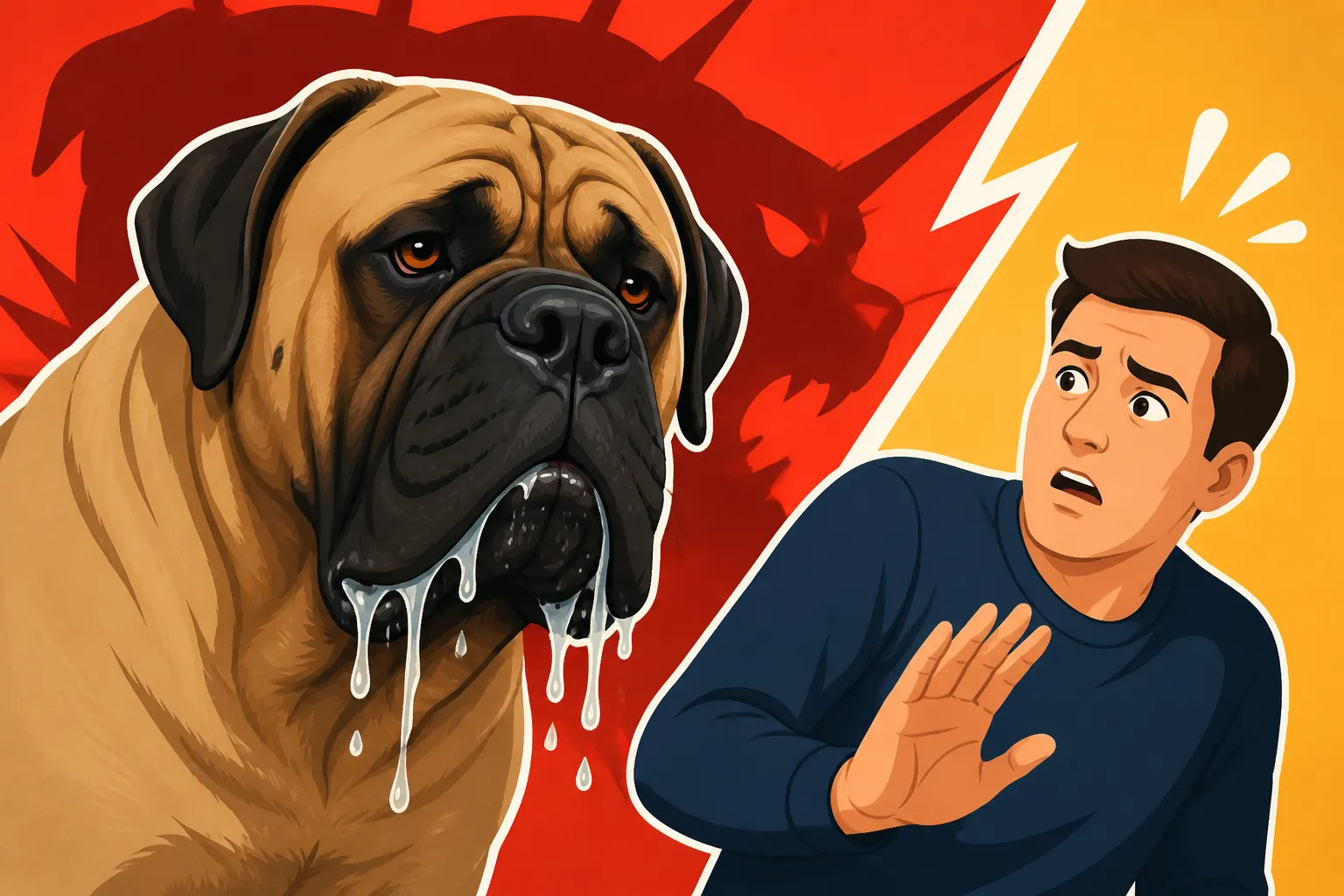
As Mastiff owners, we're pretty accustomed to slobber. It’s practically a badge of honor, a glistening testament to our loving, jowly companions. But while a little drool is just part of the everyday charm of living with these magnificent giants, there are definitely times when excessive or unusual drooling can be a serious signal that something is wrong. This guide will help you understand the difference between normal Mastiff drool and a potential red flag, giving you the knowledge to act swiftly when your gentle giant might be in distress.
Understanding Normal Mastiff Drool
Let's be real, if you own a Mastiff, you've probably got a drool rag within arm's reach at all times. This isn't just a quirk; it's a fundamental part of their physical makeup.
The Anatomy Behind the Slobber
The truth is, Mastiffs are built to drool. Their majestic, saggy faces with those wonderfully loose jowls and deep flews aren't just for looking noble; they're perfectly designed to collect and release saliva. Unlike many other breeds, a Mastiff's lips don't form a tight seal, which means saliva, especially when it builds up, has an easy escape route. Think of it like a leaky faucet that’s always dripping a little. Normal Mastiff drool is usually clear, watery, and perhaps a bit stringy after a drink, or foamy when they get excited. It's just a natural part of their big, expressive mouths. For a deeper dive, check out The Anatomy Behind a Mastiff's Drool.
Everyday Triggers for Increased Drooling
While drooling is constant, it definitely ramps up under certain conditions. These are usually harmless and entirely expected:
- Anticipation of Food: Just like us, when they smell something delicious, their salivary glands kick into overdrive. The mere sight or sound of a food bowl can unleash a Niagara Falls of drool.
- Excitement: A new visitor, a walk in the park, or even just you coming home from work can make their jowls work overtime. It's their way of saying, "I'm so happy!"
- Heat and Exercise: Mastiffs, with their massive bodies, can overheat easily. Panting is their primary way to cool down, and this often comes with increased salivation. A hot day or a good romp in the yard will inevitably lead to more slobber.
- Drinking Water: After plunging their whole snout into the water bowl, it's a given that a significant amount of water and saliva will come sloshing out when they lift their head.
These are all part of the normal Mastiff experience. Knowing What Makes a Mastiff Drool More is crucial for distinguishing between typical behavior and a genuine concern.
Drool Management, Normal vs. Abnormal
For the most part, managing normal Mastiff drool is about preparedness. Having towels strategically placed, using absorbent dog beds, and even considering a stylish drool bib can make a big difference. It's about living with the drool, not fighting it. For instance, traveling with your Mastiff often requires extra towels to manage the inevitable car drool, as discussed in Managing a Mastiff's Drool in a Vehicle. The key here is recognizing what your Mastiff’s normal drooling habits are. Every dog is an individual, and establishing that baseline is your first line of defense in identifying trouble. If your usually slobbery Mastiff suddenly becomes even more slobbery, or the drool changes in character, that's when your alarm bells should start to ring.
When Drool Becomes a Red Flag
This is where your keen observation skills as a Mastiff owner truly come into play. While some drooling is normal, certain changes in its quantity, consistency, or accompanying symptoms can indicate a serious health problem.
Changes in Quantity and Consistency
When we talk about "drool signaling trouble," we're often looking at a significant departure from the norm. It's not just more drool, but different drool.
- Sudden, Excessive Drooling (Ptyalism): If your Mastiff suddenly starts drooling profusely, more than usual, and without an obvious trigger like food or excitement, it’s a concern. This isn't just a bigger puddle; it's a waterfall. This can indicate nausea, pain, or even something stuck in their mouth or throat.
- Thick, Ropey, Foamy, or Stringy Drool: Normal drool is watery. If it becomes unusually thick, sticky, ropey, or forms dense foam around their mouth, pay attention. This change in consistency can be a sign of dehydration, a blockage, or even a reaction to a toxic substance. Ropey drool, especially when combined with retching, is a classic, terrifying sign of bloat.
- Drool Mixed with Blood, Pus, or Food Particles: This is an immediate cause for alarm.
- Blood-tinged drool could point to a mouth injury, severe gum disease, a broken tooth, or even an oral tumor. It might be subtle streaks or a more obvious pinkish hue.
- Pus or a foul odor accompanying the drool often indicates a severe infection, such as an abscess in the mouth or throat.
- Undigested food particles in the drool, especially if your dog is also trying to vomit or gag, can mean they've got something caught in their esophagus or they're experiencing significant gastrointestinal upset.
These types of drool are not just inconvenient; they are urgent indicators that your Mastiff needs veterinary attention.
Accompanying Symptoms to Watch For
Drool often isn't the only symptom when something is amiss. The combination of unusual drooling with other physical or behavioral changes paints a clearer picture of the problem.
- Pawing at the Mouth, Reluctance to Eat or Drink: If your Mastiff is constantly pawing at their face, rubbing their mouth, or suddenly refusing their favorite meal or even water, it strongly suggests oral pain or discomfort. They might have a foreign object lodged in their teeth or gums, a severe toothache, or a painful mouth sore.
- Swelling of the Face or Jaw: Any noticeable swelling around the muzzle, cheeks, or under the jaw, especially if it's accompanied by increased drooling, could be an allergic reaction (like a bee sting), an abscess, or even a tumor.
- Bad Breath (Halitosis): While some "dog breath" is normal, a sudden, extremely foul or metallic odor (beyond the usual Mastiff smell) along with increased drooling can signal severe dental disease, an infection, or even kidney issues. Regular dental care, including home brushing as covered in Brushing the Teeth of a Mastiff That Outweighs You, can help you recognize changes.
- Lethargy, Vomiting, Diarrhea, Difficulty Breathing, Coughing, Gagging: These are all systemic signs that indicate a more serious underlying illness or emergency.
- Lethargy combined with drooling can point to poisoning, severe infection, or a metabolic disorder.
- Vomiting and diarrhea with excessive drooling often mean gastrointestinal distress, which could range from a simple upset stomach to something as life-threatening as bloat.
- Difficulty breathing, coughing, or gagging alongside drooling can be incredibly serious. It might mean an object is obstructing their airway, an allergic reaction is closing their throat, or they have a severe respiratory infection.
- Changes in Gum Color: Pale, blue, or extremely red gums, combined with drooling, are emergency signs. Pale gums can indicate shock or anemia, blue gums signal a lack of oxygen, and bright red gums might mean poisoning or severe infection. Always know what your dog's normal gum color looks like (usually a healthy bubblegum pink).
When a Mastiff's drool signals trouble, it’s usually not just the drool itself, but the whole picture.
Common Causes of Abnormal Mastiff Drool
Understanding why your Mastiff might be drooling abnormally can help you respond appropriately. Many issues can cause this, some more serious than others.
Oral and Dental Issues
The mouth is a primary source of abnormal drooling, and Mastiffs are certainly susceptible to dental problems, sometimes hidden by their large jowls.
- Broken Teeth, Gum Disease, Abscesses, Oral Tumors: A broken tooth can expose nerves and cause significant pain, leading to drooling. Advanced gum disease (periodontal disease) is extremely common in dogs and causes inflammation, pain, and sometimes infection, all of which increase salivation. Dental abscesses, infections under the gum line, are incredibly painful. Less common, but very serious, are oral tumors, which can grow on the gums, tongue, or inside the cheeks, causing irritation and excessive drooling. Regular at-home mouth checks are vital, though getting a good look in a Mastiff's mouth can be a challenge!
- Foreign Objects Stuck in the Mouth: Dogs love to chew, and sometimes things get stuck. Bits of bone, splinters from sticks, threads from toys, or even pieces of rawhide can become lodged between teeth, in the roof of the mouth, or under the tongue. This is extremely irritating and often causes frantic pawing at the mouth and profuse drooling.
- Impacted Food: Sometimes, a large piece of food can get stuck in the back of the throat or esophagus, causing discomfort, gagging, and excessive saliva production as the body tries to dislodge it.
Regular veterinary dental check-ups are essential for detecting these issues early.
Gastrointestinal Upset
Issues in the digestive system often manifest with nausea, and nausea almost always comes with increased drooling in dogs.
- Nausea, Acid Reflux, Upset Stomach: Whether it's from eating something they shouldn't have, car sickness, or a reaction to medication, nausea triggers excessive saliva production. The drooling is often accompanied by lip-licking, gulping, or dry heaving. If it's just a mild upset stomach, it might pass, but persistent nausea needs investigation.
- Bloat (Gastric Dilatation-Volvulus): This is the number one emergency for deep-chested breeds like Mastiffs, and excessive, foamy, ropey drooling is a critical symptom. Bloat occurs when the stomach fills with gas, food, or fluid (dilatation) and then often twists upon itself (volvulus), trapping everything inside. The dog will typically pace, show extreme discomfort, have a distended abdomen (which can be hard to spot under a Mastiff's bulk initially), and attempt to vomit but only bring up foamy saliva or nothing. This is a life-threatening emergency that requires immediate veterinary intervention. Knowing The First Sign a Mastiff Is Bloating and that How Long a Bloating Mastiff Has Before Surgery is often measured in minutes or a few hours, not days, is absolutely crucial for Mastiff owners.
Toxin Exposure and Allergic Reactions
Our curious Mastiffs can sometimes get into things they shouldn't, leading to quick and severe reactions.
- Ingestion of Toxic Plants, Chemicals, or Foods: If your Mastiff has chewed on a toxic houseplant (like lilies, sago palms, or oleander), ingested human medications, cleaning products, or certain foods (like chocolate or xylitol), excessive drooling is a common sign. Their body reacts to the irritant or toxin, and the salivation increases. Often, other symptoms like vomiting, tremors, or lethargy will also be present.
- Insect Stings or Bites: A bee sting on the lip or inside the mouth can cause immediate localized swelling and profuse drooling. If the sting is in the throat, it can quickly become an airway obstruction.
- Anaphylactic Reactions: Though rare, severe allergic reactions to food, insect bites, or medications can lead to facial swelling, hives, difficulty breathing, and excessive drooling. This is an immediate emergency.
It's vital to know what plants you have in your yard, keep all chemicals secured, and use dog-safe products for dental care. Trusted brands like Chewy offer a wide range of safe dental chews and toys, and Amazon is a great place to source pet-safe cleaning supplies.
Other Health Concerns
Sometimes, the cause of abnormal drooling isn't immediately obvious and points to a broader systemic issue.
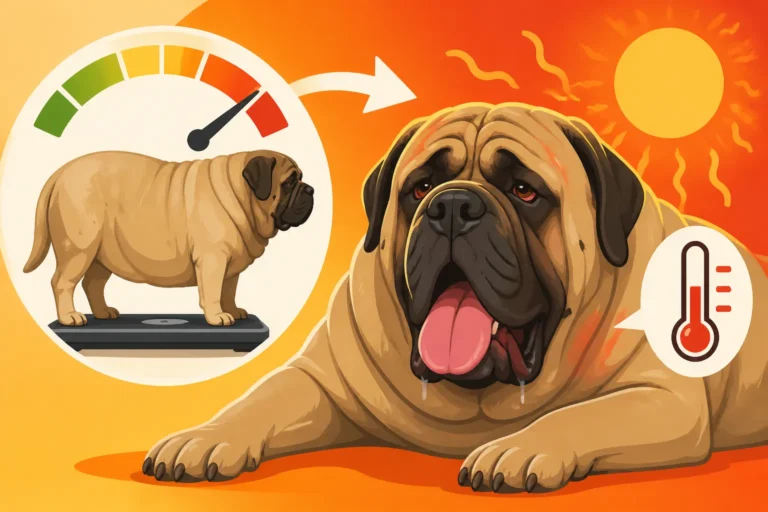
- Heatstroke: Mastiffs are particularly prone to overheating due to their size and often dense coats. Excessive drooling, coupled with heavy panting, bright red gums, lethargy, and an elevated body temperature, are classic signs of heatstroke. This is a medical emergency. Understanding Signs a Mastiff Is Overheating is critical for preventing tragedy.
- Kidney or Liver Disease: In advanced stages, kidney failure can lead to a buildup of toxins in the blood, causing uremia. This can result in ulcers in the mouth and a characteristic foul, ammonia-like breath, leading to increased salivation. Liver disease can also cause a range of non-specific symptoms, including nausea and drooling.
- Neurological Issues: Conditions like seizures, even minor focal seizures, can sometimes present with excessive drooling as a symptom. If you notice any unusual movements or disorientation along with the drooling, it warrants immediate veterinary attention.
- Pain or Discomfort: Any source of significant pain can cause a dog to drool excessively. This could be anything from severe arthritis, an injury, or even internal abdominal pain. The drooling is often a sign of intense discomfort.
What to Do When You Suspect Trouble
Your quick actions can make all the difference in a potentially serious situation with your Mastiff. Don't panic, but be prepared to act decisively.
First Steps at Home
When you notice concerning drooling, take a moment to observe and gather information before rushing to conclusions.
- Observe Closely:
- What does the drool look like? Is it clear, thick, foamy, bloody, or yellowish?
- How much is there? Is it a constant flow or intermittent?
- When did it start? Was it sudden or gradual?
- Are there any other symptoms? (e.g., pawing, swelling, vomiting, lethargy, changes in breathing).
- What has your Mastiff eaten or had access to recently? Any new treats, plants, or chemicals?
- Safely Check Their Mouth: If your Mastiff is usually cooperative and not showing signs of extreme pain or aggression, you can try a quick, gentle check. Lift their lips to examine their gums and teeth. Look for foreign objects, swelling, cuts, or unusual odors. Be extremely cautious; a painful dog, even a gentle Mastiff, might bite. If they resist, do not force it.
- Avoid Self-Treating: Unless specifically instructed by your vet for a known condition, avoid giving any human medications or remedies. What's safe for humans can be toxic for dogs, especially a giant breed like a Mastiff.
When to Contact the Vet Immediately
It's always better to be safe than sorry, especially with a breed prone to serious, fast-acting conditions like bloat. Do not hesitate to call your veterinarian if you observe:
- Sudden onset of severe, profuse drooling: Especially if it's much more than usual for your Mastiff.
- Drool with blood, pus, or a foul odor: These are almost always signs of a serious underlying problem.
- Any drooling accompanied by signs of pain, difficulty breathing, severe lethargy, collapse, or a distended abdomen: These could indicate a medical emergency like bloat, an allergic reaction, or poisoning. Remember, with bloat, Why a Blocked Mastiff Cannot Wait Until Morning is a matter of life or death.
- If you suspect poisoning or your Mastiff has ingested a foreign body: Time is often of the essence in these situations.
Even if it turns out to be nothing, your vet will appreciate you erring on the side of caution. Many veterinary practices are available 24/7 for emergencies, and knowing your local emergency clinic's number is essential for any Mastiff owner.
Preparing for the Veterinary Visit
Once you've made the decision to call the vet, preparing for the visit can make the process smoother and more efficient.
- Gather Information: Be ready to clearly and concisely describe your Mastiff's symptoms, when they started, what the drool looks like, and any potential exposures (foods, plants, chemicals). This information helps your vet narrow down possible causes quickly.
- Mention Medications: Inform your vet of any medications, supplements, or preventatives your Mastiff is currently taking.
- Consider Transport: Getting a sick, potentially weak, or painful Mastiff into a vehicle and then into the clinic can be a huge challenge. Think about how you will manage this. Some clinics might be able to offer assistance upon arrival, or you might need a plan with a second person. Read up on advice for How a Clinic Moves a Collapsed Mastiff to be prepared for the reality of moving a very large, incapacitated dog. If your Mastiff isn't keen on eating commercial kibble, services like Ollie that provide fresh, human-grade food might be an option for enticing them to eat once they're feeling better, but always consult your vet first regarding any dietary changes during illness.
Recognizing the subtle, yet crucial, differences in your Mastiff's drool can be a lifesaver. While we'll always embrace the normal slobbery affection of our Mastiffs, being vigilant for the warning signs means we can provide them with the best possible care when they need it most.
Disclaimer
This article is for general informational purposes only and does not constitute professional advice. Laws, prices and regulations vary by location and change over time. Consult a qualified professional for guidance on your specific situation.